
 Source:
 Buddha’s common bamboo (Bambusa vulgaris) short overview
Buddha's common bamboo is a large, evergreen, clumping tropical bamboo grown for its tall golden-to-green culms and lush foliage. Native to Assam, southern China, and Indochina, it is widely cultivated in warm regions and can become an impressive screen or specimen. In most of the United States it needs frost protection, a container, or an indoor wintering plan because prolonged freezing damages the culms and foliage.
Taxonomic classification
Buddha’s common bamboo (Bambusa vulgaris) care guide
Light and placement
Grow outdoors in full sun to light partial shade, ideally with morning-to-afternoon light and shelter from strong drying winds. In very hot climates, afternoon shade can reduce leaf scorch. Too little light produces weaker, more open growth and smaller foliage; excessive reflected heat combined with drought can brown leaf margins. Container plants benefit from bright light and gradual acclimation after indoor wintering.
Watering and humidity
Water deeply whenever the upper 1–2 inches of soil begins to dry, then allow excess water to drain. Keep the root zone consistently moist during warm-season shoot production, but do not leave containers standing in water. Reduce watering in cool weather or during indoor wintering, while avoiding prolonged dryness. Humidity is helpful but is less important than steady root moisture and good drainage.
Soil and growing medium
Use a rich, moisture-retentive but freely draining soil. In containers, combine quality potting mix with compost and a coarse drainage component rather than using dense garden soil alone. A slightly acidic to neutral reaction is suitable. Heavy clay should be amended or avoided because waterlogged roots decline, while very sandy soil requires more frequent irrigation and organic matter.
Feeding
Apply compost or a balanced slow-release fertilizer in spring, then feed lightly during the warm growing season if growth is vigorous and pale. Container plants can receive a diluted complete fertilizer every 4–6 weeks during active growth. Do not fertilize drought-stressed, newly transplanted, dormant, or cold-damaged plants; water first and wait for active recovery.
Growth and habit
This is a robust, sympodial, clumping bamboo rather than a running Phyllostachys bamboo. New culms emerge from short underground rhizomes and expand the clump gradually. Warmth, water, and fertility can produce rapid seasonal growth. Give the plant substantial room, remove unwanted outer culms early, and use a root barrier or large container when a defined footprint is important.
Planting and repotting
Plant during warm weather when the soil is workable and frost risk has passed. Set the root ball level with or slightly above the surrounding soil, water thoroughly, and mulch without touching the culms. Maintain even moisture through the first growing season. For a controlled screen, use a large container or professionally installed rhizome barrier and inspect the perimeter regularly.
Move container plants into a heavier, wider container when roots circle densely, drainage slows, or new growth weakens. Repot in spring or early summer using fresh, well-drained mix and replant at the original depth. Large specimens can be root-pruned and divided, but use sharp tools and provide immediate irrigation and wind protection after transplanting.
Propagation and pruning
Propagation
Division of established clumps is practical when warm weather supports rapid root recovery. Culm or branch cuttings and layered culm sections are also used for Bambusa vulgaris, but success depends on mature, healthy material, warmth, moisture, and high humidity. Propagate during active growth, keep the medium evenly moist, and protect new starts from direct afternoon sun until rooted.
Pruning
Remove dead, damaged, weak, or crowded culms at ground level with a clean saw. Thin older culms after the main shooting season to open the clump and improve access. Cut side branches only when needed for clearance or shaping. Avoid topping healthy culms casually, because it creates an unnatural flat crown and does not reduce the plant's underground vigor.
Overwintering
In Zones 9b and colder, grow it in a container or use a protected microclimate. Move containers indoors or into a bright, frost-free greenhouse before temperatures approach freezing. Reduce watering indoors, maintain bright light, and keep the plant away from heating vents. Outdoor plants may lose foliage or culms after cold injury; wait until spring to remove clearly dead growth.
Uses
Used as a tropical specimen, privacy screen, hedge, erosion-control planting, container accent, and source of poles or craft material. Young shoots are eaten in some food traditions, but raw bamboo shoots may contain cyanogenic compounds and should be properly prepared and cooked. Culms are also used for construction, tools, fuel, and household objects where locally appropriate.
Appearance
Culms are smooth, jointed, and typically green, yellow-green, or yellow depending on the form, with conspicuous nodes and many leafy branches. The leaves are narrow, lance-shaped, and medium green, forming a dense, graceful canopy. Clumps have an upright-to-arching outline. Variegated cultivars occur in horticulture, but the species itself is generally green-stemmed and green-leaved.
Flowering
Bamboo flowers are not showy ornamental blooms. The tiny grass spikelets occur in branched flowering structures, and flowering is uncommon and difficult to predict in cultivation. Bambusa vulgaris is reported to flower gregariously or irregularly, with seed production often limited; the plant may decline or die after a major flowering episode, although responses can vary.
Pollination and visitors
The inconspicuous flowers are primarily adapted to wind pollination rather than nectar-seeking animal visitors. No specific animal pollinator is sufficiently documented here for assignment. Flowering events may still provide pollen to the surrounding air, but this is separate from attraction of bees, butterflies, or other flower visitors.
Bambusa vulgaris photos
Click any photo for a larger view. Source, author and license are shown separately.
Diseases and pests
Diseases
Root and rhizome problems are most likely in persistently wet, poorly drained soil. Prevent decline with clean planting material, good drainage, moderate irrigation, and adequate spacing. Remove severely damaged tissue and avoid overhead watering when foliage remains wet for long periods. Cold injury can resemble disease, causing silvery, brown, or desiccated leaves.
Pests
Watch for scale insects, mealybugs, aphids, mites, and occasional bamboo-feeding insects, especially on stressed container plants. Inspect leaf undersides and culm nodes, wash light infestations away, and prune heavily infested material. Improve airflow and avoid excessive nitrogen. Use horticultural oil or another labeled treatment only according to the product directions and plant-safety precautions.
Related diseases and pests
Only Plant Doctor profiles whose host data indicate this plant may be affected are shown here.
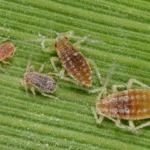 PestMealy Plum AphidHyalopterus pruni (Geoffroy, 1762)
 DiseaseRhizoctonia DiseasesRhizoctonia solani Kühn
 DiseaseRhizopus soft rotRhizopus stolonifer
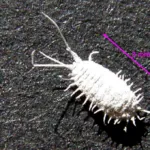 PestObscure mealybugPseudococcus viburni
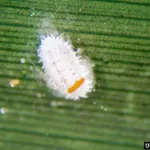 PestCitrus mealybugPlanococcus citri
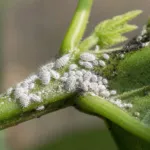 PestCotton mealybugPhenacoccus solenopsis Tinsley
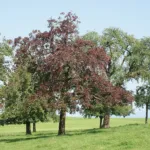 DiseasePear Decline‘Candidatus Phytoplasma pyri’
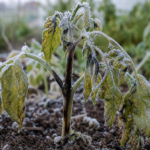 Environmental stressFreeze injury
Toxicity and pollen
The plant is not generally regarded as highly poisonous through ordinary ornamental contact. However, bamboo shoots can contain cyanogenic compounds when raw or inadequately prepared. Do not eat raw shoots; use only correctly identified, properly processed, and thoroughly cooked shoots. Wear gloves when handling rough cut culms and prevent children or pets from chewing unknown plant material.
- Pollination / pollen
- Light, wind-dispersed grass pollen released from exposed floral structures
Bambusa vulgaris flowers infrequently, so routine pollen exposure is usually limited by the plant's flowering schedule. When flowering occurs, its grass pollen is released by wind and may be relevant to people sensitive to grass pollen. Reliable United States species-specific pollen calendars were not located; exposure timing will depend on the local flowering event and climate.
Native habitat
In its native range, this bamboo occurs in wet tropical and subtropical environments from Assam through southern China and Indochina. It favors warm temperatures, ample rainfall, fertile soils, and open to lightly shaded sites. It is widely planted beyond its native range and may persist in frost-free regions, including parts of Florida, Hawaii, Puerto Rico, and coastal South Carolina.
Interesting fact
Bambusa vulgaris is among the most widely cultivated and geographically introduced bamboos. Its clumping rhizomes make it less inherently spreading than running bamboos, but the mature clump can still become very large. Yellow and striped horticultural forms are commonly grown. Large flowering events are rare and can be followed by extensive dieback.
Frequently asked questions (FAQ)
The most relevant questions about this plant, with short and direct answers.
🌱Quick care
What is Buddha's common bamboo (Bambusa vulgaris)?⌄
Buddha's common bamboo is a fast-growing, tropical, open-clumping bamboo in the grass family, Poaceae. It is grown for ornamental screening, poles, and its distinctive green or yellow culms.
Is Bambusa vulgaris a running or clumping bamboo?⌄
Bambusa vulgaris is generally an open-clumping bamboo rather than a classic running bamboo. However, mature clumps can expand substantially, so provide space and monitor the plant near property lines.
How fast does Buddha's common bamboo grow?⌄
Buddha's common bamboo can grow rapidly during warm, wet weather, especially when planted in fertile soil. Growth slows sharply with cool temperatures, drought, poor nutrition, or root restriction.
🌤️Environment and placement
How much sun does Bambusa vulgaris need?⌄
Give Bambusa vulgaris full sun to partial shade, with at least several hours of direct light for strong growth. In very hot, dry locations, afternoon shade can reduce leaf scorch and water stress.
Can Bambusa vulgaris grow indoors?⌄
Bambusa vulgaris is usually unsuitable as a long-term indoor plant because it becomes large and needs strong light, humidity, and ample root space. It may be grown temporarily indoors only in a very bright, spacious location.
What USDA hardiness zone is Bambusa vulgaris suited to?⌄
Bambusa vulgaris is best suited to frost-free or nearly frost-free parts of the United States, generally USDA Zones 9–11. It is frost tender and should be protected or moved indoors before freezing temperatures.
Can Buddha's common bamboo survive winter outdoors?⌄
Buddha's common bamboo may survive brief light frosts in a sheltered site, but freezing weather can damage or kill stems and foliage. In colder areas, grow it in a container that can be protected before winter.
What temperature is too cold for Bambusa vulgaris?⌄
Freezing temperatures are dangerous for Bambusa vulgaris, particularly for young plants and container specimens. Exact injury depends on exposure, duration, wind, plant age, and cultivar, so protect it whenever a freeze is forecast.
💧Care and problems
How often should I water Buddha's common bamboo?⌄
Water Buddha's common bamboo whenever the soil surface begins to dry, providing moderate to high moisture during active growth. Container plants and bamboo in hot, windy weather may need watering more frequently.
Can Bambusa vulgaris grow in wet soil?⌄
Bambusa vulgaris tolerates consistent moisture but performs poorly in stagnant, waterlogged soil. Plant it where excess water drains away, because prolonged saturation can contribute to root and rhizome problems.
Should I fertilize Bambusa vulgaris?⌄
Yes, fertilize Bambusa vulgaris during the warm growing season with a balanced or nitrogen-containing fertilizer according to the product label. Avoid heavy applications when the plant is dormant or drought-stressed.
Why are the leaves of my Bambusa vulgaris turning brown?⌄
Brown leaves commonly result from drought, low humidity, salt buildup, root damage, cold exposure, or intense reflected heat. Check soil moisture and drainage first, then protect the plant from freezing and harsh wind.
Why is my Buddha's common bamboo losing leaves?⌄
Leaf loss can follow cold damage, drought, transplant stress, root restriction, or naturally aging foliage. If the culms remain green and new shoots appear during warm weather, the plant may recover with consistent care.
How do I control the spread of Bambusa vulgaris?⌄
Control Bambusa vulgaris by removing unwanted new shoots, maintaining a defined planting area, and inspecting the perimeter regularly. Do not discard live rhizome pieces in compost or natural areas, because they can regenerate.
🪴Planting and repotting
What soil is best for Bambusa vulgaris?⌄
Use fertile, well-drained loam that remains evenly moist but never waterlogged. Improve compact or sandy soil with organic matter while preserving good drainage around the roots.
Can I grow Bambusa vulgaris in a container?⌄
Yes, Bambusa vulgaris can be grown in a large, sturdy container, especially where winter protection is needed. Choose a pot with drainage, refresh or divide the root mass periodically, and expect to water more often than an in-ground plant.
How do I plant Buddha's common bamboo in the ground?⌄
Plant Buddha's common bamboo in a warm, sunny to partly shaded site with fertile, evenly moist, well-drained soil. Set it at the same depth it occupied in its nursery container, water thoroughly, and mulch without covering the culm bases.
Does Bambusa vulgaris need a root barrier?⌄
A root barrier is not always essential for this clumping species, but it can be prudent in small yards or near buildings, drains, fences, and neighboring properties. Local regulations and the exact cultivar should also be checked before planting.
How far apart should Bambusa vulgaris be planted for a screen?⌄
Spacing depends on the cultivar and the desired density, but plants commonly need several feet between centers to allow clumps to expand. Use closer spacing for a faster screen only if you are prepared to thin or manage the mature clumps.
When is the best time to plant Bambusa vulgaris?⌄
Plant Bambusa vulgaris during the warm growing season, ideally after the threat of frost has passed. Warm soil and regular moisture help new roots establish before seasonal cooling or drought.
✂️Propagation and pruning
How do I prune Bambusa vulgaris?⌄
Prune Bambusa vulgaris by removing dead, damaged, weak, or unwanted culms at ground level with clean, sharp tools. Thin crowded growth and shorten side branches as needed, but avoid removing more than necessary in one session.
How do you propagate Bambusa vulgaris?⌄
Bambusa vulgaris is most reliably propagated by dividing established clumps or planting viable rhizome sections with shoots and roots attached. Stem, branch, layering, and tissue-culture methods are also possible but are more technique-sensitive.
Can Bambusa vulgaris be grown from seed?⌄
Growing Bambusa vulgaris from seed is possible but uncommon because flowering and seed production are infrequent and unpredictable. Vegetative propagation is normally faster and more dependable for gardeners.
When should I divide Buddha's common bamboo?⌄
Divide Buddha's common bamboo during warm weather when the plant is actively growing and can recover quickly. Keep each division supplied with healthy roots, rhizomes, and culms, then water it consistently after replanting.
⚠️Toxicity and safety
Is Bambusa vulgaris invasive in the United States?⌄
Bambusa vulgaris is not uniformly classified the same way in every U.S. state, but it can spread beyond its planting area in suitable warm climates. Check state and local invasive-plant guidance before planting and use containment where appropriate.
Is Buddha's common bamboo toxic to dogs or cats?⌄
Buddha's common bamboo is generally considered low toxicity, but pets may develop stomach upset if they eat large amounts of plant material. Prevent access to treated foliage and contact a veterinarian if symptoms are severe or persistent.
Are Bambusa vulgaris shoots edible?⌄
Young Bambusa vulgaris shoots may be edible after proper preparation, but raw shoots should not be eaten. Peeling, slicing, and thorough boiling are used to reduce naturally occurring cyanogenic compounds.
Can people eat raw Buddha's common bamboo shoots?⌄
No, raw Buddha's common bamboo shoots should not be eaten because they can contain cyanogenic compounds. Use only correctly identified young shoots and cook them thoroughly before consumption.
Is Bambusa vulgaris safe to plant near a house?⌄
Bambusa vulgaris can be planted near a house only when mature size, clump expansion, falling culms, drainage, and maintenance access are considered. Keep it away from tight foundations, utility lines, blocked drains, and property boundaries.
🌸Flowering and special interest
Does Bambusa vulgaris flower?⌄
Yes, Bambusa vulgaris can flower, but flowering is rare, irregular, and difficult to predict in cultivation. Bamboo flowering may occur across widely separated plants at similar times, although the timing and consequences vary.
What happens when Bambusa vulgaris flowers?⌄
Flowering may reduce vigor and can be followed by dieback of flowering culms or even wider portions of the clump. Recovery depends on the plant and conditions, and new vegetative growth may eventually return from surviving rhizomes.
Why is my Bambusa vulgaris producing flowers?⌄
Bambusa vulgaris may flower because of its species or cultivar flowering cycle, environmental stress, or genetic cues; the exact trigger is often uncertain. Occasional flowering is not necessarily caused by incorrect care.
Similar plants
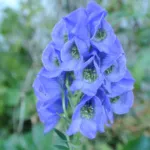 Azure Monkshood (Aconitum carmichaelii) care guideAconitum carmichaelii
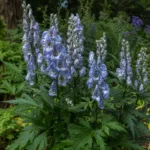 Monkshood (Aconitum ‘Stainless Steel’)Aconitum 'Stainless Steel'
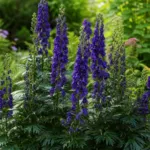 Monkshood (Aconitum ‘Bressingham Spire’)Aconitum 'Bressingham Spire'
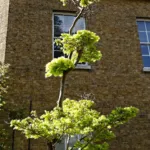 Golden full moon maple (Acer shirasawanum ‘Aureum’)Acer shirasawanum 'Aureum'
 Globosum (Acer platanoides ‘Globosum’)Acer platanoides 'Globosum'
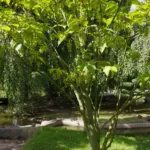 Striped maple (Acer pensylvanicum) care guideAcer pensylvanicum