
 Source:
 Giant timber bamboo (Bambusa oldhamii) short overview
Giant timber bamboo is a tall, evergreen, clump-forming bamboo valued for its dense green foliage, substantial culms, edible young shoots, and strong screening potential. Native to Taiwan and parts of southern China, it grows best in warm climates with full sun, fertile soil, and consistent moisture. In the United States, it is primarily an outdoor landscape plant in USDA Zones 9–11 and needs winter protection in colder areas.
Taxonomic classification
Giant timber bamboo (Bambusa oldhamii) care guide
Light and placement
Give this bamboo full sun for the strongest culms and densest screening, ideally with open southern or southeastern exposure. Light afternoon shade is useful in very hot, dry climates. Sparse leaves, weak culms, and slow shooting can indicate inadequate light; bleached foliage or scorched leaf margins usually point to excessive heat, drought, or reflected exposure rather than too much sun alone.
Watering and humidity
Water deeply whenever the upper few inches of soil begin to dry, keeping the root zone evenly moist during establishment and active shooting. Mature plants tolerate brief dry periods but perform better with regular irrigation, especially in hot summers or sandy soil. Reduce watering in cool weather while preventing prolonged root-zone dryness. Mulch helps moderate moisture and temperature.
Soil and growing medium
Use fertile soil that drains freely yet retains enough moisture for vigorous summer growth. Loam amended with compost is suitable; compacted clay should be opened with organic matter and improved drainage rather than left waterlogged. A slightly acidic to neutral reaction is ideal, although established plants can tolerate a broader pH range. Avoid permanently saturated ground.
Feeding
Apply a balanced slow-release fertilizer or a compost mulch in spring as new shoots begin, with a second light application during active summer growth if foliage is pale or growth is weak. Bamboo responds well to nitrogen, but excessive feeding can produce soft growth and nutrient runoff. Do not fertilize drought-stressed, newly frozen, or dormant plants until active growth resumes.
Growth and habit
This is a vigorous, sympodial clumper: new culms emerge near the existing plant and expand the clump gradually rather than sending long-distance running rhizomes. New shoots elongate rapidly during warm weather, while later branching and leafing create a dense screen. Remove weak, damaged, or poorly placed culms at the base to maintain airflow and a balanced stand.
Planting and repotting
Choose a site with room for a large mature clump and avoid planting directly beside foundations, narrow paths, or utility lines. Dig a broad hole, loosen surrounding soil, and set the root ball level with the finished grade. Water thoroughly after planting and maintain consistent moisture through the first growing season. A root barrier is usually unnecessary for this clumping species but can help control spread in confined beds.
Use a heavy, wide container with generous drainage because the plant becomes top-heavy and root-bound quickly. Repot or root-prune in spring when the root mass fills the container, moving up only one or two pot sizes. Refresh the growing medium, keep the rhizome mass intact where possible, and water carefully while it re-establishes.
Propagation and pruning
Propagation
Division of established clumps is the most practical home method and is best done in warm spring weather before or as new growth begins. Each division should contain viable rhizome sections and several healthy culms or buds. Culm or branch cuttings and tissue culture are used commercially, while seed is uncommon because flowering is infrequent and seed availability is unreliable.
Pruning
Prune only after culms have fully hardened, using clean loppers or a saw to remove damaged, weak, crossing, or unwanted culms at ground level. Thin older culms to improve access and airflow, but avoid removing a large proportion of the clump in one season. Cut screening height only when necessary, since repeated topping changes the natural upright form.
Overwintering
In Zones 9 and colder, protect the root zone with a thick organic mulch before hard freezes and shield young plants from drying winds. Containers should be moved to a sheltered, bright location before severe cold; in colder climates, overwintering in a cool greenhouse or protected structure is safer than keeping the plant outdoors. Freeze-damaged leaves can be removed after spring growth resumes.
Uses
Used as a tall evergreen screen, windbreak, architectural specimen, and warm-climate privacy planting. Culms are useful for craft, garden structures, furniture, and other bamboo products when properly harvested and cured. Young shoots are eaten in traditional cuisines, including Taiwanese cuisine, but they should be correctly identified and prepared before consumption; do not treat raw shoots as ready-to-eat vegetables.
Appearance
The plant has smooth, upright, green culms that can become several inches thick in favorable climates. Culm sheaths are green to gray-green, and mature branches are relatively short with narrow, lance-shaped leaves. Dense evergreen foliage gives the clump a strong vertical silhouette and a useful year-round screening effect. The clumping base distinguishes it from running Phyllostachys bamboos.
Flowering
As in other bamboos, flowering is unusual and may occur at long, irregular intervals rather than annually. The flowers are small spikelets typical of grasses and are visually insignificant compared with the culms and foliage. Reliable United States flowering months are not established for this species, so no month codes are assigned.
Pollination and visitors
The small grass spikelets are adapted primarily to wind pollination rather than attracting animal visitors with showy petals, nectar, or fragrance. No specific animal pollinator or characteristic visitor group is sufficiently documented for this species.
Bambusa oldhamii photos
Click any photo for a larger view. Source, author and license are shown separately.
Diseases and pests
Diseases
Prevent problems by avoiding chronically wet soil, improving airflow, disinfecting cutting tools, and removing dead culms and fallen debris. Watch for leaf-spot symptoms, sooty growth associated with sap-feeding insects, and root decline from poor drainage. Prune affected tissue conservatively and correct the growing conditions before using any fungicide.
Pests
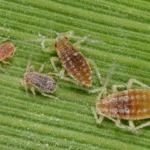
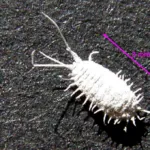
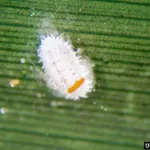
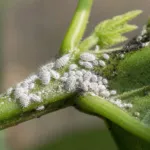
Inspect culms and leaf undersides for scale, aphids, mealybugs, mites, and bamboo mites, especially in hot, dry, or poorly ventilated sites. Wash light infestations off with water, prune heavily infested material, and conserve beneficial insects. Use horticultural oil or another labeled treatment only when necessary and follow the product directions carefully.
Related diseases and pests
Only Plant Doctor profiles whose host data indicate this plant may be affected are shown here.
Toxicity and pollen
Authoritative evidence establishing a specific poisoning profile for Bambusa oldhamii in humans or household pets was not identified. The young shoots are eaten when properly prepared in traditional food systems, but raw bamboo shoots should not be consumed casually because bamboo shoots can contain cyanogenic compounds that require appropriate preparation. Avoid ingestion of unidentified plant material and seek medical advice after a suspected exposure.
- Typical season
- Usually spring through summer when flowering occurs; species timing is irregular
- Pollination / pollen
- Light, wind-dispersed grass pollen
Bamboo is a grass and its pollen is dispersed by wind when flowering occurs. Bambusa oldhamii flowers rarely and unpredictably, so most established landscape plants will not produce pollen in a typical season. During a flowering event, sensitive people may experience exposure similar to other wind-pollinated grasses; reliable species-specific allergy data are limited.
Native habitat
It is associated with warm, humid to seasonally moist lowland and lower-elevation environments in Taiwan and southern China. It favors fertile, moisture-retentive but aerated soils and grows strongly where summers are long and warm. In colder parts of the United States, winter injury limits outdoor performance more than summer heat does.
Interesting fact
The species is a clumping bamboo, so its rhizomes expand from a central base instead of producing distant wandering shoots. Its culms are among the larger commonly cultivated Bambusa culms. It is also grown for edible young shoots and for durable bamboo material.
Frequently asked questions (FAQ)
The most relevant questions about this plant, with short and direct answers.
🌱Quick care
What is Bambusa oldhamii commonly called in the United States?⌄
Bambusa oldhamii is commonly called giant timber bamboo. It is also sometimes labeled Oldham bamboo or Oldham’s bamboo by nurseries, but giant timber bamboo is the preferred common name here.
Is Bambusa oldhamii a running or clumping bamboo?⌄
Bambusa oldhamii is a clumping bamboo that expands from a central base rather than sending long underground runners across the yard. However, mature clumps can become very large and still need adequate space.
How fast does giant timber bamboo grow?⌄
Giant timber bamboo can grow rapidly during warm, wet weather, especially after it is established. Growth is much slower in cool conditions, drought, containers, or locations with limited root space.
How tall does Bambusa oldhamii get?⌄
Bambusa oldhamii can reach roughly 40 to 60 feet in favorable landscapes, with thick, upright culms. Actual size depends on climate, soil fertility, moisture, and available space.
🌤️Environment and placement
Is Bambusa oldhamii evergreen?⌄
Bambusa oldhamii is generally evergreen in mild climates. Freezing weather can cause leaf browning, foliage loss, or culm damage, even when the root system survives.
What USDA hardiness zones are suitable for giant timber bamboo?⌄
Giant timber bamboo is best suited to warm USDA Zones 9 through 11, with some protected Zone 8 sites potentially workable. Protect it when temperatures approach or fall below about 20°F.
Can Bambusa oldhamii grow in full sun?⌄
Yes, Bambusa oldhamii grows well in full sun, provided the soil does not dry out excessively. Partial shade is also suitable, particularly in hot, dry climates or during establishment.
Is giant timber bamboo invasive?⌄
Giant timber bamboo is clumping rather than running, so it is generally less likely to spread into neighboring yards. It can still become difficult to manage because its large clump grows vigorously, and local regulations should be checked before planting.
Can giant timber bamboo be used as a privacy screen?⌄
Yes, giant timber bamboo can form an effective tall privacy screen in warm climates with sufficient space and moisture. Because it becomes very large, choose spacing and pruning practices based on the mature clump rather than the size of the nursery plant.
💧Care and problems
How much water does giant timber bamboo need?⌄
Giant timber bamboo needs consistent moisture, especially during its first growing seasons and during hot weather. Water deeply when the upper soil begins to dry, but avoid permanently saturated or poorly drained soil.
How often should I fertilize giant timber bamboo?⌄
Fertilize giant timber bamboo during active growth with a balanced or nitrogen-containing fertilizer according to the product label. Excess fertilizer can damage roots and encourage weak, overly lush growth.
Can Bambusa oldhamii survive a freeze?⌄
Established plants may survive brief light freezes, but temperatures near or below 20°F can cause serious foliage and culm damage. Protect young plants and insulate the root zone during severe cold.
How do I protect giant timber bamboo from winter damage?⌄
Before a hard freeze, water the root zone if the soil is dry and apply a thick layer of mulch without burying the culm bases. Cover young plants or move container specimens to a protected location when practical.
Why are the leaves on my Bambusa oldhamii turning brown?⌄
Brown leaves commonly result from drought, freezing temperatures, wind exposure, transplant stress, or naturally aging foliage. Check soil moisture and cold damage first, then remove only foliage and culms that are clearly dead.
Why is my giant timber bamboo not growing?⌄
Slow growth is often caused by cool weather, insufficient moisture, poor soil, root restriction, or recent transplanting. New plantings may spend a season establishing roots before producing vigorous new culms.
🪴Planting and repotting
What type of soil is best for Bambusa oldhamii?⌄
Bambusa oldhamii grows best in fertile, well-drained loam that retains some moisture. Improve poor soil with organic matter, but do not plant it where water routinely pools.
How much space does Bambusa oldhamii need?⌄
Give Bambusa oldhamii substantial room because a mature clump can become many feet wide and very tall. Keep it away from structures, utility lines, narrow pathways, and property boundaries unless regular size control is planned.
Can I grow Bambusa oldhamii in a container?⌄
Yes, Bambusa oldhamii can be grown in a large, sturdy container, but it will remain smaller and require more frequent watering than plants in the ground. Repot or root-prune when the container becomes crowded.
When is the best time to plant Bambusa oldhamii?⌄
Plant Bambusa oldhamii during the warm growing season after severe frost has passed, allowing roots to establish before winter. In warm parts of the United States, fall planting can also work when regular moisture is available.
✂️Propagation and pruning
How should I prune giant timber bamboo?⌄
Remove dead, damaged, weak, or unwanted culms at ground level with clean, sharp tools. Thin crowded culms selectively and prune low branches only when needed for access or appearance.
Can I cut back Bambusa oldhamii to control its height?⌄
You can remove tall culms at ground level, but cutting the top of a culm will not make that culm branch or resume vertical growth. Long-term size control is usually better achieved by removing selected culms annually.
How can I propagate Bambusa oldhamii?⌄
Bambusa oldhamii can be propagated by division, culm cuttings, or specialized tissue-culture methods. Division is generally the most practical approach for gardeners, while culm-cutting success depends on culm age, node position, warmth, and humidity.
Can giant timber bamboo be divided?⌄
Yes, giant timber bamboo can be divided by separating a portion of the clump with viable rhizomes, roots, and shoots. Division is easiest when the plant is actively growing, but large, heavy divisions may require specialized tools or equipment.
⚠️Toxicity and safety
Are the shoots of Bambusa oldhamii edible?⌄
Young shoots of Bambusa oldhamii are reported as edible when properly harvested and prepared. Do not eat shoots from an unidentified bamboo or consume them raw, because preparation practices vary and identification must be certain.
Is giant timber bamboo toxic to dogs or cats?⌄
No well-established toxicity classification is available for Bambusa oldhamii. Keep pets from chewing large amounts of plant material, and contact a veterinarian or poison-control service if an animal shows symptoms after ingestion.
Is Bambusa oldhamii safe to plant near a house?⌄
It can be planted near a house only when its eventual height, clump width, falling foliage, and maintenance needs are considered. Keep it clear of foundations, rooflines, gutters, overhead wires, and areas where dense growth would obstruct access.
🌸Flowering and special interest
Does Bambusa oldhamii flower?⌄
Yes, Bambusa oldhamii can flower, but flowering is unusual and may occur at long, irregular intervals. Some bamboo species experience widespread flowering followed by decline or death, although the timing and severity for an individual plant are difficult to predict.
Similar plants
 Azure Monkshood (Aconitum carmichaelii) care guideAconitum carmichaelii
 Monkshood (Aconitum ‘Stainless Steel’)Aconitum 'Stainless Steel'
 Monkshood (Aconitum ‘Bressingham Spire’)Aconitum 'Bressingham Spire'
 Golden full moon maple (Acer shirasawanum ‘Aureum’)Acer shirasawanum 'Aureum'
 Globosum (Acer platanoides ‘Globosum’)Acer platanoides 'Globosum'
 Striped maple (Acer pensylvanicum) care guideAcer pensylvanicum