
 AI-generated illustration
Alocasia ‘Plumbea Metallica’ short overview
Alocasia 'Plumbea Metallica' is a collector-worthy elephant ear grown for its glossy, metallic dark foliage rather than its understated aroid inflorescences. Broad heart-shaped leaves emerge from dark, purple-toned petioles and underground corms, creating a bold architectural accent for a shaded patio, tropical border, or warm indoor display. Keep it evenly moist but never waterlogged, protect it from harsh afternoon sun, and overwinter it indoors wherever freezing temperatures occur.
Taxonomic classification
Alocasia ‘Plumbea Metallica’ care guide
Light and placement
Give bright filtered light or gentle morning sun with afternoon shade. An east-facing window, bright room screened by a sheer curtain, or sheltered north/east patio is suitable. Harsh midday or late-afternoon sun can scorch and bleach the dark leaves. Very low light causes stretched petioles, smaller leaves, and slower growth; sudden changes in light can also trigger leaf damage.
Watering and humidity
Water thoroughly when the upper 1–2 inches of mix begins to dry, then let excess drain fully. Keep the root zone evenly moist during warm active growth, but never leave the pot standing in water. Reduce frequency in cool or dim winter conditions while preventing the corm from becoming bone dry. High humidity helps leaf quality, but airflow is essential to limit disease.
Soil and growing medium
Use a loose, humus-rich mix that holds even moisture while draining freely. A practical blend is quality potting mix with orchid bark and perlite or pumice. Slightly acidic to neutral conditions are suitable. Avoid dense, airless soil and containers without drainage, since corms and roots can rot when oxygen is excluded.
Feeding
Feed only while the plant is actively producing leaves. Apply a complete balanced liquid fertilizer diluted to about half the label strength every 3–4 weeks, or use a controlled-release product according to its label. Water the mix first if it is dry. Do not fertilize a stressed, recently divided, cold, or dormant plant.
Growth and habit
Growth is upright and clumping, with new leaves emerging from underground corms and short basal growth points. Warmth, steady moisture, and active feeding encourage larger leaves; cold, drought, low light, or root damage can trigger dormancy or leaf loss. Remove only spent or damaged foliage so the plant can recover energy through healthy leaves.
Planting and repotting
Plant outdoors only after nights stay reliably warm and the soil has warmed. Set the corm or container-grown plant at its existing depth; do not bury the crown deeply. Allow roughly 24–36 inches of space for a specimen, while tighter spacing is possible in a protected tropical bed. Establish with steady moisture and shelter from wind.
Repot in spring or early summer when roots or corms fill the container. Move up only one pot size, use fresh airy mix, and keep the corm at the same depth. Water lightly after repotting, then resume normal moisture once new growth shows.
Propagation and pruning
Propagation
Most practical propagation is by division of established clumps or separation of offsets/corms during warm active growth. Handle corms carefully, allow cut surfaces to dry briefly, and root divisions in a warm, airy, lightly moist medium. Seed propagation is possible in the genus but is not a dependable or well-documented method for maintaining this exact cultivar.
Pruning
Remove yellow, damaged, or collapsed leaves at the base with sterilized pruners. Do not routinely trim healthy leaves, since they supply energy to the corm. Remove spent inflorescences if desired, especially indoors, but avoid injuring the crown.
Overwintering
Move containers indoors before temperatures approach 45°F, ideally before cold nights begin. Provide bright filtered light, warmth, and reduced watering through winter. Check carefully for mites and scale before bringing the plant inside. In frost-prone areas, do not rely on outdoor mulch alone; the foliage and corm are vulnerable to cold and wet winter soil.
Uses
Used as a dramatic foliage specimen in containers, shaded patios, conservatories, tropical borders, and warm-climate landscapes. Its large dark leaves provide strong architectural contrast. It is ornamental only and should not be used as a culinary or medicinal plant because Alocasia tissue contains irritating calcium oxalates.
Appearance
Large, glossy, heart-shaped leaves have a deep metallic green to blackish surface with a strongly tropical, sculptural appearance. Purple-toned petioles and darker veins or undersides add contrast. Leaves arise from short basal growth and underground corms, making the plant recognizable as a clumping elephant ear rather than a woody shrub.
Flowering
Mature Alocasia plants can produce a typical aroid inflorescence consisting of a spathe surrounding a spadix, but flowering is secondary to the foliage and is not reliably documented for this exact cultivar. Production is more likely on vigorous, warm-grown specimens. The inflorescences are generally inconspicuous compared with the leaves and may appear during active growth.
Pollination and visitors
Research on related Alocasia species documents specialized flower-breeding drosophilid flies as effective pollinators. Comparable cultivar-specific records for Alocasia 'Plumbea Metallica' were not located, so visitor activity should be considered possible but weakly documented.
Diseases and pests
Diseases
The main risks are root or corm rot, bacterial leaf spot, and fungal leaf spotting. Use a sterile, free-draining mix, avoid standing water, improve air movement, and keep foliage drier when conditions are cool. Remove badly spotted leaves with clean tools. Isolate affected plants and avoid overhead irrigation; persistent bacterial symptoms are difficult to cure.
Pests
Spider mites, thrips, mealybugs, scale, and fungus gnat larvae may occur, especially under dry indoor conditions or in constantly wet mix. Inspect leaf undersides and petiole bases regularly. Improve humidity and airflow, isolate infested plants, remove pests manually where practical, and use labeled insecticidal soap or horticultural oil according to the product directions.
Related diseases and pests
Only Plant Doctor profiles whose host data indicate this plant may be affected are shown here.
 DiseaseBacterial soft rotPectobacterium carotovorum
 DiseaseAlternaria leaf spot and fruit rotAlternaria alternata
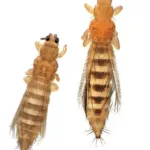 PestOnion thripsThrips tabaci Lindeman
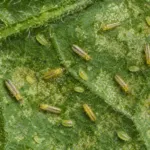 PestMelon thripsThrips palmi Karny
 PestChilli thripsScirtothrips dorsalis Hood
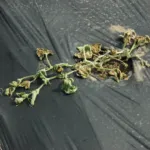 DiseaseBacterial WiltRalstonia solanacearum species complex
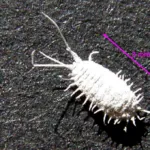 PestObscure mealybugPseudococcus viburni
 DiseaseBacterial Fruit BlotchAcidovorax citrulli
Toxicity and pollen
Alocasia contains insoluble calcium oxalate crystals. Chewing or ingesting plant tissue can cause immediate oral irritation, burning or pain, swelling of the lips, tongue and mouth, drooling, vomiting, and difficulty swallowing. Keep it away from children and pets, wear gloves when handling damaged tissue, and seek medical or veterinary advice after ingestion.
- Typical season
- No dependable United States seasonal exposure period is documented; flowering is uncommon indoors
- Pollination / pollen
- Mostly contained within the aroid inflorescence; airborne release is limited compared with wind-pollinated plants
This plant is an insect-pollinated aroid, and its pollen is generally enclosed within the inflorescence rather than released as a large airborne cloud. However, cultivar-specific allergy studies are unavailable, so a zero-allergy claim would not be justified. People with strong plant allergies should avoid handling flowering structures closely.
Native habitat
The horticultural parentage is associated with humid tropical Southeast Asian and Malesian conditions, including warm understory environments with rich, moisture-retentive but aerated soils. It is adapted to filtered light, high humidity, and protection from drying wind rather than exposed, drought-prone sites.
Interesting fact
The cultivar is sold under several overlapping names because Alocasia plumbea and Alocasia macrorrhizos have a complicated taxonomic history. Its underground corm allows the plant to regrow after foliage loss when kept warm. Like other aroids, its true flowers are packed onto a spadix rather than displayed as separate petals.
Frequently asked questions (FAQ)
The most relevant questions about this plant, with short and direct answers.
🌱Quick care
How do you care for Alocasia 'Plumbea Metallica'?⌄
Give Alocasia 'Plumbea Metallica' bright filtered light, evenly moist but well-drained soil, warmth, and moderate to high humidity. Let excess water drain fully, because consistently soggy soil can cause corm or root rot.
Is Alocasia 'Plumbea Metallica' an indoor or outdoor plant?⌄
Alocasia 'Plumbea Metallica' can grow indoors year-round or outdoors in warm, frost-free climates. In the United States, grow it in a container and bring it indoors before temperatures approach 35°F.
How much light does Alocasia 'Plumbea Metallica' need?⌄
Provide bright filtered light to partial shade. Protect the leaves from harsh afternoon sun, although gentle morning sun or carefully acclimated brighter light may be tolerated.
How often should you water Alocasia 'Plumbea Metallica'?⌄
Water when the surface of the potting mix begins to dry, then drain the excess thoroughly. The plant prefers evenly moist soil, but the roots should not remain saturated or sit in water.
What humidity does Alocasia 'Plumbea Metallica' need?⌄
Moderate to high humidity helps Alocasia 'Plumbea Metallica' maintain healthy foliage, especially indoors during dry heating seasons. Good airflow is still important, and constantly wet leaves or stagnant air can encourage disease.
🌤️Environment and placement
Where should I place Alocasia 'Plumbea Metallica' indoors?⌄
Place it near a bright east- or filtered south-facing window, or a few feet back from a brighter window with sheer protection. Avoid cold drafts, heating vents, and intense direct afternoon sunlight.
Can Alocasia 'Plumbea Metallica' grow in full shade?⌄
It can survive in shade, but very low light may produce slower growth and weaker, less attractive foliage. Bright indirect or filtered light is the better indoor target.
Can Alocasia 'Plumbea Metallica' grow outside in the United States?⌄
It can grow outdoors in warm regions that remain frost-free, especially in USDA Zones 9–11 with suitable protection. Gardeners in colder zones should grow it in a container or lift and store the corm before freezing weather.
What temperature is too cold for Alocasia 'Plumbea Metallica'?⌄
Protect Alocasia 'Plumbea Metallica' when temperatures approach 35°F, because it is frost tender. Chilling can cause leaf damage, dormancy, or decline even before an actual freeze occurs.
How large does Alocasia 'Plumbea Metallica' get?⌄
In favorable tropical conditions, Alocasia 'Plumbea Metallica' can reach roughly 5 to 6 feet tall, with a broad, upright habit. Container-grown plants are often smaller, depending on light, warmth, root space, and nutrition.
💧Care and problems
Why are the leaves of my Alocasia 'Plumbea Metallica' turning yellow?⌄
Yellow leaves commonly indicate overwatering, poor drainage, low light, cold stress, or natural aging of an older leaf. Check the roots and potting mix before watering again, and correct the environmental problem rather than adding more water.
Why does Alocasia 'Plumbea Metallica' have brown leaf edges?⌄
Brown edges usually result from dry soil, low humidity, salt buildup, direct sun, or cold or hot drafts. Keep watering consistent, flush accumulated fertilizer salts occasionally, and move the plant away from stressful exposure.
Why is my Alocasia 'Plumbea Metallica' drooping?⌄
Drooping may mean the plant is too dry, overwatered, chilled, root-damaged, or exposed to insufficient light. Test the soil and inspect the roots, because watering a plant with rotting roots can worsen the problem.
Why does Alocasia 'Plumbea Metallica' lose leaves in winter?⌄
Leaf loss in winter can follow lower light, cooler temperatures, dry indoor air, or a natural slowdown in growth. Keep it warm and moderately bright, reduce watering only as the mix dries more slowly, and avoid keeping the roots wet.
Should I mist Alocasia 'Plumbea Metallica' leaves?⌄
Misting is not necessary for Alocasia 'Plumbea Metallica' and does not reliably raise room humidity. A humidifier, grouped plants, and good airflow are more dependable, while repeatedly wet foliage may increase spotting or fungal problems.
How do I fertilize Alocasia 'Plumbea Metallica'?⌄
Feed during active growth with a balanced, diluted houseplant fertilizer according to the product label. Avoid heavy feeding when the plant is dormant, cold-stressed, or sitting in dry soil, and flush the pot periodically to reduce salt buildup.
What pests attack Alocasia 'Plumbea Metallica'?⌄
Spider mites, thrips, mealybugs, scale, and fungus gnats can affect Alocasia 'Plumbea Metallica', particularly when plants are stressed. Inspect leaf undersides and petioles regularly, isolate affected plants, and use a treatment labeled for the pest and plant.
How can I prevent root rot in Alocasia 'Plumbea Metallica'?⌄
Prevent root rot by using a loose, humus-rich mix with excellent drainage and a pot with drainage holes. Keep the mix evenly moist but never waterlogged, and do not allow the container to stand in a saucer of water.
🪴Planting and repotting
What is the best soil for Alocasia 'Plumbea Metallica'?⌄
Use a loose, humus-rich, well-drained mix that retains some moisture without becoming compacted. A quality indoor potting mix amended with chunky materials such as orchid bark and perlite can provide a suitable balance of moisture and air.
When should I repot Alocasia 'Plumbea Metallica'?⌄
Repot in spring or during active growth when roots fill the container, drainage becomes poor, or the plant dries unusually fast. Move it only one pot size larger, because an oversized container stays wet longer and raises rot risk.
Does Alocasia 'Plumbea Metallica' grow from a bulb?⌄
Alocasia 'Plumbea Metallica' grows from an underground corm or corm-like storage structure rather than a true bulb. The corm produces leaves and can generate offsets under favorable growing conditions.
✂️Propagation and pruning
How do you propagate Alocasia 'Plumbea Metallica'?⌄
The most practical methods are separating offsets or rooting viable cormels produced around the main plant. Propagate during warm, active growth, keep the medium lightly moist, and provide warmth and bright filtered light while new roots and leaves develop.
Can you propagate Alocasia 'Plumbea Metallica' from a leaf cutting?⌄
A leaf cutting alone will not normally produce a complete Alocasia 'Plumbea Metallica' plant because new growth must develop from a corm, cormel, or piece containing a viable growth point. Use offsets or cormels instead.
Should I cut off damaged leaves on Alocasia 'Plumbea Metallica'?⌄
Remove leaves that are fully yellow, dead, or badly damaged, using clean pruners at the base of the petiole. Leave partially green leaves in place because they can still contribute energy to the corm.
⚠️Toxicity and safety
Is Alocasia 'Plumbea Metallica' toxic to cats and dogs?⌄
Yes, Alocasia 'Plumbea Metallica' is toxic because it contains insoluble calcium oxalates. Chewing or swallowing it can cause intense mouth irritation, drooling, vomiting, and difficulty swallowing, so keep it away from pets and children.
What should I do if a pet chews Alocasia 'Plumbea Metallica'?⌄
Remove plant material from the pet’s mouth if safe, avoid inducing vomiting, and contact a veterinarian or animal poison service promptly. Seek urgent care if the pet has swelling, breathing difficulty, repeated vomiting, or trouble swallowing.
Is Alocasia 'Plumbea Metallica' safe to touch?⌄
Routine handling is generally acceptable, but the sap and plant tissue can irritate skin and eyes. Wear gloves when cutting or repotting, wash your hands afterward, and keep plant debris away from children and animals.
🌸Flowering and special interest
Does Alocasia 'Plumbea Metallica' flower?⌄
Yes, mature Alocasia 'Plumbea Metallica' can produce the typical arum-family inflorescence, consisting of a spathe and spadix. Flowers are secondary to its dramatic foliage and may be less frequent indoors or under stressful conditions.
Should I cut off the flower of Alocasia 'Plumbea Metallica'?⌄
You may remove the flower after it appears if your priority is foliage or if the inflorescence is fading. Cutting it is not required, but removing a declining bloom can keep the plant tidier and redirect some resources.
Similar plants
 Azure Monkshood (Aconitum carmichaelii) care guideAconitum carmichaelii
 Monkshood (Aconitum ‘Stainless Steel’)Aconitum 'Stainless Steel'
 Monkshood (Aconitum ‘Bressingham Spire’)Aconitum 'Bressingham Spire'
 Golden full moon maple (Acer shirasawanum ‘Aureum’)Acer shirasawanum 'Aureum'
 Globosum (Acer platanoides ‘Globosum’)Acer platanoides 'Globosum'
 Striped maple (Acer pensylvanicum) care guideAcer pensylvanicum