
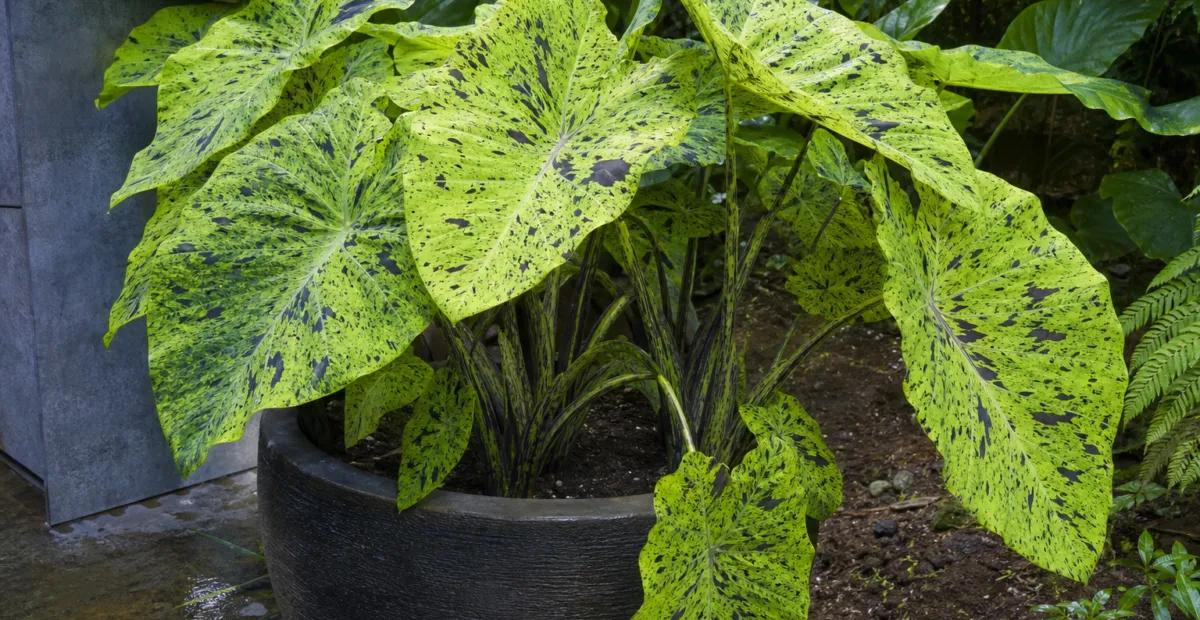
 AI-generated illustration
Mojito elephant ear (Colocasia esculenta ‘Mojito’) short overview
Colocasia esculenta 'Mojito' is a dramatic elephant ear cultivar grown for its enormous, heart-shaped leaves rather than its rarely seen flowers. Lime-green blades carry irregular dark purple to nearly black splashes, while the petioles show contrasting streaks. Give it warmth, shelter from strong wind, rich moisture-retentive soil, and sun to partial shade. In colder parts of the United States, lift and store the corm before frost.
Taxonomic classification
Mojito elephant ear (Colocasia esculenta ‘Mojito’) care guide
Light and placement
Provide full sun to partial shade, with morning or filtered light preferred in hot-summer regions. A site with bright light and afternoon protection helps preserve leaf quality. East-, south-, or west-facing exposures can work if the plant is sheltered from wind. Too little light produces weak, stretched growth and less vivid markings; harsh dry sun can scorch or bleach leaves.
Watering and humidity
Keep the root zone consistently moist during active growth and water deeply when the surface begins to dry, rather than alternating drought with flooding. Container plants may need frequent watering in summer. Reduce watering sharply after foliage dies back for winter storage, but never allow a growing plant to become persistently dry. Humidity is helpful indoors, though air movement is still important.
Soil and growing medium
Use fertile, humus-rich soil or a quality container mix that holds moisture without remaining stagnant. A loam-based or organically enriched medium works well. Good drainage is still important in containers and beds because saturated, cold soil can damage the corm. The species tolerates a broad pH range, from mildly acidic through mildly alkaline.
Feeding
Feed during active growth when the plant is warm and producing leaves. Apply a balanced or slightly nitrogen-forward fertilizer at label strength, or use a controlled-release product in spring and supplement only if growth is pale or weak. Compost can improve fertility. Do not fertilize dormant, chilled, or recently lifted corms.
Growth and habit
This cultivar forms a vigorous upright clump from a tuberous corm and produces large leaves during warm weather. Growth is strongest with consistent moisture and fertility. Strong winds can shred the blades, so a sheltered site reduces cosmetic damage. In cold climates, the top growth dies back after frost and the corm must be protected.
Planting and repotting
Plant outdoors only after the soil has warmed and frost danger has passed, generally in late spring across much of the United States. Set the corm or started plant shallowly, with the crown near the soil surface. Allow about 3–4 feet of room for a mature specimen, and shelter the foliage from strong wind during establishment.
Repot container plants in spring, as growth resumes, using a heavy, stable container with drainage holes. Move up only one pot size unless the corm and root system are clearly crowded. Refresh depleted mix and replant at the same approximate depth; avoid burying the crown deeply.
Propagation and pruning
Propagation
Propagate by dividing offsets or sections of the tuberous corm in spring when active growth is beginning. Use a clean, sharp tool and allow cut surfaces to dry briefly before planting. Keep divisions warm and lightly moist until roots and shoots develop. Seed is not the usual method for preserving this named cultivar.
Pruning
No routine shaping is needed. Remove yellow, torn, or frost-damaged leaves at the base with clean pruners. After frost has killed the foliage, cut back the remaining stems before lifting the corm. Wear gloves because sap may irritate skin and eyes.
Overwintering
In USDA Zones 8–10, corms may sometimes remain outdoors in well-drained soil, but freezing conditions can still cause losses. In colder areas, lift the corm after frost damages the foliage, let it dry briefly, and store it in a cool, dark, dry place above about 45°F. Alternatively, bring a container indoors and keep it warm with reduced watering.
Uses
Use as a bold foliage specimen in large containers, tropical-style borders, rain gardens, and pond or bog margins. It also works as a seasonal indoor plant where bright light and humidity are available. Although the species is an important food crop when properly prepared, this ornamental cultivar should not be eaten; raw tissues are irritating and cultivar-specific food quality is not established.
Appearance
The identification features are enormous peltate, heart-shaped to arrowhead-like leaves with conspicuous veins and irregular lime-green, dark purple, and nearly black markings. Pattern density varies among leaves. Long succulent petioles are green with dark purple longitudinal streaks that may fade toward pink. The upright clump has a distinctly tropical, architectural appearance.
Flowering
This cultivar is primarily valued for foliage and flowers are rarely produced in cultivation. When flowering occurs, it has the typical aroid structure: a small yellowish-white spadix enclosed by a pale spathe, usually concealed among the leaves. Reliable United States flowering months for this cultivar are not established.
Pollination and visitors
The species has biotic pollination, but reliable cultivar-specific records identifying the principal animal visitors to ‘Mojito’ were not found. Because flowers are rarely produced in cultivation, its value should be treated as ornamental foliage rather than as a documented pollinator plant.
Diseases and pests
Diseases
Usually trouble-free, but excessive moisture combined with cool conditions can encourage corm or root rot. Use clean containers, free-draining media, and avoid planting damaged corms. Remove collapsing tissue promptly and improve drainage; discard severely rotted material rather than composting it.
Pests
Watch for aphids, whiteflies, spider mites, thrips, and other sap-feeding insects, particularly indoors or under glass. Inspect leaf undersides regularly, isolate infested containers, wash foliage, and use insecticidal soap according to its label when needed. Avoid drought stress, which can worsen mite problems.
Related diseases and pests
Only Plant Doctor profiles whose host data indicate this plant may be affected are shown here.
 PestOnion thripsThrips tabaci Lindeman
 PestMelon thripsThrips palmi Karny
 PestChilli thripsScirtothrips dorsalis Hood
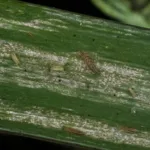 PestDracaena ThripsParthenothrips dracaenae
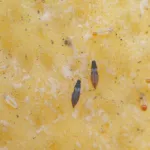 PestGreenhouse thripsHeliothrips haemorrhoidalis
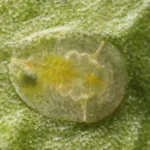 PestCitrus whiteflyDialeurodes citri
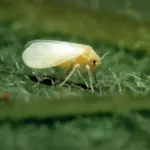 PestSweetpotato whiteflyBemisia tabaci species complex
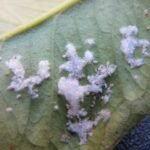 PestWoolly whiteflyAleurothrixus floccosus
Toxicity and pollen
Raw tissues contain irritating calcium oxalate crystals typical of taro and related aroids. Chewing or swallowing can cause burning and irritation of the mouth, throat, and digestive tract; sap may irritate skin and eyes. Wear gloves when cutting or dividing, keep plant material away from children and pets, and seek professional advice after ingestion.
- Pollination / pollen
- Not well documented; pollen is released only when flowering occurs
The plant is an angiosperm and can produce pollen if it flowers, but ‘Mojito’ rarely blooms in cultivation and dependable United States airborne-pollen data specific to this cultivar were not found. Do not assume zero allergy risk; people with known plant allergies should avoid contact with sap and flowering structures.
Native habitat
The species is associated with warm, humid tropical and subtropical environments and naturally favors moist soils, wetlands, stream margins, and other sites with dependable water. ‘Mojito’ itself is a cultivated ornamental of horticultural origin rather than a wild population, and it performs best when warmth and moisture are maintained.
Interesting fact
‘Mojito’ originated as a naturally occurring branch mutation selected in Florida in 2007. Its leaf markings vary from leaf to leaf, so individual plants are visually variable. The cultivar is a sport related to ‘Midnight’ and was protected by a United States plant patent. Large leaves are peltate, with the petiole attached within the blade rather than at its edge.
Frequently asked questions (FAQ)
The most relevant questions about this plant, with short and direct answers.
🌱Quick care
How do you care for Colocasia esculenta 'Mojito'?⌄
Grow Colocasia esculenta 'Mojito' in rich, consistently moist but well-drained soil with full sun to partial shade. Protect it from freezing temperatures, and fertilize regularly during active growth for stronger foliage.
Is Colocasia esculenta 'Mojito' an indoor or outdoor plant?⌄
Colocasia esculenta 'Mojito' can grow indoors or outdoors, but it performs best outdoors during warm weather. Indoors, provide very bright light, high moisture, warmth, and enough space for its large leaves.
How much sun does Mojito elephant ear need?⌄
Mojito elephant ear grows in full sun to partial shade. Give it more shade in hot, dry climates or after moving it outdoors, because intense sunlight combined with dry soil can scorch the leaves.
🌤️Environment and placement
How often should you water Colocasia esculenta 'Mojito'?⌄
Water Colocasia esculenta 'Mojito' whenever the soil surface begins to dry, keeping the root zone consistently moist. It tolerates very wet conditions better than most ornamentals, but stagnant, poorly drained soil can still cause corm rot.
Can Colocasia esculenta 'Mojito' grow in water?⌄
Colocasia esculenta 'Mojito' can grow beside ponds or in very wet soil, and established plants may tolerate shallow standing water. Keep the crown above the waterline and use a container or well-controlled site to reduce rot risk.
What soil is best for Colocasia esculenta 'Mojito'?⌄
Use rich, moisture-retentive soil that still drains freely for Colocasia esculenta 'Mojito'. Compost-enriched loam or a high-quality container mix amended with organic matter works well; avoid extremely dry, sandy soil.
How much space does Mojito elephant ear need?⌄
Allow roughly 3 to 5 feet of growing room for Mojito elephant ear, depending on conditions and container size. Its broad leaves need shelter from strong winds, which can tear or fold the foliage.
💧Care and problems
Why are the leaves on my Colocasia esculenta 'Mojito' turning yellow?⌄
Yellow leaves on Colocasia esculenta 'Mojito' commonly result from cold temperatures, inconsistent watering, aging foliage, or root problems. Check soil moisture and drainage first, then remove only leaves that are fully yellow or collapsing.
Why is my Mojito elephant ear drooping?⌄
Mojito elephant ear may droop from dry soil, cold stress, transplant shock, wind damage, or weakened roots. Water thoroughly if the soil is dry, but do not keep a stressed plant in saturated soil without adequate drainage.
Why are Colocasia esculenta 'Mojito' leaves curling or browning?⌄
Curling or browning leaves usually indicate dry soil, low humidity, direct heat, wind exposure, or root damage. Move container plants away from hot drafts, maintain even moisture, and inspect the roots if symptoms continue despite watering.
Does Colocasia esculenta 'Mojito' need fertilizer?⌄
Yes, Colocasia esculenta 'Mojito' benefits from regular feeding during spring and summer because it grows quickly and produces substantial foliage. Apply a balanced or foliage-oriented fertilizer according to the product label, and reduce feeding when growth slows.
What pests attack Mojito elephant ear?⌄
Mojito elephant ear can attract aphids, spider mites, and whiteflies, especially indoors or in greenhouses. Rinse the foliage, improve air circulation, and treat recurring infestations with an appropriate labeled insecticidal product.
Does Colocasia esculenta 'Mojito' have common diseases?⌄
Colocasia esculenta 'Mojito' is generally trouble-free when grown warmly with adequate drainage. The main risk is corm or root rot caused by persistently stagnant soil, while cold and wind can damage foliage without being diseases.
How do you overwinter Colocasia esculenta 'Mojito' in cold climates?⌄
In areas where the ground freezes, dig the corm after frost damages the foliage, let it dry briefly in a shaded, airy location, and store it in a cool, frost-free place in barely dry packing material. Alternatively, move a container indoors before freezing weather.
Can Colocasia esculenta 'Mojito' survive winter outdoors?⌄
Colocasia esculenta 'Mojito' is frost-tender and cannot reliably survive freezing conditions. It may return outdoors in mild, warm regions with protected drainage, but gardeners in colder USDA zones should overwinter the corm or container indoors.
When should you bring Mojito elephant ear indoors?⌄
Bring Mojito elephant ear indoors before the first freeze or whenever temperatures are forecast to approach freezing. Inspect the plant for pests, place it in bright light, and reduce watering only if growth slows substantially.
🪴Planting and repotting
When should you plant Colocasia esculenta 'Mojito' outdoors?⌄
Plant Colocasia esculenta 'Mojito' outdoors after the danger of frost has passed and the soil is reliably warm, ideally around 65–70°F. In cooler parts of the United States, start the corm indoors several weeks earlier.
How deep should you plant a Mojito elephant ear corm?⌄
Plant a Mojito elephant ear corm about 1 to 2 inches deep, with the growing point facing upward. Keep the medium lightly moist while it sprouts, because Colocasia corms can take several weeks to emerge.
Can Colocasia esculenta 'Mojito' grow in a container?⌄
Colocasia esculenta 'Mojito' grows well in a large, heavy container with drainage holes and rich, moisture-retentive potting mix. Choose a wide pot that will not tip under the weight of the foliage, and expect to repot as the clump expands.
How do you repot Colocasia esculenta 'Mojito'?⌄
Repot Colocasia esculenta 'Mojito' into a container one size larger when roots fill the pot or growth becomes crowded. Water after repotting, keep it in bright shade for several days, and then gradually return it to stronger light.
✂️Propagation and pruning
How do you propagate Colocasia esculenta 'Mojito'?⌄
Propagate Colocasia esculenta 'Mojito' primarily by dividing its corms, rhizomes, or offsets. Separate sections during active growth, making sure each division has a growing point and preferably some roots, then plant them in warm, moist soil.
Can you grow Colocasia esculenta 'Mojito' from a leaf cutting?⌄
No, a leaf cutting by itself will not normally produce a new Colocasia esculenta 'Mojito' plant. Use a rooted offset, corm division, or a tissue-cultured plant instead.
Should you prune Colocasia esculenta 'Mojito'?⌄
Routine pruning is not required for Colocasia esculenta 'Mojito'. Remove damaged, yellow, or frost-killed leaves at the base with clean tools, while leaving healthy foliage in place to support continued growth.
⚠️Toxicity and safety
Is Colocasia esculenta 'Mojito' poisonous?⌄
Yes, Colocasia esculenta 'Mojito' is harmful if eaten because its tissues contain irritating calcium oxalate compounds. Ingestion can cause burning and swelling of the mouth and throat, so keep it away from children and pets.
Can Colocasia esculenta 'Mojito' irritate your skin?⌄
Yes, sap and plant tissues of Colocasia esculenta 'Mojito' can irritate skin and eyes. Wear gloves when planting, dividing, or pruning it, and wash exposed skin and tools after handling.
Can you eat Mojito elephant ear like taro?⌄
Do not eat ornamental Colocasia esculenta 'Mojito' unless a qualified source specifically confirms it is safe and properly prepared. Although the species includes edible taro forms, raw or improperly prepared tissues can be harmful, and ornamental plants may have unknown treatments.
🌸Flowering and special interest
Does Colocasia esculenta 'Mojito' flower?⌄
Colocasia esculenta 'Mojito' can produce small arum-type flowers consisting of a spathe and spadix, but flowering is uncommon in ordinary cultivation. Warm conditions, maturity, and vigorous growth may make blooms more likely.
Why is my Mojito elephant ear not flowering?⌄
A Mojito elephant ear may not flower because it is young, recently divided, growing in cool conditions, or directing energy into foliage and corms. Lack of flowers is normal for this ornamental cultivar and does not usually indicate a problem.
Similar plants
 Azure Monkshood (Aconitum carmichaelii) care guideAconitum carmichaelii
 Monkshood (Aconitum ‘Stainless Steel’)Aconitum 'Stainless Steel'
 Monkshood (Aconitum ‘Bressingham Spire’)Aconitum 'Bressingham Spire'
 Golden full moon maple (Acer shirasawanum ‘Aureum’)Acer shirasawanum 'Aureum'
 Globosum (Acer platanoides ‘Globosum’)Acer platanoides 'Globosum'
 Striped maple (Acer pensylvanicum) care guideAcer pensylvanicum