
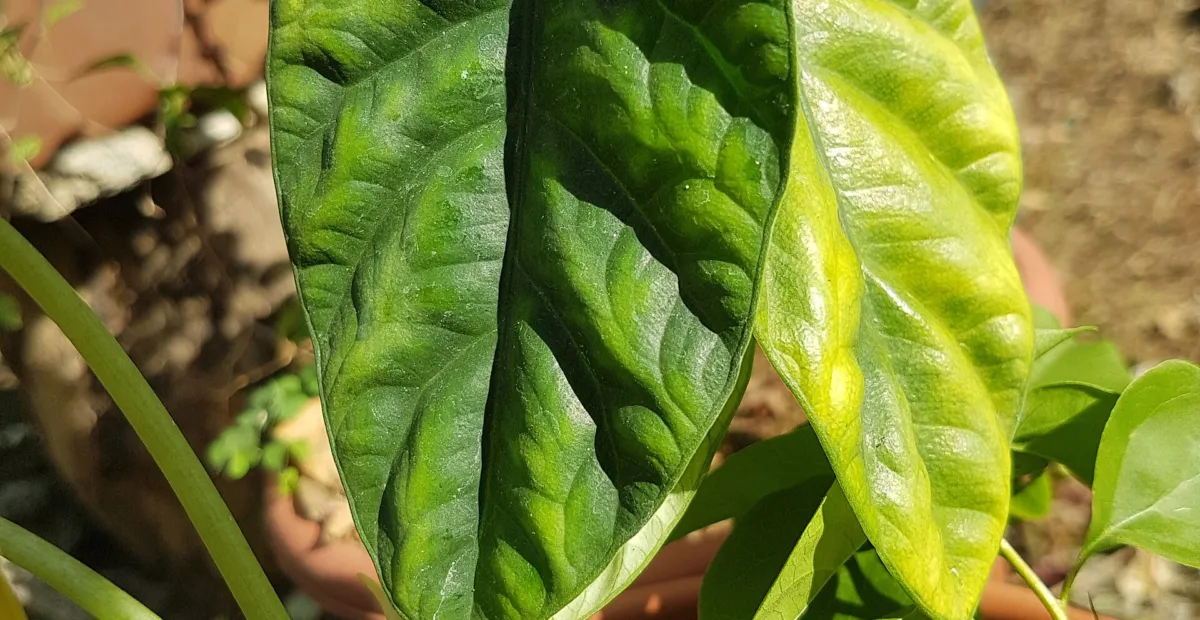
 Source:
 Alocasia sinuata short overview
Alocasia sinuata is a compact Philippine aroid with exceptionally thick, dark green leaves whose raised veins and quilted surface give the plant a sculptural appearance. It is primarily grown as a collector’s houseplant or greenhouse specimen, where warmth, humidity, bright filtered light, and evenly moist but airy soil support steady growth. The species is critically endangered in its native range and contains irritating calcium oxalates if chewed.
Taxonomic classification
Alocasia sinuata care guide
Light and placement
Provide bright filtered light or gentle partial shade. An east-facing window is usually suitable; near a south or west window, use a sheer curtain or place the plant several feet back from the glass. Bleached patches, crisp brown margins, or sudden drooping can indicate excessive sun or heat. Small leaves, long petioles, and slow growth may signal insufficient light.
Watering and humidity
Water thoroughly when the upper 1–2 inches of mix begins to dry, allowing excess water to drain fully. Keep the root zone consistently moist during warm active growth but never leave the pot standing in water. In winter, water less often as light and growth decline, while maintaining enough moisture to prevent prolonged wilting. Humidity is helpful but does not replace good drainage.
Soil and growing medium
Use a loose, chunky aroid mix that drains quickly while retaining some moisture: fine or medium orchid bark, coco coir or peat-free organic material, and perlite or pumice. A slightly acidic to neutral reaction is suitable. Avoid dense garden soil and containers that remain saturated, because compacted wet media can deprive the roots of oxygen.
Feeding
Feed during active growth with a complete balanced houseplant fertilizer diluted to about half the label strength every 3–4 weeks. Apply to already-moist soil and reduce or stop feeding during cool, dark winter conditions or after repotting until new growth resumes. Excess fertilizer can damage roots and leave salts in the mix.
Growth and habit
This is a compact, stem-forming tropical aroid that develops several leaves together and may slowly form a clump. Growth is strongest with warmth, high humidity, bright filtered light, and stable root moisture. Sudden chilling, root disturbance, or prolonged dryness can cause stalled growth or leaf loss.
Planting and repotting
In the United States, grow outdoors only in frost-free conditions or during consistently warm weather. Set the plant at the same depth at which it was growing, leaving the crown uncovered. Allow enough room for the clump to expand without crowding nearby plants.
Repot in spring or early summer only when roots have filled the container or the mix has broken down. Move up one pot size, keep the crown at its original level, and water lightly until recovery begins. Do not disturb healthy roots unnecessarily.
Propagation and pruning
Propagation
Division of established clumps or separation of viable offsets is the most practical home method. Work during active warm-season growth, retain roots on each division where possible, and keep newly separated pieces warm with evenly moist—not saturated—media. Seed propagation requires fresh, viable seed and controlled pollination; dependable household instructions for this species are limited.
Pruning
Remove yellowing or badly damaged leaves at the base with clean, sharp tools. Do not cut healthy leaves merely to control size; removing too much foliage at once can reduce the plant’s energy reserves. Wipe sap from tools and wash hands after pruning because the tissues are irritating if chewed.
Overwintering
Bring outdoors plants inside before nights approach 60°F. Keep the plant warm, away from cold glass and heating vents, and reduce watering when winter light is weak. A grow light can help maintain foliage. Do not expose it to frost; cold, wet media greatly increases the risk of root and crown rot.
Uses
Best used as a collectible indoor foliage plant, terrarium-adjacent specimen where it can reach sufficient size, or warm greenhouse accent. It is not recommended for edible, medicinal, or children’s garden use because Alocasia tissues contain irritating calcium oxalates.
Appearance
The plant has several long, sheathing petioles and compactly arranged leaves. Blades are sagittate to ovate-sagittate, thickly coriaceous, and often strongly bullate, creating a pronounced quilted texture. The upper surface is dark green with conspicuous impressed primary veins, while the underside is paler. Margins may be shallowly sinuate.
Flowering
The inflorescence is a typical aroid structure: a green spathe surrounding a shorter white spadix with separate female and male zones. Flowering is possible on mature, well-established plants but is not the main ornamental feature. A reliable United States flowering calendar for this exact species was not found.
Pollination and visitors
The exact animal pollinators or floral visitors of Alocasia sinuata were not reliably documented in the sources reviewed. Avoid assigning bee, butterfly, or beetle attraction without species-specific evidence.
Alocasia sinuata photos
Click any photo for a larger view. Source, author and license are shown separately.
Diseases and pests
Diseases
The main risks are root or crown rot from persistently saturated media and opportunistic leaf-spot diseases under poor airflow. Use a free-draining mix, empty saucers, keep leaves from staying wet overnight, and isolate plants showing spreading spots. Remove badly damaged tissue with sterilized tools and improve ventilation before considering treatment.
Pests
Spider mites, thrips, mealybugs, and scale can affect stressed plants, especially in dry indoor air. Inspect leaf undersides and petiole bases regularly, isolate affected plants, wash foliage where practical, and use a labeled horticultural oil or insecticidal soap according to its directions. Avoid repeated harsh treatments on tender leaves.
Related diseases and pests
Only Plant Doctor profiles whose host data indicate this plant may be affected are shown here.
 DiseaseAlternaria leaf spot and fruit rotAlternaria alternata
 DiseasePhytophthora root and crown rotPhytophthora nicotianae
 Environmental stressUnderwatering
 PestOnion thripsThrips tabaci Lindeman
 PestMelon thripsThrips palmi Karny
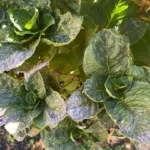 PestChilli thripsScirtothrips dorsalis Hood
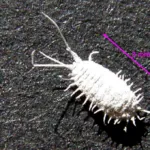 PestObscure mealybugPseudococcus viburni
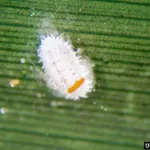 PestCitrus mealybugPlanococcus citri
Toxicity and pollen
Alocasia species contain insoluble calcium oxalate crystals. Chewing or swallowing plant tissue can cause immediate oral pain, burning, drooling, swelling, vomiting, and difficulty swallowing. Wear gloves when handling damaged tissue if sensitive, wash hands afterward, and keep the plant away from children and animals. This species should not be eaten.
- Pollination / pollen
- Internally released spadix pollen; airborne relevance uncertain
Species-specific airborne-pollen and allergy data were not located. The inflorescence produces pollen internally as part of the spadix, but the practical airborne allergy risk for this exact species is uncertain. Keep flowering plants away from people with known plant sensitivities and avoid handling pollen unnecessarily.
Native habitat
The species is endemic to the Philippines and occurs in wet tropical environments. Available botanical descriptions associate it with Philippine forest regions and limestone-related settings, but detailed site-level ecology is limited. In cultivation, its tropical origin translates to warmth, humidity, organic but sharply drained media, and protection from frost.
Interesting fact
Kew records this species as endemic to the Philippines, including Leyte, Mindanao, and Palawan. The species is assessed as critically endangered. Its leaves can be bullate, meaning the surface is raised into a quilt-like relief. The recorded plant is relatively compact, reaching about 35 cm.
Frequently asked questions (FAQ)
The most relevant questions about this plant, with short and direct answers.
🌱Quick care
What is Alocasia sinuata?⌄
Alocasia sinuata is a tropical elephant’s-ear species in the Araceae family, native to the Philippines. It is valued as a houseplant for its thick, deeply quilted leaves.
What light does Alocasia sinuata need?⌄
Give Alocasia sinuata bright, filtered light or partial shade. Protect it from intense direct afternoon sun, which can scorch or fade the leaves.
How often should I water Alocasia sinuata?⌄
Water Alocasia sinuata when the top inch of potting mix begins to dry, keeping the root zone evenly moist. Do not let the pot sit in water or remain constantly soggy.
What is the best soil for Alocasia sinuata?⌄
Use a loose, organic, sharply draining aroid mix containing materials such as coco coir or peat, orchid bark, and perlite. The mix should hold some moisture while allowing excess water to drain quickly.
Is Alocasia sinuata easy to grow indoors?⌄
Alocasia sinuata can grow well indoors when it receives warm temperatures, bright filtered light, steady moisture, and good humidity. It is less forgiving of cold, drought, and waterlogged soil than many beginner houseplants.
🌤️Environment and placement
Where should I place Alocasia sinuata indoors?⌄
Place Alocasia sinuata near an east- or bright north-facing window, or several feet from a brighter south- or west-facing window with filtered light. Keep it away from heating vents, air conditioners, and cold drafts.
How much humidity does Alocasia sinuata need?⌄
Alocasia sinuata prefers moderate to high humidity, ideally around 50% or higher. Use a humidifier or group plants together if indoor air is especially dry, but maintain airflow to reduce disease risk.
What temperature is best for Alocasia sinuata?⌄
Keep Alocasia sinuata warm, preferably between 65 and 85°F. Protect it from temperatures below about 60°F, sudden chills, and frost.
Can Alocasia sinuata grow outdoors in the United States?⌄
Alocasia sinuata can grow outdoors year-round only in warm, frost-free parts of the United States, such as suitable locations in USDA Zones 10–11. In cooler areas, grow it in a container and bring it indoors before temperatures fall.
Can Alocasia sinuata tolerate direct sunlight?⌄
Alocasia sinuata tolerates gentle morning sun, but bright filtered light is safer for preserving its foliage. Strong midday or afternoon sun may cause leaf scorch, especially behind glass.
💧Care and problems
Why are the leaves of my Alocasia sinuata turning yellow?⌄
Yellow leaves on Alocasia sinuata are commonly caused by overwatering, poor drainage, or natural aging of an older leaf. Check the roots and soil moisture before watering again, and remove leaves that are fully yellow.
Why is my Alocasia sinuata drooping?⌄
Alocasia sinuata may droop because the soil is too dry, the roots are stressed by excess moisture, the plant is cold, or it has recently been moved. Check the potting mix and roots, then correct the underlying condition rather than watering automatically.
Why are Alocasia sinuata leaves curling?⌄
Curling leaves usually indicate dry soil, low humidity, excessive light, cold stress, or pests. Inspect the undersides of the leaves and stabilize moisture, humidity, temperature, and light.
Why are the leaves of Alocasia sinuata developing brown edges?⌄
Brown edges can result from low humidity, inconsistent watering, fertilizer buildup, or too much direct sun. Maintain more consistent moisture, flush accumulated salts occasionally, and move the plant away from harsh sunlight.
Why is my Alocasia sinuata losing leaves?⌄
Leaf loss can follow cold exposure, root damage, drought, relocation, or a seasonal slowdown. Keep the plant warm and evenly moist, and check for rotten roots if the soil stays wet for a long time.
How often should I fertilize Alocasia sinuata?⌄
Fertilize Alocasia sinuata lightly every 4–6 weeks during active growth with a balanced, diluted houseplant fertilizer. Reduce or stop feeding during slow winter growth or when the plant is stressed.
Does Alocasia sinuata go dormant?⌄
Alocasia sinuata may slow down or temporarily lose foliage when light, temperature, or moisture drops, although indoor plants do not always show a full dormancy. Keep dormant plants warm and water less frequently without allowing the corm or roots to become bone-dry.
What pests attack Alocasia sinuata?⌄
Spider mites, thrips, mealybugs, and scale can attack Alocasia sinuata, especially when conditions are dry or the plant is stressed. Inspect new growth and leaf undersides regularly and treat infestations promptly with an appropriate houseplant pesticide or insecticidal product.
How can I prevent root rot in Alocasia sinuata?⌄
Prevent root rot by using a draining pot and airy soil, watering only when the surface begins to dry, and emptying any saucer after watering. If roots are brown and mushy, trim damaged tissue and repot into fresh, well-drained mix.
🪴Planting and repotting
Does Alocasia sinuata need a drainage hole?⌄
Yes, Alocasia sinuata should be planted in a container with drainage holes. A decorative cachepot may be used, but excess water must be poured out after watering.
When should I repot Alocasia sinuata?⌄
Repot Alocasia sinuata when roots fill the container, drainage becomes poor, or the potting mix breaks down, usually during active spring or summer growth. Move it into a pot only one size larger to limit excess moisture.
How do I repot Alocasia sinuata?⌄
Gently remove the plant, inspect and trim rotten roots, and place it at the same depth in fresh, airy aroid mix. Water lightly after repotting and keep it warm with bright filtered light while it re-establishes.
Can Alocasia sinuata be grown in a self-watering pot?⌄
Alocasia sinuata can grow in a self-watering setup if the medium is very airy and the reservoir is managed carefully. Avoid keeping the root zone saturated, particularly during cool or low-light periods.
✂️Propagation and pruning
How do you propagate Alocasia sinuata?⌄
The most practical methods are separating offsets or growing small corms produced by a mature plant. Propagation is most successful in warm, bright conditions during active growth.
Can Alocasia sinuata be propagated from a leaf cutting?⌄
A leaf or leaf petiole alone will not normally produce a new Alocasia sinuata plant because it lacks a growth point. Propagation material must include a viable corm, offset, or stem tissue with a growth node.
How do I grow Alocasia sinuata corms?⌄
Place healthy corms in a lightly moist, airy medium with the growing point oriented upward, then provide warmth, humidity, and bright filtered light. Keep the medium damp rather than wet until roots and a shoot develop.
Can Alocasia sinuata be propagated in water?⌄
A corm or suitable nodal section may begin rooting in water, but it must not be submerged completely and should be transferred to an airy medium after roots develop. Ordinary leaf cuttings without a growth point will not produce a new plant.
Should I prune Alocasia sinuata?⌄
Prune Alocasia sinuata only to remove fully yellow, brown, damaged, or diseased leaves. Cut the leaf stalk near its base with clean tools, and avoid removing healthy leaves unnecessarily.
⚠️Toxicity and safety
Is Alocasia sinuata toxic to cats and dogs?⌄
Yes, Alocasia sinuata should be considered toxic to cats and dogs if chewed or eaten. Keep it out of reach and contact a veterinarian promptly if a pet bites the plant and develops mouth irritation, drooling, vomiting, or difficulty swallowing.
Is Alocasia sinuata poisonous to humans?⌄
Alocasia sinuata is toxic if chewed or ingested because its tissues contain irritating calcium oxalate crystals. Keep it away from children, avoid contact with sap, and seek medical advice if symptoms occur.
🌸Flowering and special interest
Does Alocasia sinuata flower indoors?⌄
Yes, mature Alocasia sinuata plants can produce the small, hooded inflorescences typical of aroids, although flowering indoors is not guaranteed. Good warmth, light, nutrition, and maturity improve the chances.
Should I cut off an Alocasia sinuata flower?⌄
You may remove an Alocasia sinuata flower if the plant is small or stressed, but it is not required. Leave it in place if you want to observe flowering, and remove it after it fades if the plant begins to decline.
Similar plants
 Azure Monkshood (Aconitum carmichaelii) care guideAconitum carmichaelii
 Monkshood (Aconitum ‘Stainless Steel’)Aconitum 'Stainless Steel'
 Monkshood (Aconitum ‘Bressingham Spire’)Aconitum 'Bressingham Spire'
 Golden full moon maple (Acer shirasawanum ‘Aureum’)Acer shirasawanum 'Aureum'
 Globosum (Acer platanoides ‘Globosum’)Acer platanoides 'Globosum'
 Striped maple (Acer pensylvanicum) care guideAcer pensylvanicum