
 Source:
 Alocasia sarawakensis short overview
Alocasia sarawakensis is a tender Bornean elephant ear prized for glossy, arrow-shaped foliage, speckled upright stems and strong tropical presence. Grow it in bright filtered light, warm temperatures, high humidity and a moist but well-drained mix. It is suitable for containers, conservatories and indoor collections, but all parts should be kept away from children and pets because Alocasia tissues contain irritating calcium oxalates.
Taxonomic classification
Alocasia sarawakensis care guide
Light and placement
Provide bright filtered or indirect light, ideally near an east- or west-facing window with a sheer curtain, or in a sheltered bright greenhouse position. Gentle morning or late-day sun is usually acceptable, but harsh midday rays can scorch leaves. Too little light produces stretched growth, smaller leaves and slower drying; excessive light causes bleaching, crisp margins and scorch.
Watering and humidity
Water thoroughly when the surface begins to dry, then allow excess water to drain fully. Keep the mix evenly moist during active growth without leaving the pot standing in water. Reduce frequency in winter, especially in cooler rooms, but do not let the rhizome remain bone-dry for long periods. High humidity helps prevent crispy margins and spider mites but does not replace good drainage.
Soil and growing medium
Use a chunky, airy, peat-free mix that holds even moisture without staying saturated. A combination of quality potting mix, fine bark, perlite and a little compost works well. Good drainage is essential around the rhizome. Neutral to mildly alkaline conditions are tolerated, although the plant is generally adaptable in a fertile organic substrate.
Feeding
Feed during active spring and summer growth with a balanced liquid houseplant fertilizer diluted to about half the label strength every 2–3 weeks. Water first if the root ball is dry. Reduce or stop feeding in winter, during cool conditions, or whenever growth has stalled; excess fertilizer can damage roots and leave salt buildup.
Growth and habit
A warm-growing, evergreen rhizomatous plant that forms a substantial upright clump. Growth is strongest with steady moisture, warmth and high humidity. Dry air, cold temperatures or root disturbance can pause leaf production. Remove declining leaves at the base and rotate containers periodically for balanced growth.
Planting and repotting
Plant outdoors only after nights stay consistently warm and all frost danger has passed. Set the root mass level with the surrounding soil, or keep the rhizome crown slightly raised in heavy soil. Space plants about 3–5 feet apart where they can develop a broad clump. Establish with steady moisture and shelter from drying wind.
Repot in spring or early summer when roots fill the container or the mix breaks down. Move up only one pot size, handle the rhizome gently and keep the crown at its original depth. Resume regular watering gradually after transplanting rather than leaving the newly disturbed roots waterlogged.
Propagation and pruning
Propagation
Divide established clumps in spring or early summer, ensuring each division has viable roots and a growing point. Stem cuttings may also be used in spring, but success depends on viable nodes and warm, humid propagation conditions. Keep newly propagated pieces warm, lightly moist and out of direct sun until rooted.
Pruning
No routine shaping is needed. Remove yellowing, damaged or diseased leaves at the base with clean shears. Wipe sap from tools and wear gloves because the tissues can irritate skin. Do not cut healthy leaves merely to reduce size; the plant relies on its foliage for continued growth.
Overwintering
Treat it as a houseplant or greenhouse specimen outside USDA Zones 11–12. Bring containers indoors before temperatures fall below about 54°F. Place it in bright filtered light, keep away from heaters and cold glass, reduce watering as growth slows and maintain moderate-to-high humidity. Do not expose the rhizome to frost.
Uses
Primarily grown as a large-leaved ornamental for warm patios, conservatories, greenhouses and indoor collections. It provides architectural foliage and a strong tropical accent in containers. It is not recommended as a food plant, and no medicinal use should be assumed. Keep display plants inaccessible to children and pets.
Appearance
The plant has glossy green leaves shaped from heart-like to arrow-like, with lightly wavy margins and a bold tropical silhouette. Leaves may reach roughly 3 feet long under strong growing conditions. Upright stems are characteristically speckled, and young leaves can be hairy on the undersides. Mature plants form a dense, clump-forming display.
Flowering
The inflorescence is a typical aroid structure: a spadix enclosed by a spathe, with female flowers below male flowers. Individual flowering cycles can last about 48 hours. Mature plants may flower in warm, humid conditions, but flowering is uncommon in ordinary indoor culture. The spathe may show pale or white coloring with reddish markings.
Pollination and visitors
A field study in Sabah documented small flies visiting the inflorescences, including drosophilid flies. Visitors entered the chamber-like spathe, contacted receptive female flowers and later encountered pollen during the male phase. No specific pollinator species was confirmed strongly enough for a Latin species entry.
Alocasia sarawakensis photos
Click any photo for a larger view. Source, author and license are shown separately.
Diseases and pests
Diseases
Usually trouble-free when air circulation and drainage are good. Watch for soft rhizome rot, leaf spotting or collapse associated with cold, stagnant, overly wet conditions. Remove affected tissue with sterile tools, improve drainage and isolate symptomatic plants. Avoid wetting foliage late in the day and discard badly rotted potting media.
Pests
Red spider mites and mealybugs may occur, especially in dry indoor air. Inspect leaf undersides and stem bases regularly. Improve humidity and rinse foliage when appropriate; remove small infestations with a cotton swab or insecticidal soap labeled for houseplants. Repeat treatments as directed and avoid treating a drought-stressed plant.
Related diseases and pests
Only Plant Doctor profiles whose host data indicate this plant may be affected are shown here.
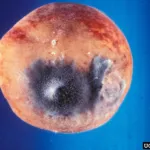 DiseaseRhizopus soft rotRhizopus stolonifer
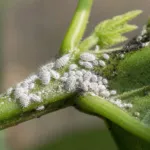 PestCotton mealybugPhenacoccus solenopsis Tinsley
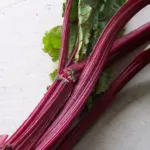 DiseaseBacterial soft rotPectobacterium carotovorum
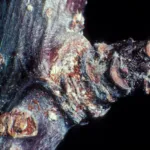 PestEuropean red mitePanonychus ulmi
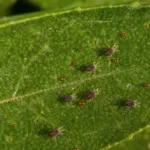 PestCitrus red mitePanonychus citri
 DiseaseRhizoctonia DiseasesRhizoctonia solani Kühn
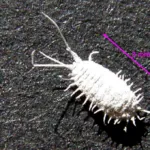 PestObscure mealybugPseudococcus viburni
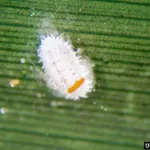 PestCitrus mealybugPlanococcus citri
Toxicity and pollen
Alocasia tissues contain insoluble calcium oxalate crystals that can cause immediate mouth, tongue and throat irritation if chewed, along with drooling, swelling, vomiting or difficulty swallowing. Sap may irritate skin and eyes. Wear gloves when cutting damaged tissue and keep the plant away from children and animals. Species-specific clinical data are limited, so the genus-level warning is the appropriate precaution.
- Pollination / pollen
- Limited-release pollen within an enclosed aroid inflorescence
This is an insect-pollinated flowering aroid, but reliable species-specific evidence for airborne allergy risk in the United States is lacking. Its enclosed inflorescence and limited indoor flowering make substantial airborne pollen exposure unlikely, though not impossible. People with sensitivities should avoid handling inflorescences closely and improve ventilation when flowering occurs indoors.
Native habitat
Native to Borneo and associated with wet tropical environments. Field observations in Sabah recorded it in very wet roadside drainage channels and beside a stream within lowland rainforest. This ecology explains its preference for warmth, high humidity, organic soil and reliable moisture, while good container drainage remains important in cultivation.
Interesting fact
This species is accepted as Alocasia sarawakensis M.Hotta and is native to Borneo. Field observations found plants growing in very wet drainage channels and beside a stream in lowland rainforest. Its inflorescence has a specialized chamber-like spathe and a short reproductive cycle. Small flies, including drosophilids, were documented as floral visitors and pollination agents in Sabah.
Frequently asked questions (FAQ)
The most relevant questions about this plant, with short and direct answers.
🌱Quick care
How do you care for Alocasia sarawakensis indoors?⌄
Give Alocasia sarawakensis bright filtered light, evenly moist but well-drained soil, warmth above 54°F, and moderate to high humidity. Water thoroughly when the surface begins to dry, but never leave the pot standing in water.
Is Alocasia sarawakensis easy to grow as a houseplant?⌄
Alocasia sarawakensis is manageable indoors but can be demanding because it needs stable warmth, consistent moisture, bright light, and good drainage. Cold temperatures, dry air, or soggy soil commonly cause setbacks.
What is Alocasia sarawakensis commonly called in the United States?⌄
No verified local common name is established for the species, so it is best identified as Alocasia sarawakensis. Some nurseries may sell the cultivar Alocasia sarawakensis ‘Yucatan Princess’ under the broader group name elephant ears.
How big does Alocasia sarawakensis get?⌄
Alocasia sarawakensis is a large, clump-forming tropical plant that can outgrow a typical shelf or small windowsill. Its mature size varies with the clone and growing conditions, so allow substantial vertical and horizontal space.
🌤️Environment and placement
How much light does Alocasia sarawakensis need?⌄
Provide bright filtered or indirect light, such as near an east- or bright north-facing window or several feet from a stronger south- or west-facing window. Protect the leaves from harsh midday sun, which can scorch them.
Can Alocasia sarawakensis grow in low light?⌄
Alocasia sarawakensis may survive in lower light, but it is unlikely to grow vigorously or maintain strong foliage there. Move it gradually to brighter filtered light if growth is weak or stems become stretched.
Can Alocasia sarawakensis grow outdoors in the United States?⌄
It can grow outdoors during warm weather in frost-free locations or as a seasonal patio plant, provided it receives filtered light and consistent moisture. Bring it indoors before temperatures approach 54°F, especially during cold nights.
What USDA zones can grow Alocasia sarawakensis outside year-round?⌄
Alocasia sarawakensis is best treated as a tender tropical plant in the United States rather than a reliably hardy perennial. Year-round outdoor culture is generally limited to warm, frost-free climates, while colder areas should grow it in containers and overwinter it indoors.
Does Alocasia sarawakensis need high humidity?⌄
Higher humidity supports healthier leaves and steadier growth, especially in heated or air-conditioned homes. A humidifier or a naturally humid room is more reliable than occasional misting, but keep air moving to reduce disease risk.
What temperature is best for Alocasia sarawakensis?⌄
Keep Alocasia sarawakensis warm, ideally in normal indoor temperatures, and never allow it to remain below 54°F. Avoid cold drafts, chilled windows, and sudden temperature changes because they can trigger leaf loss or dormancy.
💧Care and problems
How often should you water Alocasia sarawakensis?⌄
Water when the upper layer of the mix has begun to dry, then let excess water drain completely. The exact schedule depends on light, temperature, pot size, and season; reduce watering during slow winter growth without allowing the root ball to become bone-dry.
Should Alocasia sarawakensis soil stay wet?⌄
The soil should remain evenly moist but not waterlogged. Constant saturation deprives the roots of oxygen and increases the risk of root rot, so use a drainage hole and do not let the container sit in runoff.
Why are the leaves of my Alocasia sarawakensis turning yellow?⌄
Yellow leaves most often indicate excess moisture, poor drainage, cold stress, low light, or normal replacement of an older leaf. Check the roots and soil before watering again, and correct the growing conditions rather than following a fixed schedule.
Why is my Alocasia sarawakensis drooping?⌄
Drooping can result from underwatering, root damage from soggy soil, cold temperatures, transplant shock, or insufficient light. Inspect the mix and roots, then provide warmth and stable moisture while avoiding repeated overwatering.
Why is Alocasia sarawakensis losing leaves?⌄
Leaf loss commonly follows cold exposure, a sharp change in light or humidity, overwatering-related root damage, or seasonal dormancy. If the corm or rhizome remains firm and healthy, maintain warmth and careful watering because regrowth may be possible.
What fertilizer does Alocasia sarawakensis need?⌄
Feed actively growing plants with a balanced liquid houseplant fertilizer diluted according to its label, typically every two to three weeks during spring and summer. Do not fertilize heavily when growth slows or the soil is dry.
What pests affect Alocasia sarawakensis?⌄
Alocasia sarawakensis may attract spider mites, mealybugs, scale, and other sap-feeding pests, particularly in dry indoor air. Inspect leaf undersides and petioles regularly and isolate affected plants while treating promptly with a labeled houseplant product.
How do you prevent root rot in Alocasia sarawakensis?⌄
Prevent root rot with an airy, well-drained mix, a pot with drainage holes, and watering based on soil moisture rather than a calendar. Empty saucers and cachepots after watering, and reduce irrigation when light and temperatures fall.
🪴Planting and repotting
What soil is best for Alocasia sarawakensis?⌄
Use a moist but well-drained loam or sandy organic mix that retains some moisture while allowing air around the roots. A peat-free houseplant mix amended with materials such as bark, perlite, or coarse mineral grit can improve drainage.
When should you repot Alocasia sarawakensis?⌄
Repot in spring or early summer when the plant is actively growing, especially if roots circle the pot, drainage has declined, or growth has stalled. Move it only one pot size larger to avoid keeping excess soil wet.
How do you repot Alocasia sarawakensis without causing shock?⌄
Repot it into fresh, well-drained mix at the same depth, disturbing the roots as little as practical. Water lightly after repotting, keep the plant warm in filtered light, and avoid fertilizer until new growth resumes.
✂️Propagation and pruning
How do you propagate Alocasia sarawakensis?⌄
The most dependable home method is division of offsets or clumping growth when the plant is actively growing. Separate sections only when each has viable roots and a growing point, then pot them in a moist, airy mix.
Can you propagate Alocasia sarawakensis from a leaf or petiole cutting?⌄
A single leaf or petiole generally cannot produce a new Alocasia sarawakensis plant because it lacks the necessary growing tissue. Propagation requires a division, offset, corm, or another section containing a viable bud.
Can Alocasia sarawakensis be grown from corms?⌄
Alocasia sarawakensis can be propagated from viable corms, although success depends on having a healthy corm with a growing point and maintaining warmth, moisture, and humidity. Keep the developing corm in a lightly moist, airy medium rather than saturated soil.
Does Alocasia sarawakensis need pruning?⌄
Routine pruning is not required. Remove only yellow, damaged, or fully spent leaves with clean tools, cutting the petiole near its base without injuring the central growing point.
⚠️Toxicity and safety
Is Alocasia sarawakensis toxic to cats and dogs?⌄
Yes, Alocasia sarawakensis is toxic if eaten and may also irritate the skin and eyes; it should be kept away from cats, dogs, and children. Its tissues contain irritating calcium oxalate crystals, so contact and ingestion should be avoided.
What should you do if a pet eats Alocasia sarawakensis?⌄
Contact a veterinarian or a pet poison service promptly if a pet chews or swallows Alocasia sarawakensis. Keep the plant label or a photograph available, and seek urgent care for swelling, drooling, vomiting, breathing difficulty, or trouble swallowing.
Should you wear gloves when handling Alocasia sarawakensis?⌄
Wear gloves when cutting, repotting, or propagating Alocasia sarawakensis because its sap can irritate skin and eyes. Wash your hands and tools afterward, and avoid touching your face while handling the plant.
🌸Flowering and special interest
Does Alocasia sarawakensis flower indoors?⌄
Alocasia sarawakensis can flower indoors when mature and growing strongly, but its flowers are usually inconspicuous compared with its foliage. Flowering is more likely under warm, bright, humid conditions and is not guaranteed in a household setting.
What does an Alocasia sarawakensis flower look like?⌄
Its inflorescence is a typical aroid structure consisting of a spathe surrounding a spadix, rather than a showy multi-petaled flower. In favorable conditions, the inflorescence may be followed by orange-red fruits, although indoor fruiting is uncommon.
Similar plants
 Azure Monkshood (Aconitum carmichaelii) care guideAconitum carmichaelii
 Monkshood (Aconitum ‘Stainless Steel’)Aconitum 'Stainless Steel'
 Monkshood (Aconitum ‘Bressingham Spire’)Aconitum 'Bressingham Spire'
 Golden full moon maple (Acer shirasawanum ‘Aureum’)Acer shirasawanum 'Aureum'
 Globosum (Acer platanoides ‘Globosum’)Acer platanoides 'Globosum'
 Striped maple (Acer pensylvanicum) care guideAcer pensylvanicum