
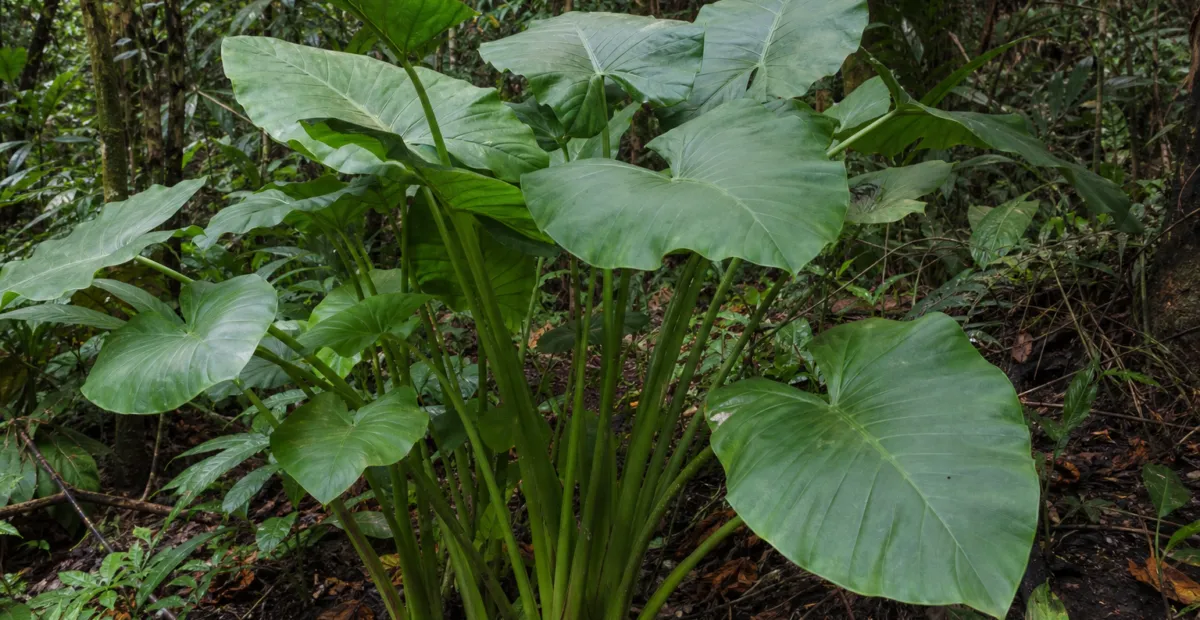
 AI-generated illustration
Alocasia alba short overview
Alocasia alba is an accepted tropical aroid native to Sumatra, Java, and the Lesser Sunda Islands. Its elephant-ear foliage suits warm, humid indoor spaces, shaded patios, and protected containers in the United States. Keep the root zone evenly moist but airy, provide bright filtered light, and avoid temperatures near freezing. Species-specific horticultural information is limited, so mature size, bloom timing, and pollinator records should be treated as uncertain.
Taxonomic classification
Alocasia alba care guide
Light and placement
Provide bright filtered light or gentle partial shade. Indoors, an east- or north-facing window, or a brighter window screened by a sheer curtain, is usually appropriate; avoid intense unfiltered midday and afternoon sun, which can scorch leaves. Long, weak petioles, small new leaves, and slow growth suggest insufficient light, while bleached patches, crispy margins, or curling can indicate excessive light or heat.
Watering and humidity
Water thoroughly when the upper inch of mix begins to dry, then let excess drain completely. Keep the root zone consistently moist during warm active growth without leaving the pot standing in water. Water less often during cool or dim periods, but do not allow the corm to remain bone dry for extended periods. High humidity helps reduce leaf-edge browning, especially indoors.
Soil and growing medium
Use a loose, organic-rich aroid mix that holds moisture without staying saturated. A combination of quality potting mix, fine bark, and perlite or another coarse aeration material is suitable for containers. Slightly acidic to neutral conditions are appropriate. Avoid dense, poorly drained soil, which can quickly lead to root decline.
Feeding
Feed during active growth with a complete balanced houseplant fertilizer diluted to about one-quarter to one-half of the label strength every 2–4 weeks. Water the plant first if the mix is dry. Reduce or stop feeding during cool, dim winter conditions or whenever growth pauses, because unused salts can accumulate around the roots.
Growth and habit
This is a tropical, herbaceous, corm-forming aroid that develops a clump of long-petioled leaves. Growth is strongest with warmth, high humidity, bright filtered light, and steady moisture. Cold, drought, root damage, or low light may cause stalled growth and leaf loss. Remove declining leaves at the base rather than cutting healthy foliage unnecessarily.
Planting and repotting
Plant outdoors only in frost-free conditions, after nights remain consistently warm. Set the rootstock at the same depth at which it was previously growing; do not bury the crown deeply. Space plants according to their eventual spread, but exact species-specific spacing is not well documented. Establish gradually with steady moisture and filtered shade.
Repot in spring or early summer when roots fill the container or the mix breaks down. Move up only one pot size and disturb the corm and roots as little as practical. Ensure generous drainage holes and allow excess water to escape fully.
Propagation and pruning
Propagation
Propagation is most practical by separating offsets or dividing established clumps during active growth. Keep a viable growing point and some roots with each division, then pot into a free-draining moist mix and maintain warmth. Seed propagation is possible in principle but species-specific availability, viability, and germination guidance are poorly documented.
Pruning
Remove yellowing, badly damaged, or diseased leaves by cutting the petiole close to the base with a clean blade. Avoid heavy cutting-back while the plant is actively producing new leaves. Wear gloves because the sap may irritate skin, and discard trimmings away from pets and children.
Overwintering
Bring containers indoors before nighttime temperatures approach 55°F. Keep the plant warm, away from drafts and heating vents, and reduce watering when light and growth decline. In frost-free climates, provide protection from cold snaps and saturated winter soil. Do not expose the plant to freezing temperatures.
Uses
Primarily an ornamental foliage plant for warm indoor collections, conservatories, greenhouses, shaded tropical gardens, and protected containers. It should not be recommended as an edible plant because raw Alocasia tissues may contain irritating calcium oxalate crystals, and species-specific food-processing evidence for A. alba is insufficient.
Appearance
Alocasia alba has the characteristic architectural appearance of an elephant ear: large sagittate to shield-like leaves carried on long petioles from a short underground stem or corm. The foliage is generally green rather than strongly patterned, but reliable species-level descriptions of leaf dimensions, venation, and surface texture are limited. Identification should rely on botanical material rather than generic nursery labels.
Flowering
Alocasia produces a typical aroid inflorescence consisting of a spathe surrounding a spadix, but species-specific flowering frequency and timing for A. alba are poorly documented in accessible horticultural sources. Flowering is more likely on mature, vigorously growing plants kept warm and humid. The inflorescence is not a showy conventional flower display.
Pollination and visitors
No reliable species-specific pollinator record was located. Alocasia inflorescences in the genus can be associated with small insects, but a visitor group should not be assigned to A. alba without direct documentation.
Diseases and pests
Diseases
Prevent disease by using clean tools, avoiding persistently waterlogged media, and providing air movement around the foliage. Root or corm rot is the main concern when conditions stay cold and wet. Remove damaged tissue, correct drainage and watering, and isolate plants showing soft, collapsing stems or spreading leaf lesions.
Pests
Inspect undersides of leaves for spider mites, thrips, mealybugs, and scale. Dry air and water stress can increase mite problems. Rinse foliage periodically, improve humidity and air circulation, and isolate affected plants. Use insecticidal soap or horticultural oil only according to the product label and after testing sensitive foliage.
Related diseases and pests
Only Plant Doctor profiles whose host data indicate this plant may be affected are shown here.
 DiseaseRhizopus soft rotRhizopus stolonifer
 DiseaseBacterial soft rotPectobacterium carotovorum
 Environmental stressWaterlogging
 PestOnion thripsThrips tabaci Lindeman
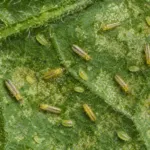 PestMelon thripsThrips palmi Karny
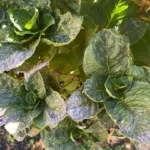 PestChilli thripsScirtothrips dorsalis Hood
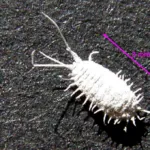 PestObscure mealybugPseudococcus viburni
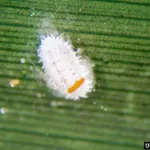 PestCitrus mealybugPlanococcus citri
Toxicity and pollen
Alocasia plants are treated as toxic because their tissues commonly contain insoluble calcium oxalate crystals, which can cause immediate mouth and throat irritation, burning, drooling, swelling, vomiting, or difficulty swallowing if chewed. Species-specific clinical records for A. alba are limited, so handle it under the established Alocasia genus precaution. Keep away from children and pets; seek urgent medical or veterinary advice after significant exposure or breathing difficulty.
- Pollination / pollen
- Species-specific dispersal information unavailable
A. alba is a flowering seed plant and therefore produces pollen, but reliable species-specific data on airborne pollen release, quantity, season, and allergy sensitization were not located. Do not assume zero allergy risk solely because Alocasia flowers are generally associated with animal pollination. Avoid handling inflorescences if they provoke symptoms and consult a clinician for persistent reactions.
Native habitat
Kew records the species from Sumatra, Java, and the Lesser Sunda Islands, where it is associated with wet tropical conditions. The natural setting is consistent with warm, humid environments and soils that remain moist but permit aeration. Its distribution does not support outdoor year-round cultivation in most of the continental United States.
Interesting fact
Kew recognizes Alocasia alba as an accepted species rather than a synonym.
Its native range extends from Sumatra and Java to the Lesser Sunda Islands.
The species belongs to the arum family, Araceae.
It grows primarily in wet tropical biome conditions.
Several historical names are listed as heterotypic synonyms.
Frequently asked questions (FAQ)
The most relevant questions about this plant, with short and direct answers.
🌱Quick care
What is Alocasia alba?⌄
Alocasia alba is an accepted species in the elephant’s-ears genus Alocasia and the arum family, Araceae. It is native to wet tropical areas of Sumatra, Java, and the Lesser Sunda Islands.
Is Alocasia alba easy to grow indoors?⌄
Alocasia alba can grow indoors when kept warm, bright, and evenly moist, but it is less forgiving of cold, stagnant soil, and inconsistent watering than many common houseplants.
🌤️Environment and placement
How much light does Alocasia alba need?⌄
Give Alocasia alba bright filtered light or partial shade. Protect it from intense, direct afternoon sun, which can scorch the foliage, while avoiding deep shade that causes weak growth.
Can Alocasia alba grow in low light?⌄
Alocasia alba may survive in low light, but it generally grows slowly and produces weaker foliage there. Move it closer to a bright window or supplement with a grow light if growth declines.
What temperature is best for Alocasia alba?⌄
Keep Alocasia alba warm and protect it from frost and cold drafts. Bring outdoor plants indoors before temperatures approach the 50s°F, because chilling can cause stress, leaf loss, or rot.
Does Alocasia alba need high humidity?⌄
Alocasia alba prefers moderate to high humidity, especially in heated or air-conditioned homes. Good airflow is also important because constantly wet leaves and stagnant air can encourage disease.
💧Care and problems
How often should I water Alocasia alba?⌄
Water Alocasia alba when the upper layer of its potting mix has begun to dry, then let excess water drain completely. Keep the mix evenly moist during active growth, but never leave the pot standing in water.
Why are Alocasia alba leaves turning yellow?⌄
Yellow leaves on Alocasia alba are commonly linked to overwatering, poor drainage, cold stress, or normal aging of an older leaf. Check the roots and soil moisture before watering again.
Why is my Alocasia alba drooping?⌄
Alocasia alba may droop after underwatering, exposure to cold, sudden changes in light, or root damage from wet soil. Correct the underlying condition rather than watering repeatedly without checking the potting mix.
Why is my Alocasia alba losing leaves?⌄
Leaf loss can follow cold temperatures, relocation, low light, watering stress, or dormancy-like slowdown. If the corm or rhizome remains firm and healthy, the plant may recover after warmth and consistent care return.
Why does Alocasia alba have brown leaf edges?⌄
Brown edges on Alocasia alba usually result from dry soil, low humidity, salt buildup, excessive direct sun, or cold damage. Maintain steadier moisture, flush accumulated fertilizer salts, and protect the leaves from harsh sun.
How do I prevent root rot in Alocasia alba?⌄
Prevent root rot by using a loose, well-drained aroid mix and a container with drainage holes. Water thoroughly only when the mix has started to dry, and discard standing water from the saucer.
Should I mist Alocasia alba leaves?⌄
Misting Alocasia alba provides only a short-lived humidity increase and is not essential. A humidifier, a naturally humid room, or grouping plants is more consistent, provided air circulation remains good.
Does Alocasia alba go dormant indoors?⌄
Alocasia alba can slow down or lose leaves during cool, dark periods, although indoor dormancy is not guaranteed. Reduce watering when growth pauses, but do not allow the corm or rhizome to become completely desiccated.
Should I fertilize Alocasia alba?⌄
Fertilize Alocasia alba lightly during active growth with a balanced, diluted houseplant fertilizer. Avoid feeding dry or stressed plants, and reduce or stop fertilizing when growth slows in winter.
🪴Planting and repotting
What soil is best for Alocasia alba?⌄
Use a loose, organic-rich, well-drained aroid mix for Alocasia alba, such as potting soil combined with chunky bark and perlite or another aerating material. The mix should retain some moisture without becoming compacted.
What type of pot does Alocasia alba need?⌄
Choose a pot with drainage holes that is only slightly larger than the root ball. An oversized container holds excess moisture and increases the risk of root rot.
When should I repot Alocasia alba?⌄
Repot Alocasia alba when roots crowd the container, drainage slows, or the potting mix has broken down. Spring or the beginning of active growth is usually the least stressful time.
How deep should I plant an Alocasia alba corm or rhizome?⌄
Plant an Alocasia alba corm or rhizome shallowly, with the growing point near or just above the surface. Burying it too deeply keeps the crown wet and can promote rot.
✂️Propagation and pruning
How do I propagate Alocasia alba?⌄
Propagate Alocasia alba most reliably by separating offsets or divisions from the parent plant when they have their own roots. Keep the divisions warm, lightly moist, and humid while they establish.
Can Alocasia alba be propagated from a leaf or leaf cutting?⌄
A leaf or leaf cutting cannot normally produce a new Alocasia alba plant because it lacks the necessary growing tissue. Propagation requires a viable corm, rhizome section, or rooted offset.
Can I grow Alocasia alba from corms?⌄
Alocasia alba can be grown from viable corms, but success depends on the corm being healthy and having a living growth point. Keep it warm in a lightly moist, airy medium rather than wet soil.
Should I prune Alocasia alba leaves?⌄
Prune Alocasia alba by removing fully yellow, brown, or damaged leaves at the base with clean tools. Do not remove healthy leaves unnecessarily because each leaf supports the plant’s energy production.
⚠️Toxicity and safety
Is Alocasia alba toxic to cats and dogs?⌄
Yes, Alocasia alba should be treated as toxic to cats and dogs if chewed or eaten. Its tissues contain irritating calcium oxalate crystals that can cause oral pain, drooling, vomiting, and difficulty swallowing.
Is Alocasia alba poisonous to people?⌄
Yes, Alocasia alba foliage and sap can irritate people if chewed, swallowed, or introduced into the eyes or broken skin. Wear gloves when handling damaged tissue and keep the plant away from children.
What should I do if a pet eats Alocasia alba?⌄
Remove visible plant material from the pet’s mouth and contact a veterinarian or a pet poison service promptly. Do not induce vomiting unless a veterinary professional specifically instructs you to do so.
Can I touch Alocasia alba sap?⌄
Avoid contact with Alocasia alba sap because it may irritate skin and eyes. Wash exposed skin with soap and water, rinse eyes thoroughly with clean water, and seek medical advice if significant pain or swelling develops.
🌸Flowering and special interest
Does Alocasia alba flower?⌄
Yes, Alocasia alba is a flowering plant and can produce the characteristic spathe-and-spadix inflorescence of aroids. Indoor plants may flower infrequently, particularly when light, warmth, or nutrition is limited.
Should I cut off an Alocasia alba flower?⌄
You may remove an Alocasia alba flower after it fades if you want to redirect energy toward foliage. Leave it in place if you want to observe fruit development, although seed production indoors is uncommon without pollination.
Similar plants
 Black Magic Taro (Colocasia esculenta ‘Black Magic’)Colocasia esculenta 'Black Magic'
 Tigrina Superba (Alocasia zebrina ‘Tigrina Superba’)Alocasia zebrina 'Tigrina Superba'
 Colocasia ‘Pharaohs Mask’Colocasia 'Pharaohs Mask'
 Alocasia watsoniana care guideAlocasia watsoniana
 Jack’s Giant Elephant Ear (Colocasia ‘Jack’s Giant’)Colocasia 'Jack's Giant'
 Colocasia ‘Electric Blue Gecko’Colocasia 'Electric Blue Gecko'