
 AI-generated illustration
Colocasia ‘Pharaohs Mask’ short overview
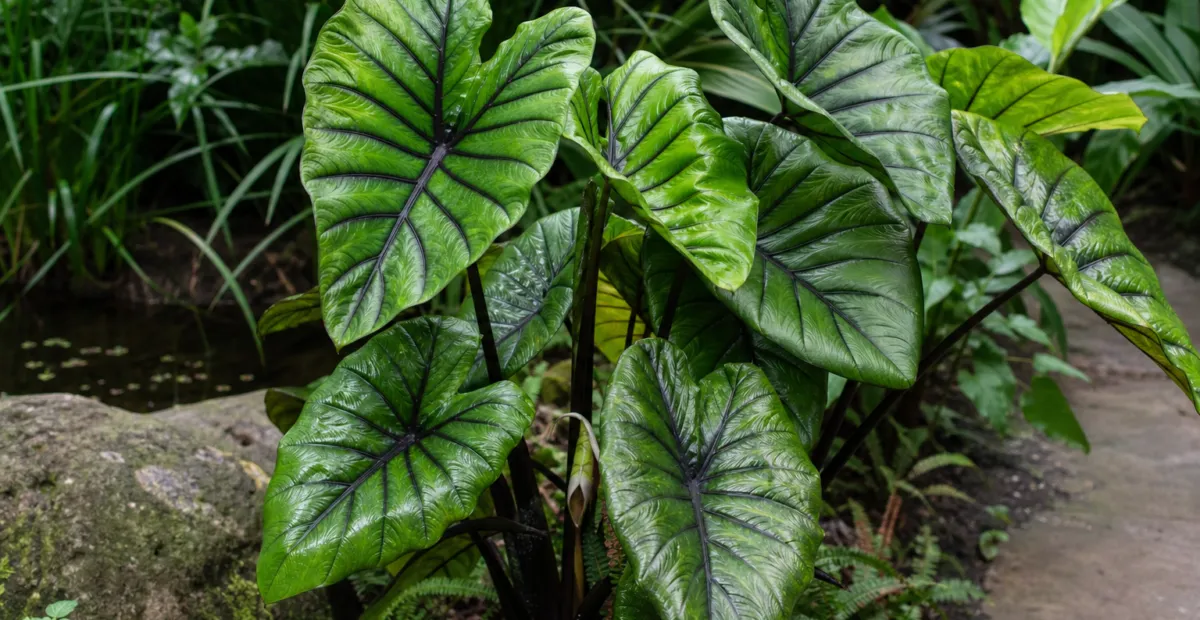
Colocasia 'Pharaohs Mask' is a dramatic tropical elephant ear cultivar with glossy green, heart-shaped leaves, dark petioles, and raised black to deep-maroon veins that curl the leaf margins beneath the blade. Bred in Kentucky and valued primarily for its foliage, it grows vigorously in warm, humid conditions with rich, consistently moist soil. In most of the United States, grow it as a container or seasonal outdoor plant and overwinter the tuber indoors before frost.
Taxonomic classification
Colocasia ‘Pharaohs Mask’ care guide
Light and placement
Provide bright filtered light or partial shade, with gentle morning or late-day sun where summers are hot. A sheltered east, west, or lightly shaded south exposure is suitable; protect the broad leaves from harsh afternoon sun and strong wind. Too little light produces weak, stretched petioles and slower growth, while excessive intense sun can bleach or scorch the blades and increase water stress.
Watering and humidity
Keep the root zone consistently moist, watering deeply whenever the surface begins to lose moisture rather than allowing the tuber to dry repeatedly. During hot outdoor growth, check containers frequently and water more often; reduce watering in cool winter storage while keeping the tuber from shriveling. High humidity helps reduce marginal browning indoors, but it does not replace adequate root moisture.
Soil and growing medium
Use a rich, moisture-retentive but aerated mix with substantial organic matter. In containers, combine quality potting soil with compost or other stable organic material and ensure drainage holes. The cultivar tolerates wet soils and aquatic-landscape conditions, but stagnant, foul-smelling media can encourage root problems. A slightly acidic to neutral or mildly alkaline reaction is acceptable.
Feeding
Feed during active spring and summer growth with a complete, balanced liquid fertilizer diluted to about half the label strength every 2 to 4 weeks, or use a controlled-release product according to its label. Water the plant first if the mix is dry. Reduce or stop feeding during cool, dim winter storage and after growth has naturally slowed.
Growth and habit
This is an upright, stemless, clump-forming perennial with vigorous seasonal growth in warmth. Older plants can develop substantial tubers and side tubers, so containers should be stable and sufficiently large. Growth slows sharply in cool or dim conditions; crowding and poor air circulation can increase leaf damage and pest pressure.
Planting and repotting
Plant outdoors only after nights are reliably warm and the danger of frost has passed. Set the tuber or established plant at the same depth it was growing, with the crown just at or slightly above the soil surface. Allow generous room for the clump and keep the soil evenly moist during establishment. In water-garden settings, use rich organic soil rather than burying the crown deeply in moving water.
Repot in spring when active growth resumes, moving the plant into a container only modestly larger than the current root mass. Handle the tuber and fleshy roots carefully, refresh depleted mix, and water thoroughly after replanting. Use a heavy container if the tall foliage makes the plant top-heavy.
Propagation and pruning
Propagation
Propagate by division of mature tuberous clumps or by root cuttings; commercial material is also produced through tissue culture. Divide in spring as growth starts, making sure each section has viable buds and healthy roots. Keep divisions warm and evenly moist while they re-establish. Seed is not a dependable method for preserving this cultivar, and documented plants may produce little or no fruit or seed.
Pruning
Remove yellowing, torn, or diseased leaves at the base with clean pruners. Cut back old foliage after a frost only if the plant is being discarded or the tuber is being lifted; for overwintering, allow growth to decline naturally before removing remaining leaves. Avoid unnecessary cuts to healthy petioles.
Overwintering
In frost-prone areas, bring containers indoors before freezing weather or lift and store the dormant tuber in a cool, dry, frost-free place after foliage declines. Keep overwintered plants in bright light and warm conditions if maintaining active growth, or store dormant tubers dry enough to prevent rot. Resume warmth, light, watering, and feeding gradually in spring.
Uses
A specimen foliage plant for containers, conservatories, tropical-style beds, sheltered patios, pond edges, and other consistently moist settings. Its bold venation provides architectural contrast with ferns, gingers, cannas, and fine-textured grasses. Despite the species name sometimes associated with edible taro, this ornamental cultivar should not be eaten; calcium oxalate exposure makes casual culinary use inappropriate.
Appearance
The plant forms an upright clump of glossy, heart-shaped to arrow-shaped leaves. The most diagnostic features are the dark petioles and prominent black to dark-maroon veins that stand above the blade and create bold V-shaped patterns from the midrib toward the margins. As leaves mature, their margins curl strongly under, giving the foliage its mask-like appearance.
Flowering
The inflorescence is a hooded spathe surrounding a spadix, produced periodically when plants are warm and actively growing. The cultivar can bloom around the year under suitable temperatures, but flowering is secondary to its ornamental foliage. The documented inflorescences have dark maroon to greenish tones and may produce no viable seed.
Pollination and visitors
Reliable cultivar-specific records of animal pollinators or flower visitors were not located. The spathe-and-spadix inflorescence is produced mainly as a horticultural feature, and available cultivar documentation does not establish a characteristic visitor group.
Diseases and pests
Diseases
Avoid chronically stagnant, poorly aerated media and remove damaged foliage promptly. Water at the soil surface rather than repeatedly wetting leaves late in the day. Watch for soft rot or basal collapse in cool, waterlogged conditions. Good sanitation, warm growing conditions, and adequate air movement are usually more useful than routine fungicide applications.
Pests
Inspect undersides of leaves for spider mites, thrips, aphids, and whiteflies, especially indoors or in dry air. Remove heavily infested leaves, rinse foliage with water, improve humidity, and use insecticidal soap or horticultural oil according to the label. Slugs and snails may chew outdoor leaves; hand-picking, barriers, and habitat management are preferable to indiscriminate pesticide use.
Related diseases and pests
Only Plant Doctor profiles whose host data indicate this plant may be affected are shown here.
 DiseaseRhizopus soft rotRhizopus stolonifer
 DiseaseBacterial soft rotPectobacterium carotovorum
 Environmental stressWaterlogging
 PestOnion thripsThrips tabaci Lindeman
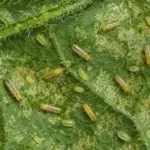 PestMelon thripsThrips palmi Karny
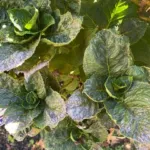 PestChilli thripsScirtothrips dorsalis Hood
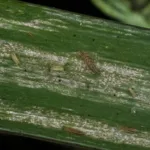 PestDracaena ThripsParthenothrips dracaenae
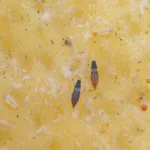 PestGreenhouse thripsHeliothrips haemorrhoidalis
Toxicity and pollen
Colocasia plants contain insoluble calcium oxalate crystals. Chewing or swallowing leaves, petioles, tubers, or other tissues can cause immediate burning and irritation of the mouth, drooling, vomiting, and difficulty swallowing. Keep the cultivar away from children and pets, wear gloves when cutting damaged tissue, and seek medical or veterinary advice after ingestion, especially if swelling or breathing difficulty occurs.
- Typical season
- No meaningful seasonal airborne-pollen period documented
- Pollination / pollen
- Pollen is not documented as a significant airborne dispersal concern
No cultivar-specific evidence indicates a significant airborne-pollen allergy problem. The plant is an insect-associated flowering aroid, but this does not justify claiming zero allergy risk. Contact irritation and ingestion toxicity from calcium oxalates are separate issues from airborne pollen exposure.
Native habitat
The cultivar itself is a human-bred horticultural selection rather than a wild population. Its Colocasia background is associated with warm, humid tropical environments and soils that remain moist or periodically waterlogged. In cultivation it performs best where the root zone stays rich and damp while the crown remains healthy and well aerated.
Interesting fact
The cultivar was selected from a controlled breeding program in Louisville, Kentucky.
Its name refers to raised dark veins resembling a ceremonial mask.
Mature plants can form large tubers at the base of the petioles.
The cultivar is propagated true to type by root cuttings and tissue culture.
Frequently asked questions (FAQ)
The most relevant questions about this plant, with short and direct answers.
🌱Quick care
How do you care for Colocasia 'Pharaohs Mask'?⌄
Grow Colocasia 'Pharaohs Mask' in bright filtered light or partial shade, rich moist soil, and consistently warm conditions. Keep the soil evenly moist to wet, but avoid stagnant conditions unless the container or planting site provides adequate oxygen around the roots.
Is Colocasia 'Pharaohs Mask' an indoor or outdoor plant?⌄
Colocasia 'Pharaohs Mask' can grow indoors or outdoors, but it needs warmth, high moisture, and strong filtered light. In the United States, grow it outdoors seasonally in colder regions and bring it inside or overwinter the tuber before freezing weather.
How big does Colocasia 'Pharaohs Mask' get?⌄
A mature Colocasia 'Pharaohs Mask' can reach about 5 feet tall and 4 feet wide in favorable conditions. Container-grown plants and plants in shorter growing seasons are usually smaller.
Is Colocasia 'Pharaohs Mask' fast-growing?⌄
Yes, Colocasia 'Pharaohs Mask' is generally vigorous and fast-growing when it has warmth, moisture, nutrients, and adequate light. Growth slows substantially in cool conditions or during winter dormancy.
🌤️Environment and placement
How much light does Colocasia 'Pharaohs Mask' need?⌄
Provide bright filtered light to partial shade, with gentle direct sun tolerated when the plant is acclimated. Strong afternoon sun can scorch leaves, especially indoors behind hot glass or outdoors during extreme summer heat.
Can Colocasia 'Pharaohs Mask' grow in full sun?⌄
Colocasia 'Pharaohs Mask' may tolerate full sun when gradually acclimated and kept consistently watered. Partial shade or filtered light is safer in hot U.S. climates and helps prevent leaf scorch and moisture stress.
Can Colocasia 'Pharaohs Mask' grow in water or beside a pond?⌄
Yes, it can grow in very moist soil and may be used near ponds or in aquatic-style landscapes. Keep the crown and growing medium oxygenated rather than placing a potted plant where water cannot drain through the root zone.
What temperature is best for Colocasia 'Pharaohs Mask'?⌄
Warm temperatures are best, particularly during active growth. Protect Colocasia 'Pharaohs Mask' from frost and freezing temperatures because it is frost-tender, even though mature tubers may survive winter outdoors in some mild areas with protection.
What USDA zones can grow Colocasia 'Pharaohs Mask' outdoors?⌄
Colocasia 'Pharaohs Mask' is reported for outdoor perennial growth in roughly USDA Zones 7 through 10, but winter survival depends on drainage, protection, and local temperatures. In colder zones, treat it as a summer annual or overwinter the tuber indoors.
Can Colocasia 'Pharaohs Mask' grow indoors in the United States?⌄
Yes, it can grow indoors near a bright window or under a grow light. Maintain warmth, steady moisture, humidity, and enough space for its large leaves, while protecting it from dry heated air and cold drafts.
💧Care and problems
How often should you water Colocasia 'Pharaohs Mask'?⌄
Water whenever the surface begins to dry so the root zone remains consistently moist to wet. Do not follow a rigid calendar because watering frequency changes with container size, light, temperature, humidity, and season.
Why are the leaves of my Colocasia 'Pharaohs Mask' turning yellow?⌄
Yellow leaves can result from natural aging, cold temperatures, inconsistent watering, poor light, or root problems. Check the soil moisture and drainage first, then move the plant to warmer, brighter conditions without allowing the medium to dry excessively.
Why is my Colocasia 'Pharaohs Mask' drooping?⌄
Drooping usually indicates water stress, cold conditions, transplant shock, or root damage. Keep the soil evenly moist, provide warmth and filtered light, and inspect the roots if the plant remains limp despite adequate moisture.
Why are the leaves of Colocasia 'Pharaohs Mask' curling?⌄
Leaf curling may occur from underwatering, dry air, intense sun, heat, or pest activity. Stabilize moisture and humidity, protect the plant from harsh afternoon sun, and inspect both leaf surfaces for mites or other pests.
What soil is best for Colocasia 'Pharaohs Mask'?⌄
Use rich, organic, moisture-retentive soil that still drains freely. A quality potting mix amended with compost or other organic matter works well, provided the container has drainage holes and the medium does not become stagnant.
Should you fertilize Colocasia 'Pharaohs Mask'?⌄
Yes, regular balanced feeding during active growth supports its vigorous foliage and large leaves. Apply fertilizer according to the product label and reduce or stop feeding when growth slows in cool weather or winter dormancy begins.
Does Colocasia 'Pharaohs Mask' need high humidity?⌄
It performs best with moderate to high humidity, especially indoors. Improve dry conditions with a humidifier, plant grouping, or a naturally humid room, while maintaining air movement to reduce prolonged leaf wetness.
What pests affect Colocasia 'Pharaohs Mask'?⌄
Common houseplant pests such as spider mites, thrips, aphids, and mealybugs may attack stressed plants. Inspect new growth and leaf undersides regularly, and treat infestations promptly with a method labeled for ornamental plants.
How do you overwinter Colocasia 'Pharaohs Mask'?⌄
Before frost, move a container plant indoors or lift the tuber after the foliage declines. Store a cleaned, dry tuber in a cool, dark, frost-free place and restart it in warmth when spring growth conditions return.
🪴Planting and repotting
When should you plant Colocasia 'Pharaohs Mask' outdoors?⌄
Plant it outdoors after the danger of frost has passed and the soil has warmed. In much of the United States, this means waiting until late spring, although the exact timing depends on local USDA zone and seasonal temperatures.
How do you plant Colocasia 'Pharaohs Mask' in a container?⌄
Choose a sturdy container with drainage holes and plant it in rich, moisture-retentive organic soil. Use a container large enough to support its top-heavy growth, and keep the medium consistently moist without letting water stagnate around the crown.
How deep should you plant a Colocasia 'Pharaohs Mask' tuber?⌄
Plant the tuber shallowly, with the growing point oriented upward and covered by only a small amount of soil. Excessive depth can keep the crown too wet and delay emergence, especially in cool conditions.
Can Colocasia 'Pharaohs Mask' grow in the ground?⌄
Yes, it can grow in the ground where the site is warm, sheltered, and reliably moist. Improve heavy or poorly draining soil with organic matter, and lift or protect the plant before freezing weather in cold climates.
✂️Propagation and pruning
How do you propagate Colocasia 'Pharaohs Mask'?⌄
Propagate it by dividing the clump or separating rooted offsets and tuber sections during active growth. Commercial production also uses root cuttings and tissue culture, while leaf cuttings alone are not a reliable method.
Can you propagate Colocasia 'Pharaohs Mask' from a leaf cutting?⌄
No, a leaf by itself will not reliably produce a new plant. Successful propagation requires a viable growing point, such as a rooted offset, corm or tuber section, or specialized root-cutting material.
When is the best time to divide Colocasia 'Pharaohs Mask'?⌄
Divide Colocasia 'Pharaohs Mask' in spring or early summer when warm temperatures encourage active root and shoot growth. Each division should include a healthy growing point and enough roots or tuber tissue to establish independently.
How do you prune Colocasia 'Pharaohs Mask'?⌄
Prune by removing yellow, damaged, or declining leaves at the base with clean, sharp tools. Avoid removing healthy foliage unnecessarily because the leaves supply energy to the tuber and support continued growth.
⚠️Toxicity and safety
Is Colocasia 'Pharaohs Mask' toxic to dogs and cats?⌄
Yes, it should be considered toxic if ingested by dogs, cats, and other pets. Keep the plant, leaves, and tubers away from animals and contact a veterinarian promptly if ingestion causes drooling, mouth irritation, vomiting, or difficulty swallowing.
Is Colocasia 'Pharaohs Mask' poisonous to people?⌄
Yes, ingestion can cause irritation and other toxic effects because Colocasia tissues contain irritating calcium oxalate crystals. Keep it away from children, wash hands after handling damaged tissue, and seek medical advice if any part is swallowed.
Can you eat Colocasia 'Pharaohs Mask' tubers?⌄
Do not eat Colocasia 'Pharaohs Mask' unless an authoritative source specifically confirms safe preparation for this exact cultivar. Ornamental cultivars may contain irritating compounds, and raw plant tissue is unsafe to ingest.
🌸Flowering and special interest
Does Colocasia 'Pharaohs Mask' flower?⌄
Yes, it can produce the typical Colocasia inflorescence of a spathe and spadix, although the plant is grown primarily for its foliage. Flowering is more likely under warm, vigorous growing conditions and may be seasonal or intermittent.
What does a Colocasia 'Pharaohs Mask' flower look like?⌄
Its flower is an aroid-type inflorescence consisting of a spathe surrounding a spadix. The inflorescence is less visually prominent than the cultivar’s glossy green leaves, raised dark veins, and dark petioles.
Why is my Colocasia 'Pharaohs Mask' not flowering?⌄
A plant may fail to flower because it is too young, growing in insufficient light, lacking nutrients, or exposed to cool conditions. Focus on warmth, bright filtered light, consistent moisture, and active growth rather than forcing flowers.
Similar plants
 Foxtail Palm (Wodyetia bifurcata) care guideWodyetia bifurcata
 He Mexican fan palm (Washingtonia robusta) care guideWashingtonia robusta
 He California fan palm (Washingtonia filifera) care guideWashingtonia filifera
 Veitchia arecina care guideVeitchia arecina
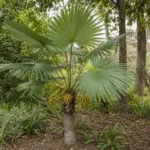 Trachycarpus latisectus care guideTrachycarpus latisectus
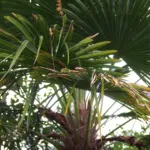 He Chusan palm (Trachycarpus fortunei) care guideTrachycarpus fortunei