
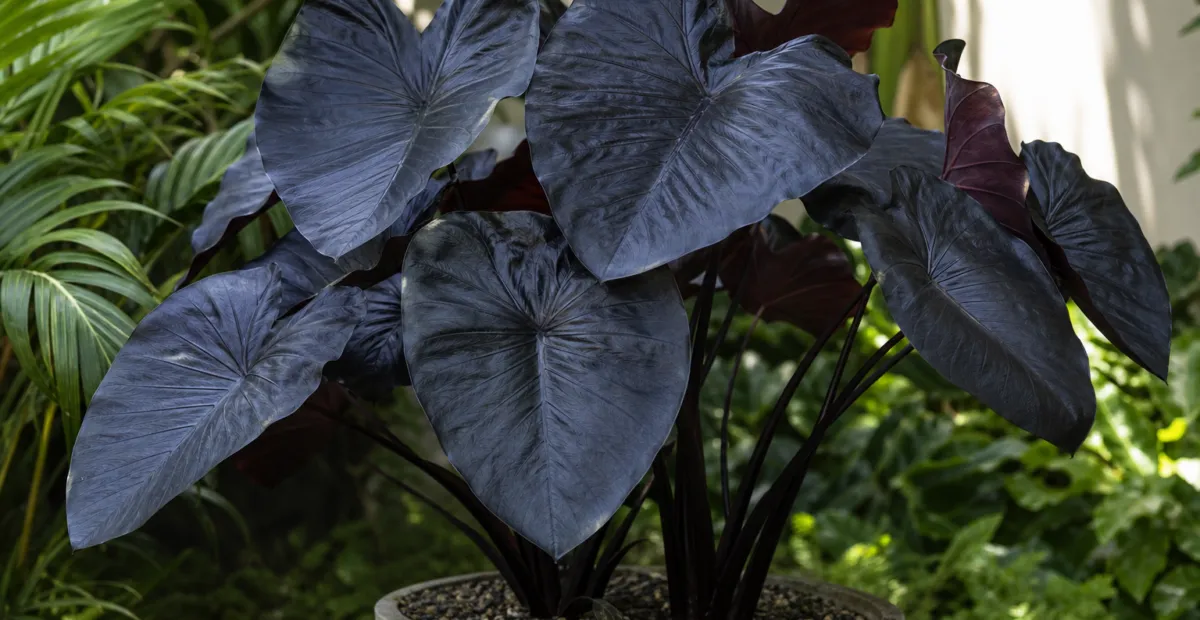
 AI-generated illustration
Colocasia ‘Electric Blue Gecko’ short overview
Colocasia 'Electric Blue Gecko' is a compact, clump-forming elephant ear with exceptionally dark, glossy foliage that can show a metallic blue sheen above and deep maroon tones beneath. The patented tropical hybrid reaches about 3–4 feet tall and 2–3 feet wide in favorable conditions. It performs best in warm weather, bright filtered light to partial sun, and evenly moist, fertile soil, while requiring winter protection in most of the United States.
Taxonomic classification
Colocasia ‘Electric Blue Gecko’ care guide
Light and placement
Provide bright filtered light, morning sun, or partial sun with protection from the harshest late-afternoon exposure. Outdoor plants can take more sun when gradually acclimated and well watered, while indoor plants need the brightest window or supplemental lighting. Pale, stretched growth suggests insufficient light; bleached patches, crispy margins, or sudden leaf scorch indicate excessive intensity, heat, or dry roots.
Watering and humidity
Keep the growing medium evenly moist but not permanently stagnant. Water thoroughly when the surface begins to dry, allowing excess water to drain; do not let a container stand in cold water. Increase frequency during hot, bright weather and reduce watering in cool or dormant periods. Consistent moisture is particularly important in containers, where roots dry quickly.
Soil and growing medium
Use a rich, moisture-retentive but porous mix containing compost or other organic matter. Good drainage is still important because stagnant, oxygen-poor soil can damage the corm and roots. A slightly acidic to neutral reaction is suitable; avoid strongly alkaline, compacted soil.
Feeding
Feed during active spring and summer growth with a balanced liquid fertilizer diluted to about half strength every 2–4 weeks, or use a controlled-release product according to its label. Water first if the potting mix is dry. Stop or greatly reduce feeding in cool, dormant conditions when growth has slowed.
Growth and habit
This is a moderate-growing tropical perennial that develops from a fleshy corm into a compact, clump-forming plant. It lacks stolons, so it generally stays where planted rather than spreading by runners. Warmth, ample water, and adequate nutrition promote faster leaf production; cool conditions can trigger dormancy or foliage decline.
Planting and repotting
Plant outdoors after nights are reliably warm and the danger of frost has passed. Set the corm or nursery-grown plant at the same depth as previously grown, or only just covered if planting a dormant corm. Allow roughly 2–3 feet between plants for a dense but uncrowded clump.
Repot in spring when active growth resumes, moving the plant only one container size larger. Handle the fleshy corm and roots carefully, and keep the crown at the same level rather than burying it deeply. Resume thorough watering after the new pot has drained.
Propagation and pruning
Propagation
Division of established clumps is the practical home method, best carried out in spring as growth begins. Commercially, the cultivar was propagated by in vitro culture and is expected to reproduce true to type through suitable clonal propagation. Seed is not recommended for preserving cultivar uniformity.
Pruning
Remove yellow, torn, or frost-damaged leaves at the base with clean shears. Avoid cutting healthy foliage unnecessarily because each leaf contributes to corm growth. After frost damage, wait until tissue has collapsed, then cut it back and keep the corm protected from additional cold and saturation.
Overwintering
Move containers indoors before temperatures approach freezing. Grow it in bright light, keep the mix only moderately moist during low-light winter conditions, and stop feeding while growth is slow. In warm climates, mulch outdoor plants after the first light frost, but protect the corm from prolonged cold and winter wet. Dormant corms may be stored dryish and frost-free.
Uses
Primarily an ornamental foliage plant for warm-climate landscapes, patio containers, tropical borders, and seasonal displays. It can also be grown as a houseplant in strong light. Do not use this named ornamental cultivar as a food crop; untreated Colocasia tissue can be irritating or toxic.
Appearance
The plant is recognized by glossy, heart-shaped leaves that appear very dark black to blue-black, often with a metallic blue sheen on the upper surface. Leaf undersides and petioles are dark maroon. Its compact, dwarf, clump-forming habit and lack of stolons distinguish it from spreading elephant-ear types.
Flowering
Colocasia is an angiosperm and can produce aroid inflorescences consisting of a spathe surrounding a spadix, but flowering is not the principal ornamental feature of this cultivar and reliable cultivar-specific flowering timing was not located. Do not expect regular flowering in a cool or short growing season.
Pollination and visitors
No reliable cultivar-specific documentation of animal pollinators or flower visitors was located. The aroid inflorescence structure indicates that any visitors should not be assumed without direct evidence.
Diseases and pests
Diseases
Prevent disease by avoiding chronically stagnant soil, watering at the root zone, and removing yellowing or collapsed tissue promptly. Root and corm rots are the main concern when conditions stay cold and saturated. Improve drainage and discard severely rotted material rather than repeatedly watering affected plants.
Pests
Inspect undersides of leaves for spider mites, aphids, mealybugs, and thrips, especially in dry indoor air. Rinse foliage, improve humidity and airflow, and use insecticidal soap according to its label when pests persist. Avoid routinely wetting leaves late in the day.
Related diseases and pests
Only Plant Doctor profiles whose host data indicate this plant may be affected are shown here.
 PestMealy Plum AphidHyalopterus pruni (Geoffroy, 1762)
 PestOnion thripsThrips tabaci Lindeman
 PestMelon thripsThrips palmi Karny
 PestChilli thripsScirtothrips dorsalis Hood
 DiseaseAster yellows‘Candidatus Phytoplasma asteris’
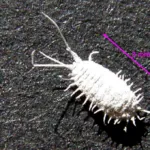 PestObscure mealybugPseudococcus viburni
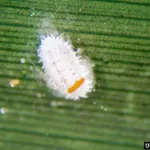 PestCitrus mealybugPlanococcus citri
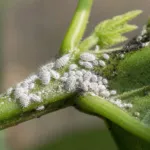 PestCotton mealybugPhenacoccus solenopsis Tinsley
Toxicity and pollen
Colocasia plants contain insoluble calcium oxalate crystals that can cause intense irritation, burning, swelling, drooling, vomiting, or difficulty swallowing if chewed or eaten. Wear gloves when handling damaged tissue and keep the plant away from children and pets. This ornamental cultivar should not be treated as an edible taro selection.
- Pollination / pollen
- Pollen produced inside aroid inflorescences; limited airborne exposure expected
As an insect-pollinated aroid, the pollen is generally presented within the inflorescence rather than released as a large airborne cloud. However, cultivar-specific pollen dispersal and allergy studies were not located, so a low rating is precautionary rather than a guarantee of no allergy risk.
Native habitat
The cultivar itself is a cultivated hybrid rather than a wild population. Its Colocasia background is associated with warm, humid tropical and subtropical environments, where plants commonly grow in fertile soils with dependable moisture. In the United States, it behaves as a tender perennial outside warm winter climates.
Interesting fact
The cultivar originated from a controlled breeding program in Louisville, Kentucky. Its upper leaf surface can develop a metallic blue sheen over a nearly black ground color. The plant forms a clump and lacks stolons. Its dark maroon petioles provide contrast with the reflective foliage.
Frequently asked questions (FAQ)
The most relevant questions about this plant, with short and direct answers.
🌱Quick care
How do you care for Colocasia 'Electric Blue Gecko'?⌄
Grow Colocasia 'Electric Blue Gecko' in bright filtered light or partial sun, keep the soil consistently moist, and use a rich, moisture-retentive mix that still drains well. Protect it from frost and cold drafts.
Is Colocasia 'Electric Blue Gecko' an indoor or outdoor plant?⌄
Colocasia 'Electric Blue Gecko' can be grown indoors or outdoors. Outdoors, it performs best in warm weather with bright filtered light or partial sun; indoors, provide strong light and steady moisture.
How much light does Colocasia 'Electric Blue Gecko' need?⌄
Give it bright filtered light to partial sun. Gradually acclimate it to stronger sunlight, because abrupt exposure can scorch leaves, especially after growing indoors.
How often should you water Colocasia 'Electric Blue Gecko'?⌄
Water whenever the soil surface begins to dry, keeping the mix consistently moist but not stagnant. Plants in bright light, heat, or small containers may need water more frequently.
What type of soil is best for Colocasia 'Electric Blue Gecko'?⌄
Use a rich, moisture-retentive, well-drained potting mix. Compost-rich soil amended with a material such as perlite or fine bark can hold moisture while reducing the risk of waterlogging.
🌤️Environment and placement
Can Colocasia 'Electric Blue Gecko' grow in full sun?⌄
It may tolerate some direct sun when gradually acclimated, but bright filtered light to partial sun is the safer general placement. Strong afternoon sun can cause leaf scorch in hot or dry conditions.
Where should I place Colocasia 'Electric Blue Gecko' outdoors?⌄
Place it in a warm, sheltered spot with morning sun or filtered light and protection from harsh afternoon exposure. A location near a water feature can work if the soil remains moist but drains adequately.
Can Colocasia 'Electric Blue Gecko' grow in a container?⌄
Yes, it grows well in a container with drainage holes and a rich, moisture-retentive mix. Choose a stable pot large enough to support the plant and check moisture often during hot weather.
What USDA hardiness zones can grow Colocasia 'Electric Blue Gecko' outdoors?⌄
It is best treated as a warm-season plant outside the warmest climates. In colder USDA zones, grow it as a container plant and bring it indoors or store the dormant corm before frost.
💧Care and problems
Why are the leaves of my Colocasia 'Electric Blue Gecko' turning yellow?⌄
Yellow leaves commonly indicate overwatering, poor drainage, insufficient light, or normal aging. Check that excess water can escape, keep the plant bright, and avoid allowing the mix to remain cold and saturated.
Why is my Colocasia 'Electric Blue Gecko' losing leaves after shipping?⌄
Leaf loss after shipping or a sudden change in conditions can occur because Colocasia reacts to stress, reduced light, and temperature changes. Provide warmth, bright filtered light, and consistent moisture while avoiding rapid environmental changes.
Why are the leaves of Colocasia 'Electric Blue Gecko' curling or drooping?⌄
Curling or drooping usually means the plant is too dry, too cold, exposed to harsh sun, or experiencing root stress. Check the soil and roots, then stabilize moisture, warmth, and light.
How do I prevent root rot in Colocasia 'Electric Blue Gecko'?⌄
Prevent root rot by using a well-drained mix, a pot with open drainage, and a watering routine that keeps the soil moist rather than continually waterlogged. Do not let the container sit in standing water.
Does Colocasia 'Electric Blue Gecko' need fertilizer?⌄
Regular feeding during active growth can support healthy foliage, especially in containers. Use a balanced, diluted fertilizer according to its label and reduce or stop feeding when growth slows in cool or dark conditions.
What pests commonly affect Colocasia 'Electric Blue Gecko'?⌄
Watch for common foliage pests such as spider mites, aphids, thrips, and scale. Inspect leaf undersides regularly and treat an infestation promptly with a plant-safe method appropriate for edible-free ornamental plants.
🪴Planting and repotting
When should I plant Colocasia 'Electric Blue Gecko' outside?⌄
Plant it outdoors after the danger of frost has passed and nighttime temperatures are reliably warm. In much of the United States, this usually means late spring, but timing depends on local conditions.
How deep should I plant a Colocasia 'Electric Blue Gecko' corm?⌄
Plant the corm shallowly, generally with the top close to the soil surface and the growing point facing upward. Avoid burying it deeply in cold, wet soil, which can encourage rot.
When should I repot Colocasia 'Electric Blue Gecko'?⌄
Repot it when roots fill the container, growth becomes crowded, or the plant dries out unusually quickly. Move it into a pot only modestly larger and refresh the rich, well-drained mix.
✂️Propagation and pruning
How do you propagate Colocasia 'Electric Blue Gecko'?⌄
Colocasia 'Electric Blue Gecko' is generally propagated by division of offsets or corm sections when the plant is actively growing. Commercial production commonly uses tissue culture, so seed may not reproduce the named cultivar reliably.
Can Colocasia 'Electric Blue Gecko' be grown from seed?⌄
It may produce seed under suitable conditions, but seedlings may differ from the named cultivar. Division or commercially produced tissue-cultured plants is more dependable when you want to preserve its exact characteristics.
Should I prune Colocasia 'Electric Blue Gecko'?⌄
Prune only damaged, yellowing, or dead leaves by cutting the stalk near the base with clean tools. Avoid removing healthy foliage unnecessarily because the leaves supply energy for continued growth.
How do I overwinter Colocasia 'Electric Blue Gecko' indoors?⌄
Before frost, bring a container-grown plant indoors, place it in bright light, and keep the soil lightly to consistently moist while it remains actively growing. Reduce watering if it enters dormancy, but do not keep a dormant corm cold and wet.
How do I store Colocasia 'Electric Blue Gecko' corms over winter?⌄
After foliage dies back from cold or before frost, lift the corm, let its surface dry, and store it in a cool, dry, frost-free place in a breathable medium. Inspect it periodically and discard any soft or rotting material.
⚠️Toxicity and safety
Is Colocasia 'Electric Blue Gecko' toxic to dogs and cats?⌄
Yes, it is toxic if ingested and should be kept away from pets and children. Ingestion can cause painful irritation of the mouth and throat, so contact a veterinarian or poison-control resource if exposure occurs.
Is Colocasia 'Electric Blue Gecko' poisonous to humans?⌄
Yes, it is toxic if ingested. Keep plant parts away from children, and wear gloves if handling the plant causes skin irritation; seek medical advice after suspected ingestion.
🌸Flowering and special interest
Does Colocasia 'Electric Blue Gecko' flower?⌄
It can flower when mature and growing vigorously, but flowering is not usually the main ornamental feature. Warm temperatures, adequate light, moisture, and nutrition encourage the best growth and flowering potential.
Why is my Colocasia 'Electric Blue Gecko' not flowering?⌄
A lack of flowers is usually not a problem because foliage is the primary feature of this cultivar. Insufficient warmth, low light, drought stress, or a short growing season can make flowering less likely.
Similar plants
 Azure Monkshood (Aconitum carmichaelii) care guideAconitum carmichaelii
 Monkshood (Aconitum ‘Stainless Steel’)Aconitum 'Stainless Steel'
 Monkshood (Aconitum ‘Bressingham Spire’)Aconitum 'Bressingham Spire'
 Golden full moon maple (Acer shirasawanum ‘Aureum’)Acer shirasawanum 'Aureum'
 Globosum (Acer platanoides ‘Globosum’)Acer platanoides 'Globosum'
 Striped maple (Acer pensylvanicum) care guideAcer pensylvanicum