
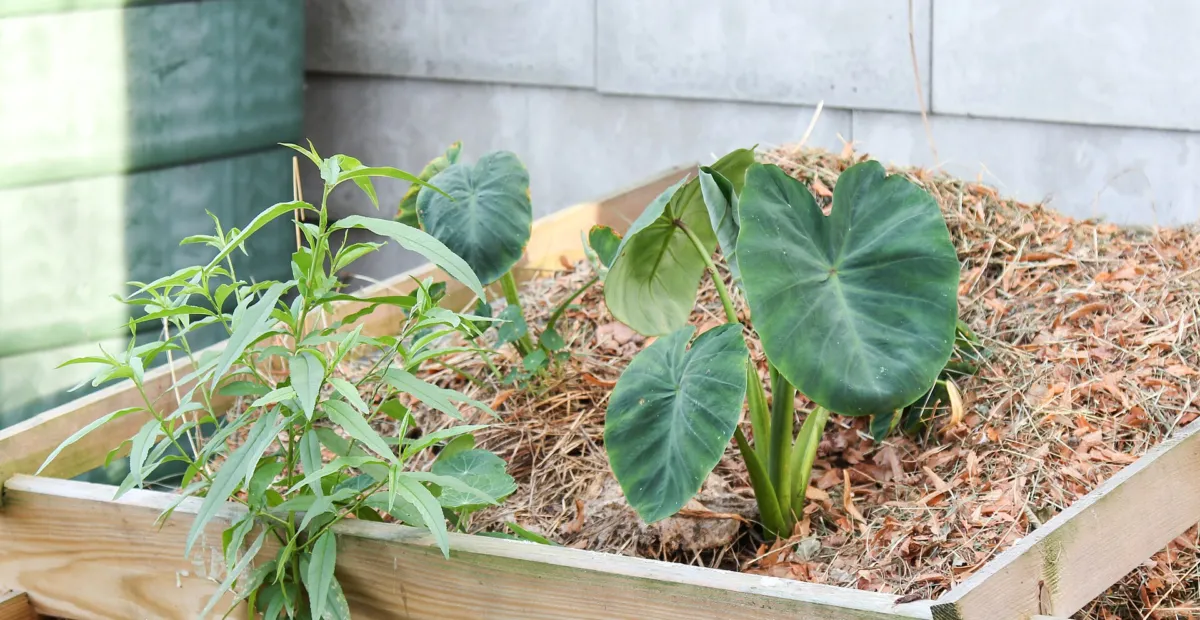
 Source:
 Jack’s Giant Elephant Ear (Colocasia ‘Jack’s Giant’) short overview
Colocasia 'Jack's Giant' is a spectacular elephant ear selected for extraordinary scale. In a long, warm growing season, its upright clump can reach roughly 7 feet tall and 5–8 feet wide, with huge blue-green leaves that create a bold tropical effect. Grow it in rich soil that stays evenly moist, from full sun to partial shade, and give it generous space. In colder parts of the United States, lift the corms or overwinter the plant indoors before frost.
Taxonomic classification
Jack’s Giant Elephant Ear (Colocasia ‘Jack’s Giant’) care guide
Light and placement
Grow in full sun to partial shade, with morning sun or bright filtered light especially useful in hot climates. Sheltered eastern or southern exposures work well; protect leaves from strong wind. Too little light can produce weaker, stretched growth and reduced vigor, while harsh reflected heat and dry afternoon exposure can scorch or shred the huge leaves.
Watering and humidity
Water deeply and keep the root zone consistently moist; do not allow the plant to dry between regular waterings during active growth. Increase frequency during hot weather and reduce it substantially after dormancy begins. Container plants may need daily checks in summer. Moisture is beneficial, but saturated stagnant soil can encourage corm rot.
Soil and growing medium
Use fertile, organic-rich soil that holds moisture without remaining stagnant around the corm. A loam amended with compost is suitable. Slightly acidic to neutral soil is a practical target. In containers, choose a moisture-retentive mix with substantial drainage material rather than a dry, peat-only mix.
Feeding
Feed during active growth with a balanced, water-soluble fertilizer at label strength every 2–4 weeks, or use a controlled-release product in spring. Compost can improve soil structure and nutrient availability. Do not fertilize dormant, chilled, or recently divided plants until active growth resumes.
Growth and habit
This is a vigorous, upright, clump-forming elephant ear that expands from a corm and can develop multiple large petioles. Growth accelerates with warmth, regular moisture, fertile soil, and a long season. Give it structural room, shelter from wind, and a container heavy enough to resist tipping.
Planting and repotting
Plant outdoors after the danger of frost has passed and soil has warmed. Set the corm or rooted division with its upper surface at or just below the soil line. Allow at least 5 feet of clearance, and more where maximum spread is desired. Keep the planting evenly moist while roots establish.
Repot or divide container-grown plants in spring as active growth resumes. Move into a heavy, wide container that can support the top-heavy foliage and accommodate vigorous offsets. Avoid burying the corm deeply during transplanting, and water thoroughly afterward.
Propagation and pruning
Propagation
Propagate chiefly by separating offsets or dividing established corms in spring when growth begins. Keep each division with viable growing tissue and roots where possible. Seed is not a dependable way to reproduce this named cultivar, particularly because it is reported as triploid.
Pruning
Remove yellowing, torn, or frost-damaged leaves at the base with clean shears. Do not routinely trim healthy foliage during the growing season. After frost blackens the plant, cut back the dead tops and either mulch the corm deeply in a mild climate or lift it for storage.
Overwintering
In Zones 7 and colder, lift the corm after frost damages the foliage, allow it to dry briefly, and store it in a cool, dark, frost-free place in barely dry packing material. Alternatively, grow it in a container and move it indoors before freezing weather. In mild Zones 8–10, mulch heavily after the top growth dies back.
Uses
Best used as a dramatic foliage focal point in moist beds, large containers, sheltered patios, pond margins, and tropical-style plantings. It is not recommended as an edible crop unless the plant’s identity and food-production practices are specifically verified; raw tissues are toxic.
Appearance
The selection is recognized by its immense, glossy to satin blue-green, heart-shaped peltate leaves carried on thick upright petioles. Prominent veins emphasize the broad blades, and mature plants create a strongly architectural, tropical silhouette. Leaves may be damaged by wind because of their exceptional size.
Flowering
This cultivar can produce the characteristic aroid inflorescence: a pale yellow to white spathe surrounding a shorter spadix with separate female and male zones. Flowering is secondary to the foliage display and may be infrequent in cultivation. Commercial references place flowering in midsummer in suitable US climates.
Pollination and visitors
Species-level research on Colocasia describes specialized insect visitation, including small flies associated with the inflorescences. A cultivar-specific visitor record for 'Jack's Giant' was not located, so its pollinator attraction is best treated as unknown rather than assumed.
Colocasia 'Jack's Giant' photos
Click any photo for a larger view. Source, author and license are shown separately.
Diseases and pests
Diseases
Reduce disease pressure by avoiding stagnant water around the corm, removing collapsing leaves, and providing air movement. Watch for soft rot, leaf-spot symptoms, and crown or corm decay. Remove affected tissue with clean tools and correct excessive shade, poor drainage, or prolonged cool wet conditions.
Pests
Inspect undersides of leaves for spider mites, aphids, scale, and thrips, especially under hot, dry indoor conditions. Rinse foliage, improve humidity without reducing airflow, and use insecticidal soap or horticultural oil according to the product label. Slugs and snails may damage young leaves outdoors.
Related diseases and pests
Only Plant Doctor profiles whose host data indicate this plant may be affected are shown here.
 DiseasePhytophthora cactorum crown, collar, root and fruit rotPhytophthora cactorum
 DiseaseRhizopus soft rotRhizopus stolonifer
 DiseaseBacterial soft rotPectobacterium carotovorum
 DiseaseAlternaria leaf spot and fruit rotAlternaria alternata
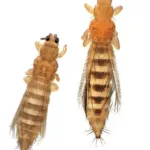 PestOnion thripsThrips tabaci Lindeman
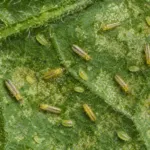 PestMelon thripsThrips palmi Karny
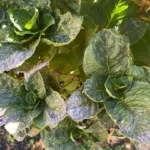 PestChilli thripsScirtothrips dorsalis Hood
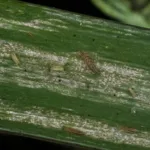 PestDracaena ThripsParthenothrips dracaenae
Toxicity and pollen
Colocasia esculenta is documented as toxic because insoluble calcium oxalate crystals can cause intense irritation and swelling when plant material is chewed. Keep raw leaves, petioles, corms, and sap away from children and pets. Properly prepared edible taro is a separate culinary context and does not make ornamental plant material safe to eat.
- Typical season
- Primarily during flowering, usually midsummer
- Pollination / pollen
- Insect-associated, relatively non-wind-dispersed pollen
Colocasia pollen is produced inside the male portion of the spadix and is not typically released as a large, windborne cloud. Direct US allergy data for this cultivar were not located, so low airborne exposure is a cautious practical classification rather than a guarantee of no allergy risk.
Native habitat
The species is associated with warm, humid regions of tropical and subtropical Asia and grows in moist soils, wetlands, and other areas with reliable water. In cultivation, the selection performs best when its root zone remains evenly moist but not chronically anaerobic.
Interesting fact
The cultivar is reported as triploid, which helps explain its unusually vigorous, oversized growth. It was introduced into horticulture through Jack de Vroomen of Marlboro Bulb Company. The dramatic foliage can exceed several feet in both length and width under favorable conditions.
Frequently asked questions (FAQ)
The most relevant questions about this plant, with short and direct answers.
🌱Quick care
What is Colocasia 'Jack's Giant'?⌄
Colocasia 'Jack's Giant' is a giant elephant ear cultivar grown for enormous blue-green leaves and a tropical appearance. Mature plants commonly reach about 6–8 feet tall and can spread 5–8 feet in favorable conditions.
How big does Jack's Giant elephant ear get?⌄
Jack's Giant can grow about 6–8 feet tall, with individual leaves reaching roughly 3 feet wide and 4 feet long. Give it several feet of open space so it does not crowd nearby plants.
How fast does Colocasia 'Jack's Giant' grow?⌄
Jack's Giant grows rapidly once temperatures are warm, moisture is plentiful, and the plant is actively producing leaves. Growth is much slower in cool weather, dry soil, or low light.
🌤️Environment and placement
Does Jack's Giant elephant ear grow in full sun?⌄
Yes, Colocasia 'Jack's Giant' grows in full sun to partial shade. Provide more afternoon shade in hot, dry climates if the leaves scorch or wilt despite adequate moisture.
How much light does Colocasia 'Jack's Giant' need indoors?⌄
Indoors, place Jack's Giant near the brightest window available, preferably with several hours of direct or very bright filtered light. Low light can produce weak, stretched growth and smaller leaves.
Can Jack's Giant elephant ear grow in shade?⌄
Jack's Giant tolerates partial shade, but deep shade usually reduces growth and leaf size. Bright morning light or filtered light is preferable to a consistently dark location.
Can Colocasia 'Jack's Giant' grow in standing water?⌄
Jack's Giant prefers consistently wet soil and can tolerate brief flooding when the soil remains oxygenated. Do not keep a container submerged or allow stagnant water around the corm for extended periods.
What USDA zones can grow Jack's Giant elephant ear outdoors?⌄
Jack's Giant is generally listed for USDA Zones 7–10, although winter survival is more dependable in warmer parts of that range. In colder areas, lift the corms before freezing temperatures.
💧Care and problems
How often should I water Colocasia 'Jack's Giant'?⌄
Water Jack's Giant whenever the soil surface begins to dry, keeping the root zone consistently moist to wet. Large plants in full sun or containers may need watering daily during hot summer weather.
Why are the leaves on my Jack's Giant elephant ear drooping?⌄
Drooping leaves usually indicate dry soil, heat stress, transplant shock, wind damage, or root problems. Check moisture first, then inspect the corm and roots if the soil is wet but the plant continues to collapse.
Why are Jack's Giant elephant ear leaves turning yellow?⌄
Yellow leaves can result from natural aging, overwatering in poorly drained soil, cold stress, or insufficient nutrition. Remove older damaged leaves while correcting drainage, temperature, and watering conditions.
Why is my Colocasia 'Jack's Giant' not getting large leaves?⌄
Large leaves require warmth, abundant moisture, strong light, fertile soil, and a long growing season. A small container, dry soil, cool temperatures, crowding, or inadequate feeding can all limit leaf size.
Does Jack's Giant elephant ear need fertilizer?⌄
Yes, regular feeding during active growth supports the vigorous foliage this cultivar is known for. Use a balanced fertilizer according to the product label, and reduce or stop feeding when growth naturally slows.
How do I protect Jack's Giant from wind?⌄
Plant Jack's Giant in a sheltered position protected from strong, drying winds. Its very large leaves tear easily, so wind protection is especially important if you want attractive foliage.
Should I remove damaged leaves from Jack's Giant elephant ear?⌄
Remove leaves that are mostly torn, yellow, or collapsed by cutting the stalk near its base with clean pruners. Minor tears can be left in place because pruning will not repair the damaged tissue.
How do I overwinter Jack's Giant elephant ear?⌄
In areas where the ground freezes, dig up the corm before hard frost, let excess soil dry from the surface, and store it in a cool, dark, dry, frost-free place. Replant after spring temperatures and soil warmth return.
Can Jack's Giant elephant ear stay in the ground over winter?⌄
It may overwinter outdoors in mild portions of USDA Zone 7 and warmer if the soil is well drained and the corm is protected from freezing. In colder or unreliable climates, lifting the corm is safer.
When should I bring Jack's Giant indoors for winter?⌄
Bring a container-grown Jack's Giant indoors before freezing temperatures occur. Keep it warm and bright, reduce watering only if growth slows, and avoid placing the plant near cold drafts or heating vents.
🪴Planting and repotting
When should I plant Jack's Giant elephant ear outdoors?⌄
Plant Jack's Giant outdoors after the danger of frost has passed and the soil has warmed, typically in late spring in much of the United States. Cold soil can delay sprouting or cause corm rot.
How deep should I plant a Jack's Giant elephant ear corm?⌄
Plant the corm with the growing point facing upward and cover it with about 1–2 inches of soil. Keep the soil evenly moist, but avoid cold, waterlogged conditions while it is still dormant.
What soil is best for Colocasia 'Jack's Giant'?⌄
Use fertile, moisture-retentive, well-drained loam enriched with organic matter. The soil should hold steady moisture without remaining stagnant around the corm.
How far apart should I plant Jack's Giant elephant ears?⌄
Space Jack's Giant about 6–8 feet apart when you want each plant to develop its full size. Closer spacing is possible for a dense display, but mature leaves may overlap heavily.
Can Colocasia 'Jack's Giant' grow in a container?⌄
Yes, Jack's Giant can grow in a large, heavy container with drainage holes and moisture-retentive potting mix. Choose a container that will remain stable as the plant develops several feet of foliage.
What size container does Jack's Giant elephant ear need?⌄
Use at least a 15–20 gallon container for a substantial specimen, with a wider or heavier pot preferred for stability. A smaller pot can work temporarily but will restrict moisture, roots, and mature growth.
✂️Propagation and pruning
How do you propagate Colocasia 'Jack's Giant'?⌄
Propagate Jack's Giant by dividing offsets or cormels from the parent plant when it is actively growing or dormant. Because this cultivar is reported as triploid, seed propagation is not the dependable way to reproduce it.
Can Jack's Giant elephant ear be grown from seed?⌄
Seed is not the preferred propagation method for Jack's Giant because the cultivar is reported to be triploid and may produce little or no viable seed. Division of offsets or cormels is more reliable.
When should I divide Jack's Giant elephant ear?⌄
Divide Jack's Giant in spring as new growth begins or during warm active growth. Separate offsets with their own roots or growing points, then replant them in warm, consistently moist soil.
⚠️Toxicity and safety
Is Colocasia 'Jack's Giant' poisonous to dogs and cats?⌄
Yes, Jack's Giant should be treated as toxic to pets if chewed because it contains insoluble calcium oxalates. Keep the plant and its corms away from dogs, cats, and other animals that may bite the foliage.
Is Jack's Giant elephant ear poisonous to humans?⌄
Yes, chewing Jack's Giant can cause painful irritation and swelling of the mouth, lips, tongue, and throat because of insoluble calcium oxalates. Keep children away from the plant and seek medical or poison-control advice after ingestion.
Can you eat Colocasia 'Jack's Giant'?⌄
Do not eat Jack's Giant as an ornamental cultivar unless a reliable source specifically confirms safe preparation for that plant. Raw Colocasia tissue contains irritating calcium oxalates, and improper preparation can cause poisoning.
🌸Flowering and special interest
Does Colocasia 'Jack's Giant' flower?⌄
Yes, Jack's Giant can produce arum-like flowers, typically yellow to cream or white, although flowering is less significant than its foliage. Blooms are more likely on mature, vigorous plants growing in warm conditions.
When does Jack's Giant elephant ear bloom?⌄
Jack's Giant may bloom in midsummer, often around July or August in suitable United States gardens. Flowering is not guaranteed every year, especially in short or cool growing seasons.
Similar plants
 Saucer Magnolia (Magnolia soulangeana) care guideMagnolia soulangeana
 Magnolia × loebneri ‘Merrill’Magnolia × loebneri 'Merrill'
 Magnolia loebneri care guideMagnolia loebneri
 Sweetbay magnolia (Magnolia virginiana) care guideMagnolia virginiana
 Star magnolia (Magnolia stellata) care guideMagnolia stellata
 Magnolia sprengeri care guideMagnolia sprengeri