
 Source:
 Black Magic Taro (Colocasia esculenta ‘Black Magic’) short overview
Colocasia esculenta 'Black Magic' is a striking elephant ear cultivar prized for its broad, deep purple-black foliage and tropical presence. Give it full sun to partial shade, fertile soil, and steady moisture; it can even tolerate very wet conditions once established. In most of the United States it is grown as a tender perennial, container plant, or seasonal accent, with corms protected indoors before freezing weather.
Taxonomic classification
Black Magic Taro (Colocasia esculenta ‘Black Magic’) care guide
Light and placement
Grow in full sun for the strongest dark leaf color, especially with consistent moisture; partial afternoon shade is useful in very hot, dry climates. Indoors, place near a bright east-, south-, or west-facing window with filtered light. Too little light produces slower growth and greener, weaker foliage; harsh reflected heat combined with dry soil can scorch leaf margins.
Watering and humidity
Water deeply and keep the root zone consistently moist; do not allow a container to dry completely during active growth. Plants in full sun or small pots may need frequent watering in summer. Reduce watering substantially after growth stops or during cool indoor storage, but never keep dormant corms wet enough to rot.
Soil and growing medium
Use fertile, moisture-retentive soil that still drains adequately in containers. A loamy mix enriched with compost works well. The species tolerates wet conditions, but stagnant, foul-smelling soil and poorly aerated containers can promote corm problems. Slightly acidic to neutral soil is suitable; extreme pH is unnecessary.
Feeding
Feed during active spring and summer growth with a balanced liquid fertilizer at label strength or a controlled-release product. Container plants usually need more regular feeding than plants in compost-rich beds. Do not fertilize dormant, chilled, or severely stressed plants, and reduce feeding as growth slows in autumn.
Growth and habit
This warm-season perennial develops from a corm and produces a dense, upright clump of long-stemmed leaves. Growth is fastest in heat, high light, and steady moisture. In frost-prone climates, foliage collapses after cold exposure; lifting the corm or moving the container indoors preserves the plant for the next season.
Planting and repotting
Plant outdoors after the danger of frost has passed and soil has warmed, setting the corm just below the soil surface with the growing point upward. Allow room for the broad foliage to expand and water thoroughly after planting. In cooler regions, start containers indoors and move them outside gradually.
Repot container plants in spring, when active growth resumes, using a heavy, moisture-retentive potting mix with drainage holes. Move up only one container size at a time. Handle the corm and roots gently, and keep the plant evenly moist while it re-establishes.
Propagation and pruning
Propagation
Propagate mainly by separating offsets or dividing mature corms in spring as growth begins. Let cut surfaces dry briefly before planting into a clean, lightly moist medium. Seed propagation is possible for the species but is not the usual method for preserving a named cultivar's characteristics.
Pruning
Remove yellowing, torn, or frost-damaged leaves at the base with clean shears. Cut back collapsed foliage after cold damage before lifting or overwintering. Avoid removing healthy leaves unnecessarily because they replenish the corm.
Overwintering
In zones colder than its reliable outdoor range, bring containers indoors before frost or dig and store dormant corms in a cool, dry, frost-free place. Allow foliage to decline naturally, remove damaged leaves, and keep stored corms barely dry. Resume warmth, light, and watering gradually in spring.
Uses
Use as a bold foliage specimen, seasonal bedding accent, container plant, waterside planting, rain-garden feature, or tropical-style patio plant. The species is also cultivated as taro, but this ornamental cultivar should not be harvested for food unless its identity and safe culinary preparation are certain.
Appearance
Large, broad, heart-shaped leaves emerge on dark petioles and form a strongly vertical, tropical silhouette. The foliage ranges from deep purple and plum to nearly black depending on light, temperature, nutrition, and age. Color commonly fades toward green in shade or under weak indoor light.
Flowering
Flowering is occasional and not the main ornamental feature of this cultivar. The inflorescence is a typical aroid structure, with a pale yellow to yellow-green spathe surrounding a fleshy spadix. Reports differ on the usual season, with flowering described from winter in some gardens and midsummer in others; local warmth and cultivation conditions strongly influence it.
Pollination and visitors
The species' aroid inflorescences are associated with small flies, including specialized Colocasiomyia pollinators. A named cultivar may flower infrequently in United States gardens, so regular pollinator value is limited and cultivar-specific visitor records are scarce.
Colocasia esculenta 'Black Magic' photos
Click any photo for a larger view. Source, author and license are shown separately.
Diseases and pests
Diseases
Avoid chronically stagnant soil, damaged corms, and overhead watering late in the day. Watch for bacterial or fungal soft rot when the plant is cold and waterlogged; remove affected tissue, improve drainage, and discard severely rotted material. Sanitize cutting tools and avoid planting damaged corms.
Pests
Inspect new growth for spider mites, aphids, thrips, and caterpillars, especially during hot, dry weather or indoors. Rinse foliage, improve humidity when appropriate, and use targeted insecticidal soap or horticultural oil according to the product label. Avoid stressing the plant with drought, which can worsen mite problems.
Related diseases and pests
Only Plant Doctor profiles whose host data indicate this plant may be affected are shown here.
 DiseaseBacterial soft rotPectobacterium carotovorum
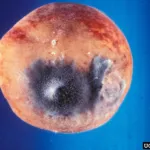 DiseaseRhizopus soft rotRhizopus stolonifer
 Environmental stressWaterlogging
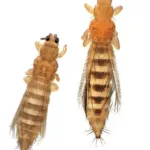 PestOnion thripsThrips tabaci Lindeman
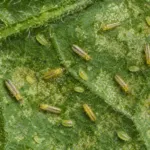 PestMelon thripsThrips palmi Karny
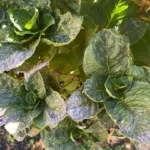 PestChilli thripsScirtothrips dorsalis Hood
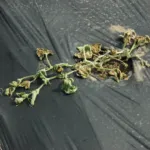 DiseaseBacterial WiltRalstonia solanacearum species complex
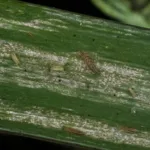 PestDracaena ThripsParthenothrips dracaenae
Toxicity and pollen
Raw tissues contain insoluble calcium oxalate crystals that can cause immediate burning, oral irritation, drooling, swelling, vomiting, or dermatitis after chewing or contact. Taro is a food crop only after appropriate preparation and cooking; ornamental plants and unverified plant material should not be eaten. Wear gloves when handling damaged tissue or preparing corms, and keep the plant away from children and pets.
- Pollination / pollen
- Pollen confined mainly to occasional inflorescences; not a prominent wind-dispersed source
Although the plant produces pollen when it flowers, its inflorescences are not generally treated as a major airborne pollen source in household or landscape allergy guidance. Evidence is insufficient to assign a precise allergen risk, so sensitive individuals should avoid direct contact with flowers and sap if irritation occurs.
Native habitat
Colocasia esculenta is associated with warm, humid lowland habitats and cultivated wet soils, including stream margins and other consistently moist sites. It tolerates inundation better than many ornamental perennials, but container culture requires oxygenated, non-stagnant substrate.
Interesting fact
The cultivar is valued primarily for foliage rather than flowers. Its dark coloration is strongest in bright light with adequate moisture. The species is an important tropical food crop, but raw tissues contain irritating calcium oxalates. Colocasia inflorescences can be associated with specialized fly pollinators.
Frequently asked questions (FAQ)
The most relevant questions about this plant, with short and direct answers.
🌱Quick care
What is Colocasia esculenta 'Black Magic'?⌄
Colocasia esculenta 'Black Magic' is a tropical elephant ear cultivar grown for its large, dark purple to nearly black leaves. It is a tuberous perennial in warm climates but is commonly grown as a summer annual or overwintered indoors in colder parts of the United States.
How much sun does Black Magic taro need?⌄
Give Black Magic taro full sun to partial shade. Morning sun and afternoon shade are useful in hot climates, while brighter light generally helps maintain its deepest purple-black foliage.
How often should I water Black Magic taro?⌄
Water Black Magic taro whenever necessary to keep the soil consistently moist to wet. Do not allow the root zone to dry out, especially during hot weather, although containers should still drain freely.
How big does Black Magic taro get?⌄
Black Magic taro commonly reaches about 3 to 6 feet tall and wide when it has warmth, moisture, fertility, and a long growing season. Container-grown plants are often smaller.
🌤️Environment and placement
Where should I plant Black Magic taro outdoors?⌄
Plant it in a warm, sheltered location with fertile, moisture-retentive soil and full sun to partial shade. It works well in borders, large containers, rain gardens, and pond margins where the soil stays wet.
Can Black Magic taro grow in water?⌄
Yes, established Black Magic taro can grow in very wet soil and may be planted as a pond marginal. Some references allow shallow standing water, but avoid submerging the crown or placing a newly planted division in deep water before it is actively growing.
Can Black Magic taro grow indoors?⌄
Yes, Black Magic taro can be grown indoors near a very bright window or under a strong grow light. Provide warmth, humidity, and evenly moist soil, while allowing excess water to drain from the container.
What USDA hardiness zones can grow Black Magic taro outdoors?⌄
Black Magic taro is generally treated as a tender perennial, with reliable outdoor overwintering limited to warm USDA zones roughly 9 and above. In colder zones, grow it as an annual or lift the tubers before freezing weather.
Will Black Magic taro survive frost?⌄
No, Black Magic taro is not frost-hardy. Frost can kill the foliage, and freezing temperatures can damage or destroy the tuber, so move containers indoors or dig and store the underground structures before a hard freeze.
💧Care and problems
What soil is best for Black Magic taro?⌄
Use fertile, organic-rich, moist to wet, well-drained loam. The soil should hold steady moisture without remaining stagnant around the crown, and adding compost can support the vigorous leaf growth.
Should I fertilize Black Magic taro?⌄
Yes, fertilize Black Magic taro regularly during active growth because it produces substantial foliage. Apply a balanced fertilizer according to the product label, and reduce or stop feeding when the plant enters winter dormancy.
Why are my Black Magic taro leaves turning green?⌄
Black Magic taro leaves may appear greener when light is insufficient, growth is young, or the plant is under stress. Move it gradually toward brighter light and keep moisture and nutrition consistent, but expect some natural variation in color.
Why are Black Magic taro leaves curling or developing brown edges?⌄
Curling or brown leaf edges usually indicate moisture stress, dry air, excessive sun or heat, or root problems. Check the soil first, protect the plant from harsh afternoon exposure, and make sure the container drains without drying rapidly.
Why is my Black Magic taro drooping?⌄
Black Magic taro may droop from dry soil, cold temperatures, transplant shock, insufficient light, or root damage. Check moisture and temperature before watering again, because persistently wet, poorly drained soil can also cause wilting through root or tuber rot.
What pests commonly affect Black Magic taro?⌄
Aphids, spider mites, and whiteflies can affect Black Magic taro, particularly indoors or in dry conditions. Inspect leaf undersides regularly and improve plant hygiene, airflow, and growing conditions before using a labeled treatment if needed.
How do I prevent Black Magic taro from rotting?⌄
Prevent rot by using fertile but well-drained soil, avoiding damage to the crown, and reducing watering during dormancy. Consistently wet soil is suitable during active growth, but cold, waterlogged conditions are especially risky.
🪴Planting and repotting
When should I plant Black Magic taro outdoors?⌄
Plant Black Magic taro outdoors after the danger of frost has passed and the soil has warmed, ideally when nighttime temperatures remain above about 50°F. Acclimate indoor-grown plants gradually to direct outdoor light to reduce leaf scorch.
How deep should I plant Black Magic taro tubers?⌄
Plant the tuber with the growing point facing upward and cover it with roughly 1 to 2 inches of soil. Keep the medium warm and lightly moist until shoots emerge, then increase watering as active growth develops.
Can Black Magic taro grow in a container?⌄
Yes, Black Magic taro grows well in a large container with drainage holes and moisture-retentive potting mix. Choose a heavy, stable pot because mature foliage can become top-heavy, and expect to water more frequently than plants in the ground.
When should I repot Black Magic taro?⌄
Repot Black Magic taro in spring when new growth begins or when roots fill the container. Move it into a pot only modestly larger than the current one, use fresh rich mix, and water thoroughly after repotting.
✂️Propagation and pruning
How do you propagate Black Magic taro?⌄
Propagate Black Magic taro by separating offsets or dividing the tuberous clump. Each division should have a healthy growing point, and divisions establish best in warm, fertile, consistently moist soil.
Can Black Magic taro be grown from seed?⌄
Black Magic taro is normally propagated by offsets or division rather than seed because seed is uncommon and may not produce plants identical to the named cultivar. Division is the more reliable method for preserving its characteristic foliage.
When should I divide Black Magic taro?⌄
Divide Black Magic taro in late winter or spring as dormancy ends and new growth is beginning. Use a clean, sharp knife, handle the tubers carefully, and replant divisions promptly in warm, moist growing medium.
Should I prune Black Magic taro?⌄
Routine pruning is not required. Remove yellow, damaged, or frost-killed leaves at the base with clean tools, but avoid cutting healthy leaves because the plant needs them to build energy in its tuber.
How do I overwinter Black Magic taro indoors?⌄
Before freezing weather, bring a container-grown plant indoors or lift the tubers after the foliage dies back. Store dormant tubers in a cool, dark, frost-free place around 50 to 60°F in barely moist peat, vermiculite, or similar material, checking periodically for rot.
Can I keep Black Magic taro as a houseplant over winter?⌄
Yes, you can keep Black Magic taro actively growing indoors if you provide strong light, warmth, humidity, and consistent moisture. Alternatively, let it go dormant in a frost-free location and reduce watering substantially.
⚠️Toxicity and safety
Is Black Magic taro poisonous to people?⌄
Yes, Black Magic taro is moderately toxic if chewed raw because its tissues contain irritating calcium oxalate crystals. Keep raw leaves, stems, and tubers away from children and pets, and wear gloves if the sap irritates your skin.
Can you eat Black Magic taro?⌄
Do not eat Black Magic taro as an ornamental plant unless its identity and preparation are specifically verified. Raw taro tissues are irritating, and proper cooking is required to reduce the compounds responsible for mouth and throat irritation.
Is Black Magic taro toxic to dogs and cats?⌄
Yes, Black Magic taro can irritate the mouth and digestive tract of dogs and cats if chewed or swallowed. Contact a veterinarian or animal poison service promptly if a pet has eaten the plant or develops drooling, pawing at the mouth, vomiting, or difficulty swallowing.
🌸Flowering and special interest
Does Black Magic taro flower?⌄
Black Magic taro can produce small yellowish-white arum-type flowers, but flowering is uncommon in cultivation and the plant is primarily valued for its foliage. Warmth, maturity, long growing seasons, and strong growing conditions may encourage blooms.
Why is my Black Magic taro not flowering?⌄
A lack of flowers is usually normal for Black Magic taro and is not necessarily a care problem. The plant may flower only after reaching maturity and receiving a long, warm growing season with adequate moisture and nutrition.
Similar plants
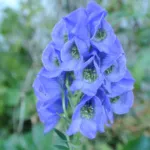 Azure Monkshood (Aconitum carmichaelii) care guideAconitum carmichaelii
 Monkshood (Aconitum ‘Stainless Steel’)Aconitum 'Stainless Steel'
 Monkshood (Aconitum ‘Bressingham Spire’)Aconitum 'Bressingham Spire'
 Golden full moon maple (Acer shirasawanum ‘Aureum’)Acer shirasawanum 'Aureum'
 Globosum (Acer platanoides ‘Globosum’)Acer platanoides 'Globosum'
 Striped maple (Acer pensylvanicum) care guideAcer pensylvanicum