
 Source:
 Alocasia watsoniana short overview
Alocasia watsoniana is a rare tropical aroid valued for dramatic, deeply lobed leaves marked by pale veins rather than for showy blooms. In the United States it is best grown as a warm indoor or greenhouse specimen, protected from drafts and temperatures below 60°F. Give it bright filtered light, high humidity, an airy organic mix, and steady moisture without waterlogged roots. Species-specific cultural data remain limited, so some recommendations follow established Alocasia practice.
Taxonomic classification
Alocasia watsoniana care guide
Light and placement
Provide bright filtered light near an east- or north-facing window, or place a few feet back from a bright south- or west-facing window behind a sheer curtain. Gentle morning sun is usually safer than intense afternoon exposure. Too little light causes stretched petioles, smaller leaves, and slower growth; too much direct sun can bleach or scorch the leaf surface.
Watering and humidity
Water thoroughly when the upper 1–2 inches of mix feel partly dry, then let excess drain completely. Reduce frequency during cool, dim periods or dormancy, but do not allow the corm to remain bone-dry for long. High humidity helps leaf expansion, yet humid air cannot compensate for waterlogged roots; combine moisture with warmth, drainage, and gentle air movement.
Soil and growing medium
Use a loose, airy aroid mix containing fine bark, coco coir or peat substitute, perlite, and compost or another modest organic component. The mix should hold light moisture while draining quickly. A slightly acidic to neutral reaction is suitable; avoid dense garden soil and permanently saturated containers, which greatly increase corm and root-rot risk.
Feeding
Feed only during active growth, usually spring through early fall in a warm indoor or greenhouse setting. Use a complete balanced houseplant fertilizer diluted to about half the label rate every 3–4 weeks, applied to already-moist soil. Pause during dormancy, after repotting, or when roots are stressed. Periodically flush the container to reduce fertilizer-salt buildup.
Growth and habit
This is a warm-growing, clump-forming aroid that can produce new shoots or corm offsets under stable conditions. Growth commonly slows or stops after cold exposure, low light, dry air, transplant shock, or damaged roots. Maintain steady warmth and inspect the root zone when leaves yellow rapidly; do not compensate for stress by keeping the medium constantly saturated.
Planting and repotting
Plant only after temperatures remain reliably warm, ideally above 60°F at night. Set the corm or rooted division shallowly, with the upper portion near the soil surface rather than deeply buried. Allow about 12–18 inches of space for a specimen, adjusting for the individual plant’s mature spread. Establish gradually and protect from direct hot afternoon sun.
Repot in spring or early summer only when the container is crowded or the medium has broken down. Move up one pot size, keep the corm at its previous depth, and avoid disturbing healthy roots unnecessarily. Use a container with ample drainage holes and allow the fresh mix to settle before resuming a normal watering rhythm.
Propagation and pruning
Propagation
Propagation is normally by separating offsets or dividing a mature clump during warm active growth. Small corms can also be started in a warm, lightly moist, airy medium, but they require patience and careful moisture control. Keep new divisions warm and humid until roots are established; avoid propagating from weak or rotting material.
Pruning
Remove yellowing or badly damaged leaves at the base with sterilized pruners. Do not routinely cut healthy leaves, since the plant needs active foliage to support corm and root growth. Wear gloves because cut sap and plant tissue may irritate skin, and clean tools after use.
Overwintering
Grow indoors or in a heated greenhouse before nights fall below 60°F. Keep it away from exterior doors, cold windows, heaters, and forced-air vents. In winter, reduce watering as growth slows, maintain bright filtered light, and inspect the corm for soft spots. Do not expose it to frost or prolonged temperatures near 50°F.
Uses
Used as a collector’s foliage plant for warm indoor displays, humidity cabinets, conservatories, and heated greenhouses. Its architectural leaves suit tropical planting schemes in frost-free climates. It is not recommended as a food or medicinal plant, and all parts should be kept away from children and animals because of calcium-oxalate irritation.
Appearance
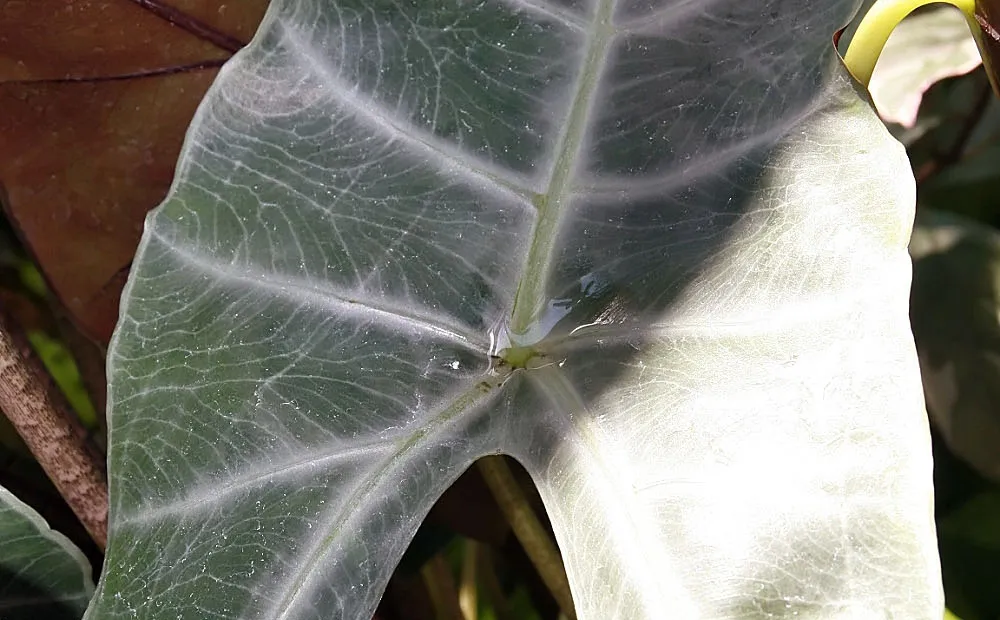
The plant forms upright petioles bearing dramatic sagittate to deeply lobed leaves. Mature blades are typically dark green with conspicuous pale silvery or whitish veins, creating a high-contrast collector-plant appearance. The corm-forming habit and aroid inflorescence help distinguish it from unrelated tropical foliage plants, although trade specimens may vary and species identification can be difficult.
Flowering
Like other Alocasia, it produces a typical aroid inflorescence consisting of a spathe surrounding a spadix, but flowering is not the primary ornamental feature and species-specific flowering timing is poorly documented. Mature, actively growing plants may flower under warm, bright, stable conditions. Do not expect regular indoor blooming.
Pollination and visitors
No reliable species-specific pollinator or visitor record was confirmed in the reviewed sources. As an aroid, the plant has a specialized spathe-and-spadix inflorescence, but a characteristic animal visitor should not be assigned without direct evidence.
Alocasia watsoniana photos
Click any photo for a larger view. Source, author and license are shown separately.
Diseases and pests
Diseases
The main risks are root or corm rot from stagnant, over-wet media and opportunistic fungal or bacterial leaf spotting. Use clean tools, avoid wetting the foliage late in the day, provide air movement, and remove badly damaged tissue. Isolate affected plants, correct drainage and watering first, and discard severely rotted tissue rather than repeatedly treating a failing corm.
Pests
Check leaf undersides and petiole bases for spider mites, thrips, mealybugs, and scale. Dry air and stressed plants are especially vulnerable to mites. Improve humidity without trapping stagnant air, rinse foliage when appropriate, isolate infested specimens, and use a labeled insecticidal soap or horticultural oil according to its US label. Repeat treatments as directed because eggs and hidden stages may survive one application.
Related diseases and pests
Only Plant Doctor profiles whose host data indicate this plant may be affected are shown here.
 DiseaseBacterial soft rotPectobacterium carotovorum
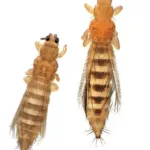 PestOnion thripsThrips tabaci Lindeman
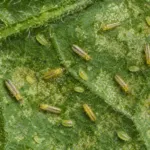 PestMelon thripsThrips palmi Karny
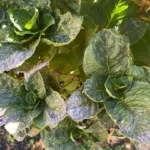 PestChilli thripsScirtothrips dorsalis Hood
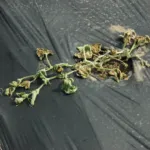 DiseaseBacterial WiltRalstonia solanacearum species complex
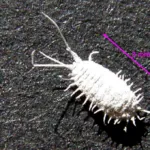 PestObscure mealybugPseudococcus viburni
 DiseaseBacterial Fruit BlotchAcidovorax citrulli
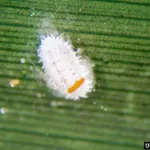 PestCitrus mealybugPlanococcus citri
Toxicity and pollen
Alocasia tissues are regarded as toxic because they contain insoluble calcium oxalate crystals that can cause immediate mouth and throat irritation, pain, swelling, drooling, vomiting, or difficulty swallowing if chewed. Species-specific toxicology for Alocasia watsoniana is limited, so handle it conservatively as toxic. Keep away from children and pets, wear gloves when cutting damaged tissue, and seek medical or veterinary advice after ingestion.
- Pollination / pollen
- Species-specific dispersal details unavailable
Alocasia watsoniana is a flowering plant, but reliable species-specific measurements of airborne pollen release and allergy incidence were not located. Its pollen relevance is therefore uncertain rather than assumed to be zero. People with known plant allergies should avoid touching the face after handling flowers or foliage and wash hands after maintenance.
Native habitat
Species-level habitat details are not well documented in broadly accessible horticultural sources. Alocasia watsoniana is treated conservatively as a tropical Asian forest aroid associated with warm, humid conditions and organic, well-drained substrates. Replicate filtered light, high atmospheric humidity, and moist but aerated root conditions rather than swampy soil.
Interesting fact
The plant is valued primarily for foliage, not ornamental flowers.
Its inflorescence is a spathe-and-spadix structure typical of Araceae.
The requested species has limited widely available horticultural documentation.
Alocasia foliage can decline quickly after cold or root stress.
Corm and root health are more important than keeping the mix constantly wet.
Frequently asked questions (FAQ)
The most relevant questions about this plant, with short and direct answers.
🌱Quick care
How do you care for Alocasia watsoniana indoors?⌄
Give Alocasia watsoniana bright filtered light, evenly moist but well-drained soil, warm temperatures, and moderate-to-high humidity. Protect it from cold drafts, direct hot sun, and standing water.
Is Alocasia watsoniana difficult to grow?⌄
Alocasia watsoniana is moderately demanding rather than exceptionally difficult. Consistent warmth, humidity, moisture, and airy soil are the main factors that prevent setbacks.
🌤️Environment and placement
What light does Alocasia watsoniana need?⌄
Alocasia watsoniana grows best in bright filtered or indirect light to partial shade. Avoid strong midday sun through glass, which can scorch its leaves.
Can Alocasia watsoniana grow in low light?⌄
It can survive in lower light, but growth is usually slower and leaves may be smaller or less vigorous. Move it closer to a bright window or use a grow light if new growth weakens.
What window is best for Alocasia watsoniana?⌄
An east- or north-facing window is usually suitable, while a bright south- or west-facing window should be filtered with a sheer curtain. Keep the foliage out of harsh direct afternoon sun.
What temperature is best for Alocasia watsoniana?⌄
Keep Alocasia watsoniana warm, ideally above 60°F. It is frost tender and should be protected from temperatures below 60°F, cold drafts, and sudden temperature drops.
How much humidity does Alocasia watsoniana need?⌄
Moderate-to-high humidity helps Alocasia watsoniana maintain healthy foliage and unfurl leaves properly. A humidifier is generally more reliable than occasional misting, especially during dry indoor heating periods.
💧Care and problems
How often should you water Alocasia watsoniana?⌄
Water when the upper layer of the mix has begun to dry, then water thoroughly until excess drains away. Adjust the schedule to light, temperature, pot size, and season rather than using a fixed calendar.
Should Alocasia watsoniana soil dry out completely?⌄
No, Alocasia watsoniana prefers evenly moist soil and should not remain completely dry for extended periods. Allow only the surface to dry slightly before watering again.
Why are the leaves of my Alocasia watsoniana turning yellow?⌄
Yellow leaves commonly result from overwatering, poor drainage, low light, or normal aging of an older leaf. Check the roots and soil moisture before watering again, and improve light if the plant is dimly placed.
Why is Alocasia watsoniana drooping?⌄
Drooping can indicate dry soil, cold stress, root problems, or insufficient light. Check the moisture and roots first, then keep the plant warm and avoid letting the pot sit in water.
Why is Alocasia watsoniana losing leaves?⌄
Leaf loss may follow cold exposure, low light, overwatering, root rot, or seasonal dormancy. If the rhizome remains firm and healthy, the plant may recover and produce new leaves after conditions improve.
Why are Alocasia watsoniana leaves developing brown edges?⌄
Brown edges are often associated with dry air, inconsistent watering, salt buildup, or excessive direct sun. Keep moisture steadier, raise humidity, flush accumulated salts, and filter intense light.
Why is my Alocasia watsoniana not producing new leaves?⌄
Slow or stalled growth is usually caused by cool temperatures, inadequate light, low humidity, root stress, or dormancy. Provide warmth and bright filtered light, and inspect the roots if the soil stays wet for too long.
Does Alocasia watsoniana go dormant in winter?⌄
It may slow down or temporarily lose leaves during winter when light and temperatures decline. Reduce watering as growth slows, but do not keep the rhizome constantly wet or allow it to become severely shriveled.
Should you fertilize Alocasia watsoniana?⌄
Fertilize lightly during active growth with a diluted, balanced houseplant fertilizer. Avoid heavy feeding when the plant is dormant, stressed, newly repotted, or growing in saturated soil.
🪴Planting and repotting
What soil is best for Alocasia watsoniana?⌄
Use an airy organic aroid mix containing moisture-retentive organic material plus drainage components such as perlite, pumice, bark, or similar amendments. The mix should drain quickly while remaining lightly moist.
What type of pot does Alocasia watsoniana need?⌄
Choose a pot with drainage holes that is only slightly larger than the root system. A stable, moderately heavy pot can help support the plant, but an oversized container increases the risk of wet soil and root rot.
When should you repot Alocasia watsoniana?⌄
Repot in spring or during active growth when roots fill the container, drainage is poor, or the mix has broken down. Avoid unnecessary repotting during dormancy or immediately after severe stress.
How deep should Alocasia watsoniana be planted?⌄
Plant the rhizome at approximately its previous depth, with the crown and growing point kept near the soil surface. Do not bury the crown deeply, because excess moisture around it can encourage rot.
✂️Propagation and pruning
How do you propagate Alocasia watsoniana?⌄
Propagate Alocasia watsoniana by separating rooted offsets or dividing healthy rhizomes during active growth. Each division should have viable tissue and, preferably, roots or a developing growth point.
Can Alocasia watsoniana be propagated from a leaf cutting?⌄
No, a leaf cutting alone cannot normally produce a new Alocasia watsoniana plant. Propagation requires a piece of rhizome, a corm, or a rooted offset containing a growth point.
Can Alocasia watsoniana regrow after losing all its leaves?⌄
Yes, it can regrow from a firm, healthy rhizome or corm after leaf loss. Keep it warm with bright filtered light and water cautiously until new growth appears.
When is the best time to divide Alocasia watsoniana?⌄
The best time is during spring or another period of active growth. Warm conditions help separated offsets or rhizome divisions establish faster and reduce the risk of prolonged wetness.
⚠️Toxicity and safety
Is Alocasia watsoniana toxic to pets?⌄
Yes, Alocasia watsoniana is toxic to pets if chewed or eaten because it contains insoluble calcium oxalates. Keep it away from cats, dogs, and other animals that may nibble plants.
Is Alocasia watsoniana poisonous to humans?⌄
Yes, ingestion can cause painful irritation and swelling of the mouth, tongue, throat, and digestive tract because of insoluble calcium oxalates. Keep it away from children, and seek medical or poison-control advice after ingestion.
Should you wear gloves when handling Alocasia watsoniana?⌄
Gloves are a sensible precaution when cutting, dividing, or handling damaged tissue because the sap and plant material can irritate skin. Wash your hands afterward and keep tools and trimmings away from children and pets.
🌸Flowering and special interest
Does Alocasia watsoniana flower indoors?⌄
It can produce a typical aroid inflorescence indoors, but flowering is not guaranteed and is less common than foliage growth. Mature, healthy plants receiving strong filtered light and stable warmth are more likely to bloom.
What does an Alocasia watsoniana flower look like?⌄
The flower is an aroid-type inflorescence consisting of a spathe surrounding a spadix. It is usually much less showy than the foliage, and orange-red fruits may follow successful pollination.
Similar plants
 Azure Monkshood (Aconitum carmichaelii) care guideAconitum carmichaelii
 Monkshood (Aconitum ‘Stainless Steel’)Aconitum 'Stainless Steel'
 Monkshood (Aconitum ‘Bressingham Spire’)Aconitum 'Bressingham Spire'
 Golden full moon maple (Acer shirasawanum ‘Aureum’)Acer shirasawanum 'Aureum'
 Globosum (Acer platanoides ‘Globosum’)Acer platanoides 'Globosum'
 Striped maple (Acer pensylvanicum) care guideAcer pensylvanicum