
 Source:
Variegata (Nerium oleander ‘Variegata’) short overview
Nerium oleander 'Variegata' is an evergreen shrub valued for narrow green leaves edged in cream to yellow and clusters of soft pink or lavender flowers. It performs best in full sun, warm climates, and well-drained soil, tolerating drought once established. In much of the United States it is best grown in a container or protected site and overwintered away from hard frost. Every part is highly toxic to people and pets.
Taxonomic classification
Variegata (Nerium oleander ‘Variegata’) care guide
Light and placement
Give full sun, ideally with a south- or west-facing exposure and shelter from cold winter winds. Six or more hours of direct light supports dense growth and flowering. Too little light produces elongated stems, fewer flowers, and weaker variegation. In very hot inland sites, harsh reflected afternoon heat can scorch pale leaf margins, especially on container plants.
Watering and humidity
Water deeply when the upper few inches of soil begin to dry, then allow excess water to drain completely. Keep newly planted specimens evenly moist during their first growing season; established plants can tolerate substantial dryness. Reduce watering in cool weather and during indoor winter rest, but do not let container roots remain bone dry for prolonged periods.
Soil and growing medium
Use a sharply drained, moderately fertile substrate based on loam, sand, or other mineral material. Oleander tolerates clay, alkaline, and somewhat saline soils, but prolonged saturation encourages root problems. A pH from slightly acidic through slightly alkaline is acceptable; containers need drainage holes and a fast-draining potting mix.
Feeding
Feed container plants in spring and summer with a balanced, complete fertilizer at label strength, or use a controlled-release product at the start of active growth. Reduce feeding in late summer and stop during cool winter rest. Do not fertilize drought-stressed, recently repotted, or dormant plants.
Growth and habit
A fast-growing, multi-stemmed evergreen shrub that can become a large specimen or be trained as a small tree. Regular selective pruning maintains density and size. Variegated foliage may reduce vigor compared with fully green forms, and plants become less floriferous in insufficient light.
Planting and repotting
Plant outdoors in spring after the danger of hard frost has passed, setting the root ball level with the surrounding soil. Water deeply during establishment and leave adequate room for air circulation. In colder regions, plant in a movable container rather than exposing the roots to winter freezes.
Repot container plants in spring when roots have filled the pot, moving up only one container size. Refresh part of the old mix rather than disturbing the root ball excessively. Use a heavy, stable container because mature plants can become top-heavy.
Propagation and pruning
Propagation
Semi-hardwood cuttings in summer are the practical method for maintaining the cultivar. Seed is possible but will not reliably reproduce variegated foliage or flower traits. Air layering can be done in spring. Handle cut material carefully because the sap is toxic.
Pruning
Prune after the main flowering flush or during late winter for plants grown under cover. Remove dead, damaged, crossing, or weak stems and shorten long shoots to maintain a balanced framework. Heavy cutting back is tolerated, but wear gloves and protect eyes and skin from sap; never burn the prunings.
Overwintering
Move containers indoors, into a cool bright room, or into a protected greenhouse before temperatures approach freezing. Reduce watering during winter and provide good ventilation. In marginal outdoor climates, protect the root zone and canopy from freezes, but expect possible dieback after severe cold. Do not overwinter near children or pets.
Uses
Used as an ornamental specimen, hedge, screen, patio plant, or trained standard in warm climates. It is also suitable for containers that can be overwintered under cover. Because every part is poisonous, avoid edible landscapes, children’s play areas, pet runs, grazing areas, and locations where prunings could be mishandled.
Appearance
Leaves are narrow, leathery, glossy, and lance-shaped, with green centers and irregular cream to yellow margins. Stems are upright and multi-branched, with foliage held oppositely or in whorls. The plant forms a rounded shrub but can be trained to a single trunk. The variegated margins are the main identification feature.
Flowering
Terminal clusters appear mainly from late spring through fall in warm US climates. Flowers are funnel-shaped and may be single or semi-double depending on the plant. Cultivar descriptions differ slightly on color, reporting soft pink, lavender, or pink flowers, so exact bloom color may vary by clone or growing conditions.
Pollination and visitors
Reliable cultivar-specific pollinator records were not located. Oleander flowers are visited by insects in some regions, but the available evidence is insufficient to assign a characteristic visitor group or attraction rating to this cultivar.
Nerium oleander 'Variegata' photos
Click any photo for a larger view. Source, author and license are shown separately.
Diseases and pests
Diseases
Avoid saturated soil and improve drainage to reduce root and crown diseases. Oleander may occasionally be affected by fungal leaf spots, cankers, or honey fungus. Remove badly affected tissue with sterilized tools, discard debris, and avoid overhead irrigation; severe decline warrants professional diagnosis.
Pests
Scale insects, mealybugs, aphids, and spider mites may occur, especially on stressed or overwintered plants. Inspect leaf undersides and stems, isolate infested containers, wash foliage when appropriate, and use horticultural oil or insecticidal soap according to the label. Avoid unnecessary broad-spectrum insecticides.
Related diseases and pests
Only Plant Doctor profiles whose host data indicate this plant may be affected are shown here.
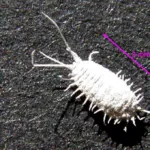 PestObscure mealybugPseudococcus viburni
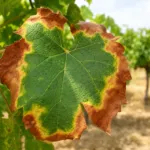 DiseaseXylella fastidiosa bacterial diseasesXylella fastidiosa
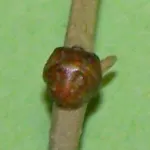 PestBlack scaleSaissetia oleae
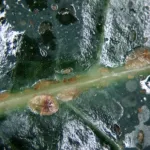 PestBrown Soft ScaleCoccus hesperidum
 PestCalifornia red scaleAonidiella aurantii
 DiseaseCoral Spot CankerNectria cinnabarina
 DiseaseScleroderris CankerGremmeniella abietina (Lagerberg) Morelet
 DiseaseCytospora CankerCytospora chrysosperma
Toxicity and pollen
Oleander contains potent cardiac glycosides, including oleandrin. Leaves, flowers, stems, sap, and seeds are poisonous if eaten, and serious poisoning can affect the heart and gastrointestinal system. Do not burn prunings, do not use branches for cooking or skewers, wear gloves when cutting, and seek urgent poison-control or medical advice after ingestion.
- Typical season
- No reliable cultivar-specific US season documented
- Pollination / pollen
- Pollen produced within insect-visited flowers; airborne relevance uncertain
No dependable cultivar-specific airborne-pollen or allergy study was found. Oleander is generally grown for insect-visited flowers rather than wind-dispersed pollen, but insect pollination does not prove that allergy risk is zero. Sensitive individuals should avoid handling flowering material if symptoms occur.
Native habitat
The species is associated with warm Mediterranean and subtropical climates, often near seasonal streams, riverbanks, and other sites with access to moisture but strong drainage. It tolerates heat, drought, alkaline soil, and some salinity once established, but is not reliably hardy through severe US winters.
Interesting fact
The cultivar is valued for foliage as much as for flowers. Oleander can be trained as a small standard or tree form. Its evergreen leaves are arranged opposite or in whorls. The species is adapted to hot, dry regions but naturally occurs near watercourses and seasonal streams.
Frequently asked questions (FAQ)
The most relevant questions about this plant, with short and direct answers.
🌱Quick care
What is Nerium oleander 'Variegata' known for?⌄
Nerium oleander 'Variegata' is an evergreen oleander cultivar valued for cream- or yellow-edged variegated leaves and showy, often pink flowers. It is a fast-growing shrub or small tree that can be trained as a standard.
How much sun does Nerium oleander 'Variegata' need?⌄
Give Nerium oleander 'Variegata' full sun for the strongest growth, best variegation, and heaviest flowering. It can tolerate part shade, but reduced light commonly produces lankier growth and fewer flowers.
How often should I water Nerium oleander 'Variegata'?⌄
Water it moderately, allowing the soil to dry somewhat between thorough waterings. Established plants are highly drought tolerant, but regular water during prolonged heat and drought supports better growth and flowering.
Is Nerium oleander 'Variegata' evergreen?⌄
Yes, Nerium oleander 'Variegata' is generally evergreen in warm climates. It may lose leaves or suffer dieback after severe cold, especially when grown near the colder edge of its range.
🌤️Environment and placement
What USDA hardiness zones are suitable for Nerium oleander 'Variegata'?⌄
Nerium oleander 'Variegata' is best suited to USDA Zones 9A through 11. In colder areas, grow it in a container that can be protected indoors or in a sheltered structure during freezing weather.
Can Nerium oleander 'Variegata' tolerate drought?⌄
Yes, established Nerium oleander 'Variegata' tolerates drought exceptionally well. It grows and flowers more vigorously with occasional deep watering, particularly during extended summer heat.
What type of soil does Nerium oleander 'Variegata' prefer?⌄
Use well-drained soil; Nerium oleander 'Variegata' tolerates loam, sand, clay, acidic soil, alkaline soil, and calcareous conditions. Avoid persistently waterlogged sites because poor drainage can damage the roots.
Can Nerium oleander 'Variegata' tolerate salt spray?⌄
Nerium oleander 'Variegata' has moderate tolerance of aerosol salt and good tolerance of soil salinity. It can work in some coastal landscapes, but protect it from severe exposure and provide well-drained soil.
How large does Nerium oleander 'Variegata' get?⌄
In a suitable warm climate, Nerium oleander 'Variegata' can reach about 10 to 18 feet tall and 10 to 15 feet wide. Its final size is smaller in containers, colder climates, or with regular pruning.
Can Nerium oleander 'Variegata' grow in a container?⌄
Yes, Nerium oleander 'Variegata' grows well in a large container with drainage holes and a sharply draining potting mix. Container plants need more frequent watering in summer and winter protection in freezing climates.
💧Care and problems
How do I fertilize Nerium oleander 'Variegata'?⌄
Apply a balanced slow-release fertilizer in spring, following the product label. Established plants often need only light annual fertilization, while excessive nitrogen can encourage leafy growth at the expense of flowers.
Why is my Nerium oleander 'Variegata' not flowering?⌄
Insufficient sunlight, cold weather, drought stress, excessive shade, or heavy pruning can reduce flowering. Move or maintain the plant in full sun, water during prolonged drought, and avoid removing developing flowering shoots.
Why are the leaves of Nerium oleander 'Variegata' turning brown?⌄
Brown leaves can result from frost, drought, root problems, salt buildup, or severe pest damage. Check soil drainage and watering, protect the plant from cold, and inspect the foliage and stems for scale or caterpillars.
What pests commonly attack Nerium oleander 'Variegata'?⌄
Scale insects and oleander caterpillars are the most notable pests. Caterpillars can defoliate a plant rapidly, so inspect leaf undersides and new growth regularly and use a treatment labeled for the pest and plant.
Does Nerium oleander 'Variegata' have serious disease problems?⌄
Nerium oleander 'Variegata' generally has few major disease problems when grown in full sun and well-drained soil. Persistent wetness can increase the risk of root-related problems, so avoid overwatering and poorly drained sites.
🪴Planting and repotting
When is the best time to plant Nerium oleander 'Variegata'?⌄
Plant Nerium oleander 'Variegata' in spring after the danger of hard frost has passed, or in early fall where winters remain mild. This timing gives the roots time to establish before extreme heat or cold.
How far apart should I plant Nerium oleander 'Variegata' for a hedge?⌄
For a large landscape screen, space Nerium oleander 'Variegata' about 5 to 7 feet apart on center. Allow more room for an informal specimen or less if you plan to maintain a narrower hedge by pruning.
Can Nerium oleander 'Variegata' be grown as a small tree?⌄
Yes, Nerium oleander 'Variegata' can be trained to a single trunk or maintained as a multi-trunk small tree. Begin structural pruning while young and remove weakly attached or poorly positioned branches.
How should I protect Nerium oleander 'Variegata' from frost?⌄
Protect Nerium oleander 'Variegata' when temperatures approach about 20°F, because it is frost-tender. Use a sheltered location, cover plants during brief freezes, and move container specimens indoors or into a protected structure.
✂️Propagation and pruning
How do you propagate Nerium oleander 'Variegata'?⌄
Propagate Nerium oleander 'Variegata' primarily from stem cuttings, which preserve the cultivar’s variegated characteristics. Take healthy cuttings, root them in a clean, well-drained medium, and keep them evenly moist but not saturated.
When should Nerium oleander 'Variegata' be pruned?⌄
Prune Nerium oleander 'Variegata' in spring to shape the plant, remove damaged wood, and improve its structure. Lightly trimming spent flower clusters can encourage additional flowering, but severe pruning may reduce the next bloom cycle.
Should I remove suckers from Nerium oleander 'Variegata'?⌄
Yes, remove basal suckers when they are young if you want a cleaner plant or better flowering. Suckers can divert energy from the main stems and are especially important to remove when training the plant as a standard.
⚠️Toxicity and safety
Is Nerium oleander 'Variegata' poisonous?⌄
Yes, Nerium oleander 'Variegata' is highly toxic to people and pets, and all parts of the plant should be treated as poisonous. Keep it away from children and animals, and never use its leaves, flowers, wood, or seeds for food or remedies.
Can touching Nerium oleander 'Variegata' make you sick?⌄
Normal brief contact is not the primary danger, but sap can irritate some people and accidental ingestion can be life-threatening. Wear gloves when pruning, wash afterward, and avoid touching your mouth or eyes while handling the plant.
Is it safe to burn Nerium oleander 'Variegata' trimmings?⌄
No, never burn Nerium oleander 'Variegata' trimmings because the smoke can contain toxic compounds. Bag or dispose of the cut material according to local yard-waste rules, and keep it away from livestock, pets, and children.
What should I do if someone eats Nerium oleander 'Variegata'?⌄
Treat any ingestion as an emergency and call 911 or Poison Help at 1-800-222-1222 in the United States. Do not induce vomiting or wait for symptoms, and keep a sample or photograph of the plant available for responders.
🌸Flowering and special interest
When does Nerium oleander 'Variegata' bloom?⌄
Nerium oleander 'Variegata' can bloom from late spring through summer and may flower for much of the year in warm USDA Zones 9B through 11. Blooming is usually reduced during winter or after cold damage.
What color are the flowers of Nerium oleander 'Variegata'?⌄
Flower color can vary by plant and source, but Nerium oleander 'Variegata' is commonly described with pink to lavender or other light-colored flowers. Confirm the flower color with the nursery because cultivar naming is not always consistent in commerce.
Does Nerium oleander 'Variegata' have fragrant flowers?⌄
Yes, flowers of Nerium oleander cultivars are often pleasantly fragrant, although fragrance strength can vary with the individual plant and growing conditions. Warm, sunny weather typically makes the scent more noticeable.
Similar plants
 Calypso (Nerium oleander ‘Calypso’)Nerium oleander 'Calypso'
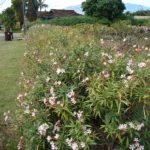 Petite Salmon (Nerium oleander ‘Petite Salmon’)Nerium oleander 'Petite Salmon'
 Alsace (Nerium oleander ‘Alsace’)Nerium oleander 'Alsace'
 Hardy Pink (Nerium oleander ‘Hardy Pink’)Nerium oleander 'Hardy Pink'
 Luteum Plenum oleander (Nerium oleander ‘Luteum Plenum’)Nerium oleander 'Luteum Plenum'
 Apple Blossom oleander (Nerium oleander ‘Apple Blossom’)Nerium oleander 'Apple Blossom'