
 Source:
Apple Blossom oleander (Nerium oleander ‘Apple Blossom’) short overview
Nerium oleander 'Apple Blossom' is a rounded, evergreen oleander cultivar introduced from Texas in 1946. It produces single, pale pink flowers with a light fragrance and is noted for its relatively cold-tolerant habit. Give it full sun, sharply drained soil, and restrained watering once established. In the United States it is best suited to warm climates, while container plants can be overwintered indoors where freezing weather occurs. All parts are highly poisonous if eaten.
Taxonomic classification
Apple Blossom oleander (Nerium oleander ‘Apple Blossom’) care guide
Light and placement
Give full sun for the best flowering, ideally with a south- or west-facing exposure and unobstructed light for most of the day. Light afternoon shade is tolerated in very hot climates but may reduce flower production. Sparse, stretched growth and weak flowering indicate insufficient light; scorched foliage usually reflects heat, drought, root damage, or reflected radiant heat rather than excessive sun alone.
Watering and humidity
Water deeply when the upper several inches of soil become dry, allowing excess water to drain completely. Keep newly planted specimens evenly moist through their first growing season, then lengthen the interval as roots establish. Container plants need more frequent summer watering but should never sit in a saucer of water; reduce watering substantially in cool winter conditions.
Soil and growing medium
Use a sharply drained sandy, loamy, or gritty soil; oleander tolerates a broad pH range from mildly acidic through alkaline. Avoid sites that remain waterlogged, especially in winter. In containers, use a high-quality potting mix amended with extra perlite, pumice, or coarse bark rather than dense garden soil.
Feeding
Feed in early spring with a balanced slow-release fertilizer at the label rate, especially in containers or poor soil. A second light feeding may be useful for container plants during active growth, but do not overfertilize. Stop feeding in late summer and avoid fertilizing drought-stressed or recently transplanted plants.
Growth and habit
A vigorous, rounded, multi-stemmed evergreen shrub that can also be trained to a single trunk. It responds well to renewal pruning and can produce basal suckers that divert energy from flowering. Growth is strongest with heat, sun, and regular moisture during establishment.
Planting and repotting
Plant outdoors in spring after the danger of hard freezes has passed, at the same depth as the root ball and never with the trunk buried. Allow approximately 5–7 feet between plants for a screening row, adjusting for the cultivar’s mature size. Water deeply during establishment, then reduce frequency as roots develop.
Repot container plants in spring when roots have filled the pot, moving up only one container size. Handle stems and roots with gloves, refresh the upper layer of mix, and ensure the new container has generous drainage holes. Large specimens may be top-dressed instead of fully repotted.
Propagation and pruning
Propagation
Root semi-ripe or hardwood cuttings in warm conditions; cuttings are the most reliable way to preserve the cultivar. Seed is possible but will not reproduce 'Apple Blossom' true to type. Wear gloves and prevent sap contact during cutting and handling.
Pruning
Prune after the main flush of flowering or in early spring to remove dead, damaged, crossing, or weak stems. Thin congested growth and remove basal suckers when young. Avoid severe annual shearing if a natural rounded form is desired. Wear gloves and eye protection, disinfect tools, and dispose of clippings safely.
Overwintering
In Zones 9b–11, protect roots from unusual freezes with mulch and cover young plants during brief cold events. In colder regions, grow it in a large container and move it indoors before temperatures approach freezing. Keep it in a bright, cool room, water sparingly, and prevent contact by children and pets.
Uses
Valued as a flowering specimen, hedge, screen, patio container, or drought-tolerant accent in warm U.S. landscapes. It is not edible and should not be used for home remedies. Do not place it where prunings, leaves, or flowers could enter compost, animal feed, or cooking areas.
Appearance
The cultivar forms a rounded shrub with long, narrow, leathery, glossy dark-green leaves arranged in pairs or whorls. Young stems are green and become gray-brown with age. Its most distinctive feature is the display of single pale-pink flowers held in terminal clusters, creating a soft contrast with the dark foliage.
Flowering
This cultivar bears single, five-petaled, funnel-shaped flowers in terminal clusters. Bloom is strongest in warm weather and generally extends from late spring through summer; plants in frost-free parts of the southern United States may flower for much of the year, while cool winters reduce or stop flowering.
Pollination and visitors
Oleander flowers can be visited by insects, including moths, but reliable cultivar-specific visitor records are limited. The plant should not be marketed as a high-value pollinator plant solely from its showy flowers.
Nerium oleander 'Apple Blossom' photos
Click any photo for a larger view. Source, author and license are shown separately.
Diseases and pests
Diseases
Prevent disease by providing full sun, good air circulation, and drainage. Watch for leaf scorch, fungal leaf spots, and dieback; remove affected material with disinfected tools and avoid overhead irrigation. Oleander leaf scorch caused by Xylella fastidiosa is a serious concern in parts of California and affected plants are generally not curable.
Pests
Oleander caterpillars, aphids, scale, mealybugs, and spider mites may occur. Inspect new growth and leaf undersides, wash small infestations away, prune heavily infested portions, and use labeled treatments only when necessary. Avoid broad-spectrum insecticides during bloom.
Related diseases and pests
Only Plant Doctor profiles whose host data indicate this plant may be affected are shown here.
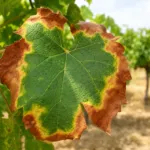 DiseaseXylella fastidiosa bacterial diseasesXylella fastidiosa
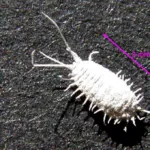 PestObscure mealybugPseudococcus viburni
 PestBlack scaleSaissetia oleae
 PestBrown Soft ScaleCoccus hesperidum
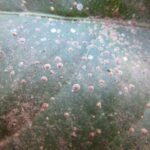 PestCalifornia red scaleAonidiella aurantii
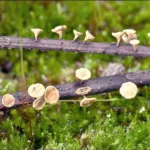 DiseaseAsh diebackHymenoscyphus fraxineus
 Environmental stressWind scorch
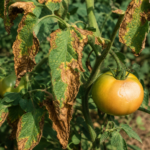 Environmental stressHeat scorch
Toxicity and pollen
Oleander contains potent cardiac glycosides, including oleandrin-related compounds. Leaves, flowers, stems, roots, sap, and seeds are poisonous if eaten, and ingestion can cause severe cardiac and gastrointestinal effects or death. Wear gloves when pruning, keep clippings away from pets and children, never burn the material, and seek urgent poison-control or medical help after ingestion.
- Typical season
- Late spring through summer in much of the United States
- Pollination / pollen
- Insect-dispersed pollen; limited airborne release expected
Oleander is primarily insect-pollinated, so it is not generally considered a major wind-pollen source. Published cultivar-specific airborne-pollen measurements are lacking; sensitive people should still avoid contact with sap and flower material, since irritation and poisoning risk are separate from pollen allergy.
Native habitat
The species is native to Mediterranean and subtropical regions extending through parts of North Africa and Asia. It commonly occupies sunny, seasonally dry sites such as stream margins, rocky slopes, and valleys, where drainage, heat, and periodic drought shape its growth.
Interesting fact
‘Apple Blossom’ originated at Aldridge Nursery in Von Ormy, Texas, in 1946. Its flowers are single rather than double and are described as light pink with a light fragrance. Oleanders tolerate heat, drought, salt exposure, and a wide range of soils, but their toxicity makes placement and cleanup important.
Frequently asked questions (FAQ)
The most relevant questions about this plant, with short and direct answers.
🌱Quick care
How do you care for Apple Blossom oleander?⌄
Grow Apple Blossom oleander in full sun to partial shade, sharply drained soil, and moderate water. Once established, it tolerates drought, but protect it from freezing temperatures.
Is Apple Blossom oleander evergreen?⌄
Yes, Apple Blossom oleander is generally an evergreen shrub in warm climates. Freezing weather can cause leaf drop, dieback, or severe damage.
How fast does Apple Blossom oleander grow?⌄
Apple Blossom oleander is a moderately to rapidly growing shrub when given warmth, sun, water, and adequate drainage. Growth slows considerably in containers, shade, or cool conditions.
🌤️Environment and placement
How much sun does Apple Blossom oleander need?⌄
Apple Blossom oleander performs best in full sun, although it tolerates partial shade. Too much shade can produce lanky growth and fewer flowers.
What USDA zones can grow Apple Blossom oleander outdoors?⌄
Apple Blossom oleander is best suited to warm U.S. climates, generally USDA Zones 8 through 11 with local variation. In colder areas, grow it in a container and overwinter it in a protected, frost-free location.
Can Apple Blossom oleander tolerate drought?⌄
Yes, established Apple Blossom oleander is drought tolerant. Water it more regularly during its first growing season, extended heat, or container cultivation.
Can Apple Blossom oleander grow near the coast?⌄
Apple Blossom oleander can tolerate heat, dry conditions, wind, and some coastal exposure. Avoid poorly drained sites and protect plants from direct, damaging salt spray when possible.
What soil is best for Apple Blossom oleander?⌄
Use sandy, loamy, or gritty soil that drains sharply. Apple Blossom oleander is more likely to suffer from constantly wet roots than from moderately poor soil.
Can Apple Blossom oleander grow in partial shade?⌄
Yes, it can grow in partial shade, but flowering and branch density are usually better with several hours of direct sun. Deep shade may result in weak, open growth.
💧Care and problems
How often should you water Apple Blossom oleander?⌄
Water Apple Blossom oleander when the soil has partly dried, applying enough to moisten the root zone. Reduce watering in cool weather and avoid leaving the container or planting site waterlogged.
Does Apple Blossom oleander need fertilizer?⌄
Apple Blossom oleander usually needs little fertilizer when planted in the ground and growing well. A light, balanced feeding in spring can help container plants or plants with clear nutrient deficiencies.
Why is my Apple Blossom oleander not blooming?⌄
The most common causes are insufficient sunlight, excessive nitrogen, drought stress, cold damage, or pruning at the wrong time. Move container plants into brighter light and avoid heavy pruning that removes developing flower-bearing growth.
Why are the leaves on my Apple Blossom oleander turning yellow?⌄
Yellow leaves can result from overwatering, poor drainage, cold stress, drought, nutrient problems, or natural aging. Check the roots and soil moisture before adding fertilizer.
What pests attack Apple Blossom oleander?⌄
Oleander aphids, scale insects, mealybugs, whiteflies, and caterpillars can affect Apple Blossom oleander. Inspect new growth and leaf undersides regularly, and use the least-toxic control appropriate for the pest.
Can Apple Blossom oleander recover from frost damage?⌄
Yes, established Apple Blossom oleander may regrow after light or moderate frost damage if the roots and lower stems remain alive. Wait until the danger of additional freezing has passed before removing damaged wood.
🪴Planting and repotting
How do you plant Apple Blossom oleander in the ground?⌄
Plant it in a sunny location with sharply drained soil, setting the root ball at the same level it was growing in its container. Water deeply after planting and keep the soil moderately moist while roots establish.
Can Apple Blossom oleander grow in a container?⌄
Yes, Apple Blossom oleander grows well in a large container with drainage holes and a fast-draining potting mix. Container plants need more frequent watering in summer and protection from freezing in winter.
When is the best time to plant Apple Blossom oleander?⌄
Plant Apple Blossom oleander in spring after freezing weather has passed or in early fall where winters are mild. Spring planting is safer in regions with cold winters because it gives roots more time to establish.
How large does Apple Blossom oleander get?⌄
Apple Blossom oleander can become a large, rounded, spreading shrub unless it is regularly pruned or grown in a container. Mature size varies with climate, soil, pruning, and growing conditions, so allow substantial width.
✂️Propagation and pruning
How do you propagate Apple Blossom oleander?⌄
Apple Blossom oleander is commonly propagated from stem cuttings, which preserve the cultivar’s characteristics. Seed can produce variable offspring and may not come true to Apple Blossom.
When should you prune Apple Blossom oleander?⌄
Prune Apple Blossom oleander lightly after its main flowering period to shape the plant and remove spent or damaged growth. Avoid indiscriminate shearing because it can remove flower-producing shoots.
Can Apple Blossom oleander be cut back hard?⌄
Yes, established Apple Blossom oleander can often recover from severe pruning, but hard cuts temporarily reduce flowering and create large amounts of toxic debris. Make major reductions selectively and wear protective clothing and gloves.
⚠️Toxicity and safety
Is Apple Blossom oleander poisonous?⌄
Yes, every part of Apple Blossom oleander is highly toxic if ingested, including leaves, flowers, stems, sap, and dried plant material. Keep it away from children, pets, and livestock, and contact Poison Control or a veterinarian after suspected ingestion.
Is Apple Blossom oleander safe for pets?⌄
No, Apple Blossom oleander is unsafe for dogs, cats, horses, and other animals if eaten. Do not use trimmings as bedding, mulch, or chew material, and seek veterinary advice immediately after possible exposure.
Can you burn Apple Blossom oleander trimmings?⌄
No, do not burn Apple Blossom oleander trimmings because the smoke can be hazardous. Wear gloves when handling cut material and dispose of it according to local green-waste or household guidance.
Can Apple Blossom oleander sap irritate skin?⌄
Yes, the sap may irritate skin and eyes. Wear gloves, long sleeves, and eye protection when pruning, then wash exposed skin and tools after handling the plant.
🌸Flowering and special interest
What color are Apple Blossom oleander flowers?⌄
Apple Blossom oleander is known for pink flowers, often described as an apple-blossom shade. Flower color and intensity can vary with light, temperature, plant age, and growing conditions.
When does Apple Blossom oleander bloom?⌄
Apple Blossom oleander generally blooms from late spring or early summer into fall in warm climates. Flowering is strongest with full sun, adequate moisture, and minimal frost damage.
Are Apple Blossom oleander flowers fragrant?⌄
Oleander flowers may be fragrant, but fragrance can vary by cultivar and growing conditions. Reliable cultivar-specific fragrance information for Apple Blossom is limited, so do not assume every plant will have a strong scent.
Similar plants
 Luteum Plenum oleander (Nerium oleander ‘Luteum Plenum’)Nerium oleander 'Luteum Plenum'
 Variegata (Nerium oleander ‘Variegata’)Nerium oleander 'Variegata'
 Alsace (Nerium oleander ‘Alsace’)Nerium oleander 'Alsace'
 White Sands (Nerium oleander ‘White Sands’)Nerium oleander 'White Sands'
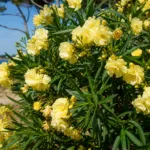 Double Yellow (Nerium oleander ‘Double Yellow’)Nerium oleander 'Double Yellow'
 Sister Agnes (Nerium oleander ‘Sister Agnes’)Nerium oleander 'Sister Agnes'