
 Source:
Alsace (Nerium oleander ‘Alsace’) short overview
Nerium oleander 'Alsace' is a vigorous, evergreen oleander cultivar valued for its long display of single, nearly white flowers touched with pale pink and marked by a deeper throat. Its dense, rounded habit and narrow, leathery foliage suit sunny patios, warm coastal gardens and large containers. It tolerates drought, heat, wind and salt spray once established, but requires frost protection in most of the United States. Every part is highly toxic if ingested.
Taxonomic classification
Alsace (Nerium oleander ‘Alsace’) care guide
Light and placement
Provide at least 6–8 hours of direct sun, ideally in a south- or west-facing position protected from cold wind. Full sun produces the best flowering and a compact habit. Too little light causes sparse, stretched growth and fewer flowers; extreme reflected heat can scorch foliage, especially in small containers, so monitor leaf edges and provide consistent root moisture.
Watering and humidity
Water deeply when the upper few inches of soil dry, then allow excess water to drain fully. Newly planted specimens need regular watering through the first two summers; established plants tolerate drought but flower better with occasional deep irrigation. Reduce watering substantially in cool winter storage, while never allowing container roots to remain in standing water.
Soil and growing medium
Use a sharply drained loam, sandy loam or container mix. Ordinary soil is acceptable if drainage is strong; avoid persistently waterlogged roots. Neutral to slightly alkaline conditions are tolerated, including calcareous soils. In containers, combine quality potting mix with coarse mineral material and use a pot with generous drainage holes.
Feeding
Apply a balanced, slow-release fertilizer in spring and again in midsummer if growth is vigorous and the plant is regularly watered. Container plants may need a half-strength liquid feed during active growth. Do not fertilize drought-stressed, recently transplanted or dormant plants, and avoid late-season feeding that encourages tender growth.
Growth and habit
This is a vigorous, multi-stemmed shrub with a dense rounded to vase-shaped habit. It flowers mainly on mature shoots, so severe annual cutting can reduce the next display. Growth is strongest with warmth, full sun and regular deep watering during establishment, while established plants tolerate substantial drought.
Planting and repotting
Plant outdoors after the danger of frost has passed, setting the root ball at the same depth as it grew in the nursery. Space plants about 8–12 feet apart for a hedge or broad specimen, with more room where a large mature shrub is desired. Water deeply during the first two growing seasons.
Repot container plants in spring when roots fill the pot, moving up only one pot size. Refresh part of the mix rather than disturbing the root ball heavily. Large specimens can be top-dressed annually and root-pruned when necessary.
Propagation and pruning
Propagation
Semi-hardwood or softwood tip cuttings root readily in warm conditions. Take cuttings during active growth, remove lower leaves and root in a clean, free-draining medium. Seed is possible but may not reproduce the cultivar faithfully.
Pruning
Prune lightly after the main flowering period to shape the plant, remove dead wood and thin crowded stems. Avoid severe annual shearing because flower-bearing shoots may be removed. Wear gloves, bag prunings and keep all cut material away from pets, children and compost used around edible crops.
Overwintering
In Zones 8 and colder, grow in a container or protect a sheltered planting with frost cloth and root insulation. Move containers indoors before freezing weather to a bright, cool, frost-free location. Water sparingly during winter and return outdoors gradually in spring after nights moderate.
Uses
Use as a flowering specimen, informal hedge, patio plant, coastal planting or large container accent. It tolerates heat, drought, wind and salt spray after establishment. It is strictly ornamental: do not use for food, tea or home remedies, and keep all trimmings away from people, pets and livestock.
Appearance
The cultivar forms a dense, rounded to vase-shaped shrub with several flexible gray-barked stems. Leaves are long, narrow, leathery and dark green, arranged along the branches. Flowers open from pale pink-tinted buds to nearly white petals with a subtle pink cast and deeper throat markings, making the combination of foliage and bloom useful for identification.
Flowering
This cultivar bears terminal corymbs of single, five-petaled, funnel-shaped flowers. In warm regions it can flower from late spring into fall and may bloom nearly year-round; in cooler climates the main display is during summer. Flowering is strongest in heat, bright sun and soil with dependable deep moisture.
Pollination and visitors
Species-level research documents occasional visits by large bees and possible moth visitors, with generally low visitation because the flowers provide little conventional reward. The cultivar is described horticulturally as attractive to pollinators, but a cultivar-specific visitor list is not well established.
Diseases and pests
Diseases
Good air circulation and well-drained soil reduce foliar and root problems. Watch for leaf spot, sooty mold associated with sap-feeding insects, and root rot in saturated soil. Remove badly affected foliage, avoid overhead irrigation and correct drainage before using a fungicide.
Pests
Inspect new growth and leaf undersides for oleander aphid, scale, mealybugs, spider mites and whiteflies. Wash light infestations away with water or use horticultural oil when temperatures are moderate. Avoid unnecessary broad-spectrum insecticides, especially during flowering, and isolate heavily infested container plants.
Related diseases and pests
Only Plant Doctor profiles whose host data indicate this plant may be affected are shown here.
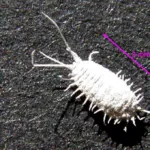 PestObscure mealybugPseudococcus viburni
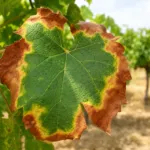 DiseaseXylella fastidiosa bacterial diseasesXylella fastidiosa
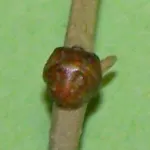 PestBlack scaleSaissetia oleae
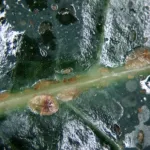 PestBrown Soft ScaleCoccus hesperidum
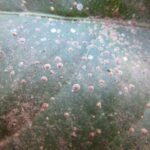 PestCalifornia red scaleAonidiella aurantii
 DiseaseAlternaria leaf spot and fruit rotAlternaria alternata
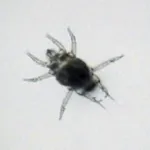 PestBroad mitePolyphagotarsonemus latus (Banks)
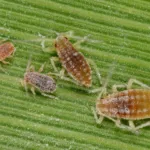 PestMealy Plum AphidHyalopterus pruni (Geoffroy, 1762)
Toxicity and pollen
Nerium oleander contains cardiac glycosides and is highly poisonous when plant material is swallowed. Ingestion can cause gastrointestinal signs and dangerous heart-rhythm disturbances. Keep leaves, flowers, prunings and fallen material away from children and animals; wear gloves when handling sap and never burn prunings.
- Typical season
- Late spring through fall, where plants flower
- Pollination / pollen
- Sticky, insect-carried pollen
Oleander pollen is described as sticky and aggregated rather than freely powdery. The species is insect-pollinated, and published evidence for widespread airborne allergy from this cultivar is limited. Sensitive people should still avoid handling flowers closely if symptoms occur and should not assume insect pollination eliminates all exposure risk.
Native habitat
The species is native around Mediterranean and adjacent subtropical regions, often associated with temporary streambeds, river margins and other sites where roots can reach deeper moisture. It tolerates drought, heat, calcareous soils and coastal exposure, but performs best when the root zone is well drained and not chronically saturated.
Interesting fact
‘Alsace’ is also listed under the synonym ‘Blanc d’Alsace’. The cultivar is known for pale buds opening to nearly white flowers with pink coloration showing through. Oleander flowers can attract insects despite offering little or no conventional nectar reward. The species is fully self-compatible, but flower structure separates anthers and stigma and insect visits help achieve pollination.
Frequently asked questions (FAQ)
The most relevant questions about this plant, with short and direct answers.
🌱Quick care
How do you care for Nerium oleander 'Alsace'?⌄
Grow Nerium oleander 'Alsace' in full sun, well-drained soil, and water regularly while it establishes. Once established, it is drought tolerant, but flowering is usually better when the soil has some deep moisture.
Is Nerium oleander 'Alsace' evergreen?⌄
Yes, Nerium oleander 'Alsace' is generally evergreen in warm, frost-free climates. Cold damage or severe drought can cause leaf drop, especially on young plants.
How fast does Nerium oleander 'Alsace' grow?⌄
Nerium oleander 'Alsace' is a vigorous, relatively fast-growing shrub under warm, sunny conditions. Its mature size can reach roughly 15 to 20 feet tall and 10 to 15 feet wide if it is not pruned.
🌤️Environment and placement
How much sun does Nerium oleander 'Alsace' need?⌄
Give Nerium oleander 'Alsace' full sun, ideally at least 6 hours of direct light daily. Less light can produce a lankier plant and fewer flowers.
What USDA hardiness zones suit Nerium oleander 'Alsace'?⌄
Nerium oleander 'Alsace' is best suited to warm USDA Zones 9 through 11, although protected plants may survive brief colder events. The cultivar is frost-tender and should be protected below about 18°F.
Can Nerium oleander 'Alsace' tolerate drought?⌄
Yes, established Nerium oleander 'Alsace' tolerates drought well. Water it deeply during prolonged heat or drought if you want stronger growth and more sustained flowering.
Can Nerium oleander 'Alsace' grow near the coast?⌄
Yes, Nerium oleander 'Alsace' tolerates salt spray, wind, and coastal conditions when planted in well-drained soil. It still needs full sun and protection from unusually hard freezes.
What soil is best for Nerium oleander 'Alsace'?⌄
Use well-drained loam, sandy loam, or calcareous soil for Nerium oleander 'Alsace'. It tolerates poor soil, but waterlogged ground can damage the roots.
💧Care and problems
How often should you water Nerium oleander 'Alsace'?⌄
Water Nerium oleander 'Alsace' deeply when the soil has partly dried, with more frequent watering during its first two growing seasons. After establishment, reduce irrigation during normal weather but do not let container plants become completely dry for long periods.
Why is Nerium oleander 'Alsace' not flowering?⌄
Insufficient sunlight, excessive shade, drought stress, cold damage, or heavy pruning can reduce flowering on Nerium oleander 'Alsace'. Move container plants to full sun and avoid cutting off most of the young flowering wood.
What pests affect Nerium oleander 'Alsace'?⌄
Common pests include scale insects, mealybugs, spider mites, and oleander aphids. Inspect new growth and leaf undersides regularly, especially when plants are stressed by heat, drought, or indoor overwintering.
Is Nerium oleander 'Alsace' prone to disease?⌄
Nerium oleander 'Alsace' is generally low-maintenance, but poor drainage, cold injury, and prolonged wet foliage can contribute to problems. Good air circulation, careful watering, and removal of damaged tissue help reduce stress.
Can Nerium oleander 'Alsace' survive a freeze?⌄
It may survive a brief light freeze, but temperatures below about 18°F can cause serious damage or kill stems. Protect young plants before freezing weather and move container plants indoors or into a frost-free shelter.
🪴Planting and repotting
When should you plant Nerium oleander 'Alsace'?⌄
Plant Nerium oleander 'Alsace' in spring after frost danger has passed in cooler areas, or in early fall where winters are mild. Avoid planting immediately before a forecast freeze or during waterlogged conditions.
Can Nerium oleander 'Alsace' grow in a container?⌄
Yes, Nerium oleander 'Alsace' grows well in a large container with drainage holes and a fast-draining potting mix. Container plants need more frequent watering in summer and should be moved to a bright, frost-free location in cold climates.
How far apart should Nerium oleander 'Alsace' be planted?⌄
Space Nerium oleander 'Alsace' about 8 to 15 feet apart, depending on whether you want a hedge or individual shrubs. Allow additional room for mature plants that are not routinely pruned.
Should Nerium oleander 'Alsace' be mulched?⌄
Yes, apply a moderate mulch layer around Nerium oleander 'Alsace' to conserve soil moisture and protect roots. Keep mulch away from the stems and avoid materials that retain excessive moisture against the crown.
✂️Propagation and pruning
How do you propagate Nerium oleander 'Alsace'?⌄
Propagate Nerium oleander 'Alsace' most reliably from semi-hardwood or softwood cuttings. Root cuttings in a sterile, well-drained medium while keeping them warm and lightly moist.
When should you prune Nerium oleander 'Alsace'?⌄
Prune Nerium oleander 'Alsace' lightly after flowering or in early spring before strong new growth begins. Remove dead, damaged, or crossing stems and avoid cutting back every flowering branch at once.
Can you cut Nerium oleander 'Alsace' back hard?⌄
You can rejuvenate Nerium oleander 'Alsace' by removing selected old stems, but severe pruning may eliminate flowers for a season. Make major cuts gradually and wear protective clothing because the sap is toxic.
⚠️Toxicity and safety
Is Nerium oleander 'Alsace' poisonous?⌄
Yes, all parts of Nerium oleander 'Alsace' are highly toxic if ingested. Keep leaves, flowers, stems, and fallen plant material away from children, pets, and livestock, and seek urgent medical or veterinary advice after ingestion.
Can touching Nerium oleander 'Alsace' irritate skin?⌄
Contact with the sap of Nerium oleander 'Alsace' may irritate the skin, particularly through cuts or prolonged exposure. Wear gloves and long sleeves when pruning, wash exposed skin afterward, and avoid touching your eyes or mouth.
Is Nerium oleander 'Alsace' toxic to dogs and cats?⌄
Yes, Nerium oleander 'Alsace' is toxic to dogs and cats, as well as horses and people. Prevent pets from chewing the plant and remove fallen leaves or pruned material from accessible areas.
🌸Flowering and special interest
When does Nerium oleander 'Alsace' bloom?⌄
Nerium oleander 'Alsace' usually blooms from early summer into fall, often from June through September in temperate climates. In warm regions with adequate moisture, flowering may continue for longer.
What color are the flowers of Nerium oleander 'Alsace'?⌄
The flowers of Nerium oleander 'Alsace' are single and mostly white to rosy white, with a subtle pink flush and a darker marking in the throat. They are borne in clusters near the branch tips.
Are Nerium oleander 'Alsace' flowers fragrant?⌄
Nerium oleander 'Alsace' flowers are generally described as lightly or slightly fragrant. Fragrance intensity can vary with temperature, time of day, and growing conditions.
Does Nerium oleander 'Alsace' attract pollinators?⌄
Yes, the flowers of Nerium oleander 'Alsace' can attract insects, including bees and other flower visitors. Do not handle the plant casually, because its ornamental value does not reduce its toxicity.
Similar plants
 Calypso (Nerium oleander ‘Calypso’)Nerium oleander 'Calypso'
 Pink Beauty (Nerium oleander ‘Pink Beauty’)Nerium oleander 'Pink Beauty'
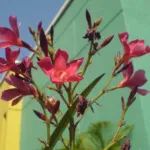 Hardy Red (Nerium oleander ‘Hardy Red’)Nerium oleander 'Hardy Red'
 Hardy Pink (Nerium oleander ‘Hardy Pink’)Nerium oleander 'Hardy Pink'
 White Sands (Nerium oleander ‘White Sands’)Nerium oleander 'White Sands'
 Apple Blossom oleander (Nerium oleander ‘Apple Blossom’)Nerium oleander 'Apple Blossom'