
 AI-generated illustration
Hardy Pink (Nerium oleander ‘Hardy Pink’) short overview
Nerium oleander 'Hardy Pink' is a vigorous evergreen shrub valued for its single medium-pink flowers, swollen balloon-like buds and improved cold tolerance compared with many oleanders. In warm parts of the United States it can become a substantial landscape plant, while elsewhere it is useful in a large container that can be protected in winter. Give it full sun, excellent drainage and restrained watering after establishment, and handle all cuttings carefully because every part is highly poisonous if eaten.
Taxonomic classification
Hardy Pink (Nerium oleander ‘Hardy Pink’) care guide
Light and placement
Give full sun, ideally at least 6–8 hours daily, with a south- or west-facing aspect in marginal climates. A warm wall or heat-reflective courtyard improves flowering and winter survival. Too little light produces lanky growth and fewer flowers; severe reflected heat combined with drought can scorch foliage, so water deeply when the root zone dries.
Watering and humidity
Water deeply, then allow the upper several inches of soil to dry before watering again. Provide regular irrigation during the first growing season and reduce frequency after establishment. Container plants dry faster and need more frequent checks in summer. Avoid constant saturation, especially in cool weather; ordinary outdoor humidity is sufficient.
Soil and growing medium
Use fast-draining soil or a porous container mix. Oleander tolerates sandy, stony and moderately alkaline soils, but persistent winter wetness can damage roots. A slightly acidic to slightly alkaline reaction is generally acceptable; drainage is more important than fine pH precision.
Feeding
Feed in spring as growth begins with a balanced slow-release fertilizer, following the product label. Container plants may receive a dilute balanced feed during active growth if foliage is pale or growth is weak. Do not fertilize drought-stressed, newly frozen or dormant plants, and avoid excessive nitrogen that produces soft, leafy growth.
Growth and habit
A vigorous, branching evergreen shrub that can develop a broad rounded to vase-shaped framework and may recover quickly after cold injury. In warm climates it can become large enough to function as a screen or small tree. Remove weak basal shoots and maintain clear access around the plant because all prunings are toxic.
Planting and repotting
Plant after the danger of hard frost has passed, at the same depth as the nursery container, with the root flare level with the soil surface. Space large landscape specimens about 8–12 feet apart where a broad screen is desired; allow extra room for cultivar and climate variation. Water deeply during establishment, then reduce irrigation as roots mature.
Repot container plants in spring when roots fill the pot, moving up only one container size. Use a heavy pot for stability and a sharply drained mix. Handle stems and fallen leaves with gloves, and discard prunings safely rather than composting them where children, pets or livestock may access them.
Propagation and pruning
Propagation
Semi-ripe or hardwood cuttings are the practical method for maintaining the cultivar. Take healthy cuttings during active growth or after the season’s flush, remove lower leaves, and root in a sterile, well-drained medium with moderate humidity. Seed can be used for breeding but will not reproduce the named cultivar reliably.
Pruning
Prune after the main flowering flush or in early fall in warm climates to shape the plant and remove weak, crossing or frost-damaged stems. Avoid severe cutting immediately before winter. Wear gloves and eye protection, disinfect tools, and bag or dispose of all debris safely; never burn oleander wood.
Overwintering
In Zones 9–11, protect the root zone with mulch and place plants away from exposed north winds. In colder areas, move container plants indoors or into a bright, cool shelter before hard freezes; reduce watering but do not let the root ball become bone-dry. Landscape plants may die back after a freeze and resprout from protected wood or the base, but survival is not guaranteed.
Uses
Use as a flowering screen, hedge, specimen shrub, roadside planting or large container plant in warm U.S. climates. It tolerates heat, drought after establishment, wind and some salt exposure. Do not place it beside livestock areas, children’s play spaces or pet runs, and do not use cut stems for cooking, roasting or fuel.
Appearance
Leaves are long, narrow, leathery and glossy, arranged opposite or in whorls on stout green to gray-brown stems. The cultivar has a vigorous, rounded to vase-shaped outline, terminal clusters of single pink flowers and conspicuously swollen buds that resemble small balloons before opening.
Flowering
Single, five-petaled flowers are borne in terminal clusters. The cultivar is noted for large medium-pink blooms and distinctive swollen, balloon-like buds. Flowering is generally heaviest from late spring through summer and may continue into fall in long, warm seasons. Cold damage can delay or reduce the display.
Pollination and visitors
The flowers are insect-pollinated, but reliable cultivar-specific documentation identifying the principal animal visitor group is limited. Do not treat this uncertainty as evidence that the flowers are pollinator-free.
Diseases and pests
Diseases
Avoid chronic overhead irrigation and remove infected material with disinfected tools. Oleanders may develop bacterial leaf scorch, oleander knot, leaf spot and dieback. Symptoms such as scorched margins, knots, cankers or progressive branch decline warrant removal of affected tissue; severe bacterial disease is difficult to cure, so sanitation and site selection are important.
Pests
Inspect new growth and leaf undersides for aphids, scale, oleander caterpillar and spider mites. Wash off light infestations, conserve natural predators and prune out heavily infested shoots. Use horticultural oil or insecticidal soap only according to the label, avoiding heat-stressed plants and protecting beneficial insects.
Related diseases and pests
Only Plant Doctor profiles whose host data indicate this plant may be affected are shown here.
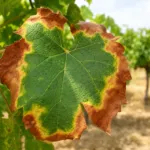 DiseaseXylella fastidiosa bacterial diseasesXylella fastidiosa
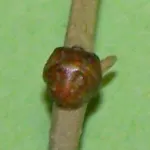 PestBlack scaleSaissetia oleae
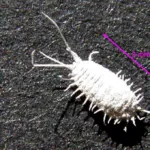 PestObscure mealybugPseudococcus viburni
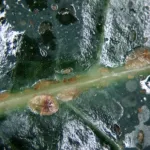 PestBrown Soft ScaleCoccus hesperidum
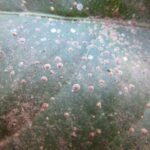 PestCalifornia red scaleAonidiella aurantii
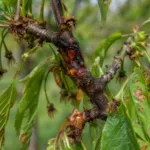 DiseaseBacterial blight and cankerPseudomonas syringae pv. syringae
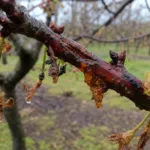 DiseaseBacterial Canker of Stone FruitsPseudomonas syringae pv. morsprunorum
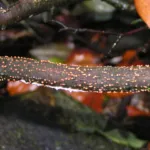 DiseaseCoral Spot CankerNectria cinnabarina
Toxicity and pollen
Oleander contains cardiac glycosides, including oleandrin, and all parts are poisonous if swallowed; dried material remains dangerous. Keep leaves, flowers, seeds, sap, fallen debris and prunings away from children, pets, livestock and animal feed. Wear gloves when pruning, wash hands afterward, and never burn the wood because the smoke can be harmful.
- Typical season
- Late spring through fall where the plant flowers; cultivar-specific U.S. exposure data are limited.
- Pollination / pollen
- Primarily insect-associated pollen; limited airborne dispersal expected
Oleander is primarily insect-pollinated, so its pollen is not generally released in the same abundant windborne manner as grasses, trees or many weeds. However, airborne allergy risk should not be assumed to be zero; cultivar-specific clinical pollen data for ‘Hardy Pink’ are not established.
Native habitat
The species is native around the Mediterranean Basin and parts of southwestern Asia, where it commonly occupies sunny, seasonally dry sites near streams, washes and other well-drained watercourses. It combines drought tolerance with tolerance of heat, wind and some salinity, but does not perform well in cold, waterlogged ground.
Interesting fact
‘Hardy Pink’ was introduced by Monrovia and is associated with an older American oleander tradition. Its swollen buds are a useful identification feature. The cultivar is often reported under the historical Galveston name ‘Pink Beauty,’ although that name is also used for a different European oleander, so plant provenance matters.
Frequently asked questions (FAQ)
The most relevant questions about this plant, with short and direct answers.
🌱Quick care
How do you care for Nerium oleander 'Hardy Pink'?⌄
Grow Nerium oleander 'Hardy Pink' in full sun, fast-draining soil, and water regularly until established. After establishment, it is drought tolerant but flowers best with occasional deep watering during prolonged summer heat.
Is Nerium oleander 'Hardy Pink' evergreen?⌄
Yes, Nerium oleander 'Hardy Pink' is normally an evergreen shrub in mild climates. Severe cold can cause leaf drop, branch dieback, or temporary loss of the top growth.
How big does Nerium oleander 'Hardy Pink' get?⌄
Nerium oleander 'Hardy Pink' can mature at roughly 10–15 feet tall and 6–8 feet wide in a warm landscape. Size is usually smaller in containers or where winter cold causes dieback.
🌤️Environment and placement
What USDA hardiness zone is Nerium oleander 'Hardy Pink' suitable for?⌄
Sources commonly place Nerium oleander 'Hardy Pink' around USDA Zones 7b–11, although performance varies with shelter, drainage, plant age, and winter exposure. In colder parts of Zone 7, expect possible top dieback even if the roots survive.
Can Nerium oleander 'Hardy Pink' survive winter outdoors?⌄
It can survive outdoors in a protected site where winter temperatures remain within its reported hardiness range. 'Hardy Pink' has been selected for unusually strong cold tolerance, but brief temperatures near 15°F—and possibly lower in sheltered conditions—can still damage foliage and stems.
Where should I plant Nerium oleander 'Hardy Pink'?⌄
Choose the warmest, sunniest part of the property, such as a south-facing wall, patio edge, or heat-reflective landscape. Avoid low spots that collect cold air and locations with wet winter soil.
Does Nerium oleander 'Hardy Pink' need full sun?⌄
Yes, full sun is best for compact growth and abundant flowering. It can tolerate some light shade, but reduced light may produce fewer flowers and a more open habit.
Is Nerium oleander 'Hardy Pink' drought tolerant?⌄
Yes, Nerium oleander 'Hardy Pink' becomes drought tolerant after its root system is established. Water deeply during extended heat or drought, especially for young plants and container specimens.
Can Nerium oleander 'Hardy Pink' tolerate salt and wind?⌄
Yes, it generally tolerates coastal salt spray, heat, and wind better than many ornamental shrubs. Even so, provide good drainage and some protection from severe winter winds in marginal climates.
💧Care and problems
How often should I water Nerium oleander 'Hardy Pink'?⌄
Water newly planted specimens when the upper few inches of soil begin to dry, then gradually reduce irrigation as the plant establishes. Mature landscape plants usually need only occasional deep watering, while containers require more frequent checks in summer.
What soil is best for Nerium oleander 'Hardy Pink'?⌄
Use fast-draining sandy, loamy, rocky, or gritty soil. It tolerates relatively poor soil, but consistently wet or poorly drained ground can cause root problems and weaken winter performance.
Should I fertilize Nerium oleander 'Hardy Pink'?⌄
A light application of a balanced slow-release fertilizer in spring is usually sufficient when the plant is growing in reasonably fertile soil. Avoid heavy nitrogen feeding, which can encourage excessive foliage and weaker growth.
Why is my Nerium oleander 'Hardy Pink' not flowering?⌄
The most common causes are insufficient sun, excessive nitrogen, drought stress, or pruning at the wrong time. Move container plants into full sun, correct watering, and avoid removing developing flower-bearing growth.
Why are the leaves on my Nerium oleander 'Hardy Pink' turning yellow?⌄
Yellow leaves can result from overwatering, poor drainage, nutrient stress, cold damage, or normal aging of older foliage. Check the roots and soil moisture first, because saturated soil is a frequent problem.
What should I do if frost damages Nerium oleander 'Hardy Pink'?⌄
Wait until the danger of additional hard frost has passed, then prune back clearly dead stems to healthy wood. Delay severe pruning until new growth shows where the plant is still alive, because cold-damaged branches can look dead before recovery begins.
🪴Planting and repotting
When is the best time to plant Nerium oleander 'Hardy Pink'?⌄
Plant in spring after the threat of hard frost has passed, or in early fall where winters are mild. Spring planting is safer in marginal climates because it gives the roots a full growing season before cold weather.
Can Nerium oleander 'Hardy Pink' be grown in a container?⌄
Yes, it grows well in a large container filled with a sharply draining potting mix. Use a container with drainage holes, water when the mix begins to dry, and protect or move the plant during severe winter cold.
How do I overwinter Nerium oleander 'Hardy Pink' in a pot?⌄
Move the container to a bright, cool, frost-protected location before hard freezes. Water sparingly while growth slows, but do not allow the root ball to remain completely dry for long periods.
✂️Propagation and pruning
How do you propagate Nerium oleander 'Hardy Pink'?⌄
Propagate it most reliably from stem cuttings taken during active growth. Root cuttings in a clean, well-drained medium while wearing gloves and keeping all plant material away from children and pets.
Can Nerium oleander 'Hardy Pink' be grown from seed?⌄
Yes, it can be grown from seed, but seedlings may not match the parent cultivar exactly. Stem cuttings are preferred when you want to preserve the characteristic flowers and growth of 'Hardy Pink'.
When should I prune Nerium oleander 'Hardy Pink'?⌄
Prune lightly after the main flowering period or in late winter to early spring after assessing cold damage. Avoid unnecessary late-season pruning because it can remove growth that would produce the next flush of flowers.
Can I cut Nerium oleander 'Hardy Pink' back hard?⌄
Yes, established oleanders generally tolerate substantial rejuvenation pruning, but hard pruning can sacrifice flowers for a season. In cold climates, wait until spring so you can distinguish living wood from winter-killed branches.
⚠️Toxicity and safety
Is Nerium oleander 'Hardy Pink' poisonous?⌄
Yes, all parts of Nerium oleander 'Hardy Pink' are highly toxic if eaten, including leaves, flowers, stems, and dried material. Keep it away from children, pets, livestock, and edible crops where accidental ingestion is possible.
Can touching Nerium oleander 'Hardy Pink' make you sick?⌄
Touching the plant is not usually the main danger, but its sap can irritate sensitive skin and eyes. Wear gloves and protective clothing when pruning, wash exposed skin afterward, and avoid touching your face while handling it.
Can I burn Nerium oleander 'Hardy Pink' trimmings?⌄
No, do not burn oleander trimmings because the smoke can contain toxic compounds. Bag or dispose of the material according to local waste rules, and do not use the cuttings as mulch around edible plants.
Is Nerium oleander 'Hardy Pink' toxic to dogs and cats?⌄
Yes, Nerium oleander is highly toxic to dogs, cats, horses, and other animals if ingested. Prevent access to fallen leaves and pruning debris, and contact a veterinarian or animal poison service immediately if ingestion is suspected.
🌸Flowering and special interest
When does Nerium oleander 'Hardy Pink' bloom?⌄
It usually blooms from late spring through summer and may continue into early fall in warm climates. Flowering can be reduced after severe winter damage, heavy shade, drought, or untimely pruning.
What color are the flowers of Nerium oleander 'Hardy Pink'?⌄
The flowers are typically single, medium pink to rose-pink and lightly fragrant. Color intensity and fragrance can vary somewhat with climate, growing conditions, and the plant’s flowering flush.
Are the flowers of Nerium oleander 'Hardy Pink' fragrant?⌄
Yes, the flowers are generally described as lightly fragrant rather than strongly perfumed. Fragrance is most noticeable in warm, still conditions when the plant is flowering heavily.
Does Nerium oleander 'Hardy Pink' flower on old or new wood?⌄
Oleander flowers are produced on current-season growth, so pruning after the spring flush or after flowering is generally preferred. Very late or severe pruning can delay flowering by removing developing flowering shoots.
Similar plants
 Luteum Plenum oleander (Nerium oleander ‘Luteum Plenum’)Nerium oleander 'Luteum Plenum'
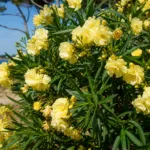 Double Yellow (Nerium oleander ‘Double Yellow’)Nerium oleander 'Double Yellow'
 White Sands (Nerium oleander ‘White Sands’)Nerium oleander 'White Sands'
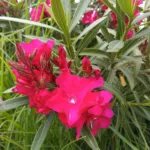 Red Beauty (Nerium oleander ‘Red Beauty’)Nerium oleander 'Red Beauty'
 Calypso (Nerium oleander ‘Calypso’)Nerium oleander 'Calypso'
 Variegata (Nerium oleander ‘Variegata’)Nerium oleander 'Variegata'