
 Source:
Luteum Plenum oleander (Nerium oleander ‘Luteum Plenum’) short overview
Nerium oleander 'Luteum Plenum' is a vigorous evergreen oleander cultivar prized for its fragrant, fully double flowers in pale vanilla-yellow to cream. It forms an upright, densely branched shrub with narrow, leathery leaves and blooms through the warm season. In the United States, it is most dependable in USDA Zones 8–10 and is often grown in large containers where winters are colder. Every part is poisonous if eaten.
Taxonomic classification
Luteum Plenum oleander (Nerium oleander ‘Luteum Plenum’) care guide
Light and placement
Give full sun for the strongest flowering and densest habit, ideally with southern or western exposure and shelter from cold winds. In very hot climates, light afternoon shade is tolerated but may reduce bloom and make growth looser. Too little light causes sparse flowering and leggier shoots; severe heat combined with reflected light can scorch foliage.
Watering and humidity
Water deeply when the upper few inches of soil dry, then allow excess water to drain. Keep newly planted specimens evenly moist through their first two growing seasons; established plants tolerate drought but flower better with deep soil moisture. Container plants need more frequent summer watering and much less in winter. Avoid constantly saturated roots.
Soil and growing medium
Use a loose, sharply drained soil or container mix. Oleander tolerates sandy, rocky, and moderately calcareous ground, but persistent winter wetness can damage roots. A neutral to slightly alkaline reaction is generally suitable; avoid compacted sites and containers without drainage holes.
Feeding
Feed in spring as growth begins with a balanced slow-release fertilizer, or use a dilute complete liquid fertilizer during active growth. Container plants may need light feeding every 4–6 weeks. Do not fertilize drought-stressed, newly transplanted, or dormant plants, and avoid excessive nitrogen that produces weak, leafy growth.
Growth and habit
A vigorous, long-lived woody shrub that branches readily and can become dense with age. Young plants may appear narrower before broadening. In containers, regular root restriction, tip pruning, and renewal of older wood help maintain a manageable framework without sacrificing flowering wood.
Planting and repotting
Plant outdoors in spring after the last hard frost, or in early fall in hot, dry regions. Set the root ball level with the surrounding soil rather than deeply burying the stem. Allow roughly 6–8 feet of space for a full specimen, with extra room for air circulation and mature branching.
Repot container plants in spring when roots have filled the pot, moving up only one container size. Use fresh, well-drained mix and avoid burying the stem crown. Root disturbance is best followed by careful watering and several days of protection from intense midday sun.
Propagation and pruning
Propagation
Semi-ripe cuttings are the usual practical method and root best during active warm-season growth with bottom heat or consistently warm conditions. Seed is possible but does not reliably reproduce the cultivar. Wear gloves and prevent sap contact during cutting work.
Pruning
Prune after the main flush of flowering or in late winter in frost-free climates. Remove dead, damaged, crowded, or weak stems and shorten overly long shoots to a side branch. Remove spent flower clusters for appearance. Wear gloves, disinfect tools, and bag contaminated debris because sap and plant material are poisonous.
Overwintering
In Zones 7 and colder, grow in a large movable container and bring it indoors or into a bright, cool, frost-free space before temperatures approach the mid-20s °F. Reduce watering during winter, provide strong light if possible, and return outdoors gradually in spring. In borderline climates, protect roots and stems with mulch and wind shelter, but expect possible dieback.
Uses
Use as a specimen shrub, flowering screen, patio container, poolside accent, or coastal planting in frost-limited regions. It tolerates drought and salt spray once established. It is not edible or medicinal for home use; all plant parts and pruning debris require strict handling precautions.
Appearance
The plant has narrow, lance-shaped, leathery evergreen leaves arranged along flexible gray-barked stems. Its upright framework becomes densely branched, while the defining cultivar feature is the mass of pale yellow to cream, fully double flowers carried in terminal clusters. The combination of yellow double blooms and evergreen narrow foliage is distinctive.
Flowering
This cultivar produces dense clusters of fully double, crumpled flowers in pale vanilla-yellow to cream, often with a deeper yellow center. Flowering is typically strongest from late spring through summer and may continue into early fall where warmth, sun, and moisture are adequate. Spent clusters can become unattractive and are best removed.
Pollination and visitors
Oleander flowers can be visited by insects, including bees and nocturnal Lepidoptera, but the available evidence does not establish a cultivar-specific primary pollinator or strong pollinator value. Treat this plant primarily as an ornamental rather than a dependable wildlife resource.
Nerium oleander 'Luteum Plenum' photos
Click any photo for a larger view. Source, author and license are shown separately.
Diseases and pests
Diseases
Oleander leaf scorch and bacterial canker, often associated with Xylella fastidiosa or Pseudomonas-type infections, can cause dieback, leaf scorch, and blackened lesions. Remove affected tissue with disinfected tools, avoid overhead irrigation, improve airflow, and discard severely diseased plants rather than composting them.
Pests
Common problems include oleander aphid, scale insects, mealybugs, and spider mites. Inspect new growth and leaf undersides, wash small infestations away, and favor horticultural oil or insecticidal soap when appropriate. Avoid unnecessary broad-spectrum insecticides, especially during flowering.
Related diseases and pests
Only Plant Doctor profiles whose host data indicate this plant may be affected are shown here.
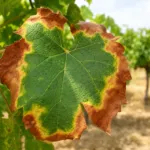 DiseaseXylella fastidiosa bacterial diseasesXylella fastidiosa
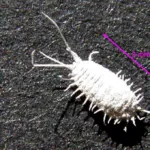 PestObscure mealybugPseudococcus viburni
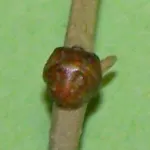 PestBlack scaleSaissetia oleae
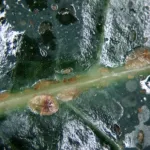 PestBrown Soft ScaleCoccus hesperidum
 PestCalifornia red scaleAonidiella aurantii
 DiseaseBacterial blight and cankerPseudomonas syringae pv. syringae
 DiseaseBacterial Canker of Stone FruitsPseudomonas syringae pv. morsprunorum
 DiseaseBlackleg (Phoma stem canker)Plenodomus biglobosus (synonym: Leptosphaeria biglobosa)
Toxicity and pollen
Nerium oleander contains cardiac glycosides. Ingestion of leaves, flowers, stems, bark, roots, or plant debris can cause gastrointestinal illness and dangerous heart-rhythm disturbances, potentially including death. Do not burn prunings, keep fallen material away from children and animals, and seek immediate expert help after ingestion.
- Typical season
- No well-established US airborne-pollen season documented for this cultivar
- Pollination / pollen
- Insect-dispersed pollen; limited airborne release expected
Oleander is insect-pollinated, so its pollen is not generally released in the same large airborne quantities as wind-pollinated trees and grasses. However, no robust cultivar-specific US allergy assessment was located, so sensitive individuals should avoid handling flowers closely if symptoms occur.
Native habitat
The species is associated with Mediterranean, subtropical, and warm temperate riparian habitats, where it tolerates heat, drought, rocky soils, and periodic moisture. The cultivar itself is horticultural in origin and should not be treated as a native US plant.
Interesting fact
The cultivar is documented as a historic double yellow oleander, with the name recorded in nineteenth-century horticultural literature. It is often associated with the synonym 'Mathilde Ferrier' in cultivar references. The double flowers and vanilla-yellow color distinguish it from many single-flowered yellow oleanders.
Frequently asked questions (FAQ)
The most relevant questions about this plant, with short and direct answers.
🌱Quick care
What is Nerium oleander 'Luteum Plenum'?⌄
Nerium oleander 'Luteum Plenum' is an evergreen oleander cultivar with fragrant, creamy to pale-yellow, semi-double to double flowers. It is a vigorous, upright shrub suited to warm climates or seasonal container growing.
How much sun does Luteum Plenum oleander need?⌄
Give Luteum Plenum oleander full sun for the strongest growth and best flowering. It can tolerate some partial shade, but reduced light usually produces fewer flowers and a leggier shape.
How often should I water Luteum Plenum oleander?⌄
Water regularly while the plant is establishing, then allow the soil to dry somewhat between deep waterings. Established plants tolerate drought, but container plants and plants flowering in extreme heat need more consistent moisture.
Is Luteum Plenum oleander evergreen?⌄
Yes, Luteum Plenum oleander is a broadleaf evergreen in frost-free or mild climates. It may lose leaves or suffer dieback after significant cold exposure.
🌤️Environment and placement
What USDA hardiness zones are suitable for Luteum Plenum oleander?⌄
Luteum Plenum oleander is generally suited to USDA Zones 8 through 10. In colder areas, grow it in a container and overwinter it in a protected, cool, bright location.
Can Luteum Plenum oleander survive frost?⌄
Luteum Plenum oleander is frost tender and should be protected from freezing conditions. Brief, light frost may cause damage without killing an established plant, but repeated or hard freezes can cause severe dieback or death.
Can Luteum Plenum oleander grow in a container?⌄
Yes, Luteum Plenum oleander grows well in a large container with drainage holes. Container growing is especially useful in colder parts of the United States because the plant can be moved indoors before freezing weather.
Is Luteum Plenum oleander tolerant of drought?⌄
Yes, established Luteum Plenum oleander is drought tolerant. It still flowers more reliably when given deep watering during prolonged summer heat, especially in containers.
Can Luteum Plenum oleander tolerate salt spray?⌄
Oleander is generally tolerant of coastal exposure and salt spray, so Luteum Plenum can work in suitable coastal landscapes. Use well-drained soil and do not confuse salt tolerance with tolerance of waterlogged roots.
💧Care and problems
How do I fertilize Luteum Plenum oleander?⌄
Feed Luteum Plenum oleander in spring with a balanced, slow-release fertilizer if growth or flowering is weak. Avoid excessive nitrogen, which can produce leafy growth at the expense of flowers.
Why is my Luteum Plenum oleander not flowering?⌄
The most common causes are insufficient sunlight, excessive shade, drought stress, cold damage, or heavy pruning at the wrong time. Move container plants to full sun and keep them evenly but not constantly wet during active growth.
What pests affect Luteum Plenum oleander?⌄
Luteum Plenum oleander can be affected by aphids, scale, mealybugs, and caterpillars. Inspect new growth and leaf undersides regularly, and use the least-toxic control appropriate for the infestation.
Why are the leaves on my Luteum Plenum oleander turning yellow?⌄
Yellow leaves can result from overwatering, poor drainage, cold stress, drought, or normal aging of older foliage. Check the soil and roots first, because persistently wet soil is a common preventable problem.
🪴Planting and repotting
What soil is best for Luteum Plenum oleander?⌄
Plant Luteum Plenum oleander in well-drained sandy, loamy, or calcareous soil. It tolerates a range of soil types, but poor drainage increases the risk of root problems.
When should I plant Luteum Plenum oleander?⌄
Plant Luteum Plenum oleander in spring after the danger of frost has passed in cooler regions. In warm, frost-free areas, early fall can also be suitable because roots can establish before summer heat.
How far apart should Luteum Plenum oleanders be planted?⌄
Space Luteum Plenum oleanders according to their mature size, allowing roughly 4 to 9 feet between plants for individual shrubs. Use closer spacing only when creating a hedge and when regular pruning is acceptable.
How large does Luteum Plenum oleander get?⌄
Luteum Plenum oleander commonly reaches about 4 to 9 feet tall and wide, although size depends on climate, pruning, and whether it is grown in the ground or a container.
✂️Propagation and pruning
How do I propagate Luteum Plenum oleander?⌄
Luteum Plenum oleander is commonly propagated from stem cuttings taken during the growing season. Use healthy, nonflowering shoots, keep the medium lightly moist, and handle all cut material with gloves because the sap is toxic.
When should I prune Luteum Plenum oleander?⌄
Prune Luteum Plenum oleander lightly after flowering or toward the end of the growing season to shape the plant and remove damaged growth. Avoid severe pruning unless necessary, because it can reduce flowering and create weak regrowth.
Should I deadhead Luteum Plenum oleander?⌄
Yes, removing spent flower clusters improves the plant's appearance and prevents energy from going into unattractive seed pods. Cut flower clusters carefully with gloves and dispose of the prunings safely.
⚠️Toxicity and safety
Is Luteum Plenum oleander poisonous?⌄
Yes, Luteum Plenum oleander is highly toxic, and all parts of the plant can be dangerous if eaten. Keep it away from children and pets, wear gloves when pruning, and never burn its prunings because the smoke can be hazardous.
Can Luteum Plenum oleander irritate skin?⌄
Yes, the sap of Luteum Plenum oleander can irritate skin and eyes in some people. Wear gloves and long sleeves when pruning or handling damaged stems, and wash exposed skin promptly.
Is Luteum Plenum oleander safe for dogs and cats?⌄
No, Luteum Plenum oleander is not safe for dogs, cats, or other animals because ingestion can cause severe poisoning. Keep fallen leaves, flowers, and prunings away from pets and contact a veterinarian immediately if ingestion is suspected.
🌸Flowering and special interest
What color are Luteum Plenum oleander flowers?⌄
Luteum Plenum oleander produces creamy to pale-yellow flowers, often with a deeper yellow or orange-yellow throat. The flowers are typically semi-double to fully double and appear in clusters.
Are Luteum Plenum oleander flowers fragrant?⌄
Yes, Luteum Plenum oleander flowers are generally fragrant, although scent intensity can vary with weather, plant maturity, and growing conditions. Full sun and warm temperatures support the best flowering display.
When does Luteum Plenum oleander bloom?⌄
Luteum Plenum oleander usually blooms during the warm season, often from late spring through summer and sometimes into fall in mild climates. Flowering declines when temperatures fall or the plant experiences drought or cold stress.
Similar plants
 Sister Agnes (Nerium oleander ‘Sister Agnes’)Nerium oleander 'Sister Agnes'
 White Sands (Nerium oleander ‘White Sands’)Nerium oleander 'White Sands'
 Variegata (Nerium oleander ‘Variegata’)Nerium oleander 'Variegata'
 Red Beauty (Nerium oleander ‘Red Beauty’)Nerium oleander 'Red Beauty'
 Apple Blossom oleander (Nerium oleander ‘Apple Blossom’)Nerium oleander 'Apple Blossom'
 Pink Beauty (Nerium oleander ‘Pink Beauty’)Nerium oleander 'Pink Beauty'