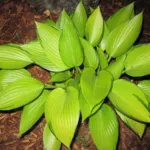
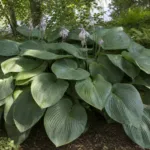
AI-generated illustration
Hosta ‘Lemon Lime’ short overview
Hosta 'Lemon Lime' is a compact, fast-growing miniature hosta with bright chartreuse-gold leaves and purple-striped summer flowers. It thrives in moist, organically rich soil and partial to full shade, making it useful for edging, containers, rock gardens, and small woodland plantings. Protect it from drying winds, slugs, and snails, and keep it away from pets because hostas contain saponins toxic to dogs and cats.
Taxonomic classification
Hosta ‘Lemon Lime’ care guide
Light and placement
Grow in partial shade to full shade, ideally with morning sun, dappled light, or a bright north-, east-, or sheltered west-facing position. Hot afternoon sun can bleach or scorch the bright foliage, especially when soil is dry. Very deep shade may produce slower growth and weaker flowering; pale, scorched patches suggest excess light or heat.
Watering and humidity
Water deeply when the upper inch of soil begins to dry, directing water beneath the foliage rather than over the leaves. Maintain even moisture during establishment, summer heat, and drought; do not allow the root zone to become persistently waterlogged. Container plants usually need more frequent watering than in-ground clumps.
Soil and growing medium
Use fertile, organically enriched soil that holds even moisture but drains freely. Loam amended with compost is ideal; clay and sandy soils benefit from organic matter. Hostas tolerate acidic, neutral, or alkaline soils, although a moderately fertile, moisture-retentive structure is more important than a narrow pH target.
Feeding
Apply a balanced, slow-release fertilizer or a modest compost mulch in spring as growth begins. Avoid heavy nitrogen feeding, which can produce soft foliage and encourage pest damage. Do not fertilize drought-stressed, newly divided, or dormant plants; water first and resume feeding only after active growth is established.
Growth and habit
Forms a low, compact clump and establishes quickly for a miniature hosta. It may broaden into an effective small-scale groundcover and can produce repeated flushes or rebloom under favorable conditions. Divide when overcrowded or when the center begins to lose vigor.
Planting and repotting
Plant in spring or early fall when soil moisture is reliable. Set the crown at soil level, with emerging buds just beneath the surface, and water thoroughly after planting. Space miniature clumps about 12–18 inches apart, allowing room for the cultivar to broaden while retaining a defined edge.
Repot container plants in early spring before leaves fully expand, moving them into fresh, moisture-retentive but well-drained potting mix. Divide or shift to a slightly larger container only when the root mass is crowded; avoid burying the crown deeply.
Propagation and pruning
Propagation
Propagate by division in early spring before leaves unfurl or in late summer after active growth. Separate crowns with a sharp, clean knife, ensuring each division has viable roots and buds. Seed is possible because the flowers are fertile, but seedlings will not reliably reproduce the named cultivar.
Pruning
No routine pruning is required. Remove spent flower scapes after flowering and cut back frost-blackened foliage after dormancy. Avoid removing healthy leaves during the growing season because they replenish the crown for the following year.
Overwintering
Leave healthy foliage in place until it naturally collapses after frost, then remove it to reduce hiding places for pests. In Zones 3–5, apply a light winter mulch after the ground begins to freeze, but keep mulch away from the crown. Containers may need extra insulation because roots are more exposed than those in the ground.
Uses
A compact ornamental foliage plant for shaded borders, garden edging, containers, rock gardens, groundcover groupings, and woodland-style plantings. The flower scapes can be used in arrangements. Do not use as an edible plant, and keep it away from dogs and cats because hosta tissue contains saponins.
Appearance
The plant forms a small mound of narrow, lance-shaped leaves about 3 inches long and 1 inch wide. Leaves are bright chartreuse-gold to greenish-gold, with lightly wavy margins and a fine-textured appearance. Upright, mostly bare scapes rise above the foliage and carry pale purple to purple-striped flowers.
Flowering
This miniature cultivar produces upright scapes above the foliage, carrying numerous pale purple to purple-striped, bell-shaped flowers in early to mid-summer. Flowers are fertile and may be followed by seed capsules. Removing spent scapes improves tidiness; cutting an initial flush after bloom may allow rebloom in favorable conditions.
Pollination and visitors
Missouri Botanical Garden lists hummingbirds among the wildlife attracted to the flowers. The exact cultivar may also receive occasional visits from other flower visitors, but cultivar-specific documentation is limited; no specific insect species is assigned here.
Diseases and pests
Diseases
Watch for hosta virus X, tobacco rattle virus, and tomato ringspot virus, which can cause mottling, streaking, distortion, or declining vigor. Remove and destroy confirmed infected plants rather than propagating them. Avoid overhead irrigation, improve air movement, and discard visibly diseased planting material.
Pests
Slugs and snails commonly chew holes in the leaves, especially during cool, wet weather. Use sanitation, hand-picking, barriers, or labeled slug controls as needed. Container plants may also attract vine weevil. Deer may browse hosta foliage, including this cultivar.
Related diseases and pests
Only Plant Doctor profiles whose host data indicate this plant may be affected are shown here.
 DiseaseImpatiens necrotic spot virus diseaseImpatiens necrotic spot orthotospovirus
 DiseaseSouthern blightAthelia rolfsii
 PestStrawberry foliar nematodeAphelenchoides fragariae
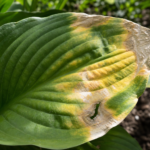 Environmental stressExcess light stress
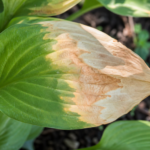 Environmental stressLeaf sunburn
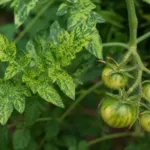 DiseaseTomato mosaic virusTobamovirus tomatotessellati
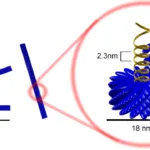 DiseaseTobacco mosaic virusTobamovirus tabaci
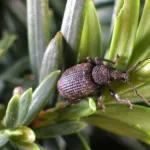 PestBlack Vine WeevilOtiorhynchus sulcatus
Toxicity and pollen
Hostas contain saponins and are listed as toxic to dogs and cats. Ingestion can cause vomiting, diarrhea, and depression; risk is generally associated with chewing or eating plant material rather than casual contact. Keep plants and divisions away from pets, and contact a veterinarian or poison-control service after suspected ingestion.
- Typical season
- June through August
- Pollination / pollen
- Flower pollen, mainly released during animal visitation
Hosta flowers are insect-visited and are not generally known for abundant wind-dispersed pollen. However, cultivar-specific allergy studies are unavailable, so this is described as a low airborne-pollen concern rather than as zero risk. Sensitive individuals should avoid handling flowers if symptoms occur.
Native habitat
Hostas are shade-associated herbaceous perennials adapted to humus-rich, moisture-retentive soils in woodland-like conditions. The named cultivar is a cultivated garden selection rather than a wild population, so its natural distribution is not applicable.
Interesting fact
Registered by Robert P. Savory in 1977, 'Lemon Lime' is a miniature hosta noted for unusually bright chartreuse-gold foliage. Its small size makes it useful where standard hostas are too large, and it can rebloom when early flower scapes are removed.
Frequently asked questions (FAQ)
The most relevant questions about this plant, with short and direct answers.
🌱Quick care
How do you care for Hosta 'Lemon Lime'?⌄
Grow Hosta 'Lemon Lime' in partial shade to shade, fertile evenly moist soil, and a site with good drainage. Keep the root zone consistently moist and add organic mulch to help prevent drying.
Is Hosta 'Lemon Lime' a perennial?⌄
Yes, Hosta 'Lemon Lime' is a hardy herbaceous perennial that dies back in cold weather and regrows from underground crowns in spring.
How big does Hosta 'Lemon Lime' get?⌄
Hosta 'Lemon Lime' is a miniature hosta that typically grows about 5 inches tall and 7 inches wide, although older clumps may spread farther under favorable conditions.
Is Hosta 'Lemon Lime' a miniature hosta?⌄
Yes, Hosta 'Lemon Lime' is classified as a miniature hosta. Its small, chartreuse-gold leaves make it useful for edging, rock gardens, containers, and the front of shady borders.
🌤️Environment and placement
How much light does Hosta 'Lemon Lime' need?⌄
Hosta 'Lemon Lime' grows best in partial shade to shade, with bright filtered light helping maintain strong foliage color. Protect it from intense afternoon sun, especially in hot climates.
Can Hosta 'Lemon Lime' grow in full shade?⌄
Yes, Hosta 'Lemon Lime' can grow in full shade, but growth may be slower and the foliage may be less vibrant than in bright, filtered shade.
Can Hosta 'Lemon Lime' tolerate morning sun?⌄
Yes, Hosta 'Lemon Lime' can usually tolerate gentle morning sun if the soil stays evenly moist. Avoid prolonged hot afternoon exposure, which can scorch its leaves.
What USDA hardiness zones can grow Hosta 'Lemon Lime'?⌄
Hosta 'Lemon Lime' is generally considered hardy to about USDA Zone 4 and can be grown in colder regions when protected by snow or mulch. Performance in warmer areas is best where summer heat is moderated.
What soil is best for Hosta 'Lemon Lime'?⌄
Use fertile, organically rich, moisture-retentive soil that drains well. Incorporating compost or leaf mold can improve both moisture consistency and soil structure.
Can Hosta 'Lemon Lime' grow in a container?⌄
Yes, Hosta 'Lemon Lime' performs well in containers when planted in a rich, well-drained potting mix. Containers dry out faster than garden soil, so check moisture regularly during active growth.
💧Care and problems
How often should you water Hosta 'Lemon Lime'?⌄
Water Hosta 'Lemon Lime' whenever the top inch of soil begins to dry, keeping the root zone evenly moist but not waterlogged. Watering needs increase during hot, dry weather and in containers.
Why are the leaves of Hosta 'Lemon Lime' turning brown?⌄
Brown leaf edges or patches usually indicate drought stress, excessive sun, heat, or physical damage. Move container plants to brighter shade and keep the soil consistently moist without allowing it to remain soggy.
Why is Hosta 'Lemon Lime' losing its bright color?⌄
Foliage color can fade when the plant receives too little light, while excessive direct sun can bleach or scorch the leaves. Bright filtered shade usually provides the best balance of color and leaf protection.
Do slugs eat Hosta 'Lemon Lime'?⌄
Yes, slugs and snails may feed on Hosta 'Lemon Lime', especially in damp, shaded gardens. Reduce hiding places, avoid wetting foliage overnight, and use a slug-control method appropriate for your garden.
Should you fertilize Hosta 'Lemon Lime'?⌄
A yearly application of compost and a light spring feeding with a balanced fertilizer are usually sufficient. Avoid heavy late-season fertilization, which can encourage tender growth before winter.
🪴Planting and repotting
When should you plant Hosta 'Lemon Lime'?⌄
Plant Hosta 'Lemon Lime' in spring or early fall, when temperatures are moderate and soil moisture is easier to maintain. Water newly planted divisions regularly until they establish.
How do you plant Hosta 'Lemon Lime' in the ground?⌄
Set the plant so the crown is level with the surrounding soil, spread the roots outward, and backfill with amended soil. Water thoroughly and apply a light mulch layer while keeping mulch away from the crown.
How do you overwinter Hosta 'Lemon Lime' in a pot?⌄
In cold climates, overwinter container-grown Hosta 'Lemon Lime' in a sheltered location where the dormant soil remains slightly moist but does not stay saturated. Protect the pot from repeated freeze-thaw cycles, which can damage roots.
✂️Propagation and pruning
How do you propagate Hosta 'Lemon Lime'?⌄
Propagate Hosta 'Lemon Lime' by dividing established clumps in spring or early fall. Separate sections with roots and growing points, then replant them at the same depth and keep them evenly moist.
Can Hosta 'Lemon Lime' be grown from seed?⌄
It can produce seed after flowering, but seedlings may not match the parent cultivar. Division is the preferred method when you want plants that retain the distinctive 'Lemon Lime' foliage.
When should you divide Hosta 'Lemon Lime'?⌄
Divide Hosta 'Lemon Lime' in early spring as shoots emerge or in early fall after the hottest weather has passed. Avoid dividing during hot, dry periods because newly separated sections can lose moisture quickly.
Should you cut back Hosta 'Lemon Lime' in fall?⌄
Remove dead or frost-damaged foliage after it collapses in fall, or leave it until late winter if you prefer additional winter cover. Clean away old foliage before spring growth to reduce hiding places for pests.
⚠️Toxicity and safety
Is Hosta 'Lemon Lime' toxic to dogs and cats?⌄
Yes, Hosta 'Lemon Lime' is toxic to dogs and cats if eaten. Keep pets from chewing the leaves, flowers, or other plant parts, and contact a veterinarian promptly if ingestion causes concern.
Is Hosta 'Lemon Lime' poisonous to people?⌄
Hosta 'Lemon Lime' is primarily a pet-safety concern, and the available plant references do not generally list it as toxic to people. Avoid eating ornamental plants and seek medical advice if someone ingests an unknown amount.
Is Hosta 'Lemon Lime' deer resistant?⌄
No, Hosta 'Lemon Lime' should not be considered reliably deer resistant. Deer may browse the foliage, particularly where populations are high or other food sources are limited.
🌸Flowering and special interest
Does Hosta 'Lemon Lime' flower?⌄
Yes, Hosta 'Lemon Lime' produces light purple to lavender flowers on short, upright scapes, generally in summer. The plant is grown primarily for its bright foliage, but the flowers add seasonal interest.
When does Hosta 'Lemon Lime' bloom?⌄
Hosta 'Lemon Lime' usually blooms in summer, often from late spring into early summer depending on climate and growing conditions. Flowering time may vary with local temperatures and plant maturity.
Should you remove the flowers from Hosta 'Lemon Lime'?⌄
Remove spent flower stalks if you want the clump to look tidy or prefer the plant to focus visually on its foliage. Leaving the flowers does not normally harm an established plant.