Source:
Hosta ‘June Fever’ short overview
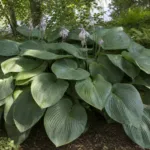
Hosta 'June Fever' is a compact, mound-forming perennial with luminous golden-green variegated leaves and pale blue-violet bell-shaped flowers in summer. This Hosta tardiana cultivar was discovered in the Netherlands as a mutation of 'June'. It grows best in partial to full shade, evenly moist humus-rich soil, and sheltered woodland-style plantings. Keep it away from pets because hosta foliage is toxic if eaten.
Taxonomic classification
Hosta ‘June Fever’ care guide
Light and placement
Provide bright filtered light, partial shade, or morning sun with afternoon shade. An east-facing or north-facing bed is often suitable; avoid hot reflected light and strong afternoon sun, which can scorch the yellow portions of the leaves. Too little light may reduce vigor and contrast, while excessive light can bleach or burn foliage.
Watering and humidity
Water deeply when the top inch of soil begins to dry, keeping the root zone evenly moist rather than constantly saturated. Increase frequency during hot, windy weather and reduce it after dormancy begins in fall. Morning irrigation is preferable; avoid frequent shallow sprinkling and wet crowns overnight.
Soil and growing medium
Use fertile, humus-rich soil that holds moisture without becoming waterlogged. A loamy garden soil amended with compost is suitable. Slightly acidic to neutral conditions are generally appropriate. Avoid compacted ground and improve drainage before planting in heavy clay.
Feeding
Top-dress with compost in spring and apply a balanced slow-release fertilizer at label rates as growth begins if soil fertility is low. Avoid heavy nitrogen feeding, which can produce soft foliage and encourage pest problems. Stop routine feeding by late summer so growth can harden before dormancy.
Growth and habit
Forms a stable, rounded clump from basal leaves and returns from a dormant crown each spring. Growth is moderate, and the cultivar is best maintained by keeping competing roots and dense weeds away from the crown. Division is useful when the clump becomes crowded or when additional plants are wanted.
Planting and repotting
Plant in spring or early fall, positioning the crown at soil level rather than burying it deeply. Space plants about 24–30 inches apart to allow the mound to develop. Water thoroughly after planting and maintain consistent moisture during the first growing season.
Repot container-grown plants in spring, moving them into fresh moisture-retentive potting mix and a container only slightly larger than the root mass. Divide overcrowded plants at the same time if needed. Ensure the container has generous drainage holes.
Propagation and pruning
Propagation
Division in spring or early fall is the reliable method for retaining the cultivar. Dig the clump, separate crowns with roots and shoots attached, and replant divisions promptly. Seed is not recommended for maintaining the named cultivar because seedlings may not come true.
Pruning
Remove spent flower scapes after flowering if seed production is not wanted. Cut the foliage to the ground after it collapses naturally in fall or after a hard frost. Remove diseased or badly damaged leaves promptly during the growing season.
Overwintering
Leave the dormant crown outdoors in the ground in suitable USDA Zones 3–9. Apply a light mulch after the soil cools, especially for newly planted divisions, but keep mulch away from the crown. Container plants need extra root insulation because their roots experience colder temperature swings than plants in the ground.
Uses
Use as a foliage accent in shaded perennial borders, woodland gardens, foundation plantings, and containers. Its bright variegation contrasts well with ferns, dark-leaved heucheras, and fine-textured grasses suited to shade. It is ornamental only and should not be consumed, especially by pets.
Appearance
Leaves are basal, ovate, pointed, and variegated, with bright medium-green to golden coloration contrasted by darker green sections toward margins and veins. The foliage forms a rounded mound, and slender scapes rise above it in summer. Leaf color and contrast can shift with season, light, and growing conditions.
Flowering
Racemes rise above the foliage in summer and carry campanulate, pale blue-violet to violet-white flowers. The cultivar is grown primarily for its foliage; flowering is secondary but adds useful vertical contrast in a shade planting.
Pollination and visitors
The tubular flowers may be visited by bees and bumblebees, but the cultivar is primarily valued as an ornamental foliage plant rather than a major pollinator resource. No specific pollinating species is reliably documented for this exact cultivar.
Diseases and pests
Diseases
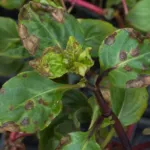
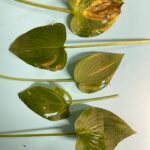
Reduce risk of crown and root rots by avoiding saturated soil and by watering at the soil surface. Remove badly damaged foliage and improve air circulation around crowded plants. Hosta Virus X can spread through sap; disinfect tools between plants and remove plants showing persistent abnormal mottling or distorted leaves.
Pests
Slugs and snails commonly chew hosta leaves, especially during cool, wet weather. Inspect plants regularly, remove hiding places, keep foliage and mulch from resting against crowns, and use barriers or a locally approved control when damage is persistent. Deer and rabbits may also browse the foliage.
Related diseases and pests
Only Plant Doctor profiles whose host data indicate this plant may be affected are shown here.

Toxicity and pollen
Hosta species contain saponins and are listed by the ASPCA as toxic to dogs and cats if eaten. Possible signs include vomiting, diarrhea, and depression. The main concern is ingestion of leaves, petioles, or other plant material; discourage chewing and contact a veterinarian or poison-control service if ingestion occurs.
- Typical season
- Late spring through summer during flowering
- Pollination / pollen
- Insect-carried pollen
Hosta pollen is generally released from flowers during summer and is not commonly regarded as a major airborne allergen. Because the flowers are insect-visited and pollen is concentrated around the blossoms, exposure is usually localized rather than widespread, but individual sensitivity can vary.
Native habitat
The cultivar is garden-origin rather than a wild-collected population. Its Hosta background reflects shade-adapted perennial ecology: moist woodland margins, humus-rich soils, filtered light, and climates with a winter dormant period.
Interesting fact
‘June Fever’ was discovered by Hendrik Jan van den Top in Barneveld, Netherlands, in 1998 as a whole-plant mutation of ‘June’. Its cultivar identity is maintained vegetatively because division preserves the foliage pattern more reliably than seed.
Frequently asked questions (FAQ)
The most relevant questions about this plant, with short and direct answers.
🌱Quick care
How do you care for Hosta 'June Fever'?⌄
Grow Hosta 'June Fever' in partial to full shade, humus-rich soil, and evenly moist but well-drained conditions. Water during dry spells, mulch lightly, and remove declining foliage after frost.
Is Hosta 'June Fever' easy to grow?⌄
Yes, Hosta 'June Fever' is generally an easy-care, cold-hardy perennial when grown in moist, fertile soil with protection from intense afternoon sun. Its thick foliage may offer better slug resistance than many hostas, but pests can still occur.
How big does Hosta 'June Fever' get?⌄
Hosta 'June Fever' typically forms a mound about 14–18 inches tall and roughly 24–36 inches wide at maturity. Size varies with age, soil fertility, moisture, and growing conditions.
What does Hosta 'June Fever' look like?⌄
Hosta 'June Fever' has bright yellow to chartreuse leaves with narrow blue-green margins and a compact, mounding habit. The foliage may become more chartreuse as the season progresses.
🌤️Environment and placement
Does Hosta 'June Fever' prefer sun or shade?⌄
Hosta 'June Fever' prefers partial shade to shade, especially protection from strong afternoon sun. It can tolerate more morning sun than many hostas if the soil remains evenly moist.
Can Hosta 'June Fever' grow in full shade?⌄
Yes, Hosta 'June Fever' can grow in full shade, although brighter filtered light usually produces stronger foliage color and flowering. Very dense shade may reduce vigor and bloom production.
How much morning sun can Hosta 'June Fever' take?⌄
Hosta 'June Fever' can usually tolerate several hours of gentle morning sun, particularly in cooler climates. Provide more shade in hot regions or if the leaves develop scorching, bleaching, or dry margins.
What soil is best for Hosta 'June Fever'?⌄
The best soil for Hosta 'June Fever' is humus-rich, moisture-retentive loam that drains well. Improve poor soil with compost, but avoid locations that stay waterlogged.
How much water does Hosta 'June Fever' need?⌄
Hosta 'June Fever' needs consistently moist soil, especially during hot or dry weather. Water deeply when the soil surface begins to dry, and water at the base to reduce leaf disease risk.
What USDA hardiness zones are suitable for Hosta 'June Fever'?⌄
Hosta 'June Fever' is a cold-hardy perennial commonly grown across much of USDA Zones 3–9. In warmer zones, reliable summer moisture and afternoon shade are especially important.
💧Care and problems
Why are the leaves of my Hosta 'June Fever' turning green?⌄
Leaves of Hosta 'June Fever' may become more chartreuse or greener as the season advances, which is normal. Excessive shade, high nitrogen, or a plant reverting to a sport can also reduce the expected gold coloration.
Why are my Hosta 'June Fever' leaves turning brown?⌄
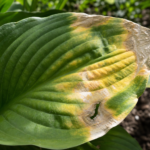
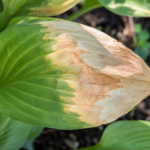
Brown leaves on Hosta 'June Fever' are usually caused by drought, excessive sun, heat, wind, or leaf scorch. Move or shade the plant if needed and keep the soil evenly moist without creating standing water.
How often should I fertilize Hosta 'June Fever'?⌄
Fertilize Hosta 'June Fever' once in early spring as new shoots emerge, using a balanced slow-release fertilizer or compost. Avoid heavy late-season feeding, which can encourage soft growth before winter.
How do I protect Hosta 'June Fever' from slugs and snails?⌄
Protect Hosta 'June Fever' by reducing hiding places, watering the soil rather than the foliage, and checking plants regularly for feeding damage. Thick leaves can be relatively resistant, but no hosta is completely slug-proof.
Do deer eat Hosta 'June Fever'?⌄
Yes, deer may eat Hosta 'June Fever', even though its thicker foliage may be somewhat less appealing than that of some hostas. Use fencing, repellents, or other deer-control measures where browsing pressure is high.
Can Hosta 'June Fever' be grown in a container?⌄
Yes, Hosta 'June Fever' grows well in a container at least about 12–16 inches wide with drainage holes. Use moisture-retentive potting mix, water more frequently than plants in the ground, and provide bright shade.
🪴Planting and repotting
When is the best time to plant Hosta 'June Fever'?⌄
The best time to plant Hosta 'June Fever' is spring or early fall, when temperatures are moderate and soil moisture is dependable. Avoid planting during extreme summer heat unless irrigation is reliable.
How far apart should Hosta 'June Fever' be planted?⌄
Space Hosta 'June Fever' about 24–36 inches apart, depending on whether you want the plants to touch at maturity. Allow extra room around each crown for airflow and clump development.
How deep should Hosta 'June Fever' be planted?⌄
Plant Hosta 'June Fever' with the crown at soil level, not deeply buried. Spread the roots through the planting hole, backfill with amended soil, and water thoroughly to settle the roots.
Can Hosta 'June Fever' grow under trees?⌄
Yes, Hosta 'June Fever' can grow under trees if it receives filtered light and enough moisture. Keep it away from dense surface roots when possible, and monitor the soil because tree roots can quickly compete for water.
✂️Propagation and pruning
How do you propagate Hosta 'June Fever'?⌄
Propagate Hosta 'June Fever' primarily by dividing its crown in early spring or late summer. Separate sections with viable roots and shoots, then replant them promptly at the original depth.
Can Hosta 'June Fever' be grown from seed?⌄
Hosta 'June Fever' can produce seed, but seedlings usually will not remain genetically identical to the named cultivar. Division or licensed tissue culture is preferred when preserving its gold-centered, blue-green-margined foliage.
When should Hosta 'June Fever' be divided?⌄
Divide Hosta 'June Fever' in early spring as shoots emerge or in late summer after active growth begins to slow. Water the divisions well until they reestablish.
Should I cut back Hosta 'June Fever' in fall?⌄
Cut back Hosta 'June Fever' after frost has caused the foliage to collapse, or remove the dead leaves in late winter or early spring. Leaving healthy foliage until dormancy helps the plant store energy.
⚠️Toxicity and safety
Is Hosta 'June Fever' toxic to dogs?⌄
Yes, Hosta 'June Fever' is toxic to dogs if eaten and may cause gastrointestinal upset, including vomiting or diarrhea. Contact a veterinarian promptly if a dog consumes the plant or develops symptoms.
Is Hosta 'June Fever' toxic to cats?⌄
Yes, Hosta 'June Fever' is toxic to cats if eaten. Keep foliage away from cats and contact a veterinarian or an animal poison resource if ingestion occurs.
Is Hosta 'June Fever' safe around children?⌄
Hosta 'June Fever' should not be eaten, so supervise children around the plant and teach them not to put its leaves, flowers, or seeds in their mouths. The main documented concern is ingestion by pets.
🌸Flowering and special interest
When does Hosta 'June Fever' bloom?⌄
Hosta 'June Fever' usually blooms in mid to late summer, often around July in many U.S. gardens. Lavender to pale lavender, bell-shaped flowers appear on upright scapes above the foliage.
Does Hosta 'June Fever' have fragrant flowers?⌄
Hosta 'June Fever' is grown primarily for its foliage, and its lavender flowers are not generally considered strongly fragrant. Flowering is still useful for adding vertical contrast and seasonal interest.
Should I remove the flower stalks from Hosta 'June Fever'?⌄
Remove Hosta 'June Fever' flower stalks after blooming if you prefer a tidier appearance or want to prevent seed formation. Leaving them in place does not normally harm the plant.