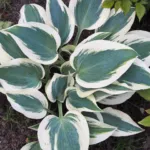
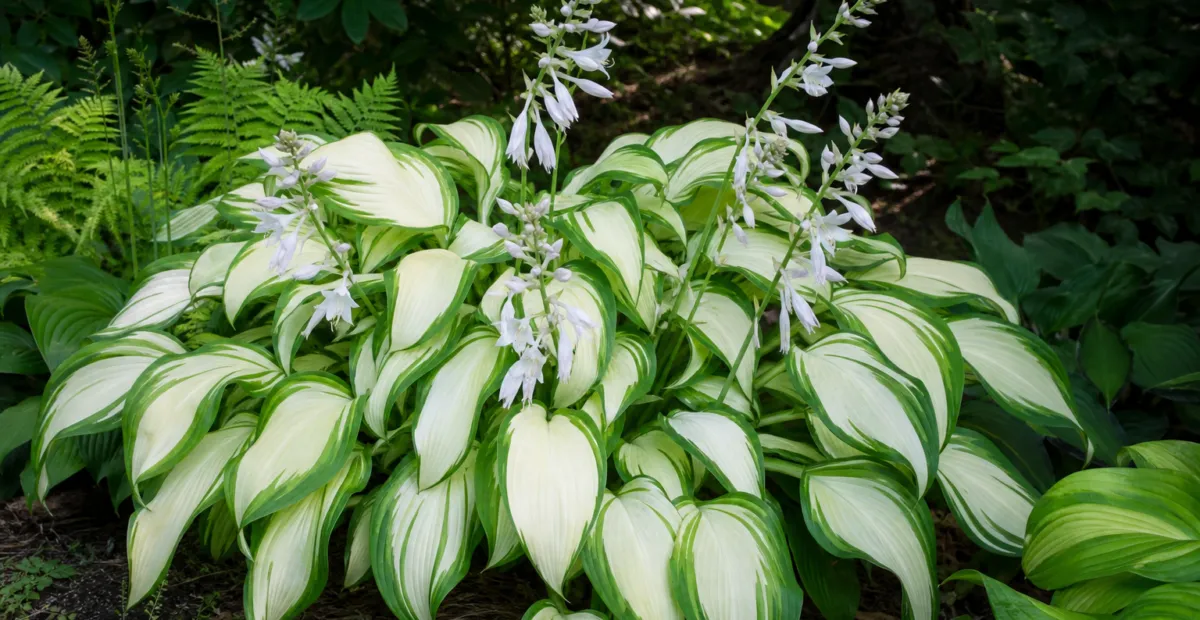
 AI-generated illustration
Plantain lily (Hosta ‘Cool As A Cucumber’) short overview
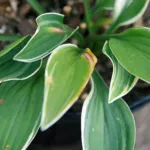
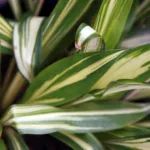
Hosta 'Cool As A Cucumber' is a large, graceful hosta with long, tapered leaves centered in creamy white and edged by medium-green margins. The foliage develops from an initially upright habit into a broad, arching mound, bringing strong contrast to shaded borders and woodland plantings. Near-white tubular flowers rise on tall scapes in midsummer. Provide rich, evenly moist, well-drained soil and protection from harsh afternoon sun and drying winds.
Taxonomic classification
Plantain lily (Hosta ‘Cool As A Cucumber’) care guide
Light and placement
Grow in bright filtered light, partial shade, or shade, preferably with morning sun and protection from intense afternoon exposure. An east-facing or north-facing bed is often suitable. Too much direct sun can bleach or scorch the creamy center and cause leaf-edge browning; too little light may produce weaker petioles and less vigorous growth. In cooler climates, gentle morning sun can be tolerated if soil moisture is maintained.
Watering and humidity
Water deeply when the upper inch of soil begins to dry, keeping the root zone evenly moist during active growth. Large leaves lose water quickly, especially in sun or windy sites. Water at the soil line rather than repeatedly wetting foliage, and reduce frequency in cool fall weather while preventing the crown from sitting in saturated soil. Mulch helps stabilize moisture and temperature.
Soil and growing medium
Use fertile, humus-rich soil that holds steady moisture without becoming waterlogged. A loamy woodland-style soil is ideal; improve compacted ground with compost and organic matter. Slightly acidic to neutral conditions are suitable. Good drainage is important because saturated crowns can rot, while dry, sandy soil can scorch the broad leaves.
Feeding
Apply compost or a balanced slow-release fertilizer around the root zone in early spring as shoots emerge. Avoid placing fertilizer against the crown. A second light feeding is optional on poor soil, but stop by midsummer so late succulent growth can harden before winter. Do not fertilize drought-stressed or waterlogged plants.
Growth and habit
This is a medium-growing, clump-forming herbaceous perennial. New shoots emerge from a crown each spring, and the plant gradually develops a broad, arching habit. Keep competing roots and dense groundcovers from invading the crown, and divide only when the clump becomes crowded or needs rejuvenation.
Planting and repotting
Plant in spring or early fall, setting the crown so the growing eyes are just below or level with the soil surface. Allow about 44–50 inches between established plants for a full mound, or space more closely for quicker coverage. Water thoroughly after planting and mulch lightly, keeping mulch away from the crown.
Container-grown plants can be repotted in spring as growth begins, using a moisture-retentive but well-drained potting mix. Move up only one container size and keep the crown at the same depth. Divide or refresh crowded plants before vigorous summer growth.
Propagation and pruning
Propagation
Division is the practical propagation method. Divide established clumps in early spring as shoots emerge or in early fall, making sure each division has roots and at least one healthy growing eye. Seed propagation is not a reliable way to reproduce this named cultivar because seedlings may not retain its variegated foliage.
Pruning
Remove flower scapes after flowering if seed production is not desired, or leave them temporarily for structure. Cut foliage to the ground after a hard freeze or once it collapses in late fall. Remove damaged leaves during the season to improve appearance and reduce hiding places for slugs.
Overwintering
Leave the crown in the ground outdoors within its hardiness range. After foliage collapses following frost, cut it back and apply a light organic mulch in exposed or cold sites, keeping the crown itself uncovered. Container plants are more vulnerable to freeze-thaw injury; move pots to a sheltered unheated location or insulate the container rather than bringing the plant into a warm indoor room.
Uses
Use as a bold foliage accent in shaded beds, woodland borders, foundation plantings, and large containers. Its pale center brightens dark garden settings and contrasts well with ferns, heucheras, astilbes, and dark-leaved perennials. It is ornamental rather than a recommended edible plant, and should be kept away from pets because hostas are toxic to dogs and cats.
Appearance
The long, tapered leaves have clear creamy-white centers bordered by medium green, with a slightly glossy surface and visible parallel veins. The foliage begins more upright and becomes a graceful cascading or arching mound as the clump matures. Creamy-white petioles and tall pale scapes reinforce the cultivar's light-reflective appearance in shade.
Flowering
Tall, leafless scapes rise well above the foliage and carry near-white, tubular, funnel-shaped flowers in midsummer. The cultivar is grown primarily for its foliage, but the pale blooms provide vertical contrast and are accessible to insect visitors. Flowering is typically reported from early to mid-July in the United States, with timing varying by region.
Pollination and visitors
The tubular hosta flowers are visited by bees, bumblebees, and butterflies, although this cultivar is usually planted chiefly for its foliage. The tall scapes lift flowers above the mound, making them more visible to visiting insects. No cultivar-specific pollinator species is reliably documented.
Diseases and pests
Diseases
Avoid prolonged crown wetness and improve air circulation around crowded clumps. Watch for Hosta Virus X symptoms such as irregular mottling, ink-like streaking, or distorted leaves; remove and destroy suspect plants and disinfect tools. Crown rot and foliar fungal problems are more likely in poorly drained or persistently wet conditions.
Pests
Slugs and snails are the main pests, chewing holes in emerging and mature leaves. Reduce hiding places, water in the morning, and use hand-picking, traps, or an iron-based slug control labeled for ornamental gardens. Deer and rabbits may also browse foliage; fencing or repellents may be needed where pressure is high.
Related diseases and pests
Only Plant Doctor profiles whose host data indicate this plant may be affected are shown here.
 DiseaseImpatiens necrotic spot virus diseaseImpatiens necrotic spot orthotospovirus
 DiseaseSouthern blightAthelia rolfsii
 PestStrawberry foliar nematodeAphelenchoides fragariae
 Environmental stressExcess light stress
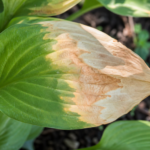 Environmental stressLeaf sunburn
 DiseasePhytophthora root and crown rotPhytophthora nicotianae
 DiseaseOnion downy mildewPeronospora destructor
Toxicity and pollen
Hostas contain saponins and are listed by veterinary poison-control sources as toxic to dogs and cats. Ingestion commonly causes gastrointestinal upset such as vomiting, diarrhea, or depression; severity depends on the amount eaten and the animal. Keep plant material away from pets and contact a veterinarian if ingestion occurs.
- Typical season
- Late spring through midsummer flowering period
- Pollination / pollen
- Insect-associated pollen; not a major airborne pollen source
Hosta pollen is generally released from conspicuous flowers and is primarily transferred by insect visitors rather than dispersed as a major airborne pollen cloud. A low airborne-allergy concern is the most defensible general classification, but sensitive individuals can still react to flowering plants. Avoid assuming zero risk solely because flowers are insect-pollinated.
Native habitat
Hostas are woodland-edge perennials associated with cool, temperate climates, filtered light, fertile soils, and dependable moisture. This named cultivar is a garden selection rather than a wild population, so its natural distribution is not applicable. Conditions resembling a moist forest margin best support strong foliage and reliable flowering.
Interesting fact
This cultivar is recorded as a sport of Hosta 'Cascades'. Its registry description records a very large 48-inch clump diameter and 32-inch plant height. The creamy-white leaf center reflects light strongly in shaded gardens. Young growth can appear more upright before developing its characteristic arching form.
Frequently asked questions (FAQ)
The most relevant questions about this plant, with short and direct answers.
🌱Quick care
What is Hosta 'Cool As A Cucumber' commonly called?⌄
Hosta 'Cool As A Cucumber' is commonly called plantain lily. It is a large, variegated Hosta cultivar grown mainly for its green-margined, creamy-white-centered foliage.
How big does Hosta 'Cool As A Cucumber' get?⌄
Hosta 'Cool As A Cucumber' typically grows about 28 inches tall and 48 inches wide. Give it roughly 40 to 48 inches of space so the arching mound can develop fully.
Is Hosta 'Cool As A Cucumber' easy to grow?⌄
Yes, Hosta 'Cool As A Cucumber' is generally easy to grow when planted in shade or partial shade and kept evenly moist. Its main recurring problems are slug damage, drought stress and excessive sun exposure.
🌤️Environment and placement
What light does Hosta 'Cool As A Cucumber' need?⌄
Hosta 'Cool As A Cucumber' grows best in partial shade to shade. It can tolerate gentle morning sun, but strong afternoon sun may scorch or bleach its variegated leaves.
Can Hosta 'Cool As A Cucumber' grow in full shade?⌄
Yes, Hosta 'Cool As A Cucumber' can grow in full shade, provided the soil remains fertile and evenly moist. Growth may be somewhat less vigorous than in bright, filtered shade.
How much sun can Hosta 'Cool As A Cucumber' tolerate?⌄
It usually tolerates a few hours of mild morning sun or filtered light. Protect it from hot afternoon sun, especially in the southern United States or during drought.
What USDA hardiness zones are suitable for Hosta 'Cool As A Cucumber'?⌄
Hosta 'Cool As A Cucumber' is generally hardy in USDA Zones 3 through 9. Winter performance can still vary with snow cover, exposure and the condition of the crown.
What soil is best for Hosta 'Cool As A Cucumber'?⌄
Use fertile, humus-rich, moist but well-drained loam. Incorporating compost can improve moisture retention and soil structure, but avoid sites that stay waterlogged.
Can Hosta 'Cool As A Cucumber' grow in containers?⌄
Yes, Hosta 'Cool As A Cucumber' can grow in a large container with drainage holes. Choose a pot wide enough for its mature spread, keep the mix evenly moist and provide bright shade rather than hot sun.
💧Care and problems
How often should I water Hosta 'Cool As A Cucumber'?⌄
Water Hosta 'Cool As A Cucumber' whenever the soil surface begins to dry, aiming to keep the root zone evenly moist. Water more often during hot, dry weather and less during cool, rainy periods.
Why are the leaves of Hosta 'Cool As A Cucumber' turning brown?⌄
Brown leaf edges usually indicate drought stress, hot sun, wind damage or inconsistent watering. Move the plant toward deeper shade if needed and keep the soil evenly moist without allowing poor drainage.
How do I fertilize Hosta 'Cool As A Cucumber'?⌄
Apply a light, balanced fertilizer or compost in early spring as new growth begins. Keep granular fertilizer away from the crown and avoid heavy feeding, which can damage roots or produce weak growth.
How do I protect Hosta 'Cool As A Cucumber' from slugs?⌄
Reduce slug habitat by removing hiding debris and keeping dense mulch away from the crown. Hand-picking, traps or a labeled slug control product can be used when feeding damage becomes significant.
Why is Hosta 'Cool As A Cucumber' not growing well?⌄
Poor growth is most often caused by insufficient moisture, excessive sun, compacted soil, crown damage or competition from nearby roots. Check soil moisture and drainage first, then move the plant if the site is too bright or dry.
🪴Planting and repotting
When is the best time to plant Hosta 'Cool As A Cucumber'?⌄
Plant Hosta 'Cool As A Cucumber' in spring or early fall when temperatures are moderate. Spring planting gives the roots a long season to establish, while fall planting should be completed several weeks before the ground freezes.
How far apart should Hosta 'Cool As A Cucumber' be planted?⌄
Space Hosta 'Cool As A Cucumber' about 40 to 48 inches apart for individual plants. Closer spacing is possible for a quicker mass planting, but it will require division sooner.
How deep should I plant Hosta 'Cool As A Cucumber'?⌄
Plant it with the crown at soil level, not deeply buried. Spread the roots through the planting hole, backfill with amended soil and water thoroughly after planting.
Can Hosta 'Cool As A Cucumber' be transplanted?⌄
Yes, Hosta 'Cool As A Cucumber' can be transplanted successfully in spring or early fall. Dig widely to preserve the root ball, replant at the same depth and keep it consistently moist while it reestablishes.
✂️Propagation and pruning
How do you propagate Hosta 'Cool As A Cucumber'?⌄
The most reliable method is division of the crown in early spring or late summer. Separate sections with healthy roots and shoots, then replant them promptly at the original depth.
Can Hosta 'Cool As A Cucumber' be grown from seed?⌄
It can produce seed, but seedlings may not closely resemble Hosta 'Cool As A Cucumber'. Division is preferred when you want to preserve the cultivar's distinctive variegated foliage.
Should I cut back Hosta 'Cool As A Cucumber' after flowering?⌄
Cut flower scapes back after blooming if you want to keep the plant tidy and direct energy toward the foliage. Remove yellow or damaged leaves at the base, but leave healthy leaves until they naturally decline.
⚠️Toxicity and safety
Is Hosta 'Cool As A Cucumber' toxic to dogs and cats?⌄
Yes, Hosta 'Cool As A Cucumber' is moderately toxic to dogs and cats if eaten. Keep pets from chewing the leaves, flowers or other plant parts, and contact a veterinarian if ingestion causes concern.
Is Hosta 'Cool As A Cucumber' poisonous to people?⌄
Hostas are not generally grown as edible plants, so people and children should not eat Hosta 'Cool As A Cucumber'. Keep plant material away from young children and seek medical advice after significant ingestion.
🌸Flowering and special interest
When does Hosta 'Cool As A Cucumber' bloom?⌄
Hosta 'Cool As A Cucumber' blooms in early summer. Its tall flower scapes rise above the foliage and may reach about 40 inches.
What color are the flowers of Hosta 'Cool As A Cucumber'?⌄
The flowers are light lavender to near white, depending on growing conditions and the description used by the grower. They are carried on tall, pale scapes above the variegated leaves.
Does Hosta 'Cool As A Cucumber' attract pollinators?⌄
Its flowers can attract hummingbirds and butterflies. The cultivar is primarily valued for its foliage, but the early-summer blooms add useful vertical interest in a shade garden.