
 Source:
 Burgundy blanket flower (Gaillardia ‘Burgundy’) short overview
Gaillardia 'Burgundy' is a short-lived perennial blanket flower valued for its large, deep wine-red blooms and unusually long summer-to-fall flowering season. The yellow center gradually darkens toward red as flowers mature. Plants perform best in full sun and well-drained soil, tolerate heat and drought once established, and suit borders, cottage gardens, wildlife plantings, containers, and cutting gardens throughout much of the United States.
Taxonomic classification
Burgundy blanket flower (Gaillardia ‘Burgundy’) care guide
Light and placement
Give full sun, ideally at least 6 hours of direct light with open exposure. South- or west-facing beds are suitable if soil drains quickly. Too little light produces weaker, floppier stems and fewer flowers; excessive heat is usually tolerated when roots are not waterlogged.
Watering and humidity
Water deeply and thoroughly when newly planted, allowing the soil to dry moderately between waterings. After establishment, water during prolonged heat or drought rather than on a fixed daily schedule. Reduce irrigation in cool weather and avoid wet crowns, which increase root-rot risk.
Soil and growing medium
Use average, well-drained soil with a loose structure. Loam, sandy soil, or rocky soil is suitable; avoid heavy, persistently wet clay. The plant tolerates a broad pH range from acidic through alkaline, provided drainage is reliable.
Feeding
Gaillardia 'Burgundy' generally needs little fertilizer. Incorporate a modest amount of finished compost before planting if soil is poor, then use a balanced fertilizer sparingly in spring if growth is weak. Avoid heavy nitrogen feeding, which can produce soft foliage and fewer flowers; do not fertilize drought-stressed or waterlogged plants.
Growth and habit
This short-lived perennial establishes quickly and forms an upright, branching plant that may become somewhat sprawling in flower. It is low maintenance once established. Removing spent flowers can improve neatness and may encourage continued bloom, while cutting back after a summer lull can promote a later flush.
Planting and repotting
Plant after the danger of hard spring frost has passed, or in early fall where establishment time remains before winter. Set at the same depth as the nursery container or crown, never burying the crown. Space plants about 12–18 inches apart; water deeply during establishment, then reduce frequency.
Transplant container plants in spring or early fall while temperatures are moderate. Choose a pot with drainage holes and avoid oversized containers that stay wet. Because this is a short-lived perennial, replacement is often more practical than repeated long-term pot culture.
Propagation and pruning
Propagation
Propagate primarily by seed. Sow outdoors after the last frost or start indoors about 4–6 weeks earlier, following the seed supplier's instructions. Seed-grown plants may self-sow reliably in favorable sites, and color or form can show some variation.
Pruning
Deadhead spent flowers to tidy plants and potentially prolong bloom. If flowering declines during summer, shear the plant back moderately to encourage fresh growth and later flowers. Cut back old stems in late winter or early spring before new growth begins.
Overwintering
Leave a few seedheads standing if bird value is desired, then cut old stems back in late winter or early spring. In very wet winter climates, prioritize drainage over heavy mulch; a light, airy mulch can be used in colder regions without covering the crown.
Uses
Use in sunny perennial borders, cottage gardens, wildlife plantings, rock gardens, containers, and cutting gardens. The long-stemmed flower heads are suitable for fresh arrangements. It is ornamental rather than a documented culinary or medicinal crop.
Appearance
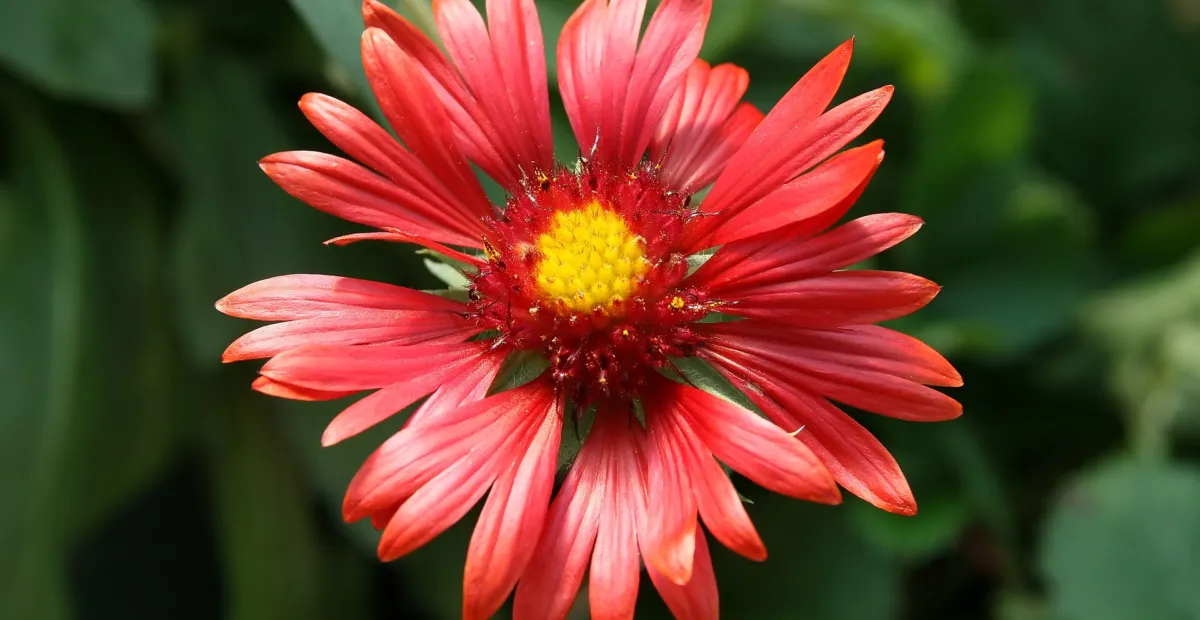
Leaves are narrow, lance-shaped, gray green, and often covered with fine hairs. Stems are erect to somewhat sprawling and mostly leafless toward the flower tops. The large wine-red flower heads, yellow-orange-tipped rays, and darkening central disk are key identification features.
Flowering
Large solitary flower heads open from late spring or early summer and can continue through fall. Ray florets are deep wine red, often softening with age, while the central disk begins yellow and matures darker red. Deadheading tidies plants and may extend display, though seedheads can be left for birds.
Pollination and visitors
The showy flower heads are documented as attractive to butterflies. The cultivar's open daisy-like structure provides accessible floral resources, but visitor activity can vary with region, weather, and nearby habitat.
Gaillardia 'Burgundy' photos
Click any photo for a larger view. Source, author and license are shown separately.
Diseases and pests
Diseases
Root rot is the main concern in poorly drained or persistently wet soil. Powdery mildew, fungal leaf spot, downy mildew, and aster yellows may occur. Improve air circulation, water at the soil line, remove infected debris, and discard plants showing possible aster-yellows symptoms rather than composting them.
Pests
Usually relatively pest-free, but monitor for aphids, spider mites, and chewing insects. Support overall plant health with full sun, good spacing, and appropriate watering. Use targeted controls only when damage is significant and follow the product label.
Related diseases and pests
Only Plant Doctor profiles whose host data indicate this plant may be affected are shown here.
 DiseaseImpatiens necrotic spot virus diseaseImpatiens necrotic spot orthotospovirus
 DiseaseBlack Root RotBerkeleyomyces basicola
 DiseaseAster yellows‘Candidatus Phytoplasma asteris’
 DiseaseMaple powdery mildewSawadaea bicornis
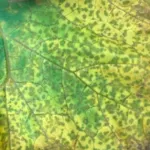 DiseaseCucurbit Downy MildewPseudoperonospora cubensis (Berk. & M.A. Curtis) Rostovzev
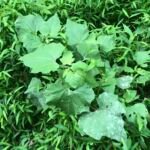 DiseaseCucurbit Powdery MildewPodosphaera xanthii (Castagne) U. Braun & Shishkoff
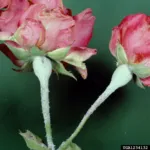 DiseaseRose powdery mildewPodosphaera pannosa
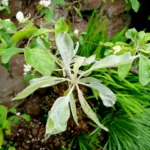 DiseaseApple Powdery MildewPodosphaera leucotricha
Toxicity and pollen
No specific serious toxicity is documented for this ornamental cultivar in the authoritative horticultural sources reviewed. Normal plant handling precautions still apply: do not ingest garden plants unless positively identified, and discontinue contact if skin or digestive irritation occurs.
- Typical season
- Late spring through fall
- Pollination / pollen
- Insect-dispersed pollen
Gaillardia is insect-pollinated, so its pollen is not typically dispersed in large airborne clouds like wind-pollinated tree or grass pollen. Sensitive individuals may still react to direct flower contact or nearby floral exposure; an exact cultivar-specific allergy risk is not established.
Native habitat
The cultivar is cultivated rather than naturally occurring as a wild population. Its hybrid Gaillardia background is associated with sunny, open North American prairie and dry-site plants, so it performs best in bright exposures, lean-to-average soils, and sites with rapid drainage rather than wet woodland conditions.
Interesting fact
The cultivar is widely associated with the name 'Burgunder' in horticultural references. Its flower center changes from yellow toward dark red as it matures. The hybrid background combines the perennial habit of Gaillardia aristata with the rapid growth and extended flowering associated with G. pulchella. Leaving mature flowerheads can provide food for birds where goldfinches occur.
Frequently asked questions (FAQ)
The most relevant questions about this plant, with short and direct answers.
🌱Quick care
What is Gaillardia 'Burgundy'?⌄
Gaillardia 'Burgundy' is a wine-red blanket flower cultivar and a herbaceous perennial commonly grown for its long summer bloom. It is often listed under the synonymous cultivar name 'Burgunder'.
How much sun does Gaillardia 'Burgundy' need?⌄
Gaillardia 'Burgundy' needs full sun, ideally at least 6 hours of direct sunlight daily. More sun generally supports sturdier stems and heavier flowering.
Is Gaillardia 'Burgundy' easy to grow?⌄
Yes, Gaillardia 'Burgundy' is generally easy to grow when planted in full sun and well-drained soil. Its main cultural requirement is avoiding consistently wet conditions.
How often should I water Gaillardia 'Burgundy'?⌄
Water Gaillardia 'Burgundy' regularly during its first growing season, then reduce watering once the plant is established. Established plants are drought tolerant and usually need water only during prolonged heat or drought.
🌤️Environment and placement
What USDA zones can grow Gaillardia 'Burgundy'?⌄
Gaillardia 'Burgundy' is commonly listed as hardy across approximately USDA Zones 3 through 9, although winter survival can vary with drainage, snow cover, and local conditions. Wet winter soil is more damaging than cold in many gardens.
Can Gaillardia 'Burgundy' grow in clay soil?⌄
Gaillardia 'Burgundy' can grow in amended clay, but it performs poorly where heavy soil stays wet. Improve drainage with suitable organic amendments or plant it in a raised area or slope.
What type of soil is best for Gaillardia 'Burgundy'?⌄
The best soil for Gaillardia 'Burgundy' is well-drained loam, sandy soil, or rocky soil with average fertility. Avoid rich, poorly drained soil because excessive moisture can cause root problems.
Can Gaillardia 'Burgundy' grow in a container?⌄
Yes, Gaillardia 'Burgundy' can grow in a container if it receives full sun and the pot has excellent drainage. Use a quality potting mix and avoid letting the container remain waterlogged.
Is Gaillardia 'Burgundy' drought tolerant?⌄
Yes, Gaillardia 'Burgundy' is drought tolerant once established. It still benefits from deep watering during extended drought, especially when grown in containers or very sandy soil.
Does Gaillardia 'Burgundy' attract butterflies and birds?⌄
Yes, the flowers of Gaillardia 'Burgundy' attract butterflies and other pollinating insects. Leaving some spent flowerheads in place can also provide seed for birds such as goldfinches.
💧Care and problems
How do I care for Gaillardia 'Burgundy' after planting?⌄
Keep newly planted Gaillardia 'Burgundy' evenly watered until its roots establish, then allow the soil to dry between waterings. Remove competing weeds and avoid heavy fertilization.
Should I fertilize Gaillardia 'Burgundy'?⌄
Usually, Gaillardia 'Burgundy' needs little or no fertilizer in average garden soil. Excess fertilizer can produce weaker, leafier growth and fewer flowers.
Why is my Gaillardia 'Burgundy' not blooming?⌄
The most common causes of poor flowering are insufficient sun, excessive fertilizer, overwatering, or recently transplanted roots. Move or replant it into full sun and well-drained soil, and avoid high-nitrogen feeding.
Why is Gaillardia 'Burgundy' dying in winter?⌄
Gaillardia 'Burgundy' may die over winter when planted in soil that remains cold and wet, even where temperatures are within its listed hardiness range. Improve drainage and avoid heavy winter mulch around the crown.
What problems affect Gaillardia 'Burgundy'?⌄
Potential problems include root rot in poorly drained soil, powdery mildew, fungal leaf spots, and aster yellows. Good air circulation, full sun, careful watering, and removal of diseased material help reduce problems.
🪴Planting and repotting
When should I plant Gaillardia 'Burgundy' in the United States?⌄
Plant Gaillardia 'Burgundy' in spring after the danger of hard frost has passed, or in early fall where plants have time to root before the ground freezes. Local frost dates should guide timing.
How far apart should I plant Gaillardia 'Burgundy'?⌄
Space Gaillardia 'Burgundy' about 12 to 18 inches apart, depending on the desired density and growing conditions. Mature plants are often about 18 to 30 inches tall and 12 to 24 inches wide.
Can I grow Gaillardia 'Burgundy' from seed?⌄
Yes, Gaillardia 'Burgundy' can be grown from seed, and seed-grown plants may self-sow in suitable conditions. Because it is a seed variety, offspring may not be perfectly uniform in flower color or form.
✂️Propagation and pruning
How do I propagate Gaillardia 'Burgundy'?⌄
Propagate Gaillardia 'Burgundy' from seed or by dividing established clumps in early spring. Division is useful for renewing older plants, while seed may produce some variation.
Should I divide Gaillardia 'Burgundy'?⌄
Divide Gaillardia 'Burgundy' in early spring when clumps become crowded or flowering declines. Division every 2 to 3 years is sometimes recommended, but the plant does not need routine division if it remains vigorous.
Should I deadhead Gaillardia 'Burgundy'?⌄
Deadheading Gaillardia 'Burgundy' keeps the plant tidier and can encourage continued flowering. Leave some flowerheads if you want seed production, self-sowing, or food for birds.
When should I cut back Gaillardia 'Burgundy'?⌄
Cut Gaillardia 'Burgundy' back in early spring to remove old growth and encourage compact new growth. If flowering slows during summer, a moderate cutback can sometimes promote a later flush of flowers.
⚠️Toxicity and safety
Is Gaillardia 'Burgundy' poisonous to people or pets?⌄
No specific serious toxicity is well documented for Gaillardia 'Burgundy', but it should not be eaten. Plant material may cause skin irritation or contact dermatitis in sensitive people, so gloves are sensible when handling it.
Can handling Gaillardia 'Burgundy' cause a rash?⌄
Yes, handling Gaillardia 'Burgundy' may cause contact dermatitis in susceptible people because Gaillardia foliage contains irritating compounds. Wear gloves and wash exposed skin if irritation develops.
🌸Flowering and special interest
When does Gaillardia 'Burgundy' bloom?⌄
Gaillardia 'Burgundy' typically blooms from early summer into fall, with timing varying by climate and growing conditions. Removing faded flowers can help maintain a longer display.
What color are Gaillardia 'Burgundy' flowers?⌄
Gaillardia 'Burgundy' produces deep wine-red to burgundy flowers with a central disk that may begin yellow and darken toward red or oxblood as it matures. Individual flowers are commonly about 3 inches across.
Is Gaillardia 'Burgundy' good for cut flowers?⌄
Yes, Gaillardia 'Burgundy' is suitable for cutting because its flowers are showy and are carried on relatively long stems. Cut stems when the flowers are freshly open for the best vase display.
Similar plants
 Azure Monkshood (Aconitum carmichaelii) care guideAconitum carmichaelii
 Monkshood (Aconitum ‘Stainless Steel’)Aconitum 'Stainless Steel'
 Monkshood (Aconitum ‘Bressingham Spire’)Aconitum 'Bressingham Spire'
 Golden full moon maple (Acer shirasawanum ‘Aureum’)Acer shirasawanum 'Aureum'
 Globosum (Acer platanoides ‘Globosum’)Acer platanoides 'Globosum'
 Striped maple (Acer pensylvanicum) care guideAcer pensylvanicum