
 Source:
 Fuchsia ‘Dollar Princess’ short overview
Fuchsia 'Dollar Princess' is a compact, upright hardy fuchsia valued for its elegant, pendulous double blooms. Cerise-red sepals frame ruffled purple corollas, creating a vivid display from early summer into fall in suitable climates. Give it rich, moisture-retentive but well-drained soil, morning sun or bright partial shade, and shelter from drying heat. In colder parts of the United States, mulch the crown or overwinter container plants indoors.
Taxonomic classification
Fuchsia ‘Dollar Princess’ care guide
Light and placement
Place in morning sun with afternoon shade, or in bright dappled light protected from hot reflected heat and drying wind. East-facing sites are especially suitable; a sheltered west-facing site can work where summers are mild. Bleached leaves, scorched margins, and bud drop indicate excessive heat or sun, while long weak stems and sparse flowering suggest insufficient light.
Watering and humidity
Water deeply when the surface begins to dry, keeping the root zone consistently moist but never saturated. Containers may need watering daily during hot weather, while garden plants usually need less frequent, thorough irrigation. Reduce watering in cool fall and winter, but do not allow overwintered plants to become completely dry. Good drainage is more important than constant wetness.
Soil and growing medium
Use fertile, humus-rich soil that holds even moisture without becoming waterlogged. A loam amended with compost is suitable. Good drainage is essential, especially in containers and during winter. Fuchsia generally tolerates a broad pH range, from mildly acidic through neutral and mildly alkaline, so correction is rarely needed unless soil testing shows a problem.
Feeding
Feed in spring when new growth begins with a balanced, water-soluble fertilizer at half strength every two to four weeks, or use a controlled-release product according to its label. Stop regular feeding in early fall and do not fertilize drought-stressed, recently repotted, or dormant plants. Excess nitrogen can produce leafy growth with fewer flowers.
Growth and habit
This cultivar forms a dense, upright, branching shrub with arching stems and a seasonal leafy canopy. It flowers on current-season growth, so moderate spring shaping can improve structure without sacrificing the main display. Keep plants evenly watered during hot weather to reduce leaf drop and bud loss.
Planting and repotting
Plant after the danger of hard frost has passed, setting the crown at soil level in ordinary conditions. In colder climates, planting slightly deeper and mulching over the crown can improve winter survival, but avoid burying green stems. Space plants about 18–30 inches apart and water thoroughly during establishment.
Repot container plants in spring, moving up only one pot size. Refresh exhausted mix and check that drainage holes remain open. Avoid disturbing the root ball unnecessarily when buds are forming. In large containers, top-dress with fresh compost instead of repeatedly increasing pot size.
Propagation and pruning
Propagation
Softwood or semi-ripe stem cuttings are the practical method. Take healthy nonflowering shoots in late spring or summer, remove lower leaves, and root them in a sterile, free-draining medium under bright filtered light. Seed is not reliable for maintaining this named cultivar.
Pruning
Prune in late winter or early spring after the risk of severe cold has passed. Remove dead or weak stems, then shorten the previous season's growth to encourage a sturdy framework and flowering shoots. Lightly deadhead during summer to maintain appearance and encourage continued bloom.
Overwintering
In USDA Zones 7b–8 and exposed sites, mulch the crown with several inches of loose organic material after top growth has been frosted. Container plants are safer moved to a cool, bright, frost-free space. Reduce watering in winter, maintain minimal moisture around dormant roots, and return plants outdoors gradually in spring.
Uses
Use as a flowering border shrub, patio container plant, porch display, or pollinator-oriented planting where hummingbirds visit fuchsias. Its compact habit also suits sheltered courtyards and cool coastal gardens. In colder regions, containers allow seasonal movement indoors.
Appearance
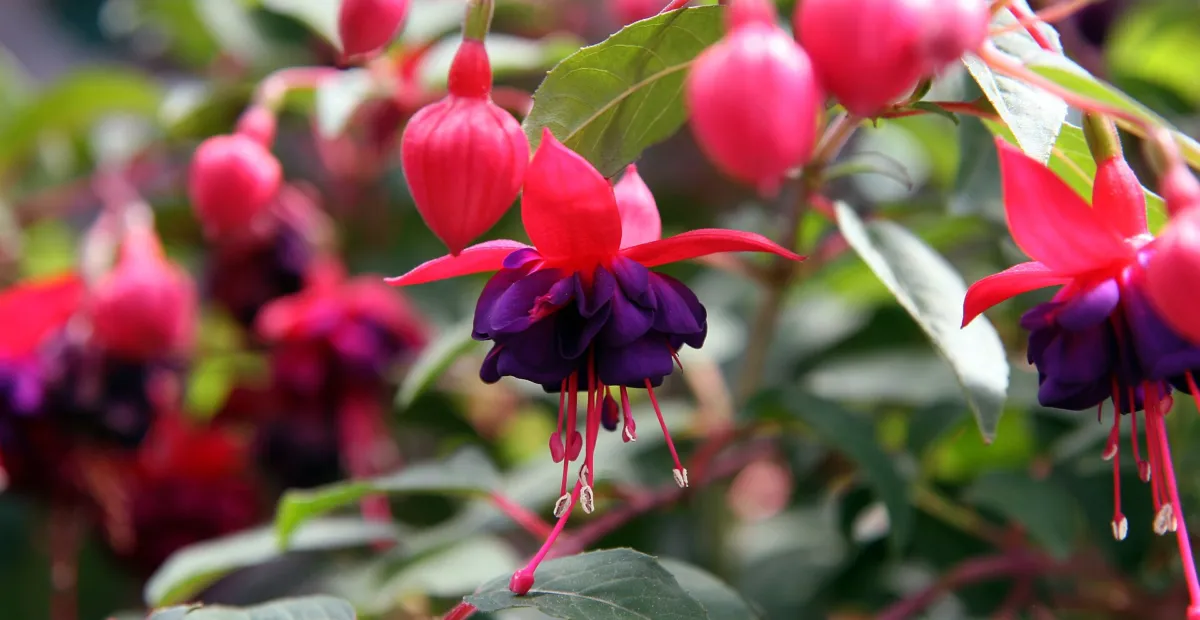
The plant has dark green, simple, serrated leaves on branching stems that become partly or fully deciduous in cold conditions. Its most distinctive feature is the graceful, hanging double flower: short red-cerise sepals surround a layered, ruffled purple corolla, often with visible pink to red stamens and style.
Flowering
The flowers are pendulous and double, with short cerise to crimson sepals and a ruffled, rich-purple corolla. Blooming commonly begins in early summer and may continue until frost when plants remain cool, evenly watered, and regularly deadheaded. Excessive heat, drought, or abrupt temperature changes can reduce flowering and cause bud drop.
Pollination and visitors
Hybrid fuchsias provide nectar that attracts hummingbirds, and their hanging tubular flowers may also be visited by bees and bumblebees. Evidence is strongest for the Fuchsia hybrid group rather than this named cultivar specifically. Avoid insecticide applications while flowers are actively being visited.
Fuchsia 'Dollar Princess' photos
Click any photo for a larger view. Source, author and license are shown separately.
Diseases and pests
Diseases
Prevent problems by providing air circulation, avoiding persistently wet foliage, and removing fallen leaves. Watch for gray mold on crowded or wet plants, rust-like spotting, and root or crown rot in poorly drained soil. Remove affected tissue and correct moisture or ventilation problems before using any treatment.
Pests
Inspect new growth and leaf undersides for aphids, whiteflies, spider mites, and fuchsia gall mite. Control lightly with water sprays or insecticidal soap when appropriate, repeating as directed. Remove badly distorted growth and isolate affected container plants. Avoid broad-spectrum insecticides when flowers are open to protect visiting pollinators.
Related diseases and pests
Only Plant Doctor profiles whose host data indicate this plant may be affected are shown here.
 PestCyclamen mitePhytonemus pallidus
 DiseaseBlack Root RotBerkeleyomyces basicola
 DiseaseGray MoldBotrytis cinerea
 PestBroad mitePolyphagotarsonemus latus (Banks)
 DiseasePhytophthora root and crown rotPhytophthora nicotianae
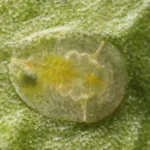 PestCitrus whiteflyDialeurodes citri
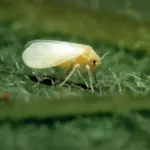 PestSweetpotato whiteflyBemisia tabaci species complex
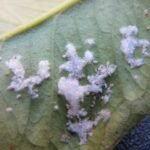 PestWoolly whiteflyAleurothrixus floccosus
Toxicity and pollen
No cultivar-specific toxicology record was located. Fuchsia is generally treated as non-toxic to dogs and cats in major veterinary plant references, but ingestion of any ornamental plant can cause mild digestive upset. Prevent eating of large quantities and contact a veterinarian or poison service if symptoms occur.
- Typical season
- During flowering, mainly summer through fall
- Pollination / pollen
- Insect-dispersed pollen
Fuchsia flowers are primarily animal-pollinated, so pollen is not usually released in large airborne clouds. That suggests low airborne exposure for most gardeners, but individual sensitivity cannot be ruled out and cultivar-specific allergen testing was not found.
Native habitat
Fuchsia cultivars descend from New World lineages centered in Central and South America, where many species grow in moist, cool or seasonally humid habitats. 'Dollar Princess' is a garden cultivar rather than a wild habitat plant, and performs best in sheltered conditions that avoid severe heat, drying wind, and waterlogged winter soil.
Interesting fact
The cultivar was raised in Germany around 1910 and is recorded in horticultural trials as 'Dollar Prinzessin'. It is notable for combining double flowers with comparatively good cold tolerance. The long, dark-pink style can project beyond the corolla, adding to the hanging ornamental effect.
Frequently asked questions (FAQ)
The most relevant questions about this plant, with short and direct answers.
🌱Quick care
What is Fuchsia 'Dollar Princess'?⌄
Fuchsia 'Dollar Princess' is a compact, upright fuchsia cultivar with pendulous double flowers in deep purple and red-pink. It is commonly grown as a seasonal container plant or as a hardy garden fuchsia where winters are mild enough.
How much light does Fuchsia 'Dollar Princess' need?⌄
Give Fuchsia 'Dollar Princess' morning sun or partial shade. Protect it from intense afternoon sun, especially in hot U.S. climates, because heat and drying conditions can scorch foliage and reduce flowering.
How often should I water Fuchsia 'Dollar Princess'?⌄
Water Fuchsia 'Dollar Princess' whenever the soil surface begins to dry, keeping the root zone evenly moist but never waterlogged. Container plants may need water daily during hot, dry weather.
Is Fuchsia 'Dollar Princess' an annual or perennial?⌄
Fuchsia 'Dollar Princess' can be a perennial in suitable climates but is often sold and grown as an annual in colder parts of the United States. Its ability to overwinter outdoors depends on winter temperatures, shelter, mulch, and drainage.
How big does Fuchsia 'Dollar Princess' get?⌄
Fuchsia 'Dollar Princess' typically reaches about 18 inches tall and wide, although vigorous plants may approach 2 feet. Container conditions, pruning, and climate can affect its final size.
🌤️Environment and placement
Can Fuchsia 'Dollar Princess' grow in full shade?⌄
Fuchsia 'Dollar Princess' can grow in bright shade, but it usually flowers better with some gentle morning sun or filtered light. Dense, dark shade may produce weaker growth and fewer blooms.
Can Fuchsia 'Dollar Princess' tolerate afternoon sun?⌄
Fuchsia 'Dollar Princess' may tolerate limited afternoon sun in cool climates, but hot afternoon exposure is usually stressful. Provide afternoon shade and protection from drying winds in warmer regions.
What USDA hardiness zone is Fuchsia 'Dollar Princess'?⌄
Fuchsia 'Dollar Princess' is generally treated as a hardy fuchsia in about USDA Zones 7 to 9, with some sources listing broader limits under favorable conditions. In colder zones, grow it as an annual or overwinter it in a protected, cool location.
Can Fuchsia 'Dollar Princess' survive winter outdoors?⌄
It can survive winter outdoors in mild areas when planted in well-drained soil and protected with a deep layer of mulch. In colder or exposed locations, stems may die back or the entire plant may be lost, so container overwintering is safer.
Where should I plant Fuchsia 'Dollar Princess' outdoors?⌄
Plant Fuchsia 'Dollar Princess' in a sheltered spot with morning sun or bright partial shade, rich moist soil, and protection from hot afternoon wind. A shaded border, patio container, or protected courtyard is usually suitable.
💧Care and problems
What soil is best for Fuchsia 'Dollar Princess'?⌄
Use rich, moisture-retentive but well-drained loam for Fuchsia 'Dollar Princess'. Improve compact or sandy soil with organic matter, but avoid locations that remain saturated after rain.
Should I fertilize Fuchsia 'Dollar Princess'?⌄
Yes, feed Fuchsia 'Dollar Princess' regularly during active growth with a balanced fertilizer or a fertilizer formulated for flowering container plants. Reduce or stop feeding when growth slows in fall and winter.
Why is my Fuchsia 'Dollar Princess' not flowering?⌄
Poor flowering is commonly caused by excessive heat, insufficient light, drought, overfertilization, or root stress. Move the plant to cooler partial shade, keep moisture even, and avoid conditions that keep temperatures consistently above the plant’s preferred range.
Why are the leaves on my Fuchsia 'Dollar Princess' turning yellow?⌄
Yellow leaves may result from overwatering, poor drainage, nutrient deficiency, or normal seasonal leaf loss. Check that excess water drains freely and inspect the roots and undersides of leaves before increasing fertilizer.
Why is my Fuchsia 'Dollar Princess' wilting even though the soil is wet?⌄
Wilting in wet soil usually indicates root stress from poor drainage, root damage, or heat stress rather than a need for more water. Check the container or planting site for standing water and move the plant away from intense heat.
What pests attack Fuchsia 'Dollar Princess'?⌄
Fuchsia 'Dollar Princess' may be affected by aphids, fuchsia gall mites, capsid bugs, caterpillars, and vine weevils. Inspect new growth and leaf undersides regularly, and address infestations early with appropriate cultural or labeled control methods.
Is Fuchsia 'Dollar Princess' susceptible to disease?⌄
It can develop fuchsia rust, gray mold, or other problems when foliage stays wet and air circulation is poor. Water at the soil line, remove damaged material, and provide shelter without crowding the plant.
🪴Planting and repotting
When should I plant Fuchsia 'Dollar Princess' outside?⌄
Plant Fuchsia 'Dollar Princess' outdoors after the threat of hard frost has passed and nighttime temperatures are becoming milder. Harden nursery-grown plants gradually over about one week before exposing them to full outdoor conditions.
Can Fuchsia 'Dollar Princess' grow in a container?⌄
Yes, Fuchsia 'Dollar Princess' grows well in a container with drainage holes and a rich, well-drained potting mix. Containers dry out quickly, so check moisture frequently during summer.
How often should I repot Fuchsia 'Dollar Princess'?⌄
Repot Fuchsia 'Dollar Princess' when roots fill the container, growth becomes weak, or water runs rapidly through the pot. Move it into a container only one size larger and refresh the potting mix rather than using an excessively large pot.
Should Fuchsia 'Dollar Princess' be planted deeply?⌄
In the ground, planting the crown slightly deeper than the original soil level can help protect a hardy fuchsia from winter cold. Do not bury the plant in poorly drained soil, and keep heavy mulch from resting directly against the stems.
✂️Propagation and pruning
How do I propagate Fuchsia 'Dollar Princess'?⌄
Propagate Fuchsia 'Dollar Princess' from softwood or semi-hardwood cuttings taken during active growth. Use short nonflowering shoots, remove the lower leaves, and root them in a moist, free-draining medium under bright indirect light.
When should I prune Fuchsia 'Dollar Princess'?⌄
Prune Fuchsia 'Dollar Princess' in early to mid-spring after new growth begins, rather than cutting it back heavily in fall. Remove dead or weak stems and shorten old flowering growth to one or two healthy buds on the woody framework.
Should I deadhead Fuchsia 'Dollar Princess'?⌄
Deadhead faded flowers and developing seed pods to help maintain a longer display of blooms. This is especially useful for container plants, although the plant can still flower without frequent deadheading.
Should I pinch Fuchsia 'Dollar Princess'?⌄
Pinch the growing tips of young plants to encourage branching and a fuller shape. Stop pinching several weeks before the main flowering period so the plant has time to develop buds.
⚠️Toxicity and safety
Is Fuchsia 'Dollar Princess' poisonous to dogs or cats?⌄
No serious toxicity is specifically documented for Fuchsia 'Dollar Princess', but cultivar-specific safety evidence is limited. Prevent pets from eating large quantities, and contact a veterinarian or poison-control service if a pet shows symptoms after ingestion.
Are Fuchsia 'Dollar Princess' berries edible?⌄
Fuchsia berries are generally considered edible, but they are produced sparsely and are usually not especially tasty. Because cultivar-specific information for 'Dollar Princess' is limited, do not treat its berries as a food crop.
🌸Flowering and special interest
What color are Fuchsia 'Dollar Princess' flowers?⌄
Fuchsia 'Dollar Princess' has pendulous double flowers with deep purple or royal-purple corollas and bright red to pink-red sepals. The strong color contrast is one of the cultivar’s main ornamental features.
When does Fuchsia 'Dollar Princess' bloom?⌄
Fuchsia 'Dollar Princess' generally blooms from late spring or early summer into fall, often continuing until frost when conditions remain cool and moisture is consistent. Flowering may slow during periods of intense summer heat.
Does Fuchsia 'Dollar Princess' attract hummingbirds?⌄
Yes, the pendent tubular flowers of Fuchsia 'Dollar Princess' can attract hummingbirds and other pollinators. Providing a sheltered, partially shaded location helps preserve the flowers for longer viewing.
Similar plants
 Azure Monkshood (Aconitum carmichaelii) care guideAconitum carmichaelii
 Monkshood (Aconitum ‘Stainless Steel’)Aconitum 'Stainless Steel'
 Monkshood (Aconitum ‘Bressingham Spire’)Aconitum 'Bressingham Spire'
 Golden full moon maple (Acer shirasawanum ‘Aureum’)Acer shirasawanum 'Aureum'
 Globosum (Acer platanoides ‘Globosum’)Acer platanoides 'Globosum'
 Striped maple (Acer pensylvanicum) care guideAcer pensylvanicum