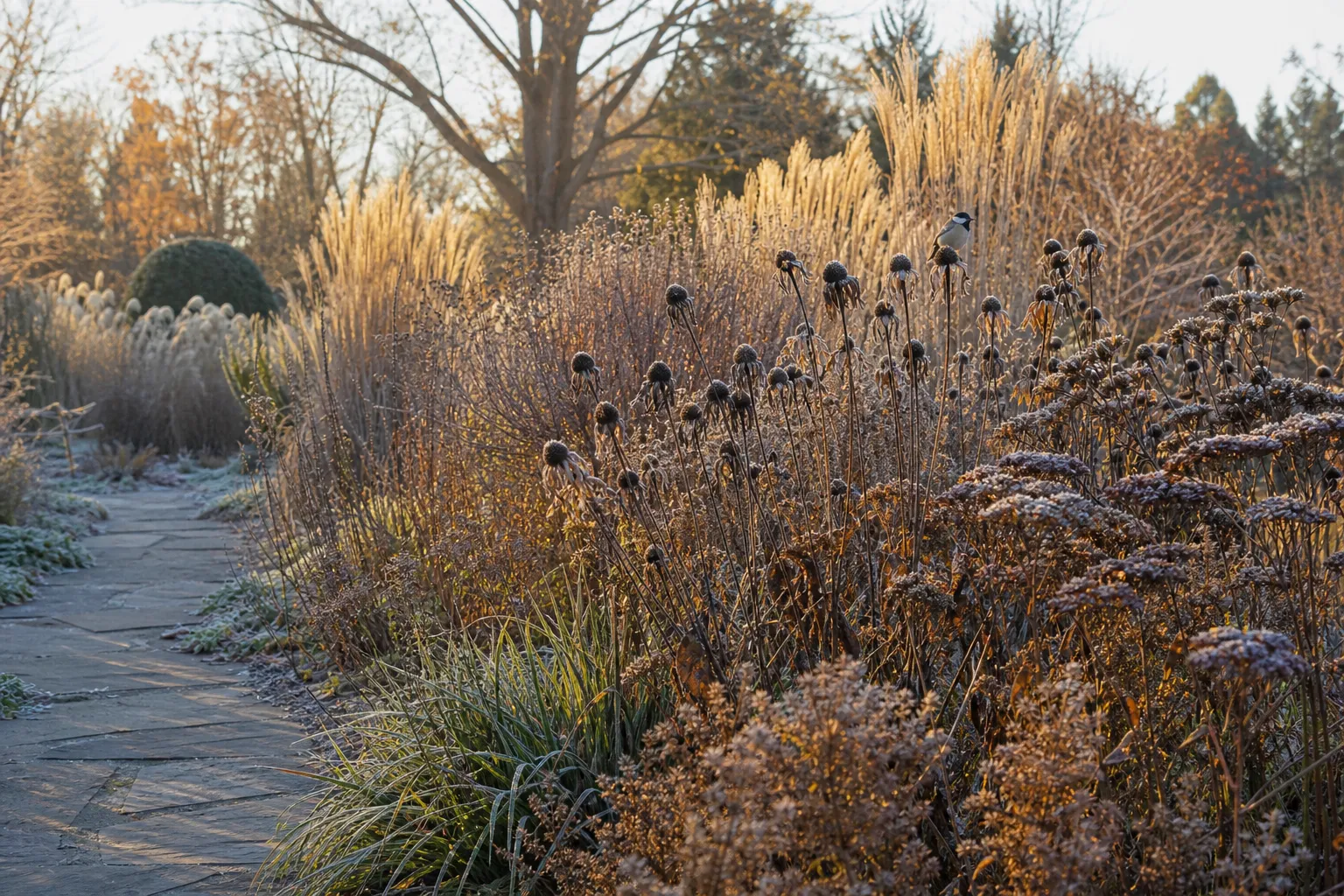
Yes, you can leave many dead flower stems in your garden – and in late fall, that choice often benefits both your plants and the wildlife that shares your yard. Dry stems and seed heads provide winter food, shelter for insects, protection for perennial crowns, and valuable structure when the rest of the garden has gone quiet.
That does not mean every brown stem should stay. Plants with serious disease, invasive tendencies, or stems that block walkways deserve a more careful approach. The goal is not to abandon your garden; it is to clean up selectively and leave useful plant material in place until spring.
As November settles over much of the United States, this is a good time to look at your flower beds differently. Instead of seeing only untidiness, notice the seed heads, hollow stems, and sheltered spaces that help your garden carry life through winter.
1. Dead stems create winter homes for beneficial insects
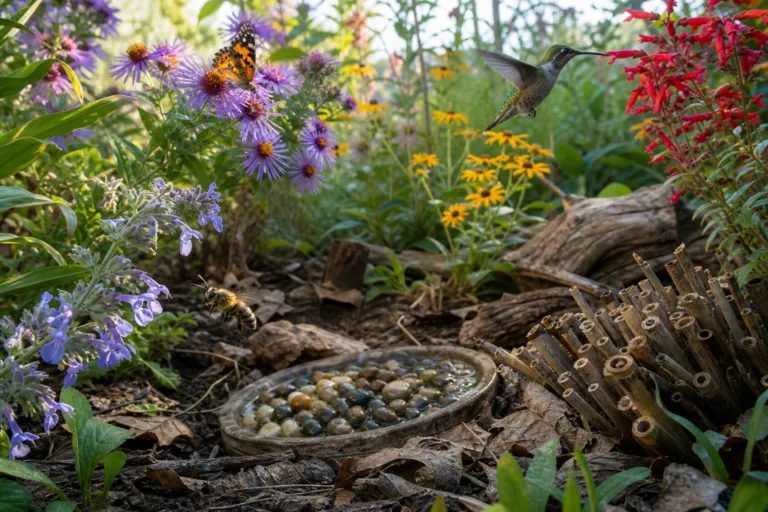
One of the strongest reasons to leave flower stems standing is that they can provide shelter for insects during the cold months. Some native bees use hollow or pithy stems as nesting sites, while other insects spend winter as eggs, larvae, pupae, or adults in and around dried vegetation.
Butterflies and moths may attach chrysalises to stems, hide among dry foliage, or overwinter in nearby leaf litter. Small beetles and other helpful insects also use the layered protection created by stems, leaves, and loose plant debris. When you remove every stem in fall and haul it away, you may remove next year’s pollinators along with the old growth.
Plant species differ in how useful their stems are. Hollow stems from plants such as asters, goldenrods, bee balm, coneflowers, black-eyed Susans, and some ornamental grasses can offer potential nesting space. Pithy stems may provide shelter even when they are not completely hollow.
How to make the most of this habitat
- Leave a portion of your perennial stems standing through winter rather than cutting every plant to the ground.
- Keep stems at different heights to create a variety of sheltered spaces.
- In spring, avoid rushing to cut everything down. Wait until temperatures are consistently mild and new growth is beginning.
- If you must cut stems in spring, leave sections about 12 to 18 inches tall in a less-visible part of the garden for additional nesting opportunities.
- Do not shred or compost suspicious stems if you have seen a serious disease or pest problem on the plant.
A useful compromise is to create a “tidy edge” around the bed while leaving the interior more natural. From the street, the garden still looks intentional, but insects retain places to shelter.
2. Seed heads feed birds when natural food is scarce
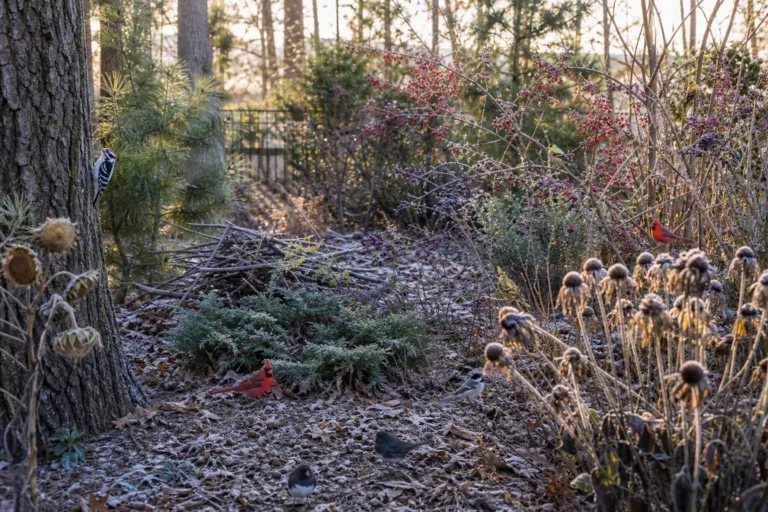
Many spent flowers continue producing food long after their petals have fallen. Coneflowers, black-eyed Susans, sunflowers, sedums, native grasses, coreopsis, and other seed-bearing plants can attract finches, sparrows, chickadees, juncos, and other seed-eating birds.
Seed heads are not a guaranteed substitute for a bird feeder, and the value varies by plant, bird species, weather, and local habitat. Still, leaving them in place gives birds another food source during a season when insects and fresh fruit may be harder to find.
Standing plants also provide more than seeds. Insects sheltering in old stems can become food for birds, especially when birds are feeding nestlings in spring. Dense plantings offer places to perch, hide, and search for small prey.
Which plants are worth saving?
- Purple coneflower: The sturdy cones often remain upright and hold seed into winter.
- Black-eyed Susan: The dark seed centers can attract small birds after the yellow petals fade.
- Sunflower: Leave some heads standing once they have dried, provided they are not collapsing into a walkway.
- Sedum: Upright flower clusters add texture and may hold seeds into the colder months.
- Native grasses: Their seed plumes provide movement, cover, and seasonal interest.
If you feed birds with purchased seed, dead flower stems can complement – not replace – clean feeders and fresh water. Position feeders where you can observe them, and keep the surrounding area reasonably clear so birds have room to move away from predators.
3. Old stems and leaves help protect plants from winter stress
Dead foliage and stems can act as a modest layer of winter protection. They slow wind at the soil surface, catch fallen leaves, and help insulate the plant crown – the area where the roots and new shoots meet.
This can be especially helpful for perennials that emerge late in spring. The old stems also mark where dormant plants are located, so you are less likely to dig into them accidentally while planting or cultivating. Some marginally hardy plants may benefit from the extra cover, although the result depends on the species and the severity of winter.
Leaving stems in place does not mean adding heavy, wet material directly over the crown. A thick, soggy layer can trap excess moisture and create problems, particularly in poorly drained beds. Good winter protection depends on balance: use loose leaves and standing stems rather than compacting a dense blanket around the plant.
Think about drainage before adding protection
Winter moisture can be more damaging than cold for plants that dislike wet soil. Before you pile on mulch or leaves, check whether water drains freely after rain or snowmelt. If the bed stays saturated, improve drainage and avoid building a thick layer around crowns.
This is also a useful reminder that plant placement matters year-round. A sun-loving perennial grown in deep shade may remain weak and flop more readily. A drought-tolerant species planted in a low, wet pocket may decline even if its stems are left standing. Choose plants suited to the available sunlight, soil, and moisture rather than relying on winter cleanup to solve a site problem.
Overwatering is another common mistake. In late fall, many perennials are slowing down or becoming dormant, so they usually need less supplemental irrigation than they did in summer. Water deeply only when conditions are genuinely dry and the plant still needs it; do not keep the bed constantly wet in an effort to “help” dormant roots.
4. Dead stems add winter structure and make the garden more resilient
A garden does not have to be green to be attractive. Frost-coated stems, dried seed heads, and ornamental grasses can add height, movement, and texture through winter. They catch snow, glow in low sunlight, and create a more layered view from windows and paths.
This structure also makes the garden more resilient. A bed with several plant heights and forms offers more niches for wildlife than a flat surface of closely cut soil. Tall stems, low leaf litter, shrubs, logs, and small bare patches each serve different purposes.
Leaving some plants standing can also reduce unnecessary work. You spend less time cutting, bagging, and hauling plant material, while returning some organic matter to the garden. The savings may seem small after one season, but the habit becomes valuable when you maintain several beds.
Compare plants instead of treating every perennial the same
Not all plants look good or perform well when left standing. Upright coneflowers and grasses may remain attractive, while plants with soft, collapsing foliage may become a wet mat. Some perennials spread readily from seed, and you may not want dozens of seedlings in a small bed.
Try a simple side-by-side garden test next season. Leave half of a planting standing and cut the other half after dormancy, then compare:
- How well each section holds its shape after snow, rain, or strong wind.
- Whether birds visit the seed heads.
- Whether you notice hollow stems, chrysalises, or other signs of insect use.
- How much cleanup each section needs in spring.
- Whether seedlings appear where you do not want them.
This kind of observation is more useful than following a one-size-fits-all rule. A sunny, well-drained bed may support a different mix of standing plants than a shaded, damp border. Your local winter conditions matter, too: a garden in Minnesota, Texas, Oregon, or coastal New England will experience different combinations of cold, rain, snow, and freeze-thaw cycles.
When you should cut dead stems back
Leaving old growth is beneficial in many cases, but it is not always the right choice. Cut and remove plant material when it is clearly affected by a persistent disease, has severe pest damage, threatens to spread an unwanted plant, or creates a safety problem.
- Remove diseased foliage or stems: If leaves are heavily spotted, blackened, or covered with obvious fungal growth, cleanup can reduce the amount of infected material remaining near next year’s growth. Do not add questionable material to home compost unless you are confident your compost reaches temperatures high enough to break it down safely.
- Control unwanted reseeding: If a plant spreads aggressively by seed, remove some flower heads before they drop. You can still leave selected stems for structure and wildlife.
- Clear paths and entrances: Cut back stems that obstruct walkways, hide steps, or become dangerous when coated with ice.
- Manage plants that collapse onto neighbors: A heavy, wet mass can smother nearby plants and hold moisture against crowns.
- Follow local restrictions: Remove invasive plants and dispose of them according to local guidance rather than leaving them in place.
When cutting healthy stems, use clean, sharp pruners and avoid cutting so close to the soil that you damage emerging buds. For plants that are late to appear in spring, leave a visible marker so you know where they are before planting or weeding.
A practical late-fall cleanup plan
You do not need to choose between a completely manicured garden and a completely untidy one. A selective cleanup gives you the best of both approaches.
- Walk the garden first. Identify plants with useful seed heads, sturdy stems, or signs of wildlife use.
- Cut only what needs cutting. Remove diseased, invasive, unsafe, or badly collapsed material.
- Leave healthy stems standing. Keep a mix of heights, especially in the center and back of beds.
- Use leaves thoughtfully. Let some leaves remain as loose cover, but keep drainage points and crowns from becoming waterlogged.
- Delay the final spring cleanup. Wait until new growth is emerging and the weather has warmed before cutting down the remaining stems.
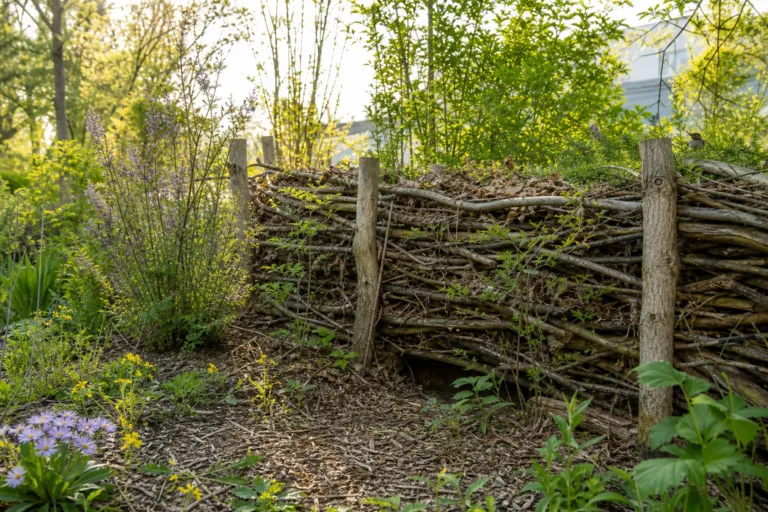
If you prefer a tidier appearance, bundle a few healthy cut stems and place them discreetly behind a shrub or at the back of a border. This preserves some habitat without leaving every plant in full view.
Let the garden rest on purpose
Dead flower stems are not simply garden waste. They can hold seeds for birds, shelter insects, protect dormant plants, and keep the winter landscape visually alive. At the same time, thoughtful gardeners know when to remove material that carries disease, spreads aggressively, or creates poor drainage and safety concerns.
This November, try leaving a few more healthy stems than you normally would. Watch which plants stay upright, which birds visit, and how quickly new growth appears in spring. With a little observation, you can develop a cleanup routine that suits your climate, your plants, and the wildlife your garden supports.
The best winter garden is not necessarily the cleanest one. It is the one where every decision – from leaving a coneflower standing to clearing a diseased stem – has a practical purpose.