
 Source:
 Fuchsia ‘Black Prince’ short overview
Fuchsia 'Black Prince' is a compact, upright cultivar valued for its pendent red-and-purple flowers and long summer display. It performs best in bright partial shade with protection from intense afternoon heat, though cool maritime climates may support fuller sun. Keep the potting mix evenly moist but well drained, feed regularly during active growth, and cut the plant back for winter protection where temperatures fall below its reliable hardiness range.
Taxonomic classification
Fuchsia ‘Black Prince’ care guide
Light and placement
Give bright filtered light or partial shade, ideally with morning sun and protection from hot afternoon rays. An east-facing porch or lightly shaded border is suitable. In cool maritime climates, the plant may tolerate more sun, but intense heat can cause wilt, flower drop, leaf scorch, and poor bud development. Too little light produces weak, stretched growth and fewer flowers.
Watering and humidity
Water thoroughly when the surface begins to dry, then allow excess water to drain completely. Do not let the root ball remain bone dry during active growth, but avoid constantly saturated soil. Increase frequency during hot, bright weather and reduce watering gradually in fall. During cool winter dormancy, water sparingly to keep the mix from becoming completely dry.
Soil and growing medium
Use a fertile, moisture-retentive but porous potting mix or garden soil amended with compost. Good drainage is essential because saturated roots decline quickly. A mildly acidic to neutral substrate is suitable; avoid compacted clay and containers without drainage holes.
Feeding
Fuchsias are relatively heavy feeders while actively growing. Apply a balanced, water-soluble fertilizer at half to full label strength every two to four weeks, or use a controlled-release product according to its label. Stop feeding in fall before indoor storage and do not fertilize a dormant, stressed, or waterlogged plant.
Growth and habit
This cultivar forms a rounded, compact, upright shrub with branching stems and a naturally neat outline. Pinching young shoots encourages fuller branching and more flowering stems. In climates where winter damages the top growth, it can regrow from the base if the crown is mulched and remains alive.
Planting and repotting
Plant outdoors after the danger of hard frost has passed, or set containers out once nights are reliably mild. Keep the crown at the original soil level and allow about 24 inches of room for a compact specimen. Water thoroughly after planting and maintain even moisture while roots establish.
Repot in early spring as new growth begins, refreshing the mix and moving up only one container size if roots are crowded. The plant can usually return to the same pot after root pruning and removal of exhausted mix.
Propagation and pruning
Propagation
Use softwood stem cuttings in spring or early summer. Take about 6-inch shoots with two or three leaf pairs, remove the lowest leaves, and root them in a moist, airy medium under bright indirect light. Seed is possible but will not reproduce the cultivar faithfully.
Pruning
Pinch young shoots after they produce two or three pairs of leaves to encourage branching. In late winter or early spring, remove weak, damaged, or dead wood and shorten remaining stems as needed. After frost damage, wait until new growth shows before cutting back to living tissue.
Overwintering
Bring containers indoors before the first fall frost. After leaf drop or dormancy begins, keep the plant in a cool, bright location around 45–50°F and water only enough to prevent severe shriveling. In USDA Zone 8 climates, mulch outdoor plants deeply; severe winters may kill the top growth, followed by spring regrowth from the crown.
Uses
Use 'Black Prince' in containers, porch displays, mixed borders, shaded beds, and balcony plantings. Its upright habit suits pots and formal displays better than baskets designed for strongly trailing cultivars. It is ornamental only; no culinary or medicinal use is established for this cultivar.
Appearance
The plant has green, opposite leaves on slender branching stems and a compact, rounded outline. Flowers hang from thin stalks and show a distinctive red outer structure around a dark purple inner corolla. The upright habit helps distinguish it from strongly trailing basket fuchsias, although stems may arch under the weight of blooms.
Flowering
Pendent flowers are produced from the leaf axils on slender stalks, with red tubes and sepals contrasted by rich purple corollas. In suitable cool conditions, flowering can continue from late spring or early summer until frost. High heat can suppress bud development and shorten the display.
Pollination and visitors
The pendent, nectar-bearing fuchsia flower form is associated with bird pollination in the genus, especially hummingbirds, while bees and bumblebees may also visit accessible flowers. Direct, cultivar-specific pollinator observations for 'Black Prince' are limited, so visitor claims should be treated as indicative rather than guaranteed.
Diseases and pests
Diseases
Maintain airflow, avoid wetting foliage late in the day, and remove fallen debris. Watch for fuchsia rust, Botrytis blight, root rots caused by persistently wet media, and other fungal problems favored by poor drainage or crowded, humid conditions. Remove affected tissue and correct cultural conditions before using a labeled treatment.
Pests
Inspect leaf axils and new growth for whiteflies, aphids, thrips, mealybugs, scale, and spider mites. Fuchsia gall mite can distort young shoots and flowers. Isolate infested plants, prune badly affected growth, improve airflow, and use appropriate labeled controls only when necessary.
Related diseases and pests
Only Plant Doctor profiles whose host data indicate this plant may be affected are shown here.
 PestCyclamen mitePhytonemus pallidus
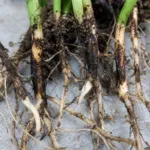 DiseaseBlack Root RotBerkeleyomyces basicola
 DiseaseLate blightPhytophthora infestans
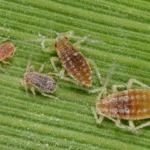 PestMealy Plum AphidHyalopterus pruni (Geoffroy, 1762)
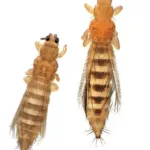 PestOnion thripsThrips tabaci Lindeman
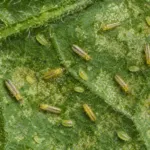 PestMelon thripsThrips palmi Karny
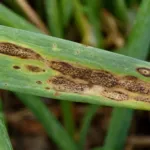 DiseaseStemphylium Leaf BlightStemphylium vesicarium (Wallr.) E.G. Simmons
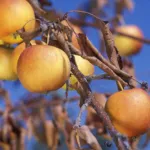 DiseaseFire BlightErwinia amylovora
Toxicity and pollen
Fuchsia is not generally listed as a significant poisonous plant for pets, and related Fuchsia plants are classified as non-toxic by the ASPCA. Any plant material can still cause mild gastrointestinal upset if eaten in quantity. Prevent children and pets from chewing treated plants or ingesting large amounts of foliage.
- Typical season
- During flowering, mainly late spring through fall
- Pollination / pollen
- Heavy, insect-carried pollen rather than abundant airborne pollen
Fuchsia flowers are primarily animal-pollinated and do not release the large quantities of light, wind-borne pollen typical of major seasonal allergy plants. Direct allergy studies for this cultivar were not located, so a low rather than zero rating is more appropriate. Sensitive people should still avoid inhaling flower dust and handle plants normally.
Native habitat
Fuchsia 'Black Prince' is a cultivated garden selection rather than a wild habitat plant. Its practical ecological setting is a cool, moist, well-drained garden environment with shelter from scorching afternoon heat. It is best adapted to mild coastal or maritime conditions and protected container culture elsewhere.
Interesting fact
The cultivar is an upright rather than trailing fuchsia. Its red sepals and purple corolla create a strong two-tone display characteristic of many fuchsias. In mild Pacific Northwest gardens, plants may regrow from a winter-cut crown after severe cold. Older horticultural catalogs praised it as a free-flowering market variety.
Frequently asked questions (FAQ)
The most relevant questions about this plant, with short and direct answers.
🌱Quick care
What is Fuchsia 'Black Prince'?⌄
Fuchsia 'Black Prince' is an upright, compact fuchsia cultivar with red tubes and sepals and dark purple corollas. It is commonly grown as a container, border, or sheltered patio plant.
How much light does Fuchsia 'Black Prince' need?⌄
Give Fuchsia 'Black Prince' bright partial shade with gentle morning sun when temperatures are cool. Protect it from intense afternoon sun, especially in hot U.S. climates.
How often should I water Fuchsia 'Black Prince'?⌄
Water Fuchsia 'Black Prince' whenever the soil surface begins to feel slightly dry, keeping the mix evenly moist. Do not leave the container standing in water, because saturated soil can cause root problems.
What soil is best for Fuchsia 'Black Prince'?⌄
Use fertile, moisture-retentive soil that drains freely, such as quality potting mix amended with compost. Garden soil should be loamy and well drained rather than heavy or compacted.
Is Fuchsia 'Black Prince' easy to grow?⌄
Fuchsia 'Black Prince' is moderately easy to grow when kept cool, evenly watered, and protected from harsh afternoon sun. Heat, drought, poor drainage, and winter cold are its main challenges.
🌤️Environment and placement
Can Fuchsia 'Black Prince' grow in full sun?⌄
Fuchsia 'Black Prince' can tolerate more sun in cool, maritime climates, but partial shade is safer for most U.S. gardens. Provide morning sun and afternoon protection where summers are hot.
Where should I place Fuchsia 'Black Prince' outdoors?⌄
Place Fuchsia 'Black Prince' on a shaded porch, beneath light tree cover, or in a border with bright filtered light. Good air circulation is helpful, but avoid exposed sites with drying wind.
Can Fuchsia 'Black Prince' grow indoors?⌄
Fuchsia 'Black Prince' can be overwintered indoors near a bright window, although it may flower less reliably than it does outdoors. Keep it away from hot, dry heating vents and monitor soil moisture closely.
What USDA hardiness zone is Fuchsia 'Black Prince'?⌄
Fuchsia 'Black Prince' is generally suited to mild USDA Zones 8 through 10, with some sheltered Zone 11 locations also possible. Exact survival depends on winter exposure, drainage, and protection.
How cold can Fuchsia 'Black Prince' tolerate?⌄
Fuchsia 'Black Prince' is only reliably hardy in mild climates and should be protected when temperatures approach about 10°F. In colder areas, move container plants indoors or overwinter them in a protected, cool location.
💧Care and problems
Why are the leaves on my Fuchsia 'Black Prince' turning yellow?⌄
Yellow leaves on Fuchsia 'Black Prince' commonly indicate overwatering, poor drainage, underwatering, or normal aging of older foliage. Check the roots and soil moisture before changing the watering schedule.
Why is my Fuchsia 'Black Prince' wilting?⌄
Fuchsia 'Black Prince' may wilt from dry soil, excessive heat, root damage, or waterlogged roots. Check the soil first, then move the plant out of hot afternoon sun and improve drainage if the mix stays wet.
How do I fertilize Fuchsia 'Black Prince'?⌄
Feed Fuchsia 'Black Prince' with a balanced, diluted fertilizer during active growth, following the product label. Stop or greatly reduce feeding during winter dormancy or when growth is very slow.
What pests attack Fuchsia 'Black Prince'?⌄
Fuchsia 'Black Prince' can be affected by aphids, whiteflies, spider mites, and thrips, particularly under hot or dry conditions. Inspect new growth and leaf undersides regularly and treat infestations promptly with an appropriate labeled product.
How do I prevent root rot in Fuchsia 'Black Prince'?⌄
Prevent root rot by using a drainage hole, a free-draining mix, and regular but measured watering. Let excess water drain completely and never keep the pot in a saucer of standing water.
🪴Planting and repotting
When should I plant Fuchsia 'Black Prince' outdoors?⌄
Plant Fuchsia 'Black Prince' outdoors after the danger of hard frost has passed and nighttime temperatures are consistently mild. In cold regions, acclimate it gradually before leaving it outside full time.
Can Fuchsia 'Black Prince' grow in a container?⌄
Fuchsia 'Black Prince' grows well in containers with drainage holes and a fertile, moisture-retentive potting mix. Containers also make it easier to move the plant into shelter before freezing weather.
When should I repot Fuchsia 'Black Prince'?⌄
Repot Fuchsia 'Black Prince' in spring when roots fill the current container or water runs through the pot unusually quickly. Move it into a pot only modestly larger to avoid keeping excess soil wet.
Can Fuchsia 'Black Prince' be planted in the ground?⌄
Fuchsia 'Black Prince' can be planted in the ground in mild climates with rich, well-drained soil and protection from hot afternoon sun. Use a container instead where winters are colder than the plant can tolerate.
✂️Propagation and pruning
How do I propagate Fuchsia 'Black Prince'?⌄
Propagate Fuchsia 'Black Prince' most reliably from softwood or semi-ripe stem cuttings taken during active growth. Root cuttings in a clean, moist, well-drained medium under bright indirect light.
When should I prune Fuchsia 'Black Prince'?⌄
Prune Fuchsia 'Black Prince' in late winter or early spring before vigorous new growth begins. Remove weak or damaged stems and shorten overly long shoots to encourage a compact, branching plant.
Should I deadhead Fuchsia 'Black Prince'?⌄
Yes, remove spent flowers and developing berries from Fuchsia 'Black Prince' to keep the plant looking tidy and encourage continued flowering. Deadheading is especially useful for container-grown plants.
⚠️Toxicity and safety
Is Fuchsia 'Black Prince' toxic to dogs and cats?⌄
Fuchsia 'Black Prince' is generally regarded as low concern and non-toxic to dogs and cats. Even non-toxic plants can cause mild stomach upset if eaten in large amounts, so prevent pets from consuming the plant.
🌸Flowering and special interest
When does Fuchsia 'Black Prince' bloom?⌄
Fuchsia 'Black Prince' typically blooms from late spring or early summer until frost when temperatures remain moderate. Flowering may slow during periods of intense summer heat.
What color are the flowers on Fuchsia 'Black Prince'?⌄
The flowers of Fuchsia 'Black Prince' have red tubes and sepals with dark purple corollas. The pendent blooms provide strong contrast against the green foliage.
Why is my Fuchsia 'Black Prince' not flowering?⌄
A lack of flowers on Fuchsia 'Black Prince' is often caused by too much shade, excessive heat, drought, overfertilizing with nitrogen, or recent pruning. Provide bright filtered light, steady moisture, and balanced feeding.
How can I make Fuchsia 'Black Prince' bloom more?⌄
Encourage more flowers by providing bright partial shade, consistent moisture, regular light feeding during active growth, and frequent deadheading. Avoid severe heat and allow good air circulation around the plant.
Similar plants
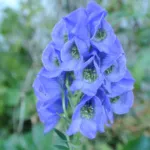 Azure Monkshood (Aconitum carmichaelii) care guideAconitum carmichaelii
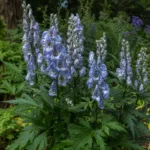 Monkshood (Aconitum ‘Stainless Steel’)Aconitum 'Stainless Steel'
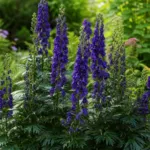 Monkshood (Aconitum ‘Bressingham Spire’)Aconitum 'Bressingham Spire'
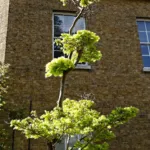 Golden full moon maple (Acer shirasawanum ‘Aureum’)Acer shirasawanum 'Aureum'
 Globosum (Acer platanoides ‘Globosum’)Acer platanoides 'Globosum'
 Striped maple (Acer pensylvanicum) care guideAcer pensylvanicum