
 Source:
 Taro (Colocasia esculenta) short overview
Taro is a bold tropical perennial grown for its immense, heart-shaped leaves and underground corms. In the United States, it makes a dramatic summer accent in moist beds, large containers, rain gardens, and pond margins. Give it warmth, fertile soil, regular moisture, and shelter from drying winds. Although the corms and leaves are important foods when properly processed, raw plant tissues contain irritating calcium oxalate crystals and should never be eaten uncooked.
Taxonomic classification
Taro (Colocasia esculenta) care guide
Light and placement
Provide bright filtered light or partial shade, especially afternoon shade in hot, dry climates. Morning sun with afternoon protection is a reliable placement. Full sun can produce strong growth when soil never dries, but intense reflected heat may scorch or bleach leaves. Too little light causes elongated petioles, weak growth, and smaller leaves; excessive sun combined with drought causes wilting, scorch, and torn foliage.
Watering and humidity
Keep soil consistently moist; water deeply whenever the surface begins to dry, and increase frequency during hot weather or active growth. Taro tolerates wet soil and can grow at the edge of water, but container plants should not be left in stagnant water unless intentionally grown as a pond-margin specimen. Reduce watering indoors during winter dormancy while never allowing stored corms to remain damp.
Soil and growing medium
Use fertile, humus-rich loam that holds steady moisture without becoming stagnant around container roots. Slightly acidic to neutral soil is suitable. Taro tolerates wet conditions and can grow as a pond-margin plant, but containers still need drainage holes and should not remain anaerobic unless deliberately grown in aquatic mud.
Feeding
Feed during active growth when the plant is warm and producing leaves. Apply a balanced, water-soluble fertilizer at half strength every 3–4 weeks, or use a controlled-release product according to its label. Incorporate compost before planting. Do not fertilize cold, dormant, recently divided, or severely stressed plants.
Growth and habit
Growth is rapid in warm weather when roots remain moist and nutrients are available. Plants form a clump from a central corm and may produce cormels or offsets. Shelter from strong wind helps prevent tearing of the large leaves. In cool climates, growth stops quickly after cold exposure and the plant is best treated as seasonal or overwintered.
Planting and repotting
Plant outdoors only after soil and air have warmed and frost danger has passed. Set the corm with the growing point upward and cover it lightly, roughly 1–2 inches deep. Space plants about 3–6 feet apart according to cultivar and intended size. Keep evenly moist while new roots and leaves establish.
Repot or divide container-grown plants in spring when active growth begins. Move into a heavy, wide container with fresh rich mix, leaving the corm near the surface. Choose a stable pot because mature foliage can become top-heavy.
Propagation and pruning
Propagation
Divide corms, cormels, or offsets in spring as growth resumes. Each division should retain a viable bud or growing point. Seed propagation is possible but less commonly used in horticulture and may be slow or variable compared with vegetative division.
Pruning
Remove yellowing, torn, or frost-damaged leaves at the base with clean tools. Cut foliage back after a killing frost if the corm will be lifted, or before moving a container indoors. Avoid unnecessary removal of healthy leaves during active growth.
Overwintering
In zones colder than its reliable outdoor range, bring containers indoors before frost or lift corms after foliage declines. Store clean, dry corms in a cool, dark, well-ventilated place in dry peat or similar material, avoiding freezing temperatures and excess moisture. Resume warmth and light in spring.
Uses
Use taro as a bold foliage specimen, seasonal border plant, rain-garden accent, pond-margin planting, or large-container feature. It is also a major food crop in tropical regions; only correctly identified edible types should be prepared, and corms and leaves must be thoroughly cooked using an established culinary method. Do not make medicinal claims.
Appearance
This stemless-looking aroid rises from a corm and carries very large, smooth, heart-shaped to sagittate leaves on long fleshy petioles. The leaf surface often sheds water, and the petiole attaches near the inner blade rather than at the margin. Cultivars may show dark foliage, contrasting veins, or bluish tones, but the species is most often recognized by its broad elephant-ear leaves.
Flowering
Flowering is uncommon in many cultivated plants. The inflorescence is a concealed aroid spadix surrounded by a pale greenish to yellowish spathe. Female flowers mature before male flowers, reducing self-pollination. Warm, vigorous plants may produce several inflorescences, but foliage is usually the primary ornamental feature.
Pollination and visitors
In documented native-range studies, specialized drosophilid flies in the genus Colocasiomyia are the principal flower visitors and pollinators. The inflorescences can function as mating and breeding sites, creating a close plant–fly relationship. This specialized interaction should not be assumed to occur in ordinary United States gardens.
Colocasia esculenta photos
Click any photo for a larger view. Source, author and license are shown separately.
Diseases and pests
Diseases
Prevent disease by avoiding stagnant container water, improving air movement, and removing collapsed foliage promptly. Watch for soft rot or corm rot in cold, waterlogged conditions. Leaf-spot symptoms may be reduced by sanitation, avoiding overhead irrigation, and removing badly affected leaves; use a labeled product only when necessary.
Pests
Inspect undersides of leaves for spider mites, aphids, whiteflies, mealybugs, and caterpillars. Keep plants vigorous with adequate water, rinse foliage when practical, and remove heavily damaged leaves. Treat significant infestations with insecticidal soap or horticultural oil according to the product label, avoiding application in hot sun.
Related diseases and pests
Only Plant Doctor profiles whose host data indicate this plant may be affected are shown here.
 DiseaseRhizopus soft rotRhizopus stolonifer
 DiseaseBacterial soft rotPectobacterium carotovorum
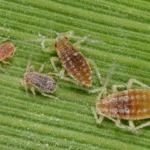 PestMealy Plum AphidHyalopterus pruni (Geoffroy, 1762)
 DiseaseAlternaria leaf spot and fruit rotAlternaria alternata
 Environmental stressWaterlogging
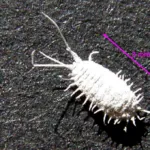 PestObscure mealybugPseudococcus viburni
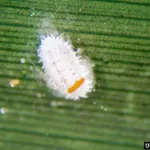 PestCitrus mealybugPlanococcus citri
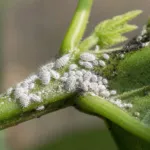 PestCotton mealybugPhenacoccus solenopsis Tinsley
Toxicity and pollen
Raw tissues contain insoluble calcium oxalate crystals that can cause immediate burning, pain, swelling, drooling, vomiting, and difficulty swallowing if chewed or swallowed. Thorough cooking reduces the irritant compounds in edible cultivars, but raw leaves, corms, sap, and other tissues should be treated as unsafe. Wear gloves when handling damaged tissues if skin or eye contact is irritating.
- Pollination / pollen
- Enclosed inflorescence; pollen released during anthesis
Taro produces pollen only when it flowers, and flowering is uncommon in many cultivated specimens. The pollen is released from an enclosed aroid inflorescence rather than as a conspicuous airborne cloud. A low rating reflects limited flowering and limited evidence of common airborne allergy significance, not proof of zero risk.
Native habitat
The species is associated with warm, humid regions of tropical and subtropical Asia and has been widely cultivated and naturalized elsewhere. It favors moist soils, wet lowlands, stream margins, and disturbed habitats with a long warm growing season. In parts of the southeastern United States it can escape into wetlands, where local management guidance may apply.
Interesting fact
Taro is one of the world’s important traditional root crops, but the edible forms require cooking to neutralize irritating calcium oxalate crystals. Its leaves are strongly water-repellent, and its unusual inflorescences provide breeding sites for specialized flies in parts of its native range.
Frequently asked questions (FAQ)
The most relevant questions about this plant, with short and direct answers.
🌱Quick care
What is the common name for Colocasia esculenta?⌄
Colocasia esculenta is commonly called taro in the United States. It is also widely sold as an elephant ear, although “elephant ear” can refer to several different genera.
How do you care for a taro plant?⌄
Grow taro in bright filtered light or partial shade, fertile moisture-retentive soil, and consistently moist conditions. Protect it from frost and bring container plants indoors before cold weather.
Is taro an indoor or outdoor plant?⌄
Taro can grow indoors or outdoors, but it usually performs best outdoors during warm weather. Indoors, provide strong filtered light, warmth, humidity, and a pot that drains reliably.
🌤️Environment and placement
How much light does Colocasia esculenta need?⌄
Taro prefers bright filtered light to partial shade. It can tolerate more direct sun when kept consistently moist, but sudden intense afternoon sun may scorch leaves.
Can taro grow in full sun?⌄
Taro can grow in full sun if its soil stays reliably moist and the plant is acclimated gradually. In hot, dry climates, afternoon shade usually helps prevent leaf scorch and wilting.
Can taro grow in water or a pond?⌄
Taro can grow in very wet soil and is suitable for pond margins or shallow-water conditions. Keep the crown from remaining deeply submerged unless the particular cultivar is known to tolerate it.
What temperature is too cold for taro?⌄
Frost and freezing temperatures can damage or kill taro foliage and may injure the underground corm. Move containers indoors or lift and store the corm before the first frost in colder USDA zones.
Can taro survive winter outdoors in the United States?⌄
Taro may overwinter outdoors in warm, frost-free parts of the United States, but it is frost-tender in colder regions. In areas with freezing winters, protect the corm indoors or grow it as a seasonal plant.
💧Care and problems
How often should you water a taro plant?⌄
Water taro whenever the soil surface begins to dry, keeping the growing medium consistently moist to wet. Large plants in hot weather may need water daily, while indoor plants generally need less frequent watering.
Why are my taro leaves turning yellow?⌄
Yellow leaves may result from normal aging, drought stress, cold, insufficient light, nutrient problems, or damaged roots. If several leaves yellow rapidly, check the roots and soil moisture rather than assuming overwatering alone.
Why is my taro plant drooping?⌄
Taro commonly droops when it is too dry, exposed to heat, chilled, or suffering from root or corm damage. Water it thoroughly and inspect the roots if the soil is wet but the plant remains limp.
Why are taro leaves curling or developing brown edges?⌄
Curling and brown edges usually indicate water stress, dry air, excessive sun, heat, cold, or root problems. Keep the soil evenly moist, provide filtered light, and avoid abrupt environmental changes.
What pests affect taro plants?⌄
Taro can be affected by spider mites, aphids, mealybugs, thrips, and other sap-feeding pests. Inspect leaf undersides regularly and isolate affected plants before treating them with a product labeled for the pest and plant.
Should I remove yellow or damaged taro leaves?⌄
Remove leaves that are fully yellow, brown, collapsed, or badly damaged by cutting their stalk near the base with clean tools. Leave partly green leaves in place because they can still support the corm.
Does taro go dormant?⌄
Taro can enter dormancy when temperatures fall, light decreases, or the plant experiences stress. Foliage may die back while the corm remains alive, then regrow when warmth, moisture, and light return.
🪴Planting and repotting
What soil is best for Colocasia esculenta?⌄
Use fertile, humus-rich, moisture-retentive loam that remains evenly moist but is not permanently stagnant around the corm. Add organic matter to sandy soil, while heavy clay should be improved for better root health.
How deep should you plant a taro corm?⌄
Plant a taro corm with the growing point facing upward and cover it with roughly 1 to 2 inches of soil. Keep the medium warm and moist until growth begins.
When should I plant taro outdoors?⌄
Plant taro outdoors after the danger of frost has passed and the soil has warmed, typically in late spring in much of the United States. Warmth is important because cool, wet conditions can delay growth or encourage rot.
Can taro be grown in a container?⌄
Taro grows well in a large container filled with fertile, moisture-retentive potting mix. Choose a stable pot with drainage holes and expect to water more often as the plant becomes larger.
When should I repot a taro plant?⌄
Repot taro when roots or corm offsets crowd the container, water runs through unusually fast, or growth becomes weak. Move it into a pot only moderately larger and keep the corm at the same general depth.
✂️Propagation and pruning
How do you propagate Colocasia esculenta?⌄
Propagate taro mainly by separating offsets or dividing the underground corm when the plant is actively growing. Each division should have a viable growing point and should be planted in warm, consistently moist soil.
Can you grow taro from a leaf cutting?⌄
No, a taro leaf or leaf stalk normally cannot produce a new plant by itself. Propagation requires a corm section, bud, or offset containing viable growing tissue.
How do you overwinter taro indoors?⌄
Before frost, bring a container indoors or lift the corm and keep it warm with reduced watering if the plant is going dormant. For actively growing plants, provide bright filtered light and continue keeping the soil evenly moist.
Can you prune taro plants?⌄
Taro does not need routine pruning beyond removing old, damaged, or overcrowded leaves. Cut stalks cleanly near the base and avoid injuring the central crown or emerging leaves.
⚠️Toxicity and safety
Is Colocasia esculenta poisonous?⌄
Raw taro is moderately toxic because it contains irritating calcium oxalate crystals. Do not eat raw leaves, stems, or corms, and keep the plant away from children and pets.
Can you eat taro from an ornamental plant?⌄
Do not assume an ornamental taro is safe to eat because it may be misidentified, improperly prepared, or treated with pesticides. Edible taro requires correct identification and thorough cooking according to reliable food-safety guidance.
What happens if a dog or cat eats taro?⌄
Chewing taro can cause mouth irritation, drooling, pawing at the mouth, vomiting, or difficulty swallowing. Remove plant material, do not induce vomiting unless directed, and contact a veterinarian or animal poison service promptly if symptoms occur.
Should you wear gloves when handling taro?⌄
Wearing gloves is sensible when cutting or dividing taro because its sap and raw tissues can irritate skin. Wash your hands and clean tools after handling the plant.
🌸Flowering and special interest
Does taro produce flowers?⌄
Taro can produce small flowers arranged on a spadix within a pale spathe, but flowering is uncommon in cultivation. Healthy, mature plants in warm conditions are more likely to bloom.
Why is my taro not flowering?⌄
Most taro plants do not flower regularly, especially when grown indoors or from young corms. Warm temperatures, strong filtered light, adequate moisture, and maturity may encourage flowering, but blooms are not guaranteed.
Similar plants
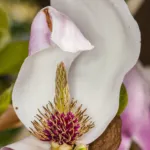 Saucer Magnolia (Magnolia soulangeana) care guideMagnolia soulangeana
 Magnolia × loebneri ‘Merrill’Magnolia × loebneri 'Merrill'
 Magnolia loebneri care guideMagnolia loebneri
 Sweetbay magnolia (Magnolia virginiana) care guideMagnolia virginiana
 Star magnolia (Magnolia stellata) care guideMagnolia stellata
 Magnolia sprengeri care guideMagnolia sprengeri