
 Source:
 Alocasia ‘Calidora’ short overview
Alocasia 'Calidora' is a dramatic elephant ear hybrid grown for its enormous, upright, glossy green leaves with strong ribbing and a bold architectural habit. In the United States it is best treated as a frost-tender tropical: provide bright filtered light, warmth, high humidity, and evenly moist but well-drained soil. It can grow several feet tall outdoors in warm climates, while container plants are easier to protect and overwinter indoors.
Taxonomic classification
Alocasia ‘Calidora’ care guide
Light and placement
Provide bright filtered light or partial shade, such as an east-facing window, bright north-facing room, or a few feet back from a stronger south or west exposure. Acclimated outdoor plants may tolerate gentle morning sun, but intense afternoon sun can scorch leaves. Too little light causes stretched petioles and slower growth; excessive light causes bleaching, crisp patches, or scorch.
Watering and humidity
Water thoroughly when the surface begins to dry, then allow excess water to drain completely. Keep the mix evenly moist during warm, bright growth, but never leave the pot standing in water. Reduce frequency in winter as light and temperature fall. High humidity helps prevent crispy edges, though humidity cannot compensate for poor drainage or cold roots.
Soil and growing medium
Use a fertile, airy mix that holds moisture without becoming saturated: quality potting soil with compost or other humus and a substantial drainage component such as perlite, pumice, or coarse bark. A slightly acidic to neutral reaction is suitable. Heavy, compacted soil and containers without drainage greatly increase the risk of root problems.
Feeding
Feed during active spring and summer growth with a complete balanced liquid fertilizer diluted to about half the label strength every 4–6 weeks, or follow a comparable controlled-release program. Water first if the mix is dry. Stop or greatly reduce feeding during cool, low-light winter conditions, when growth slows and salts can accumulate.
Growth and habit
This is a vigorous, upright, clumping hybrid with a strong tropical presence. New leaves emerge from the central crown and are carried on long petioles, creating a vase-like profile. Keep the crown above standing water, rotate indoor containers periodically for even growth, and remove severely damaged leaves at the base.
Planting and repotting
Plant outdoors only after nights are reliably warm and frost danger has passed. Set the root mass at its original depth in fertile, moisture-retentive but well-drained soil. Allow roughly 3–5 feet of practical space for a mature clump, more where exceptionally large leaves are expected. Water thoroughly after planting and maintain steady moisture while it establishes.
Repot in spring or early summer when roots fill the container, usually every 2–3 years. Move up only one pot size and disturb the root ball as little as practical. Use a container with drainage holes and set the plant at the same depth; oversized pots stay wet too long.
Propagation and pruning
Propagation
Propagate mainly by separating offsets or divisions when the plant is actively growing and has several healthy roots. Remove offsets carefully with a sterile knife, allow cut surfaces to dry briefly, then pot in a warm, airy, lightly moist medium. Seed production is possible in principle but cultivar identity and availability make it uncommon for home growers.
Pruning
Prune only yellowing, diseased, or badly damaged leaves. Cut petioles cleanly near the base with sterilized tools, taking care to avoid sap contact with skin and eyes. Do not remove healthy foliage merely to control size; reduce light stress, root restriction, or poor watering instead.
Overwintering
Bring outdoor plants indoors before temperatures approach 50°F, and definitely before frost. Keep in bright filtered light, warm conditions, and away from cold drafts. Water less often during winter, pause regular feeding, and check frequently for spider mites and mealybugs. Container plants may slow substantially or shed leaves while adapting to lower light.
Uses
Used primarily as a dramatic tropical foliage accent in containers, conservatories, patios, and frost-free landscapes. Its large leaves suit architectural planting schemes and sheltered garden focal points. It is not an edible plant for casual use, and traditional food preparation information for other Alocasia species should not be applied to this cultivar.
Appearance
The plant forms upright clusters of long petioles supporting huge, glossy, arrow-shaped leaves. Strong parallel ribs give the blades a deeply structured appearance, while the bright green color and elevated leaf presentation create a bold architectural effect. The upright vase-like habit helps distinguish it from lower, more spreading elephant ears.
Flowering
The inflorescence consists of a spadix enclosed by a spathe, as typical of Araceae. Flowering is uncommon in ordinary indoor culture and is not the principal ornamental feature. Mature, vigorous plants may produce inflorescences in warm, bright conditions, but reliable cultivar-specific flowering timing is not documented.
Pollination and visitors
No cultivar-specific pollinator record was located. Alocasia flowers generally use a spadix-and-spathe inflorescence, and research on related Alocasia species documents specialized insect visitors, but those findings should not be assigned directly to 'Calidora' without direct evidence.
Alocasia 'Calidora' photos
Click any photo for a larger view. Source, author and license are shown separately.
Diseases and pests
Diseases
Overwatering and poor airflow can contribute to root rot and leaf-spot problems. Prevent disease by using a draining substrate, watering the root zone rather than repeatedly wetting foliage, removing damaged leaves with clean tools, and avoiding crowded, stagnant conditions. Isolate plants showing spreading spots or decline and correct persistently wet conditions first.
Pests
Inspect leaf undersides and petiole bases for spider mites, mealybugs, aphids, and scale. Reduce infestations by isolating affected plants, washing foliage, improving humidity and airflow, and using insecticidal soap or horticultural oil according to the product label. Avoid treating drought-stressed plants and test products on a small area first.
Related diseases and pests
Only Plant Doctor profiles whose host data indicate this plant may be affected are shown here.
 Environmental stressOverwatering
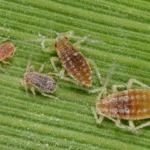 PestMealy Plum AphidHyalopterus pruni (Geoffroy, 1762)
 DiseaseAlternaria leaf spot and fruit rotAlternaria alternata
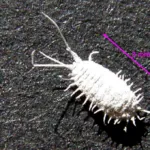 PestObscure mealybugPseudococcus viburni
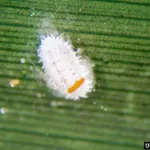 PestCitrus mealybugPlanococcus citri
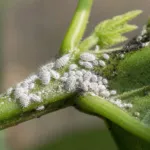 PestCotton mealybugPhenacoccus solenopsis Tinsley
 DiseasePear Decline‘Candidatus Phytoplasma pyri’
Toxicity and pollen
This cultivar should be treated as toxic because Alocasia tissues contain insoluble calcium oxalate crystals. Chewing or swallowing can cause immediate burning and swelling of the mouth, tongue, and throat, drooling, nausea, vomiting, or difficulty swallowing; sap may also irritate skin and eyes. Wear gloves when handling damaged tissue and keep the plant away from children and pets. Seek professional poison or veterinary advice after exposure.
- Pollination / pollen
- Not well documented for this cultivar; pollen is released from the male zone of the inflorescence
Alocasia pollen is produced only when an inflorescence develops, and 'Calidora' rarely flowers in ordinary indoor culture. No cultivar-specific airborne-allergy studies were located, so a precise allergy rating is uncertain. Avoid presenting low exposure as zero risk, especially around flowering plants or people with known plant allergies.
Native habitat
The cultivar itself is horticultural and has no native wild habitat. Its parentage is associated with tropical Alocasia material, so its cultural preferences reflect warm, humid environments with fertile soils, filtered or partial light, and dependable moisture. It is not adapted to regular freezing temperatures or prolonged dry conditions.
Interesting fact
The hybrid was first made by Florida horticulturist LariAnn Garner.
Its reported parent 'California' has an uncertain identity.
Leaves may reach about 6 feet long and 3 feet wide.
The plant forms a distinctive upright, vase-shaped clump.
Its inflorescence is a spadix enclosed by a spathe.
Frequently asked questions (FAQ)
The most relevant questions about this plant, with short and direct answers.
🌱Quick care
How do you care for Alocasia 'Calidora' indoors?⌄
Give Alocasia 'Calidora' bright filtered light, evenly moist well-drained soil, warmth, and moderate to high humidity. Reduce watering and stop fertilizing or fertilize much less during winter dormancy. ([plants.ces.ncsu.edu](https://plants.ces.ncsu.edu/plants/alocasia-calidora/?utm_source=openai))
How much light does Alocasia 'Calidora' need?⌄
Alocasia 'Calidora' grows best in bright filtered or indirect light, although it can tolerate partial shade. It may handle more direct sun after gradual acclimation, but harsh midday sun can scorch the large leaves. ([plants.ces.ncsu.edu](https://plants.ces.ncsu.edu/plants/alocasia-calidora/?utm_source=openai))
How often should I water Alocasia 'Calidora'?⌄
Water when the upper layer of potting mix begins to dry, then water thoroughly until excess drains away. Keep the mix evenly moist, but do not leave the plant sitting in water or chronically soggy soil. ([campbellsnursery.com](https://www.campbellsnursery.com/product/houseplants-pottery-supplies/houseplants/medium-light/alocasia-calidora/?utm_source=openai))
What temperature is best for Alocasia 'Calidora'?⌄
Keep Alocasia 'Calidora' warm, ideally around 65–85°F during active growth. Protect it from cold drafts, sudden temperature changes, and temperatures below about 50°F. ([plants.ces.ncsu.edu](https://plants.ces.ncsu.edu/plants/alocasia-calidora/?utm_source=openai))
🌤️Environment and placement
Can Alocasia 'Calidora' grow outdoors in the United States?⌄
Yes, Alocasia 'Calidora' can grow outdoors year-round in warm parts of the United States, generally USDA Zones 10–12. In colder areas, grow it in a container and bring it indoors before temperatures approach 50°F or frost occurs. ([plants.ces.ncsu.edu](https://plants.ces.ncsu.edu/plants/alocasia-calidora/?utm_source=openai))
Can Alocasia 'Calidora' grow in full sun?⌄
It can tolerate substantial sun outdoors when gradually acclimated, but partial shade or filtered light is safer, especially in hot climates. Protect indoor plants and newly moved outdoor plants from intense afternoon sun. ([plants.ces.ncsu.edu](https://plants.ces.ncsu.edu/plants/alocasia-calidora/?utm_source=openai))
Does Alocasia 'Calidora' need high humidity?⌄
Alocasia 'Calidora' generally grows better with moderate to high humidity, particularly indoors during winter. Keep it away from heating or air-conditioning vents and use a humidifier if dry air causes brown edges. ([plants.ces.ncsu.edu](https://plants.ces.ncsu.edu/plants/alocasia-calidora/?utm_source=openai))
How large does Alocasia 'Calidora' get?⌄
A mature Alocasia 'Calidora' can reach roughly 5–9 feet tall and 3–5 feet wide in suitable outdoor conditions, while container plants are usually smaller. Its upright, vase-shaped habit makes it a substantial focal plant. ([plants.ces.ncsu.edu](https://plants.ces.ncsu.edu/plants/alocasia-calidora/?utm_source=openai))
Is Alocasia 'Calidora' suitable for a patio container?⌄
Yes, Alocasia 'Calidora' performs well in a large container on a warm, sheltered patio with filtered light or partial shade. Use a heavy pot with drainage because the tall plant and oversized leaves can become top-heavy. ([plants.ces.ncsu.edu](https://plants.ces.ncsu.edu/plants/alocasia-calidora/?utm_source=openai))
💧Care and problems
Why are the leaves of my Alocasia 'Calidora' turning yellow?⌄
Yellow leaves commonly result from overwatering, poor drainage, cold stress, or normal aging of the oldest leaf. Check the roots and potting mix first, and allow excess water to drain fully before watering again. ([plants.ces.ncsu.edu](https://plants.ces.ncsu.edu/plants/alocasia-calidora/?utm_source=openai))
Why does Alocasia 'Calidora' have brown leaf edges?⌄
Brown edges are often caused by dry soil, low humidity, cold drafts, or excessive direct sun. Correct the environmental stress gradually and remove only the damaged tissue if the leaf is otherwise healthy. ([plants.ces.ncsu.edu](https://plants.ces.ncsu.edu/plants/alocasia-calidora/?utm_source=openai))
Why is my Alocasia 'Calidora' drooping?⌄
Drooping usually indicates underwatering, root damage from soggy soil, cold stress, or a recent change in conditions. Feel the mix and inspect the roots before adding water, because watering a waterlogged plant can worsen the problem. ([plants.ces.ncsu.edu](https://plants.ces.ncsu.edu/plants/alocasia-calidora/?utm_source=openai))
How do I prevent root rot in Alocasia 'Calidora'?⌄
Prevent root rot by using a moisture-retentive but well-drained mix, a pot with drainage holes, and a watering routine based on soil moisture rather than a fixed schedule. Never allow the container to remain in standing water. ([plants.ces.ncsu.edu](https://plants.ces.ncsu.edu/plants/alocasia-calidora/?utm_source=openai))
What pests commonly attack Alocasia 'Calidora'?⌄
Mealybugs, spider mites, and aphids are among the pests reported on Alocasia 'Calidora'. Inspect leaf undersides and stems regularly, especially when the plant is stressed or indoor air is dry. ([plants.ces.ncsu.edu](https://plants.ces.ncsu.edu/plants/alocasia-calidora/?utm_source=openai))
Should I fertilize Alocasia 'Calidora'?⌄
Yes, fertilize during active spring and summer growth with a balanced houseplant fertilizer used according to its label. Reduce or stop feeding during winter, when growth and water use commonly decline. ([plants.ces.ncsu.edu](https://plants.ces.ncsu.edu/plants/alocasia-calidora/?utm_source=openai))
Why is my Alocasia 'Calidora' not growing new leaves?⌄
Slow growth can result from low light, cool temperatures, dry soil, low humidity, root problems, or winter dormancy. Provide warmth, bright filtered light, consistent moisture, and good drainage before increasing fertilizer. ([plants.ces.ncsu.edu](https://plants.ces.ncsu.edu/plants/alocasia-calidora/?utm_source=openai))
🪴Planting and repotting
What soil is best for Alocasia 'Calidora'?⌄
Use a fertile, humus-rich mix that retains moisture while remaining airy and well-drained. A quality indoor potting mix amended with materials such as perlite and bark can provide a useful balance of moisture and root aeration. ([plants.ces.ncsu.edu](https://plants.ces.ncsu.edu/plants/alocasia-calidora/?utm_source=openai))
When should I repot Alocasia 'Calidora'?⌄
Repot Alocasia 'Calidora' when roots fill the container, drainage slows, or the plant becomes unstable, usually every 2–3 years under typical indoor conditions. Move it only into a slightly larger pot to avoid keeping excess wet soil around the roots. ([plants.ces.ncsu.edu](https://plants.ces.ncsu.edu/plants/alocasia-calidora/?utm_source=openai))
When can I plant Alocasia 'Calidora' outdoors?⌄
Plant it outdoors after the danger of frost has passed and nighttime temperatures remain reliably above about 50°F. Acclimate it gradually to outdoor light and bring it back inside before cold weather returns. ([graygardensnursery.com](https://www.graygardensnursery.com/info-trops?utm_source=openai))
✂️Propagation and pruning
How do you propagate Alocasia 'Calidora'?⌄
The most practical method is division of offsets or rhizome sections when the plant is actively growing. Separate sections only when each division has viable roots or a growth point, then pot them in a moist, well-drained mix. ([botanix.com](https://botanix.com/en/products/alocasia-calidora-elephant-ear?utm_source=openai))
Can Alocasia 'Calidora' be propagated from a leaf cutting?⌄
No, a leaf or leaf-petiole cutting alone will not normally produce a new Alocasia 'Calidora'. Propagation requires a piece of the rhizome or a rooted offset containing a viable growth bud.
Should I cut off damaged leaves from Alocasia 'Calidora'?⌄
Remove leaves that are fully yellow, badly damaged, or diseased by cutting the stalk near its base with clean tools. Leave partially green leaves in place because they can continue supporting the plant.
⚠️Toxicity and safety
Is Alocasia 'Calidora' toxic to cats and dogs?⌄
Yes, Alocasia 'Calidora' is toxic to cats and dogs if chewed or eaten because it contains insoluble calcium oxalates. It can cause painful mouth irritation, drooling, vomiting, or difficulty swallowing, so keep it inaccessible to pets. ([plants.ces.ncsu.edu](https://plants.ces.ncsu.edu/plants/alocasia-calidora/?utm_source=openai))
Is Alocasia 'Calidora' poisonous to people?⌄
Yes, all parts of Alocasia 'Calidora' should be treated as poisonous if ingested and its sap may irritate skin and eyes. Keep it away from children, wear gloves when handling damaged tissue, and seek medical or poison-control advice after ingestion. ([plants.ces.ncsu.edu](https://plants.ces.ncsu.edu/plants/alocasia-calidora/?utm_source=openai))
Can touching Alocasia 'Calidora' cause skin irritation?⌄
Yes, the sap can cause contact dermatitis or irritation, particularly in sensitive people. Avoid rubbing your eyes or mouth after handling the plant and wash exposed skin promptly. ([plants.ces.ncsu.edu](https://plants.ces.ncsu.edu/plants/alocasia-calidora/?utm_source=openai))
🌸Flowering and special interest
Does Alocasia 'Calidora' flower indoors?⌄
Alocasia 'Calidora' can produce the typical arum-type spathe and spadix, but flowering is uncommon or inconspicuous on indoor plants. Mature plants with strong light, warmth, and active growth are more likely to bloom. ([plants.ces.ncsu.edu](https://plants.ces.ncsu.edu/plants/alocasia-calidora/?utm_source=openai))
Should I cut off flowers from Alocasia 'Calidora'?⌄
You do not need to remove the flowers, but you may cut them off at the base if you prefer to prioritize foliage or improve the plant’s appearance. Use clean pruners and avoid contact with the sap. ([myplantin.com](https://myplantin.com/plant/680?utm_source=openai))
Similar plants
 Saucer Magnolia (Magnolia soulangeana) care guideMagnolia soulangeana
 Magnolia × loebneri ‘Merrill’Magnolia × loebneri 'Merrill'
 Magnolia loebneri care guideMagnolia loebneri
 Sweetbay magnolia (Magnolia virginiana) care guideMagnolia virginiana
 Star magnolia (Magnolia stellata) care guideMagnolia stellata
 Magnolia sprengeri care guideMagnolia sprengeri
Sources and data reliability
iNaturalist – localized genus name
Wikidata exact taxon (P225) – localized label/alias – local common name
Alocasia, Calidora - Campbell's Nursery
Alocasia 'Calidora' | Giant Tropical Indoor Plant | Botanix – Jardineries Botanix
Alocasia Calidora Plant Care & Growing Basics: Water, Light, Soil, Propagation etc. | PlantIn