
 Source:
Leucocasia ‘Gigantea’ short overview
Leucocasia 'Gigantea' is a dramatic tropical elephant ear grown for its immense, heart-shaped leaves and stout, pale green stems. It performs best in warm conditions with fertile soil that stays evenly moist but does not remain stagnant. In the United States, gardeners commonly use it as a summer focal point, large container specimen, or tender perennial that is lifted or moved indoors before freezing weather.
Taxonomic classification
Leucocasia ‘Gigantea’ care guide
Light and placement
Provide bright filtered light to partial shade, with gentle morning or late-day sun where summers are hot or dry. In humid regions, the plant can tolerate more sun if the soil never dries. Scorched patches, bleached leaves, or crispy margins indicate excessive sun or drought; stretched petioles and smaller leaves suggest insufficient light.
Watering and humidity
Water deeply whenever the surface begins to dry, keeping the root zone evenly moist throughout active growth. Container plants may need frequent watering in summer, but excess water must drain freely. Reduce watering substantially during cool winter storage or indoor dormancy, while never allowing the tuber to remain in cold, saturated soil.
Soil and growing medium
Use a rich, moisture-retentive but well-drained mix with plenty of organic matter. Loam amended with compost suits vigorous growth. Slightly acidic to neutral soil is a practical target, although the plant tolerates a broader pH range when drainage and fertility are good. Avoid compacted soil that stays stagnant around the tuberous base.
Feeding
Feed during active growth with a balanced liquid fertilizer at half to full label strength every 2–4 weeks, or use a controlled-release fertilizer according to its label. Incorporate compost before planting. Stop or greatly reduce feeding when growth slows in cool weather or during winter dormancy.
Growth and habit
This is a vigorous, upright, clump-forming geophyte with a condensed tuberous stem and successive large leaves. Warmth, abundant moisture, fertility, and a long growing season produce the strongest growth. Protect the broad leaves from strong winds, which can shred them and reduce their ornamental value.
Planting and repotting
Plant outdoors after the danger of frost has passed and soil has warmed. Set the tuberous base at approximately its original depth, with the upper growing point just at or slightly above the soil surface. Allow at least 4–6 feet of clearance for a specimen plant, and establish it gradually in stronger sun.
Repot container plants in spring, moving up only one or two pot sizes. Use a heavy, stable container with generous drainage because the mature foliage is top-heavy. Refresh exhausted mix and avoid burying the central growing point deeply.
Propagation and pruning
Propagation
Division of established tuberous clumps is the most practical method when offsets or multiple growing points are present; divide in spring as active growth begins. Seed propagation is possible but less predictable and requires warm, humid conditions. Allow cut surfaces to dry briefly before potting divisions.
Pruning
Remove yellowing, wind-torn, or diseased leaves at the base with clean pruners. In autumn, cut back foliage after it declines naturally or after frost damage, leaving the underground growing structure intact if overwintering it. Avoid routine shaping cuts because new leaves arise from the central crown.
Overwintering
In Zones 8–10, mulch the crown deeply after growth slows and protect it from prolonged freezes. In colder zones, move containers indoors or lift the tuber after the first frost, trim excess foliage, and store it frost-free in barely moist or mostly dry medium. Resume warmth and watering gradually in spring.
Uses
Use as a bold foliage specimen in tropical borders, rain gardens with suitable drainage, poolside plantings, conservatories, and very large containers. It is especially effective where its scale can be appreciated. Do not recommend edible use for this exact identity without confirmed preparation and cultivar-specific evidence, and keep it away from children and pets.
Appearance
The plant forms a bold upright clump of enormous, heart-shaped to arrowhead-shaped, peltate leaves. Blades are green to gray-green, broadly veined, slightly undulate, and held on thick pale green petioles that may have a waxy or glaucous coating. The scale and stout stems distinguish it from ordinary small elephant ears.
Flowering
The inflorescence is a typical arum structure: minute flowers are arranged on a spadix enclosed by a green tube and a white to cream, erect spathe. Mature plants may produce several inflorescences, but flowering is uncommon in ordinary cultivation. Published species descriptions report flowering mainly from April through June in tropical or subtropical conditions.
Pollination and visitors
Reliable sources describe the arum inflorescence and reproductive structure, but a specific animal pollinator for this exact identity was not sufficiently documented. Do not assume strong pollinator attraction merely because the plant produces an inflorescence.
Leucocasia 'Gigantea' photos
Click any photo for a larger view. Source, author and license are shown separately.
Diseases and pests
Diseases
Maintain airflow and avoid persistently stagnant conditions around the crown. Watch for bacterial or fungal leaf spotting, especially when foliage remains wet for long periods. Remove badly affected leaves with clean tools, reduce overhead watering, and discard heavily diseased material rather than composting it.
Pests
Inspect new growth for spider mites, aphids, mealybugs, thrips, and whiteflies, particularly indoors. Rinse foliage periodically, isolate infested plants, and use insecticidal soap or horticultural oil according to the label. Keep stressed plants evenly watered, but do not leave containers waterlogged.
Related diseases and pests
Only Plant Doctor profiles whose host data indicate this plant may be affected are shown here.
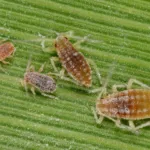 PestMealy Plum AphidHyalopterus pruni (Geoffroy, 1762)
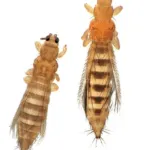 PestOnion thripsThrips tabaci Lindeman
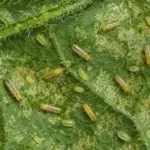 PestMelon thripsThrips palmi Karny
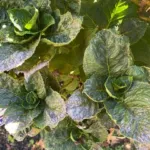 PestChilli thripsScirtothrips dorsalis Hood
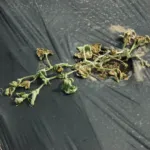 DiseaseBacterial WiltRalstonia solanacearum species complex
 DiseaseBacterial Fruit BlotchAcidovorax citrulli
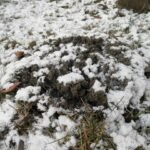 Environmental stressFrost heaving
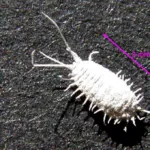 PestObscure mealybugPseudococcus viburni
Toxicity and pollen
As an aroid, this plant should be treated as irritating if chewed. Related elephant-ear plants contain insoluble calcium oxalate crystals that can cause intense mouth irritation, drooling, swelling, vomiting, and difficulty swallowing. Keep leaves, stems, roots, and sap away from children and pets; wear gloves when handling damaged tissue.
- Pollination / pollen
- Pollen produced inside the spadix during flowering; airborne relevance undocumented
This is a flowering aroid, so it produces pollen when it flowers, but the airborne allergy relevance of this exact taxon has not been well characterized. Its flowers are uncommon in cultivation, and no defensible US-specific exposure season or allergy rating could be established.
Native habitat
The species is native from southern China through Indochina to western Malesia. It occurs in wet tropical settings including moist forest, swamps, disturbed ground, cultivation, and limestone-associated sites. Natural plants may be terrestrial or lithophytic and generally favor moisture combined with drainage rather than permanently stagnant water.
Interesting fact
The species can produce leaves approaching 5 feet long in favorable conditions. Its pale green petioles may show a conspicuous waxy bloom. It is associated with moist, often limestone-influenced habitats in tropical Asia. The inflorescence contains separate female and male zones on one spadix.
Frequently asked questions (FAQ)
The most relevant questions about this plant, with short and direct answers.
🌱Quick care
How do you care for Leucocasia 'Gigantea'?⌄
Give Leucocasia 'Gigantea' bright filtered light or partial shade, consistently moist rich soil, warmth, and good drainage. Protect it from frost, cold drafts, and prolonged drying.
Is Leucocasia 'Gigantea' an indoor or outdoor plant?⌄
Leucocasia 'Gigantea' can be grown outdoors in warm climates or indoors as a large container plant. In colder parts of the United States, bring it inside before frost or overwinter the dormant corm.
How big does Leucocasia 'Gigantea' get?⌄
Leucocasia 'Gigantea' can become a very large aroid, with mature plants commonly reaching several feet tall and producing exceptionally broad leaves. Its final size depends on warmth, moisture, nutrition, container space, and growing season length.
🌤️Environment and placement
How much light does Leucocasia 'Gigantea' need?⌄
Provide bright filtered light to partial shade. Gentle morning sun can be beneficial, but intense afternoon sun may scorch leaves, especially when the plant has been grown indoors.
Can Leucocasia 'Gigantea' grow in full sun?⌄
Leucocasia 'Gigantea' may tolerate more sun when gradually acclimated outdoors with abundant moisture. In hot areas, filtered light or afternoon shade is safer and helps prevent leaf scorch.
What temperature is best for Leucocasia 'Gigantea'?⌄
Warm conditions are best, with active growth occurring during the frost-free season. Protect the plant when temperatures approach freezing because Leucocasia 'Gigantea' is frost tender.
What USDA zones can grow Leucocasia 'Gigantea' outdoors?⌄
Leucocasia 'Gigantea' is best treated as a warm-climate perennial, generally suited to frost-free USDA Zones 9–11 with protection depending on local conditions. In colder zones, grow it as a seasonal plant or overwinter it indoors.
Does Leucocasia 'Gigantea' need high humidity?⌄
Higher humidity supports healthier leaves, especially indoors, but consistently moist soil and stable warmth are usually more important. Keep the plant away from heating vents, air conditioners, and cold drafts.
💧Care and problems
How often should you water Leucocasia 'Gigantea'?⌄
Water whenever the surface of the soil begins to dry, keeping the root zone consistently moist but not stagnant. Large outdoor plants in hot weather may need frequent watering, while indoor plants usually need less.
Why are Leucocasia 'Gigantea' leaves turning yellow?⌄
Yellow leaves commonly result from overwatering, poor drainage, cold stress, or normal aging of older foliage. Check that excess water drains freely and inspect the roots for soft, dark, rotting tissue.
Why are the leaves of my Leucocasia 'Gigantea' drooping?⌄
Drooping usually indicates insufficient water, heat stress, cold exposure, root damage, or transplant shock. Check soil moisture first, then assess drainage, temperature, and the condition of the roots.
Why does Leucocasia 'Gigantea' have brown leaf edges?⌄
Brown edges are commonly caused by dry soil, low humidity, hot direct sun, salt buildup, or cold damage. Keep moisture consistent, flush container soil occasionally, and provide bright filtered light.
Does Leucocasia 'Gigantea' need fertilizer?⌄
Regular feeding during active growth can support the large leaves and vigorous growth of Leucocasia 'Gigantea'. Use a balanced fertilizer at the label rate and reduce or stop feeding during cool or dormant periods.
How do you prevent root rot in Leucocasia 'Gigantea'?⌄
Prevent root rot by using rich but well-drained soil, a container with drainage holes, and consistent moisture without leaving the roots in stagnant water. Reduce watering in cool conditions when the plant is not actively growing.
Can Leucocasia 'Gigantea' be grown in standing water?⌄
Leucocasia 'Gigantea' prefers moist soil but should not normally be kept in stagnant water. Constant saturation can reduce oxygen around the roots and increase the risk of rot, particularly indoors or in cool weather.
🪴Planting and repotting
What is the best soil for Leucocasia 'Gigantea'?⌄
Use rich, moisture-retentive but well-drained loam amended with organic matter. The mix should hold moisture while allowing excess water to drain quickly rather than becoming heavy and airless.
When should you plant Leucocasia 'Gigantea' outdoors?⌄
Plant Leucocasia 'Gigantea' outdoors after the danger of frost has passed and the soil has warmed. In the United States, the safest timing is typically late spring, adjusted for the local climate.
Can Leucocasia 'Gigantea' grow in a container?⌄
Yes, Leucocasia 'Gigantea' grows well in a large, sturdy container with drainage holes. Choose a pot with room for substantial roots and expect to water more often as the plant becomes larger.
How do you overwinter Leucocasia 'Gigantea'?⌄
In cold climates, stop outdoor exposure before frost and either move the container indoors or lift and store the dormant corm in a cool, dry, frost-free place. Keep dormant material from becoming wet, but do not let it freeze.
✂️Propagation and pruning
How do you propagate Leucocasia 'Gigantea'?⌄
The most practical method is division of offsets or clumps when the plant is actively growing. Separate sections only when each division has viable roots or a healthy growing point, then keep them warm and evenly moist.
Can Leucocasia 'Gigantea' be grown from seed?⌄
Leucocasia 'Gigantea' can produce seed, but seed propagation is less predictable and less commonly used than division. Fresh seed, warmth, moisture, and patience are needed, and seedlings may not duplicate a selected cultivated form.
When is the best time to divide Leucocasia 'Gigantea'?⌄
Divide Leucocasia 'Gigantea' in spring or early summer as warm conditions begin active growth. Avoid dividing a cold, dormant, or severely stressed plant because recovery will be slower.
Can you cut back Leucocasia 'Gigantea' leaves?⌄
Yes, remove yellow, damaged, or declining leaves by cutting the stalk near its base with clean tools. Avoid removing healthy leaves unnecessarily because each leaf contributes energy for continued growth.
⚠️Toxicity and safety
Is Leucocasia 'Gigantea' toxic to people?⌄
Leucocasia 'Gigantea' is irritating if eaten because aroids can contain calcium oxalate crystals. Keep it away from children and pets, and seek medical or veterinary advice if significant plant material is swallowed.
Can you eat Leucocasia 'Gigantea'?⌄
Do not eat Leucocasia 'Gigantea' raw or treat it as an edible garden crop. Although related plants and some traditional preparations use cooked plant parts, safe preparation is species- and method-dependent, so ornamental plants should be considered irritating.
What should you do if Leucocasia 'Gigantea' sap gets on your skin?⌄
Wash exposed skin promptly with soap and water and avoid touching your eyes or mouth. Wear gloves when cutting or dividing the plant, especially if you have sensitive skin.
🌸Flowering and special interest
Does Leucocasia 'Gigantea' flower?⌄
Yes, mature Leucocasia 'Gigantea' can produce aroid-type inflorescences consisting of a spathe and spadix. Flowering is more likely when the plant is mature, warm, well-fed, and actively growing.
What do Leucocasia 'Gigantea' flowers look like?⌄
The flowers are enclosed by a greenish outer spathe with a pale to white inner portion surrounding the spadix. They are usually less conspicuous than the plant’s enormous foliage.
Why is my Leucocasia 'Gigantea' not flowering?⌄
A young plant, short growing season, insufficient warmth, low light, drought, or limited nutrition may prevent flowering. Lack of flowers is not usually a sign of poor health when the plant is still producing vigorous leaves.
Similar plants
 Foxtail Palm (Wodyetia bifurcata) care guideWodyetia bifurcata
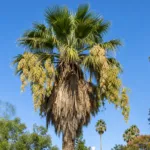 He Mexican fan palm (Washingtonia robusta) care guideWashingtonia robusta
 He California fan palm (Washingtonia filifera) care guideWashingtonia filifera
 Veitchia arecina care guideVeitchia arecina
 Trachycarpus latisectus care guideTrachycarpus latisectus
 He Chusan palm (Trachycarpus fortunei) care guideTrachycarpus fortunei