
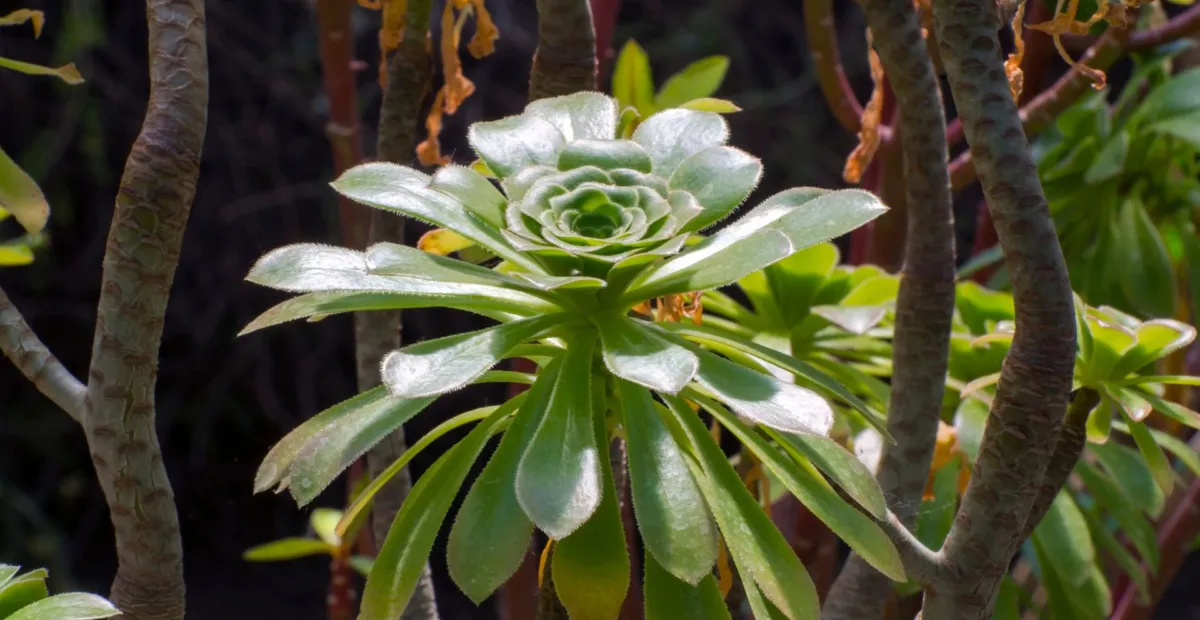
Tree Aeonium (Aeonium arboreum) short overview
Tree Aeonium is an evergreen succulent subshrub from the Canary Islands and southwestern Morocco. Its smooth, woody stems carry flattened rosettes of glossy, spoon-shaped leaves, usually green but sometimes edged or shaded copper, red, or purple. In late winter or spring, mature rosettes can produce tall, branching clusters of small yellow, star-shaped flowers. Grow it in bright sun, sharply drained soil, and containers that can be protected from frost.
Taxonomic classification
Tree Aeonium (Aeonium arboreum) care guide
Light and placement
Give Tree Aeonium 6 or more hours of direct sun, ideally in a south- or west-facing position outdoors or at a bright window indoors. Acclimate container plants gradually after moving them outside to prevent scorch. Too little light produces elongated stems, wide spacing between leaves, and weaker rosettes; harsh reflected heat behind glass can bleach or scorch foliage, especially after abrupt exposure.
Watering and humidity
Water thoroughly when the mix has dried well through most of the container, then let excess drain completely. Aeoniums often grow more actively in cooler seasons and may slow or partially rest during hot summer weather, so reduce frequency when growth pauses. Avoid repeated small sips and never leave the pot standing in water. Humidity usually needs no special adjustment.
Soil and growing medium
Use a porous cactus or succulent mix amended with extra pumice, perlite, or coarse grit if it stays wet. Containers must have an unobstructed drainage hole. In beds, plant on a raised or naturally fast-draining site rather than heavy clay. A slightly acidic to neutral root zone is suitable; the critical issue is rapid drainage, not rich soil.
Feeding
Feed during active growth in fall through spring with a balanced fertilizer diluted to about one-quarter to one-half of the label strength every 4 to 6 weeks. Alternatively, mix a modest amount of controlled-release fertilizer into the spring container refresh. Do not fertilize drought-stressed, recently repotted, diseased, or heat-dormant plants, and avoid heavy nitrogen that encourages weak, lush growth.
Growth and habit
This species forms a branching, woody framework topped by rosettes. Older stems may arch or become bare below the rosettes, while pruning or cuttings can renew a crowded plant. Growth is generally slow to moderate and strongly seasonal, with cooler, brighter conditions often supporting the best growth. Flowering rosettes may die after blooming, but established branching plants commonly continue from other rosettes.
Planting and repotting
Plant outdoors after the threat of frost has passed in colder regions, or in fall where winters are mild. Set the root ball level with the surrounding soil and keep succulent stems from being buried. Water once to settle the roots, then allow the site to dry before watering again. Provide spacing that preserves airflow around the rosettes and avoids prolonged leaf wetness.
Repot in spring or early fall when roots fill the container or the mix breaks down. Move to a pot only slightly larger, use fresh gritty mix, and keep the stem base above the substrate. After repotting, wait several days before watering, particularly if roots were disturbed or cut.
Propagation and pruning
Propagation
Stem cuttings are the most practical method. Take healthy nonflowering shoots in spring or fall, remove lower leaves, and let the cut end callus for several days. Insert it into barely moist, sharply drained mix and provide bright light without intense midday sun until roots form. Seeds are possible but slower and less uniform.
Pruning
Remove spent flower stalks and dead rosettes after blooming. Cut leggy stems back to a healthy branch or node in the active growing season, allowing cut surfaces to dry before watering. Use clean, sharp tools and avoid removing more than necessary at one time.
Overwintering
Move containers indoors, into a bright unheated greenhouse, or under frost protection before nights approach 40°F. Keep the plant very bright, cool if possible, and substantially drier than during active growth. Check for pests before bringing it inside and return outdoors gradually in spring after frost danger has passed.
Uses
Used primarily as an ornamental specimen, patio plant, rock-garden accent, and drought-tolerant container plant. In the United States it is commonly moved indoors or into a protected greenhouse for winter outside mild coastal climates. It can provide seasonal floral resources for insects, but it is not recommended as food or animal feed without species-specific professional guidance.
Appearance
The plant is recognized by smooth gray-brown to green stems ending in flattened rosettes of glossy, fleshy, spatulate leaves. The leaf tips are pointed and margins may show copper, red, or purple tones, especially in strong light or selected forms. Its woody, branching silhouette distinguishes it from low, stemless rosette succulents.
Flowering
Mature rosettes send up a conspicuous pyramidal to broadly branched inflorescence. The individual flowers are small, yellow, and star-shaped, with numerous flowers displayed above the foliage. Flowering is usually associated with the cooler-to-milder season in outdoor California-like climates and late winter to spring in much of the United States. A flowering rosette can decline afterward, while other branches may remain alive.
Pollination and visitors
The open yellow flower display is visited by bees and a broader range of insects, including other hymenopterans, flies, beetles, and some lepidopterans. Regional visitor communities vary, and records support a general insect-pollination role rather than one universally dominant pollinator species. Bird visitation has also been reported in the plant's native island habitat, but birds are not included as a primary United States garden visitor code here.
Diseases and pests
Diseases
The main preventable problem is root or stem rot from wet soil, poor drainage, or watering during cool, low-light conditions. Use a porous mix, space plants for airflow, and remove rotted tissue with sterile tools. Brown or black soft areas require immediate isolation and corrective watering; persistent lesions may indicate fungal disease and warrant disposal of badly affected material.
Pests
Inspect rosettes and stem joints for mealybugs, aphids, scale, spider mites, and ants associated with honeydew. Improve airflow, isolate infested plants, and remove small infestations with a water stream or cotton swab. Use insecticidal soap or horticultural oil only according to the label and test first, because succulent foliage can be sensitive.
Related diseases and pests
Only Plant Doctor profiles whose host data indicate this plant may be affected are shown here.
 PestCotton mealybugPhenacoccus solenopsis Tinsley
 DiseaseBlack Root RotBerkeleyomyces basicola
 DiseaseRhizopus soft rotRhizopus stolonifer
 DiseaseBacterial soft rotPectobacterium carotovorum
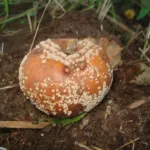 DiseaseEuropean brown rotMonilinia fructigena
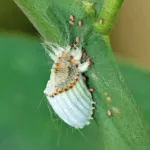 PestCottony Cushion ScaleIcerya purchasi
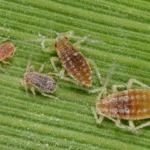 PestMealy Plum AphidHyalopterus pruni (Geoffroy, 1762)
 PestMelon aphid (cotton aphid)Aphis gossypii Glover
Toxicity and pollen
Available veterinary and plant-toxicity references describe Aeonium arboreum as non-toxic or without documented poisonous properties. That does not make it suitable food or animal feed, and any plant material can cause choking or mild digestive upset if eaten in quantity. Prevent ingestion of potting products and pesticides, and seek medical or veterinary advice after an unusual reaction.
- Typical season
- Late winter through spring in much of the United States
- Pollination / pollen
- Insect-carried pollen from open, exposed flowers
The flowers produce pollen, but the species is primarily insect-pollinated, so pollen is generally presented at the flowers rather than released in large windborne clouds. Direct allergy evidence for Aeonium arboreum is limited, so a low rating reflects limited documented airborne relevance rather than proof of zero risk. Sensitive people should avoid handling flowering clusters closely if symptoms occur.
Native habitat
Native populations occur in subtropical, seasonally dry environments of the Canary Islands and southwestern Morocco. The species is associated with sunny, mild climates and soils that drain quickly, including rocky or sandy ground. It is adapted to periodic drought but not to prolonged cold or waterlogged roots.
Interesting fact
The species name arboreum refers to its tree-like habit. Rosettes are carried on stems that become woody with age. Flowering can be followed by the death of the flowering rosette, a form of monocarpic behavior at the rosette level. Strong light can intensify copper, red, or purple foliage tones in some forms.
Frequently asked questions (FAQ)
The most relevant questions about this plant, with short and direct answers.
🌱Quick care
How do you care for Tree Aeonium (Aeonium arboreum)?⌄
Give Tree Aeonium full sun to partial shade, porous well-drained soil, and low but thorough watering. Let the soil dry between waterings, withhold heavy watering during hot summer dormancy, and protect the plant from frost.
🌤️Environment and placement
How much sunlight does Tree Aeonium need?⌄
Tree Aeonium grows best in full sun to partial shade, especially bright morning or filtered afternoon light. In very hot climates, provide afternoon shade to reduce leaf scorch and heat stress.
Can Tree Aeonium grow indoors?⌄
Yes, Tree Aeonium can grow indoors beside a very bright, sunny window. Rotate the pot regularly and provide strong airflow, because insufficient light commonly causes stretched stems and loose rosettes.
What USDA hardiness zones can grow Tree Aeonium outdoors?⌄
Tree Aeonium is best treated as a frost-tender succulent in the United States and is most reliable outdoors in mild, frost-free areas. In colder USDA zones, grow it in a container and move it indoors before freezing weather.
What temperature is too cold for Tree Aeonium?⌄
Protect Tree Aeonium whenever frost or freezing temperatures are expected. It has little frost tolerance, and prolonged cold can damage leaves, stems, and roots.
Can Tree Aeonium tolerate humidity?⌄
Tree Aeonium can tolerate some humidity if air circulation and drainage are good, but prolonged wetness increases the risk of rot. Keep foliage and soil from remaining constantly damp, especially in enclosed spaces.
💧Care and problems
How often should you water Tree Aeonium?⌄
Water Tree Aeonium thoroughly when the soil has dried, then allow excess water to drain completely. Water less during hot summer dormancy and more regularly during its cooler-season growth period, while avoiding constantly wet soil.
Should Tree Aeonium be watered in summer?⌄
Water Tree Aeonium sparingly during summer because it may slow down or become semi-dormant in hot conditions. Give only enough moisture to prevent severe shriveling, and never leave the roots in wet soil.
Why are Tree Aeonium leaves falling off?⌄
Leaf drop can be normal during summer dormancy, when Tree Aeonium sheds older lower leaves. Excess water, poor drainage, severe heat, cold injury, or inadequate light can also cause abnormal leaf loss.
Why is my Tree Aeonium stem getting long and bare?⌄
A long, bare Tree Aeonium stem usually results from aging, natural lower-leaf drop, or insufficient light. Move it to brighter light and prune or re-root the healthy rosette if the plant has become excessively leggy.
Why is my Tree Aeonium rosette opening?⌄
A Tree Aeonium rosette may open naturally in bright light or during active growth, but excessive opening often indicates low light or heat-related dormancy. Improve light gradually and avoid overwatering while the plant is resting.
Why are Tree Aeonium leaves turning brown or crispy?⌄
Brown, crispy leaves commonly indicate intense heat, sun scorch after a sudden light change, underwatering, or cold damage. Shield the plant from harsh afternoon sun during heat waves and adjust watering only after checking that the soil is dry.
Why are Tree Aeonium leaves turning yellow?⌄
Yellow leaves most often indicate overwatering, poor drainage, or root stress. Let the soil dry more thoroughly, confirm that the container drains freely, and remove any soft or rotting tissue.
Does Tree Aeonium attract pests?⌄
Tree Aeonium can be affected by common succulent pests such as mealybugs, aphids, and scale. Inspect leaf axils and stems regularly, isolate infested plants, and treat promptly with an appropriate labeled product.
Is Tree Aeonium drought tolerant?⌄
Tree Aeonium is drought tolerant once established, but it is not a plant that should remain bone-dry indefinitely during active growth. Water deeply after the soil dries, then allow drainage before watering again.
🪴Planting and repotting
What soil is best for Tree Aeonium?⌄
Use a well-drained sandy or loamy cactus mix that does not stay wet after watering. Adding mineral material such as coarse sand, pumice, or perlite can improve drainage in heavy potting soil.
What type of pot is best for Tree Aeonium?⌄
Choose a pot with a drainage hole that is only slightly larger than the root system. Unglazed terracotta is useful because it allows the soil to dry more quickly, particularly in humid conditions.
When should Tree Aeonium be repotted?⌄
Repot Tree Aeonium when roots fill the container, growth becomes unstable, or the soil no longer drains well. Repot during active growth, handle the roots gently, and wait briefly before watering if the roots were disturbed.
Can Tree Aeonium be planted in the ground?⌄
Yes, Tree Aeonium can be planted outdoors in a sunny, sharply drained site where frost is uncommon. In regions with freezing winters or persistently wet soil, container culture is safer.
✂️Propagation and pruning
How do you propagate Tree Aeonium from cuttings?⌄
Cut a healthy stem or terminal rosette, allow the cut end to dry and callus for several days, then place it in barely moist, well-drained mix. Keep the cutting warm and bright but protected from intense direct sun until roots develop.
Can Tree Aeonium be propagated from leaves?⌄
Tree Aeonium may produce new plants from leaf cuttings, but stem or rosette cuttings are generally more dependable. Use a fully intact, healthy leaf and keep it dry until roots or growth appear.
How do you prune Tree Aeonium?⌄
Prune Tree Aeonium by removing dead leaves, damaged stems, or overly leggy rosettes with clean, sharp tools. Healthy rosette cuttings can be re-rooted, while the remaining stem may produce new side shoots.
⚠️Toxicity and safety
Is Tree Aeonium toxic to cats or dogs?⌄
No confirmed toxicity is documented for Tree Aeonium, but ingestion of any ornamental plant can still cause stomach upset or choking. Keep it away from pets and contact a veterinarian or poison-control service if a pet consumes a large amount or develops symptoms.
Is Tree Aeonium safe for humans to touch?⌄
Tree Aeonium is generally considered safe to handle, and no confirmed human toxicity is documented. Wash hands after handling plant material and avoid eating it because individual sensitivity and misidentification are possible.
🌸Flowering and special interest
What happens when Tree Aeonium flowers?⌄
A flowering Tree Aeonium rosette dies after blooming because Aeoniums are generally monocarpic at the rosette level. Since Aeonium arboreum branches, other rosettes and side shoots can continue growing after one rosette flowers.
When does Tree Aeonium bloom?⌄
Tree Aeonium commonly blooms during the cooler growing season, often from winter into spring in mild climates. It produces a large terminal cluster of small, star-shaped yellow flowers.
Does Tree Aeonium die after flowering?⌄
The individual rosette or flowering branch usually dies after flowering, but the entire Tree Aeonium plant does not necessarily die. Branching plants typically survive through other rosettes and developing side shoots.
How do you prevent Tree Aeonium from flowering?⌄
You cannot reliably prevent flowering once a Tree Aeonium rosette has initiated a flower stalk. Regularly re-rooting healthy terminal rosettes can maintain younger plants and reduce the impact of losing a flowering branch.
Similar plants
 Azure Monkshood (Aconitum carmichaelii) care guideAconitum carmichaelii
 Monkshood (Aconitum ‘Stainless Steel’)Aconitum 'Stainless Steel'
 Monkshood (Aconitum ‘Bressingham Spire’)Aconitum 'Bressingham Spire'
 Golden full moon maple (Acer shirasawanum ‘Aureum’)Acer shirasawanum 'Aureum'
 Globosum (Acer platanoides ‘Globosum’)Acer platanoides 'Globosum'
 Striped maple (Acer pensylvanicum) care guideAcer pensylvanicum