
 Source:
 Soft shield fern (Polystichum setiferum) short overview
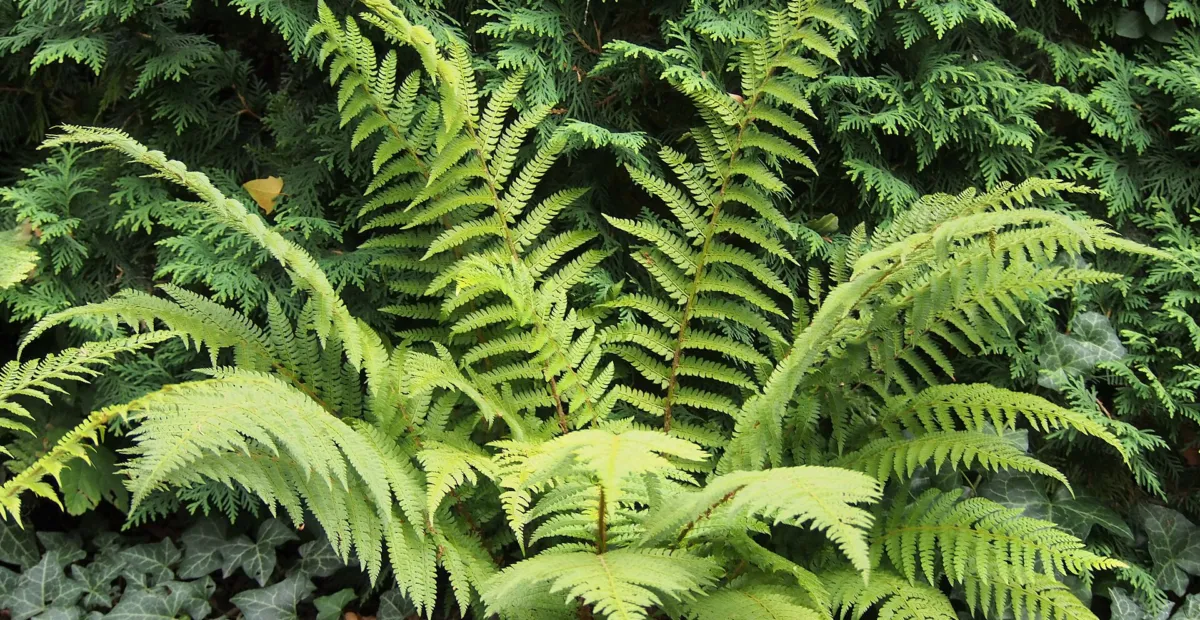
Soft shield fern is a graceful, tufted fern for cool, shady parts of the American garden. Its arching, finely divided fronds form a broad shuttlecock rosette, while cinnamon-brown scales add close-up interest to the stipes and midribs. Give it fertile, humus-rich soil that retains even moisture without becoming waterlogged. It is useful in woodland borders, shaded beds, rock gardens, and containers, with evergreen or semi-evergreen foliage depending on winter conditions.
Taxonomic classification
Soft shield fern (Polystichum setiferum) care guide
Light and placement
Give soft shield fern partial shade to full shade, ideally beneath a woodland canopy or on a north- or east-facing exposure. Filtered light and cool morning sun are suitable. Excessive direct sun, especially hot afternoon sun, can bleach or yellow fronds and dry the plant. Very deep, dry shade may produce slower, thinner growth.
Watering and humidity
Water deeply when the upper inch of soil begins to dry, then allow excess water to drain. Keep the root zone evenly moist during establishment and summer heat, but never continually saturated. Reduce watering in cool weather while preventing the crown from becoming desiccated. Mulch with leaf mold or compost to moderate moisture and temperature.
Soil and growing medium
Use a fertile, humus-rich medium with reliable drainage. Loam, sandy loam, or improved clay can work if compacted layers are opened and organic matter is incorporated. The species tolerates acidic, neutral, and alkaline conditions, but consistently saturated soil is hazardous because crown rot is more likely, especially in winter.
Feeding
Top-dress in spring with leaf mold, compost, or another well-rotted organic amendment. If growth is weak, apply a balanced fertilizer at half the label rate while new fronds are expanding. Avoid heavy feeding, strong quick-release fertilizer, and fertilizing dry or heat-stressed plants.
Growth and habit
This perennial forms a dense clump with arching fronds radiating from a central crown. It is normally evergreen in mild climates and semi-evergreen where winters are colder. Remove tired fronds selectively or cut them back before spring croziers unfurl.
Planting and repotting
Plant in spring or early fall while temperatures are moderate. Set the rhizome at or just above soil level, never deeply buried, and water thoroughly after planting. Space plants about 24–36 inches apart for individual rosettes, allowing room for mature fronds and air movement.
Repot container-grown plants in spring when the root mass has filled the pot. Use a moisture-retentive but freely draining potting mix and keep the crown at the same level; avoid burying the rhizome or leaving the container standing in water.
Propagation and pruning
Propagation
Divide established rhizomes in spring as growth resumes, ensuring each division has roots and a viable crown. Spores can be sown when ripe, but fern propagation from spores requires sterile technique, patience, and careful moisture control. Some cultivars may also produce bulbils.
Pruning
Remove dead, damaged, or badly weathered fronds as needed. In colder regions, cut remaining old fronds in late winter or very early spring before new croziers emerge; in mild regions, retain attractive fronds through winter.
Overwintering
In Zones 6–8, established plants generally need little protection in a sheltered, well-drained site. In colder or exposed gardens, leave healthy fronds over winter or apply a light leaf mulch around, not over, the crown. Container plants are more vulnerable and should be moved to a protected, unheated location before severe freezes.
Uses
Use as a foliage accent, mass planting, woodland underplanting, shaded border subject, rock-garden fern, or container specimen. Its texture suits informal and naturalistic designs. It has no established culinary use in this profile.
Appearance
The plant forms a rounded to shuttlecock-like rosette of soft-textured, lance-shaped, twice-divided fronds. Pinnules have toothed to bristly margins, while the stipes and rachises carry prominent cinnamon-brown scales. Fronds may arch or droop slightly, giving the clump a layered, refined appearance.
Pollination and visitors
As a fern, it is not animal-pollinated and does not produce nectar-bearing flowers. Reproduction occurs through spores released from sori on fertile fronds.
Polystichum setiferum photos
Click any photo for a larger view. Source, author and license are shown separately.
Diseases and pests
Diseases
Generally trouble-free when drainage is good. Crown rot is the principal concern, particularly in cold, wet soils. Improve drainage, avoid burying the rhizome, remove badly affected material, and reduce winter moisture around the crown.
Pests
Usually pest-free outdoors, though slugs, snails, and occasional chewing insects may damage young fronds in damp gardens. Maintain clean planting areas, avoid persistent surface wetness, and use targeted slug control only when damage is significant.
Related diseases and pests
Only Plant Doctor profiles whose host data indicate this plant may be affected are shown here.



Toxicity and pollen
No specific toxic effects are widely reported for this species, but species-level pet and human safety evidence is limited. Do not treat the fern as edible, and discourage chewing or ingestion of fronds and spores. Seek medical or veterinary advice after a significant exposure or if symptoms occur.
- Pollination / pollen
- Airborne spores, not pollen
Ferns do not produce airborne pollen; they reproduce through spores. Spores may become airborne when mature, but this is biologically distinct from pollen and species-specific allergy evidence for soft shield fern is limited.
Native habitat
Native across parts of western and southern Europe, the Mediterranean region, North Africa, and western Asia. It is associated with shaded, relatively cool habitats and performs best where roots remain moist but are not exposed to prolonged waterlogging.
Interesting fact
The species name refers to bristle-bearing, toothed pinnules. Its fronds form a shuttlecock-like rosette, and the stipes and rachises are conspicuously covered with cinnamon-brown scales. It is highly variable in frond form and has produced many ornamental cultivars.
Frequently asked questions (FAQ)
The most relevant questions about this plant, with short and direct answers.
🌱Quick care
What is the common name of Polystichum setiferum?⌄
Polystichum setiferum is commonly called soft shield fern. It is a tufted, evergreen or semi-evergreen fern grown mainly for its finely divided green fronds.
How much light does soft shield fern need?⌄
Soft shield fern grows best in partial shade to full shade. Protect it from strong afternoon sun, which can scorch or yellow the fronds.
How often should I water Polystichum setiferum?⌄
Water soft shield fern often enough to keep the soil evenly moist but not soggy. Newly planted ferns need more regular watering, while established plants tolerate brief dry periods if the soil does not become hot and parched.
Is Polystichum setiferum evergreen?⌄
Polystichum setiferum is evergreen in mild climates and may be semi-evergreen in colder areas. Winter cold, wind, and exposure can cause some or all older fronds to decline.
How large does soft shield fern get?⌄
Soft shield fern typically grows about 2 to 3 feet tall and wide. Its arching fronds form a rounded, shuttlecock-like clump.
🌤️Environment and placement
Where should I plant soft shield fern?⌄
Plant soft shield fern in a sheltered, shady location such as a woodland border, shaded path, rock garden, or area beneath trees. Choose a site with fertile, humus-rich soil that drains reliably.
Can Polystichum setiferum grow in full shade?⌄
Yes, Polystichum setiferum can grow in full shade, especially where the soil remains moist and fertile. Growth may be less vigorous than in bright, filtered shade.
Can soft shield fern tolerate morning sun?⌄
Soft shield fern can usually tolerate gentle morning sun or filtered light if the soil stays evenly moist. Avoid intense afternoon sun, particularly in hot-summer climates.
What USDA hardiness zones are suitable for Polystichum setiferum?⌄
Polystichum setiferum is generally grown in USDA Zones 6 through 8, with some regional sources listing performance into Zone 9. In colder or exposed locations, plant it in a sheltered site and protect the crown from winter wet.
Can I grow soft shield fern under trees?⌄
Yes, soft shield fern is well suited to planting under trees or large shrubs. Keep it away from dense, competitive roots when possible and water it during prolonged dry weather.
Does soft shield fern tolerate dry shade?⌄
Established soft shield fern can tolerate some dry shade better than many ferns, but it performs best with consistent moisture. Extra watering is important during hot, prolonged droughts or when planted near thirsty tree roots.
💧Care and problems
What type of soil does Polystichum setiferum need?⌄
Polystichum setiferum prefers fertile, humus-rich, well-drained soil that holds some moisture. It can tolerate different soil textures, but waterlogged soil greatly increases the risk of crown rot.
Why are my soft shield fern fronds turning yellow?⌄
Yellow fronds are commonly caused by excessive sunlight, drought stress, or poorly drained soil. Move or shade the plant if necessary, keep the root zone evenly moist, and check that water can drain freely.
Why is my Polystichum setiferum wilting?⌄
Wilting usually indicates insufficient moisture, excessive heat, root damage, or severe transplant stress. Check the soil several inches below the surface and water deeply if it is dry, while avoiding constantly saturated conditions.
Does soft shield fern need fertilizer?⌄
Soft shield fern usually needs little or no fertilizer when grown in fertile garden soil. A spring mulch of compost or leaf mold is generally more useful than heavy feeding.
What problems affect Polystichum setiferum?⌄
Soft shield fern is generally low-maintenance and has few serious pest or disease problems. Crown rot is the main concern, especially when the crown remains wet in poorly drained soil during winter.
🪴Planting and repotting
When is the best time to plant soft shield fern?⌄
Plant soft shield fern in spring or early fall when temperatures are moderate and soil moisture is reliable. Spring planting gives the roots a long period to establish before winter.
How should I plant Polystichum setiferum to prevent crown rot?⌄
Plant the crown slightly high or angle the rhizome so excess water cannot collect around its center. Use well-drained soil and avoid burying the crown deeply.
Can Polystichum setiferum grow in a container?⌄
Yes, soft shield fern can grow in a container placed in shade or filtered light. Use a moisture-retentive but well-drained potting mix, a container with drainage holes, and water whenever the surface begins to dry.
How far apart should I plant soft shield ferns?⌄
Space soft shield ferns about 2 to 3 feet apart, depending on the cultivar and the desired density. This allows room for the mature clumps and arching fronds to develop without crowding.
✂️Propagation and pruning
How do I propagate Polystichum setiferum?⌄
The easiest method is division of an established clump, usually in spring. Soft shield fern can also be grown from spores, although spore propagation is slower and requires consistently sterile, humid conditions.
Can soft shield fern be propagated from spores?⌄
Yes, soft shield fern can be propagated from spores collected from mature fronds. The process is relatively slow: spores first form tiny prothalli, then young ferns that may take one to two years to reach planting size.
When should I divide soft shield fern?⌄
Divide soft shield fern in spring as new growth begins or when conditions are cool and moist. Replant the divisions promptly, keep them evenly moist, and protect them from strong sun while they recover.
When should I prune Polystichum setiferum?⌄
Remove dead, damaged, or badly weathered fronds in late winter or early spring before new fronds unfurl. Avoid cutting healthy green fronds unless they are damaged or obstructing nearby plants.
Should I cut back soft shield fern for winter?⌄
You do not need to cut back soft shield fern in mild climates where the fronds remain attractive. In colder areas, remove collapsed or damaged fronds in late winter before new growth appears.
⚠️Toxicity and safety
Is Polystichum setiferum toxic to dogs or cats?⌄
No specific toxicity is widely reported for Polystichum setiferum, but evidence is limited and plant identification can be uncertain. Prevent pets and children from chewing ornamental plants, and contact a veterinarian or poison-control service if ingestion causes symptoms.
Is soft shield fern safe to plant around children?⌄
Soft shield fern is not specifically reported as toxic, but limited toxicity evidence means normal caution is appropriate. Do not allow children to eat the fronds, and verify the plant identity before relying on toxicity information.
🌸Flowering and special interest
Does soft shield fern produce flowers?⌄
No, Polystichum setiferum does not produce flowers. Like other ferns, it reproduces with spores found on the undersides of mature fronds.
When do new soft shield fern fronds emerge?⌄
New soft shield fern fronds typically unfurl in spring. The young fronds emerge as curled fiddleheads and gradually expand into arching, finely divided foliage.
Similar plants
 Azure Monkshood (Aconitum carmichaelii) care guideAconitum carmichaelii
 Monkshood (Aconitum ‘Stainless Steel’)Aconitum 'Stainless Steel'
 Monkshood (Aconitum ‘Bressingham Spire’)Aconitum 'Bressingham Spire'
 Golden full moon maple (Acer shirasawanum ‘Aureum’)Acer shirasawanum 'Aureum'
 Globosum (Acer platanoides ‘Globosum’)Acer platanoides 'Globosum'
 Striped maple (Acer pensylvanicum) care guideAcer pensylvanicum