
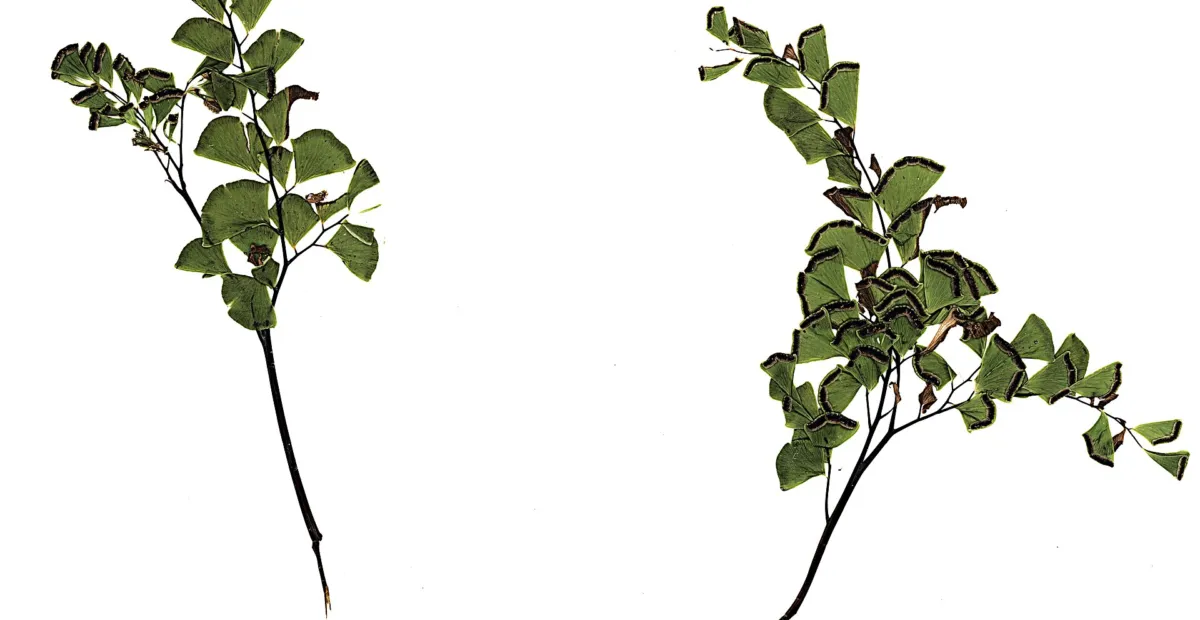
 Source:
 Aleutian Maidenhair (Adiantum aleuticum) short overview
Aleutian Maidenhair is a refined, hardy fern native to western North America, with scattered populations farther east. Its delicate-looking fronds rise from wiry black stems, while fan-shaped leaflets create an airy, graceful texture. This perennial thrives in cool, shaded sites with dependable moisture, humus-rich soil and good drainage. It is especially effective in woodland borders, rock gardens, streamside plantings and sheltered containers where dry air and reflected heat are limited.
Taxonomic classification
Aleutian Maidenhair (Adiantum aleuticum) care guide
Light and placement
Grow in full to bright dappled shade, ideally beneath deciduous trees, beside north- or east-facing walls, or in a sheltered ravine-like site. Morning sun may be tolerated where moisture is reliable, but hot afternoon sun, reflected heat and drying wind can scorch fronds. Too little light may produce sparse, weak growth; too much direct light causes pale foliage, crisp leaflet edges and premature frond collapse.
Watering and humidity
Keep the root zone consistently moist but not saturated. Water deeply when the surface begins to dry, directing water onto the soil rather than repeatedly wetting delicate fronds. Increase frequency during hot or windy weather and reduce it during cool, dormant periods without allowing the rhizome to dry completely. Mulch with leaf mold to buffer moisture and temperature.
Soil and growing medium
Use a humus-rich, moisture-retentive but porous soil that drains freely. A loamy woodland mix amended with leaf mold or finished compost suits the rhizome, while grit or fine gravel helps prevent stagnant conditions. The species tolerates a range of pH values, but slightly acidic to neutral soil is a practical target. Avoid compacted clay and rapidly drying sandy mixes.
Feeding
Feed lightly during active spring and summer growth with a balanced liquid fertilizer diluted to half strength, about monthly. Water the plant first if the medium is dry, and stop feeding when growth slows in fall. Avoid heavy fertilizer, fresh manure and repeated feeding in winter, since salt buildup and soft growth can damage the shallow rhizome.
Growth and habit
This fern forms a clump from a short, creeping rhizome. New fronds emerge coiled and gradually expand into light, fan-textured sprays. Growth is restrained while plants establish and can be checked by drought, hot reflected light or rhizome disturbance. Keep competing roots and aggressive groundcovers away from the crown.
Planting and repotting
Plant in spring or early fall when temperatures are mild and soil moisture is dependable. Set the rhizome at the soil surface or only barely covered; deep planting can encourage crown or rhizome rot. Space plants about 18–24 inches apart for a natural clump, allowing room for fronds to arch outward. Water consistently during establishment and mulch lightly with leaf mold.
Repot only when the container is crowded or the growing medium has broken down, preferably in spring before strong new frond growth. Handle the shallow rhizome gently, keep it at the same depth, and water thoroughly after transplanting. Choose a wide container with drainage rather than a deep pot, and avoid disturbing the root ball unnecessarily.
Propagation and pruning
Propagation
Propagation is primarily by spores and is technically demanding because the spores produce a delicate gametophyte stage before young ferns develop. Sow fresh spores on a sterile, moisture-retentive medium in a covered container with indirect light and high humidity. Established clumps may sometimes be divided in spring, but rhizome disturbance should be minimal.
Pruning
No routine pruning is needed. In late winter or early spring, remove dead, collapsed or badly damaged fronds at the base before new growth begins. Do not cut healthy green fronds merely to shape the plant, since the fern has a naturally open, arching form.
Overwintering
Plants in the ground are generally winter hardy in suitable climates. Leave healthy fronds in place through winter where they provide protection, then remove collapsed growth in early spring. In containers, protect the root ball from repeated freeze-thaw cycles by sinking the pot or moving it to an unheated sheltered location; do not overwinter in a hot, dry room.
Uses
A choice ornamental for shaded woodland borders, native-plant gardens, moist rock crevices, streamside plantings and sheltered containers. Its fine texture contrasts well with bold-leaved shade perennials. It is useful primarily for habitat-style and aesthetic planting; no culinary or medicinal use is recommended without authoritative species-specific evidence.
Appearance
Fronds are divided into fan-shaped to oblong leaflets arranged along radiating branches, creating a distinctive five-finger-like outline. The slender rachises and stalks are dark brown to nearly black, contrasting with fresh green foliage. Fertile leaflets carry marginal sori hidden beneath narrow, curled false indusia. New fronds emerge tightly coiled.
Pollination and visitors
No animal pollination is involved. Reproduction occurs through fern spores, followed by a free-living gametophyte stage. The foliage may provide structure and cover in moist woodland habitats, but a specific pollinator or characteristic floral visitor is not documented.
Adiantum aleuticum photos
Click any photo for a larger view. Source, author and license are shown separately.
Diseases and pests
Diseases
Usually trouble-free when grown in airy, well-drained soil. Crown and rhizome rot can follow prolonged saturation, while fronds may develop spotting under poor ventilation or overhead watering. Remove badly damaged material, improve drainage and spacing, and water at the soil level. Avoid routine fungicide use unless a disease is positively identified.
Pests
Scale insects may occur, especially under glass or in dry indoor conditions. Inspect stems and frond bases regularly. Remove isolated pests manually or use a labeled horticultural oil or insecticidal soap when appropriate, testing first on a small area. Improve humidity and ventilation without keeping foliage constantly wet.
Related diseases and pests
Only Plant Doctor profiles whose host data indicate this plant may be affected are shown here.


Toxicity and pollen
No authoritative evidence located indicating significant toxicity for Adiantum aleuticum. As with any ornamental plant, prevent children and pets from consuming large quantities, and avoid using wild-collected material as food without verified identification.
- Typical season
- Not applicable; fern spores may be released during fertile-frond maturity
- Pollination / pollen
- Airborne fern spores, not pollen
Ferns do not produce airborne pollen. They release spores from sori on fertile fronds, and spores can become airborne when mature. This is botanically distinct from pollen; species-specific allergy risk for Adiantum aleuticum was not established in the reviewed sources.
Native habitat
Native habitats include moist rock crevices, stream margins, seepage areas, shaded woodland sites and serpentine outcrops. The species ranges widely across western North America, from Alaska and the Aleutian Islands southward, with scattered disjunct populations in eastern North America. It occurs from near sea level to roughly 10,500 feet in mountainous regions.
Interesting fact
The species was formerly treated as a variety or subspecies of Adiantum pedatum. Its range is centered in western North America but includes striking disjunct populations in parts of the Northeast. It can grow on serpentine substrates, and plants in exposed serpentine habitats may develop a more upright appearance. Like other ferns, it reproduces with spores rather than seeds.
Frequently asked questions (FAQ)
The most relevant questions about this plant, with short and direct answers.
🌱Quick care
What is Adiantum aleuticum?⌄
Adiantum aleuticum, commonly called Aleutian Maidenhair, is a cold-hardy, deciduous perennial fern in the Pteridaceae family. It forms delicate, fan-shaped fronds on dark stems and grows from a rhizome.
How much light does Aleutian Maidenhair need?⌄
Aleutian Maidenhair grows best in partial shade to shade. Protect it from hot afternoon sun, although gentle morning light or filtered light can be tolerated when the soil stays consistently moist.
How often should I water Adiantum aleuticum?⌄
Water Adiantum aleuticum whenever the soil surface begins to dry, keeping the root zone evenly moist but never waterlogged. Do not allow a container-grown plant to dry out completely.
Is Adiantum aleuticum an indoor or outdoor plant?⌄
Adiantum aleuticum is primarily an outdoor woodland fern, but it can be grown indoors in bright, filtered light with high humidity. Indoor plants are more difficult to maintain if household air is dry.
🌤️Environment and placement
Where should I plant Aleutian Maidenhair outdoors?⌄
Plant Aleutian Maidenhair in a cool, sheltered woodland setting such as a shaded bank, rock crevice, ravine garden, or streamside bed. Choose a location protected from drying winds and intense midday sun.
What type of soil does Adiantum aleuticum prefer?⌄
Adiantum aleuticum prefers humus-rich, moist but well-drained woodland soil. Incorporate leaf mold, compost, or other organic matter if the soil is thin or lacks moisture retention.
Can Aleutian Maidenhair grow near a stream or waterfall?⌄
Yes, Aleutian Maidenhair is well suited to moist, shady locations near streams, waterfalls, wet cliffs, and woodland seeps. The planting site must still drain freely rather than remaining saturated.
Can Adiantum aleuticum tolerate clay soil?⌄
Adiantum aleuticum can grow in clay if the soil is amended to improve drainage and enriched with organic matter. Heavy, persistently waterlogged clay can cause rhizome and root problems.
Is Aleutian Maidenhair cold hardy?⌄
Aleutian Maidenhair is a cold-hardy perennial fern that typically dies back or loses its fronds in winter and regrows in spring. Winter performance still depends on local exposure, moisture, and protection from drying conditions.
💧Care and problems
Why is my Adiantum aleuticum turning brown?⌄
Brown fronds on Adiantum aleuticum usually indicate drought stress, low humidity, hot sun, or drying wind. Trim severely damaged foliage and restore consistent moisture, shade, and humidity around the plant.
How do I keep Aleutian Maidenhair from drying out?⌄
Keep Aleutian Maidenhair in shade, mulch the soil with leaf mold or fine compost, and water consistently during dry weather. Container plants may also need protection from heated indoor air and drafts.
Does Adiantum aleuticum need fertilizer?⌄
Adiantum aleuticum usually needs little fertilizer when planted in organically rich soil. If growth is weak, apply a dilute, balanced fertilizer during active growth rather than using heavy applications.
What pests and diseases affect Aleutian Maidenhair?⌄
Aleutian Maidenhair is generally trouble-free outdoors when grown in suitable conditions. Indoor or greenhouse plants can occasionally develop scale, while prolonged waterlogging may contribute to root or rhizome rot.
🪴Planting and repotting
When is the best time to plant Adiantum aleuticum?⌄
Plant Adiantum aleuticum in spring or fall when temperatures are moderate and soil moisture is reliable. Avoid planting during periods of extreme heat, drought, or frozen ground.
Can Aleutian Maidenhair be grown in a container?⌄
Yes, Aleutian Maidenhair can be grown in a container with drainage holes and a moisture-retentive but well-drained, humus-rich potting mix. Monitor containers closely because they dry faster than garden soil.
How should I repot Adiantum aleuticum?⌄
Repot Adiantum aleuticum when the root mass or rhizome fills its container, preferably in spring. Move it into a slightly larger pot, disturb the delicate roots as little as possible, and water thoroughly afterward.
✂️Propagation and pruning
How do you propagate Aleutian Maidenhair?⌄
The most reliable propagation method for Aleutian Maidenhair is sowing fresh spores on the surface of a sterile, humus-rich medium. Keep the medium constantly moist and the container humid until the young fern develops.
Can Adiantum aleuticum be propagated by division?⌄
Yes, Adiantum aleuticum can sometimes be propagated by carefully dividing an established rhizome in spring or fall. Each division should include healthy rhizome tissue and growing points, and it must not be allowed to dry out.
Should I cut back Aleutian Maidenhair in winter?⌄
No routine winter pruning is required for Aleutian Maidenhair. Remove dead or damaged fronds in late winter or early spring before new growth emerges, leaving healthy crowns and rhizomes undisturbed.
⚠️Toxicity and safety
Is Adiantum aleuticum toxic to dogs and cats?⌄
No significant toxicity is documented for Adiantum aleuticum, but species-specific safety evidence is limited. Prevent pets and children from chewing the plant, and contact a veterinarian or poison-control service if ingestion causes symptoms.
🌸Flowering and special interest
Does Adiantum aleuticum produce flowers?⌄
No, Adiantum aleuticum does not produce flowers or seeds in the usual flowering-plant sense. It reproduces with spores, which develop in sori along the edges or undersides of mature frond segments.
When does Aleutian Maidenhair produce spores?⌄
Aleutian Maidenhair generally produces spores during summer and fall. Allow fertile fronds to mature fully if you want to collect spores for propagation.
Similar plants
 Azure Monkshood (Aconitum carmichaelii) care guideAconitum carmichaelii
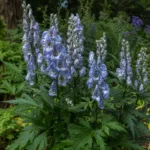 Monkshood (Aconitum ‘Stainless Steel’)Aconitum 'Stainless Steel'
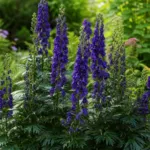 Monkshood (Aconitum ‘Bressingham Spire’)Aconitum 'Bressingham Spire'
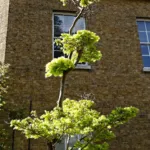 Golden full moon maple (Acer shirasawanum ‘Aureum’)Acer shirasawanum 'Aureum'
 Globosum (Acer platanoides ‘Globosum’)Acer platanoides 'Globosum'
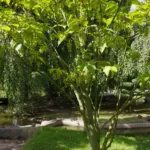 Striped maple (Acer pensylvanicum) care guideAcer pensylvanicum