
 Source:
 Polystichum luctuosum short overview
Polystichum luctuosum is a distinctive perennial shield fern forming a dense clump of arching, leathery fronds. Its olive-green upper surfaces contrast with paler undersides, while dark, glossy scales on the stalks and rachises help distinguish it from related ferns. Native across parts of Asia, southern Africa, Madagascar and nearby islands, it grows naturally in humid, shaded habitats and is best cultivated in the United States as a protected woodland fern or container specimen.
Taxonomic classification
Polystichum luctuosum care guide
Light and placement
Provide bright filtered light, dappled shade or deep shade. An east- or north-facing exposure, shaded courtyard, woodland edge or position beneath an open canopy is suitable. Excess midday sun can bleach or scorch fronds; too little light produces weak, sparse growth and reduced frond development. Protect from hot reflected light and drying wind.
Watering and humidity
Keep the root zone evenly and moderately moist, watering when the surface begins to dry rather than waiting for the entire container to dry. Water deeply so the medium is fully moistened, then allow excess to drain. Reduce frequency in cool or dark winter conditions, but do not let the crown remain saturated. Humid air helps prevent marginal browning, especially indoors.
Soil and growing medium
Use a loose, humus-rich medium that retains even moisture while draining freely. A blend of fine bark, leaf mold or compost, and moisture-retentive but open potting material is suitable. Slightly acidic to neutral conditions are appropriate; avoid compacted, alkaline or permanently waterlogged soil.
Feeding
Feed during active growth with a balanced liquid fertilizer diluted to about one-quarter to one-half strength every 4–6 weeks, or use a restrained slow-release fern fertilizer. Water first if the medium is dry. Do not fertilize immediately after repotting, during winter rest, or when roots are damaged or waterlogged.
Growth and habit
This fern forms a slow-growing, persistent clump from a short rhizome. Fronds emerge in succession and remain useful as long-lived foliage. Give it room for gradual clump development, avoid burying the crown, and remove only damaged or declining fronds so the plant can continue building reserves.
Planting and repotting
Plant during mild spring or early fall weather, setting the crown at soil level rather than burying it. Prepare a generous pocket of organic, well-drained soil and space plants about 18–30 inches apart where mature clumps can develop. Keep the root zone evenly moist during establishment and mulch lightly without covering the crown.
Repot in spring only when the root mass has filled the container or drainage has declined. Move into a slightly larger pot, disturb the roots as little as practical, and keep the crown at its previous level. Water thoroughly after repotting and provide sheltered, humid conditions while new growth resumes.
Propagation and pruning
Propagation
Division of established clumps is the most practical horticultural method and is best done in spring, with each division retaining roots and several growing points. Spore propagation is possible but technically demanding, slow and variable because fern spores require controlled sterile sowing and careful humidity management.
Pruning
Remove yellow, brown or badly damaged fronds at the base with clean shears. Pruning is mainly cosmetic and can be done during the growing season or before new spring growth. Do not shear healthy fronds routinely, because the plant depends on them for continued vigor.
Overwintering
In the United States, grow outdoors only in locations with mild, humid winters and reliable protection from hard freezes. Container plants should be moved to a cool, bright, frost-free space before freezing weather. Keep the medium slightly moist through winter, reduce feeding, and avoid warm, dry forced-air rooms.
Uses
Use as an ornamental foliage fern in shaded woodland plantings, sheltered rock gardens, conservatories and containers. It can provide durable green structure where winters are mild and moisture is dependable. It has no supported culinary or medicinal use in the reviewed sources.
Appearance
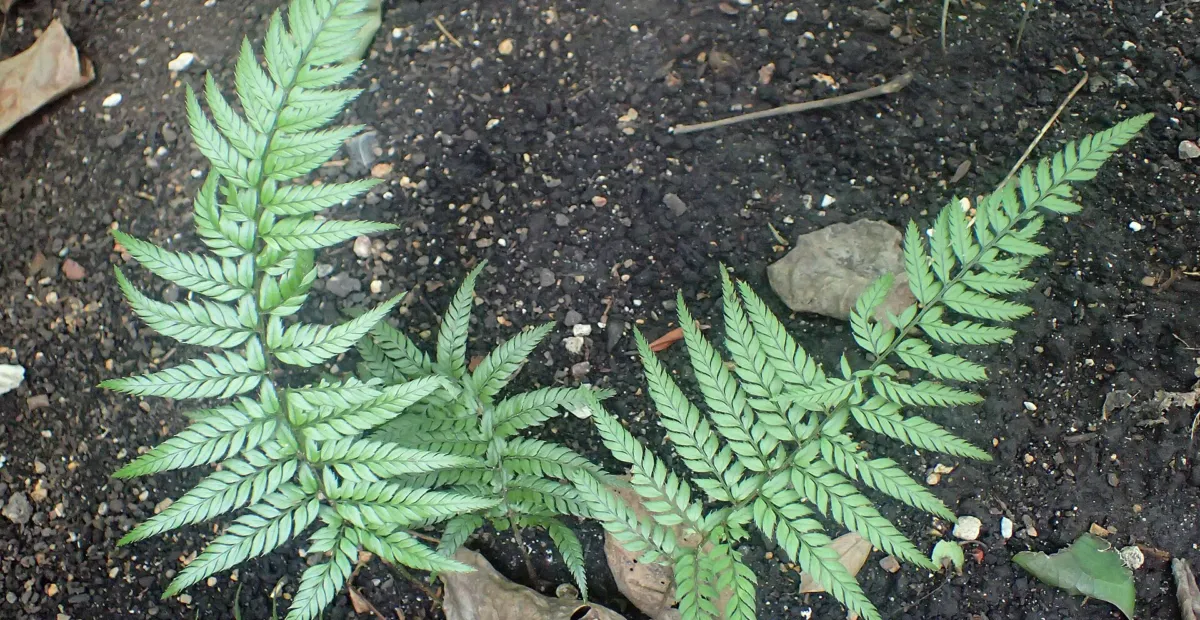
Fronds are crowded, suberect to arching, and divided two times or nearly two times into many free pinnae and pinnules. The upper blade is olive green and leathery, while the undersides are paler. Dark brown to nearly black glossy scales along the stipe and rachis are important identification features.
Pollination and visitors
As a fern, Polystichum luctuosum produces spores rather than flowers and is not documented as an animal-pollinated plant. No reliable species-specific pollinator or floral visitor record was found.
Polystichum luctuosum photos
Click any photo for a larger view. Source, author and license are shown separately.
Diseases and pests
Diseases
Prevent problems by avoiding stagnant, waterlogged soil and by providing air movement around the fronds. Watch for crown or root rot in saturated media and remove affected tissue promptly. Water the soil rather than repeatedly wetting dense foliage, and isolate plants showing widespread decline.
Pests
Inspect new growth and frond bases for scale insects, mealybugs and occasional aphids, especially indoors. Remove small infestations with a cotton swab or a gentle water spray, improve air circulation, and avoid stressing the plant with drought. Use only label-approved treatments and test sensitive fronds first.
Related diseases and pests
Only Plant Doctor profiles whose host data indicate this plant may be affected are shown here.
 PestCotton mealybugPhenacoccus solenopsis Tinsley
 PestCottony Cushion ScaleIcerya purchasi
 PestMealy Plum AphidHyalopterus pruni (Geoffroy, 1762)
 PestMelon aphid (cotton aphid)Aphis gossypii Glover
 DiseasePhytophthora root and crown rotPhytophthora nicotianae
 Environmental stressWaterlogging
 DiseasePear Decline‘Candidatus Phytoplasma pyri’
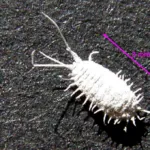 PestObscure mealybugPseudococcus viburni
Toxicity and pollen
No authoritative species-specific toxicity profile was located in the reviewed sources. Do not eat the plant, and avoid using it medicinally without expert identification and evidence. Handle fronds normally, but wash hands after extensive contact and keep unfamiliar plant material away from children and pets.
- Pollination / pollen
- Spores dispersed through the air
Ferns do not produce airborne pollen; they reproduce through spores. Spores can become airborne when sori mature, but species-specific respiratory allergy evidence for Polystichum luctuosum was not located. People with significant mold or environmental sensitivities should avoid inhaling dense spore clouds and maintain ordinary ventilation indoors.
Native habitat
The species occurs in humid subtropical and temperate regions from parts of the Himalaya, China, Japan, Korea and Vietnam to southern Africa, Madagascar and Réunion. It is associated with shaded, cool or moist terrestrial and lithophytic habitats, often where organic matter accumulates around rocks or woodland soil.
Interesting fact
The species is a triploid apomict, producing spores without relying on ordinary sexual reproduction. Mature plants can have crowded, arching fronds with strongly contrasting dark scales on the stipe and rachis. Its accepted range spans widely separated regions of Asia, Africa and the western Indian Ocean.
Frequently asked questions (FAQ)
The most relevant questions about this plant, with short and direct answers.
🌱Quick care
What is Polystichum luctuosum?⌄
Polystichum luctuosum is an evergreen or semi-evergreen shield fern in the family Dryopteridaceae. It is also documented under names including Korean rock fern, Tsushima holly fern, and mourning shield fern, although no single common name is used consistently in the United States.
How much light does Polystichum luctuosum need?⌄
Polystichum luctuosum grows best in shade to filtered light. Protect it from strong afternoon sun, which can scorch fronds and dry the soil too quickly; gentle morning light or bright indirect light is usually safer.
How often should I water Polystichum luctuosum?⌄
Water Polystichum luctuosum whenever the soil surface begins to dry, keeping the root zone evenly and moderately moist. Do not let the pot sit in standing water, because saturated conditions can encourage rhizome and root problems.
Is Polystichum luctuosum easy to grow?⌄
Polystichum luctuosum is reasonably low-maintenance when grown in shade, humus-rich soil, and consistent moisture. It is less forgiving of drought, intense sun, and hard freezes than many tougher garden ferns.
🌤️Environment and placement
Can Polystichum luctuosum grow indoors?⌄
Polystichum luctuosum can be grown indoors in bright, indirect light with moderate humidity and evenly moist soil. Keep it away from hot radiators, forced-air vents, and sunny windows that heat or dry the fronds.
Where should I plant Polystichum luctuosum outdoors?⌄
Plant Polystichum luctuosum in a sheltered, deeply shaded or lightly filtered location, such as a woodland bed, shaded rock garden, or moist area near a stream. Its natural habitats include shaded forests, ravines, rocks, and leaf litter.
Can Polystichum luctuosum tolerate full shade?⌄
Polystichum luctuosum generally tolerates full shade and often prefers deep shade in hot climates. Growth may be slower and fronds less dense in very low light, so filtered shade is preferable where available.
What USDA hardiness zone is Polystichum luctuosum?⌄
A dependable USDA hardiness-zone rating for Polystichum luctuosum is not consistently established in the available species-specific references. Treat it as a frost-sensitive fern unless a locally grown specimen has demonstrated winter hardiness in your area.
Can Polystichum luctuosum survive winter outdoors?⌄
Polystichum luctuosum should be protected from frost and hard freezes. In colder parts of the United States, grow it in a container and overwinter it in a cool, bright, frost-free space rather than leaving it exposed.
Does Polystichum luctuosum need high humidity?⌄
Polystichum luctuosum benefits from moderate to high humidity, especially indoors or in dry winter conditions. Use a humidifier, a naturally humid room, or a sheltered outdoor position, while still providing good air circulation.
💧Care and problems
What soil is best for Polystichum luctuosum?⌄
Use humus-rich, moisture-retentive soil that drains freely for Polystichum luctuosum. A blend containing compost or leaf mold with materials that improve drainage is suitable; avoid dense, compacted clay and rapidly drying sandy mixes.
Why are the fronds of my Polystichum luctuosum turning brown?⌄
Brown fronds on Polystichum luctuosum most often indicate drought stress, low humidity, excessive sun, or cold injury. Check soil moisture and exposure first, then remove only fully dead fronds and correct the environmental stress.
Why is Polystichum luctuosum losing leaves?⌄
Polystichum luctuosum may lose fronds after drought, transplant shock, low humidity, extreme heat, or frost. If the rhizome remains firm and new growth is healthy, consistent moisture and protection from further stress may allow recovery.
Should I fertilize Polystichum luctuosum?⌄
Polystichum luctuosum usually needs little fertilizer when planted in fertile, humus-rich soil. If growth is weak during the growing season, use a diluted balanced fertilizer sparingly, because excessive feeding can damage fern roots and fronds.
Does Polystichum luctuosum have common pests or diseases?⌄
Polystichum luctuosum can be affected by general fern problems such as scale insects, mealybugs, mites, and root or rhizome rot. Good drainage, adequate humidity, air circulation, and inspection of new plants help reduce these risks.
How do I clean Polystichum luctuosum fronds?⌄
Clean Polystichum luctuosum by gently rinsing dusty fronds with lukewarm water or using a soft brush. Avoid leaf-shine products, which can interfere with the fronds’ surface and may cause damage.
🪴Planting and repotting
How do I plant Polystichum luctuosum in the ground?⌄
Plant Polystichum luctuosum with the crown level with or just slightly above the soil surface, then water thoroughly. Add organic mulch around the plant without covering the crown, and keep the soil consistently moist while it establishes.
Can Polystichum luctuosum grow in a container?⌄
Polystichum luctuosum grows well in a container with drainage holes and a moisture-retentive but well-drained potting mix. Choose a pot only modestly larger than the root ball and expect to repot when roots fill the container.
When should I repot Polystichum luctuosum?⌄
Repot Polystichum luctuosum in spring or when the root ball has become crowded and water runs through the pot unusually quickly. Move it into a slightly larger container and disturb the rhizome and roots as little as possible.
✂️Propagation and pruning
How do you propagate Polystichum luctuosum?⌄
Polystichum luctuosum can be propagated by rhizome division or spores. Division is generally the more practical method for gardeners because the species is reported to be slow-growing, while spore propagation requires sterile technique and patience.
Can Polystichum luctuosum be grown from spores?⌄
Polystichum luctuosum can be grown from mature spores collected from the sori on the undersides of fronds. Sow them on a clean, sterile, consistently moist medium in humid conditions; development is slow and success is less predictable than division.
When can I divide Polystichum luctuosum?⌄
Divide Polystichum luctuosum in spring, preferably when active growth is beginning. Separate sections only when each division has a viable piece of rhizome and roots, then replant immediately and maintain steady moisture.
Should I prune Polystichum luctuosum?⌄
Prune Polystichum luctuosum only to remove dead, badly damaged, or diseased fronds. Cut them at the base with clean shears, and avoid removing healthy green fronds because they support the plant’s growth.
⚠️Toxicity and safety
Is Polystichum luctuosum toxic to cats and dogs?⌄
Species-specific toxicity information for Polystichum luctuosum is not well established. Because fern identification and safety data can be uncertain, keep it away from pets and children and contact a veterinarian or poison-control service if any part is eaten.
Is Polystichum luctuosum poisonous to humans?⌄
The human toxicity profile of Polystichum luctuosum is not clearly documented in the sources reviewed. Do not consume it, and wear gloves when handling the plant if you have sensitive skin.
🌸Flowering and special interest
Does Polystichum luctuosum flower?⌄
Polystichum luctuosum does not produce flowers because it is a fern. It reproduces through spores formed in sori, typically visible as small structures on the undersides of mature fronds.
What do the sori on Polystichum luctuosum look like?⌄
The sori of Polystichum luctuosum occur on the undersides of fertile fronds and are covered by persistent, rounded coverings called indusia. Their appearance can vary with frond maturity, so sori should not automatically be mistaken for pests or disease.
Similar plants
 Azure Monkshood (Aconitum carmichaelii) care guideAconitum carmichaelii
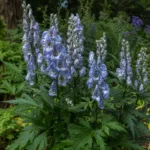 Monkshood (Aconitum ‘Stainless Steel’)Aconitum 'Stainless Steel'
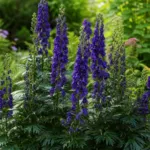 Monkshood (Aconitum ‘Bressingham Spire’)Aconitum 'Bressingham Spire'
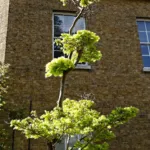 Golden full moon maple (Acer shirasawanum ‘Aureum’)Acer shirasawanum 'Aureum'
 Globosum (Acer platanoides ‘Globosum’)Acer platanoides 'Globosum'
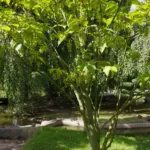 Striped maple (Acer pensylvanicum) care guideAcer pensylvanicum