
 Source:
 Beavertail Pricklypear (Opuntia basilaris) short overview
Beavertail Pricklypear is a compact southwestern cactus recognized by its broad, flattened blue-green pads and striking magenta spring flowers. Native to dry deserts and shrublands of the southwestern United States and northwestern Mexico, it performs best in full sun, fast-draining rocky soil, and restrained irrigation. Use it in xeric borders, rock gardens, or containers, taking care around glochids and avoiding winter-saturated soil.
Taxonomic classification
Beavertail Pricklypear (Opuntia basilaris) care guide
Light and placement
Give full sun, ideally at least 6 hours of direct light with the brightest exposure available. A south- or west-facing position is suitable, especially where winter rain can be excluded. Too little light causes weak, elongated pads and reduced flowering; abrupt transfer from shade to intense sun can scorch pads, so acclimate gradually.
Watering and humidity
Water deeply only after the mix has dried throughout, then let excess drain completely. During active summer growth, container plants may need water every 2–4 weeks depending on heat, pot size, and rain; established landscape plants often need little supplemental irrigation. Reduce sharply in fall and keep nearly dry in cool winter weather. Humidity does not replace watering and should not be trapped around the crown.
Soil and growing medium
Use a very sharply drained mineral substrate: sandy or gritty soil with gravel, pumice, or crushed rock is preferable to rich garden loam. In containers, use a cactus mix amended with extra mineral grit and a pot with an unobstructed drainage hole. A slightly acidic to slightly alkaline reaction is generally tolerated, but poor drainage is more damaging than imperfect pH.
Feeding
Feed sparingly, if at all. In containers, apply a dilute, low-nitrogen cactus fertilizer once in late spring and optionally once in early summer while the plant is actively growing. Do not fertilize dry, stressed, newly rooted, or dormant plants. Avoid rich compost and high-nitrogen fertilizer, which can produce weak, overly lush pads.
Growth and habit
This low, spreading cactus develops branching chains of flattened pads from a basal clump. Growth is seasonal, with activity concentrated in warm weather and a marked reduction during cool or wet periods. Keep the plant slightly elevated or on a slope so pads and crown remain dry; remove fallen pads that contact persistently damp soil.
Planting and repotting
Plant outdoors in spring after the site has warmed and the risk of prolonged cold, wet conditions has passed. Set the root ball at its original depth; do not bury the lower pads. Backfill with gritty soil, keep the crown dry, and water once to settle the roots, then allow the soil to dry thoroughly. Space plants about 24–36 inches apart for airflow and spreading growth.
Repot only when the container is crowded or the mix has degraded, preferably in spring or early summer during active growth. Let the soil dry, use thick gloves or folded cardboard to handle the pads, and allow damaged roots to callus briefly before watering. Choose a heavy, broad-based pot to reduce tipping.
Propagation and pruning
Propagation
Propagate readily from mature pads during the warm growing season. Cut or detach a healthy pad, let the wound callus for several days to about two weeks, then set the basal end shallowly into dry gritty mix. Begin light watering only after roots start forming. Seed propagation is possible but slower and more variable.
Pruning
Pruning is rarely needed. Remove damaged, diseased, or unwanted pads during warm, dry weather by cutting cleanly at a joint with sanitized tools. Let cut surfaces dry and callus before contact with soil. Wear thick gloves, eye protection, and long sleeves because glochids can become airborne during handling.
Overwintering
Keep the plant cold and dry rather than warm and wet. In regions with winter rain, use a rain shadow, porch, cold frame, or overhead cover with ventilation. Container plants can overwinter outdoors where their local winter minimum is suitable, but move them to a bright, frost-protected space if prolonged cold combines with wet soil. Do not water dormant plants unless severe shriveling indicates need.
Uses
Use as a drought-tolerant accent in rock gardens, gravel landscapes, native-plant beds, desert borders, and containers. Its flowers can contribute seasonal resources for native insects, while the pads and fruits have documented traditional food uses in some regional contexts. Handle with tools and protective gloves, and keep it away from high-traffic areas.
Appearance
The plant has thick, flattened, oval to obovate blue-green pads connected in a beavertail-like chain. Areoles bear fine glochids and may have few or no conspicuous long spines, depending on form. Pads are often broadest near the base and may wrinkle during drought. Flowers arise from pad margins or upper surfaces and contrast strongly with the glaucous stems.
Flowering
Flowers are produced from the margins and upper portions of mature pads, usually in spring to early summer. The blooms are showy and open in bright conditions, with magenta to pink petals and conspicuous yellow stamens. Flowering is strongest on well-established plants receiving intense sun and a dry winter rest.
Pollination and visitors
The open, pollen-rich flowers are visited by insects, including bees and beetles. A species-specific primary pollinator was not consistently documented in the sources reviewed, so no Latin pollinator name is assigned. Flower visitation should be strongest during the spring flowering period in warm, sunny weather.
Opuntia basilaris photos
Click any photo for a larger view. Source, author and license are shown separately.
Diseases and pests
Diseases
The main risk is rot caused by persistently wet soil, especially in cool weather. Plant only in sharply drained ground, avoid overhead irrigation, and remove soft, blackened tissue with a sterile blade. Allow cuts to dry before replanting. Good airflow and keeping pads off wet mulch help prevent secondary fungal problems.
Pests
Watch for cochineal scale, mealybugs, armored scale, and occasional spider mites. Inspect areoles and pad joints regularly; remove small infestations with a forceful water stream or cotton swab and suitable horticultural soap. Avoid routine spraying that leaves the plant wet. Improve light and airflow before using stronger controls.
Related diseases and pests
Only Plant Doctor profiles whose host data indicate this plant may be affected are shown here.
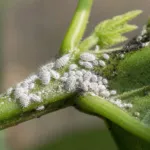 PestCotton mealybugPhenacoccus solenopsis Tinsley
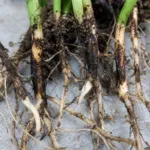 DiseaseBlack Root RotBerkeleyomyces basicola
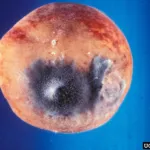 DiseaseRhizopus soft rotRhizopus stolonifer
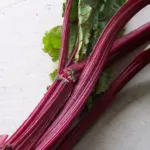 DiseaseBacterial soft rotPectobacterium carotovorum
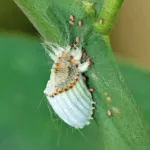 PestCottony Cushion ScaleIcerya purchasi
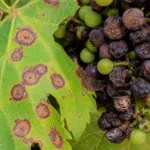 DiseaseBlack Rot of GrapePhyllosticta ampelicida (formerly Guignardia bidwellii)
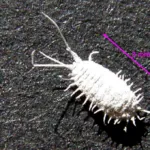 PestObscure mealybugPseudococcus viburni
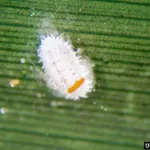 PestCitrus mealybugPlanococcus citri
Toxicity and pollen
No strong evidence was found establishing intrinsic poisonous chemistry for this exact species. The principal documented exposure hazards are mechanical: glochids and spines can penetrate skin, and plant sap or prickly surfaces may irritate. Fruits and pads are edible in some traditional and horticultural contexts only after careful removal of glochids; do not treat this as a recommendation for casual consumption.
- Pollination / pollen
- Flower-bound, insect-transferred pollen
This is an insect-pollinated cactus, but reliable species-specific airborne pollen and allergy data were not located. Its pollen is generally presented within flowers rather than released in windborne clouds. People with known cactus or floral allergies should still avoid handling flowers closely and monitor individual reactions.
Native habitat
It occurs in arid desert and dry-shrubland environments of the southwestern United States and northwestern Mexico, including parts of Arizona, California, Nevada, Utah, Baja California Norte, and Sonora. Natural sites are typically sunny, open, rocky, sandy, or gravelly, with low rainfall and rapid drainage.
Interesting fact
The flattened pads give the species its beavertail-like silhouette. It is native across parts of Arizona, California, Nevada, Utah, and northwestern Mexico. Unlike many larger prickly pears, it commonly forms a relatively low, spreading clump. Its fruits are known as tunas, although safe handling requires complete removal of glochids.
Frequently asked questions (FAQ)
The most relevant questions about this plant, with short and direct answers.
🌱Quick care
What is the best light for Beavertail Pricklypear?⌄
Give Beavertail Pricklypear full sun, ideally at least 6 hours of direct light daily. Strong light helps maintain compact pads and supports flowering.
How often should I water Opuntia basilaris?⌄
Water Opuntia basilaris thoroughly only after its soil has dried completely. Water less often during cool weather and keep it nearly dry in winter.
Is Beavertail Pricklypear easy to grow?⌄
Yes, Beavertail Pricklypear is relatively easy to grow when given strong sun, low water, and sharply draining soil. Most failures result from persistent moisture or insufficient light.
🌤️Environment and placement
Where should I plant Beavertail Pricklypear outdoors?⌄
Plant it in a sunny, open location with sandy or rocky soil that drains quickly. A raised bed, rock garden, or south-facing slope is preferable to a low, wet site.
What type of soil does Opuntia basilaris need?⌄
Use sandy, rocky, sharply drained cactus soil for Opuntia basilaris. Avoid heavy clay and amended garden soil that stays wet around the roots.
Can Beavertail Pricklypear grow in a container?⌄
Yes, Beavertail Pricklypear grows well in a container with drainage holes and a predominantly mineral cactus mix. Choose a stable, wide pot because mature plants can spread and become top-heavy.
Can Opuntia basilaris tolerate heat and drought?⌄
Yes, Opuntia basilaris is highly heat-tolerant and adapted to extended drought once established. Even drought-adapted plants need occasional deep watering during active growth if conditions are exceptionally hot and dry.
Is Beavertail Pricklypear cold-hardy?⌄
Beavertail Pricklypear can tolerate brief freezes when its soil and pads are kept dry. Cold, saturated soil greatly increases the risk of rot, so protect container plants and improve drainage in wet winter climates.
Can I grow Opuntia basilaris indoors?⌄
You can grow Opuntia basilaris indoors only in a very bright window or under a strong grow light. Indoor plants need excellent airflow, sparse watering, and a dry winter rest to avoid weak growth and rot.
💧Care and problems
Why is my Beavertail Pricklypear turning soft?⌄
Soft, translucent, or foul-smelling pads usually indicate rot caused by excess moisture. Remove affected tissue with a sterile tool, let healthy cut surfaces dry, and replant only in dry, sharply draining soil.
Why is my Opuntia basilaris wrinkled or shriveled?⌄
Wrinkled pads can indicate normal dehydration during drought or winter dormancy, but persistent shriveling may also result from damaged roots. Check that the roots are healthy and water deeply only when the soil is fully dry.
Why is my Beavertail Pricklypear growing tall or stretched?⌄
Tall, thin, or widely spaced growth usually means the plant is not receiving enough direct light. Move it gradually into stronger sun to reduce the risk of sunburn.
Does Opuntia basilaris need fertilizer?⌄
Opuntia basilaris usually needs little fertilizer. If growth is weak, apply a diluted, low-nitrogen cactus fertilizer once during active spring or summer growth, but do not fertilize a stressed or dormant plant.
What pests affect Beavertail Pricklypear?⌄
Scale insects, mealybugs, and cochineal insects can occasionally affect Beavertail Pricklypear. Treat small infestations by removing insects with a cotton swab or suitable labeled treatment, and correct poor airflow or overwatering.
How do I know whether white spots on Opuntia basilaris are normal?⌄
White spots may be harmless areoles, mineral residue, or cochineal insects depending on their texture and location. Cottony, clustered, or easily smeared growth is more suggestive of pests than the plant’s naturally patterned areoles.
🪴Planting and repotting
When is the best time to plant Beavertail Pricklypear?⌄
Plant Beavertail Pricklypear during the warm growing season after cold, wet conditions have passed. In areas with hot summers, spring or early fall is generally easier on newly planted roots than the hottest part of summer.
How deep should I plant an Opuntia basilaris pad?⌄
Plant a rooted pad only deep enough to support it, usually burying the lower portion rather than the entire pad. Keep most of the pad above the soil and do not water until the cut base has callused.
Does Beavertail Pricklypear need drainage gravel at the bottom of a pot?⌄
No, a gravel layer does not replace a well-draining potting mix and can leave a wetter zone above it. Use a pot with a drainage hole and mix coarse mineral material throughout the root zone.
Should I repot Opuntia basilaris every year?⌄
No, Opuntia basilaris generally needs repotting only when it is root-bound, unstable, or growing in degraded soil. Repot during active growth and keep the plant dry for several days afterward.
✂️Propagation and pruning
How do I propagate Beavertail Pricklypear from a pad?⌄
To propagate Beavertail Pricklypear, remove a healthy pad, let the cut end callus for several days, and place the base on dry, sharply draining soil. Once roots form, begin light watering only after the mix has dried.
Can I root an Opuntia basilaris pad without water?⌄
Yes, an Opuntia basilaris pad can form roots while resting on dry soil without immediate watering. Waiting for roots before watering reduces the chance that the cut surface will rot.
Can Beavertail Pricklypear be grown from seed?⌄
Yes, Beavertail Pricklypear can be grown from seed, but germination may be slow or uneven and seedlings develop more slowly than pad cuttings. Fresh, properly cleaned seed and warm conditions improve the chances of success.
When should I prune Opuntia basilaris?⌄
Prune Opuntia basilaris during warm, dry weather when wounds can callus quickly. Remove dead, damaged, diseased, or badly misplaced pads with clean tools, and allow cut surfaces to dry before rain or watering.
Can I replant a broken Beavertail Pricklypear pad?⌄
Yes, a healthy broken pad can often be replanted after its wound has dried and callused. Set it upright or on its edge in dry cactus soil and avoid watering until rooting begins.
⚠️Toxicity and safety
Is Beavertail Pricklypear poisonous to people or pets?⌄
Beavertail Pricklypear has no established intrinsic poisoning classification, but its spines and tiny glochids can cause painful mechanical injury. Keep it away from walkways, children, and pets, and handle it with thick gloves and tools.
Are Beavertail Pricklypear glochids dangerous?⌄
Yes, the tiny barbed glochids can lodge in skin, clothing, or fur and are difficult to remove. Avoid touching pads bare-handed and use long-handled tools when planting or pruning.
Can I plant Opuntia basilaris near a walkway?⌄
It is better to keep Opuntia basilaris away from walkways, patios, and high-traffic areas because pads and glochids can injure people or animals. Use it as a contained accent in a rock garden or protected bed instead.
🌸Flowering and special interest
What color are Beavertail Pricklypear flowers?⌄
Beavertail Pricklypear typically produces showy pink to rose-colored flowers. Flower color can vary somewhat among plants and populations.
When does Opuntia basilaris bloom?⌄
Opuntia basilaris generally blooms in spring to early summer, depending on local climate and elevation. Mature, well-lit plants are more likely to flower reliably than young or heavily shaded plants.
Why is my Beavertail Pricklypear not flowering?⌄
A young plant, insufficient direct sun, excess water, or inadequate winter rest can reduce flowering. Provide full sun, avoid fertilizer-heavy growth, and keep the plant cool and dry during winter while protecting it from prolonged wet conditions.
Does Beavertail Pricklypear produce fruit?⌄
Yes, Beavertail Pricklypear can produce fruit after flowering and pollination. Fruit production is less reliable on isolated, immature, or stressed plants.
Similar plants
 Azure Monkshood (Aconitum carmichaelii) care guideAconitum carmichaelii
 Monkshood (Aconitum ‘Stainless Steel’)Aconitum 'Stainless Steel'
 Monkshood (Aconitum ‘Bressingham Spire’)Aconitum 'Bressingham Spire'
 Golden full moon maple (Acer shirasawanum ‘Aureum’)Acer shirasawanum 'Aureum'
 Globosum (Acer platanoides ‘Globosum’)Acer platanoides 'Globosum'
 Striped maple (Acer pensylvanicum) care guideAcer pensylvanicum