
 Source:
 He Boston sword fe (Nephrolepis exaltata) short overview
he Boston sword fe, Nephrolepis exaltata, is a lush tropical and subtropical fern valued for its dense crown of arching green fronds. It performs best in bright filtered light, consistently moist but well-drained organic soil, and moderate to high humidity. In the United States it is commonly grown indoors, in hanging baskets, on shaded porches, or outdoors year-round only in warm, frost-free climates. Protect it from cold drafts, direct afternoon sun, and drying conditions.
Taxonomic classification
He Boston sword fe (Nephrolepis exaltata) care guide
Light and placement
Place indoors near an east- or north-facing window, or slightly back from a bright south- or west-facing window behind a sheer curtain. Outdoors, choose bright shade or filtered light beneath open tree cover. Bleached, crispy fronds suggest too much direct sun or dryness; very sparse, weak growth suggests insufficient light. Avoid hot afternoon exposure and cold drafts.
Watering and humidity
Water when the surface just begins to feel dry, then soak the mix thoroughly until excess drains from the pot. Do not let the root ball dry completely, but never leave the container standing in water. Water more frequently during warm, bright summer growth and less often in cool, dim winter conditions. Use room-temperature water when possible.
Soil and growing medium
Use a loose, humus-rich mix that holds moisture without becoming waterlogged. A peat-based or coco-coir potting mix amended with perlite, fine bark, or another aerating material works well. Slightly acidic to neutral conditions are suitable. Avoid dense garden soil in containers because compacted roots and stagnant water can cause decline.
Feeding
Feed during active growth in spring and summer with a complete liquid houseplant fertilizer diluted to half the label strength about every 4–6 weeks. Water first if the mix is dry. Reduce or stop feeding in low-light winter conditions, and avoid heavy fertilizer after repotting until new growth resumes.
Growth and habit
The plant forms a dense crown of fronds and may gradually expand by producing additional crowns or runners. Growth is strongest in warmth, bright filtered light, steady moisture, and humid air. Dryness commonly causes browning leaflet tips and frond drop, while excessive shade can produce weaker, more open growth.
Planting and repotting
Plant outdoors only after frost danger has passed in warm climates, setting the crown at the same depth as it was growing in its container. Space plants about 18–24 inches apart when establishing a mass, allowing room for fronds to arch outward. Water consistently during establishment and mulch lightly without covering the crown.
Repot in spring when roots have filled the container or the potting mix has broken down. Move up only one pot size, preserve the crown at its original level, and water thoroughly afterward. If the plant is root-bound but otherwise healthy, division is often more useful than repeatedly shifting it into a much larger pot.
Propagation and pruning
Propagation
Divide established crowns in spring, separating rooted growing points with attached fronds. Spore propagation is possible but slow and requires sterile, consistently moist conditions; it is mainly used for conservation, breeding, or specialist fern production rather than routine home propagation.
Pruning
Remove yellow, brown, damaged, or badly tangled fronds at the base with clean scissors. Avoid routine shearing of all foliage because the crown needs healthy fronds to recover. Grooming is most effective during active growth, when new fronds can replace removed foliage.
Overwintering
Move container plants indoors before nighttime temperatures regularly fall below about 55°F. Give bright filtered light, maintain humidity, keep the mix lightly but consistently moist, and reduce feeding during winter. In warm Zones 10–12, outdoor plants still need protection from unusual cold snaps and drying winds.
Uses
Used primarily as an indoor foliage plant, hanging-basket fern, shaded patio accent, and warm-climate landscape groundcover or container plant. It is especially effective where arching fronds soften edges and provide dense green texture. Do not present it as an edible or medicinal plant without separate, species-specific evidence.
Appearance
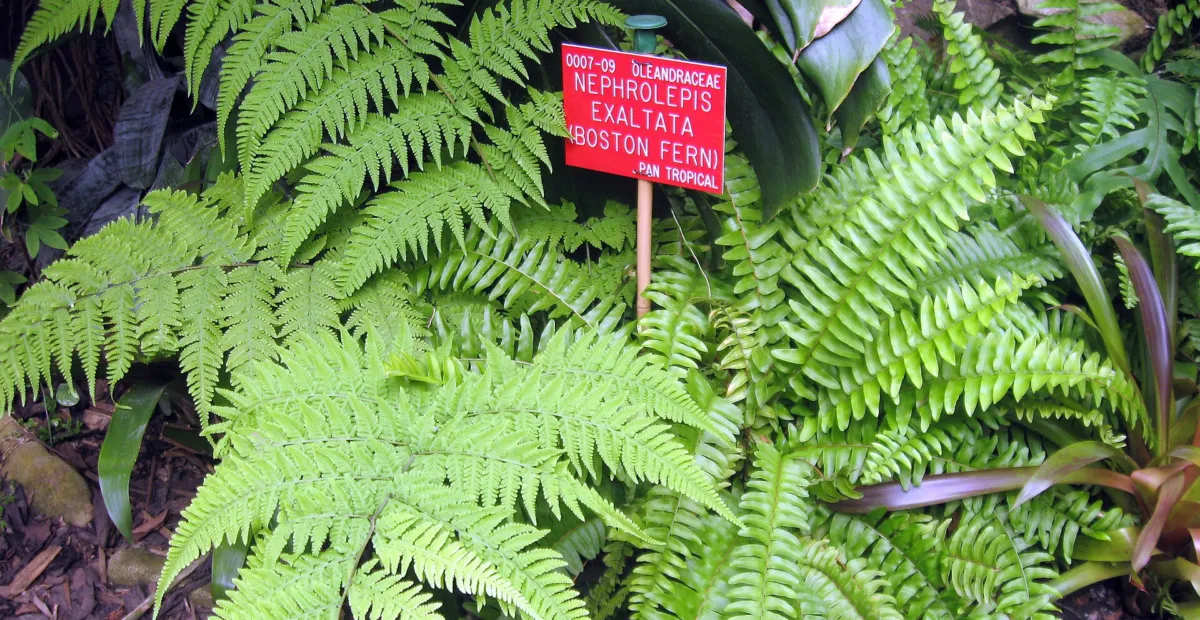
The plant has a central crown bearing long, arching fronds divided into many narrow, pointed green pinnae. The fronds create a soft fountain-like outline, while mature undersides may show regularly arranged brown sori. Individual cultivated forms can vary from upright to strongly cascading, so frond habit alone is not always sufficient for identification.
Pollination and visitors
No animal pollinator relationship is documented for this non-flowering fern. Its reproductive cycle involves spores and free-living gametophytes rather than nectar-producing flowers visited by bees or butterflies.
Nephrolepis exaltata photos
Click any photo for a larger view. Source, author and license are shown separately.
Diseases and pests
Diseases
Prevent disease by avoiding chronically saturated soil, poor air circulation, and overhead watering late in the day. Root and crown rots may develop in waterlogged media; remove affected tissue, replace contaminated mix, and improve drainage. Leaf spots are best managed by removing badly affected fronds and keeping foliage drier while maintaining humidity around the plant.
Pests
Spider mites, scale, mealybugs, thrips, and fungus gnats can occur, especially under dry indoor conditions. Inspect frond bases and undersides regularly. Improve humidity and airflow, isolate affected plants, wash foliage when practical, and use insecticidal soap or horticultural oil according to the product label. Avoid treating drought-stressed fronds.
Related diseases and pests
Only Plant Doctor profiles whose host data indicate this plant may be affected are shown here.
 Environmental stressPoor drainage stress (waterlogging)
 Environmental stressWaterlogging
 PestOnion thripsThrips tabaci Lindeman
 PestMelon thripsThrips palmi Karny
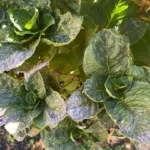 PestChilli thripsScirtothrips dorsalis Hood
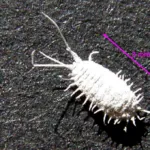 PestObscure mealybugPseudococcus viburni
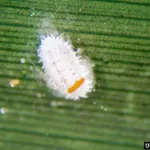 PestCitrus mealybugPlanococcus citri
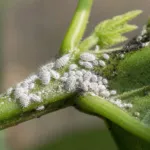 PestCotton mealybugPhenacoccus solenopsis Tinsley
Toxicity and pollen
ASPCA lists Nephrolepis exaltata as non-toxic to dogs and cats. Normal handling is not considered hazardous, but plant material should not be deliberately eaten, and any ingestion of an unfamiliar plant or large quantity should be discussed with a physician or veterinarian.
- Typical season
- Not applicable; this fern produces spores rather than pollen
- Pollination / pollen
- Fern spores released from sori; not pollen
Ferns do not produce pollen. Nephrolepis exaltata releases spores from sori rather than airborne pollen grains. Spores can become airborne when mature, but this is biologically different from pollen exposure; sensitive individuals should still avoid inhaling concentrated dust from very dry or heavily sporulating fronds.
Native habitat
In nature it occurs in tropical and subtropical American habitats including humid forests, swamps, rocky sites, fallen trunks, and other moist sheltered places. Depending on local conditions, it may grow terrestrially or epiphytically. It favors warm climates, organic substrates, reliable moisture, and protection from prolonged cold.
Interesting fact
Nephrolepis exaltata is an accepted species with a native range centered in tropical and subtropical America. It can grow terrestrially, epiphytically, or on rocks in humid habitats. The familiar Boston fern sold in cultivation includes selected forms and cultivars derived from this species, so nursery plants may differ substantially in frond shape.
Frequently asked questions (FAQ)
The most relevant questions about this plant, with short and direct answers.
🌱Quick care
What is he Boston sword fe (Nephrolepis exaltata)?⌄
he Boston sword fe is a tropical-to-subtropical sword fern commonly grown as an indoor plant in the United States. It produces arching, finely divided fronds and prefers bright filtered light, steady moisture, warmth, and humidity.
How do you care for Nephrolepis exaltata indoors?⌄
Give Nephrolepis exaltata bright filtered light, evenly moist soil, high humidity, and a loose, moisture-retentive potting mix that drains well. Protect it from drafts, heaters, and direct afternoon sun.
🌤️Environment and placement
How much light does Nephrolepis exaltata need?⌄
Nephrolepis exaltata grows best in bright, filtered or indirect light, although it can tolerate some shade. Direct hot sun can scorch the fronds, while very low light may cause sparse growth and leaf drop.
Can Nephrolepis exaltata grow in low light?⌄
Nephrolepis exaltata can tolerate moderate shade but usually performs better in bright indirect light. In a dark room, growth may become thin and fronds may shed more readily.
Is a bathroom a good place for Nephrolepis exaltata?⌄
A bright bathroom can be an excellent location because its humidity often suits Nephrolepis exaltata. The room must still provide enough natural or supplemental filtered light.
What temperature is best for Nephrolepis exaltata?⌄
Keep Nephrolepis exaltata warm, generally around 60–70°F indoors, and protect it from cold drafts and sudden temperature changes. It is not frost-tolerant and is usually overwintered indoors outside warm climates.
How much humidity does Nephrolepis exaltata need?⌄
Nephrolepis exaltata prefers high humidity, especially during winter when indoor heating dries the air. A humidifier or naturally humid room is generally more reliable than occasional misting alone.
💧Care and problems
How often should you water Nephrolepis exaltata?⌄
Water Nephrolepis exaltata whenever the surface of the mix begins to dry, keeping the root zone evenly moist but not saturated. Watering frequency varies with light, temperature, pot size, and indoor humidity.
Why are my Nephrolepis exaltata fronds turning brown and crispy?⌄
Brown, crispy fronds usually indicate dry soil, low humidity, excessive heat, or too much direct sun. Check moisture and humidity first, then move the plant away from heaters and harsh sunlight.
Why is Nephrolepis exaltata losing leaves?⌄
Leaf drop commonly results from dry soil, low humidity, low light, temperature stress, or a recent change in location. Improve moisture consistency and humidity while providing bright filtered light.
Can you overwater Nephrolepis exaltata?⌄
Yes, overwatering can cause root rot even though Nephrolepis exaltata likes consistently moist soil. Use a drainage-hole container and do not leave the pot standing in water.
How can you tell if Nephrolepis exaltata has root rot?⌄
Root rot is suggested by persistently wilted foliage, yellowing fronds, sour-smelling soil, or roots that are brown and mushy rather than firm and pale. Remove damaged roots and repot into fresh, well-drained mix.
Should you mist Nephrolepis exaltata?⌄
Misting may provide brief surface moisture but is not a dependable way to raise humidity around Nephrolepis exaltata. Use a humidifier, a naturally humid room, or grouped plants for more consistent conditions.
Why is my Nephrolepis exaltata not growing new fronds?⌄
Slow or stalled growth is often caused by inadequate light, dry soil, low humidity, cool temperatures, or depleted potting mix. Correct those conditions and check that the roots are not crowded or damaged.
🪴Planting and repotting
What soil is best for Nephrolepis exaltata?⌄
Use a loose, humus-rich mix that retains moisture while draining freely, such as quality indoor potting mix amended with fine bark, coco coir, or perlite. Avoid dense garden soil in containers.
When should you repot Nephrolepis exaltata?⌄
Repot Nephrolepis exaltata when roots fill the container, the mix breaks down, or water runs through unusually quickly. Spring or early summer is usually the least stressful time, and the new pot should be only slightly larger.
Can Nephrolepis exaltata be grown outdoors?⌄
Nephrolepis exaltata can grow outdoors in warm, humid areas with filtered light and protection from harsh sun. In regions with frost or freezing temperatures, bring it indoors before cold weather arrives.
✂️Propagation and pruning
How do you propagate Nephrolepis exaltata?⌄
The most practical method is division: separate a mature clump into sections with roots and growing points, then pot each section in moist, well-drained mix. Keep divisions warm, humid, and out of direct sun while they establish.
Can Nephrolepis exaltata be grown from spores?⌄
Yes, Nephrolepis exaltata produces spores on the undersides of mature fronds, but spore propagation is slower and more involved than division. Division is usually the better method for home growers.
Should you cut off dead fronds from Nephrolepis exaltata?⌄
Yes, remove fully brown or dead fronds at the base with clean scissors to improve appearance and airflow. Avoid removing healthy green fronds unless pruning is needed to control size.
⚠️Toxicity and safety
Is Nephrolepis exaltata toxic to dogs?⌄
Nephrolepis exaltata is listed as non-toxic to dogs. Eating large amounts of any plant material can still cause mild stomach upset, so prevent excessive chewing.
Is Nephrolepis exaltata toxic to cats?⌄
Nephrolepis exaltata is listed as non-toxic to cats. Even non-toxic plants may cause temporary digestive upset if a cat eats a large quantity.
Is Nephrolepis exaltata safe for children?⌄
Nephrolepis exaltata is generally regarded as a non-toxic ornamental fern, but children should not be encouraged to eat plants or potting mix. Keep containers and fertilizers out of reach.
🌸Flowering and special interest
Does Nephrolepis exaltata produce flowers?⌄
No, Nephrolepis exaltata does not produce flowers because it is a fern. It reproduces through spores, which appear as small dots or clusters on the undersides of mature fronds.
Similar plants
 Azure Monkshood (Aconitum carmichaelii) care guideAconitum carmichaelii
 Monkshood (Aconitum ‘Stainless Steel’)Aconitum 'Stainless Steel'
 Monkshood (Aconitum ‘Bressingham Spire’)Aconitum 'Bressingham Spire'
 Golden full moon maple (Acer shirasawanum ‘Aureum’)Acer shirasawanum 'Aureum'
 Globosum (Acer platanoides ‘Globosum’)Acer platanoides 'Globosum'
 Striped maple (Acer pensylvanicum) care guideAcer pensylvanicum