
 Source:
 Sweet wild banana (Musa balbisiana) short overview
Sweet wild banana is a vigorous, seed-bearing banana species native to tropical and subtropical Asia. It forms a tall pseudostem from tightly wrapped leaf sheaths and produces large, paddle-shaped leaves followed by a hanging inflorescence with separate female and male flowers. Its firm, seedy fruits are important mainly as a wild genetic resource and ancestor of many cultivated plantains, while the plant itself is best grown in the United States as a warm-season tropical specimen or protected container plant.
Taxonomic classification
Sweet wild banana (Musa balbisiana) care guide
Light and placement
Give this banana full sun, ideally in a warm, sheltered site with a southern or southeastern exposure. In very hot climates, light afternoon shade can reduce leaf scorch. Long, weak leaves, slow growth and poor flowering suggest inadequate light; bleached patches, crisp margins and wind damage indicate excessive exposure or heat stress rather than a need for deep shade.
Watering and humidity
Water deeply whenever the surface begins to dry, keeping the root zone evenly moist but never waterlogged. Plants in containers may need watering daily during hot summer weather, while outdoor plants usually need less frequent irrigation in cool or rainy periods. Maintain good humidity around indoor plants, but allow foliage and the soil surface to dry enough between waterings to discourage fungal problems.
Soil and growing medium
Use fertile, moisture-retentive soil amended with compost, but preserve rapid drainage around the corm and roots. A loam-based mix with coarse organic matter works well in containers. Avoid compacted clay and permanently saturated sites. Slightly acidic to neutral conditions are suitable; chlorosis in alkaline soil may indicate limited iron or other micronutrient availability.
Feeding
Feed actively growing plants every 2–4 weeks with a complete balanced fertilizer at the label rate, or use a controlled-release product supplemented with compost. Heavy feeders benefit from adequate potassium once flowering or fruit development begins. Do not fertilize dormant, cold-stressed or recently root-damaged plants, and flush containers periodically to limit salt buildup.
Growth and habit
This species grows from a corm-like rhizome and produces new shoots around the parent plant. Each pseudostem flowers once and then declines, while replacement suckers continue the clump. The large seasonal canopy is easily torn by wind, so a protected planting site and selective removal of damaged stems help maintain a tidy specimen.
Planting and repotting
Plant in spring when nights are reliably warm. Choose a wind-sheltered location and prepare a broad area of fertile, well-drained soil. Set divisions or rooted suckers at their previous depth, water thoroughly and mulch without touching the pseudostem. Establishment is fastest when soil moisture remains even through the first active growing season.
Repot container plants in spring when roots fill the pot or suckers crowd the container. Move to a heavy, stable pot only one size larger, using a fertile but sharply draining mix. Handle the corm carefully, keep the pseudostem at its former depth and water thoroughly after transplanting.
Propagation and pruning
Propagation
Propagate from fresh seed or by separating vigorous suckers with a portion of corm and healthy roots. Sow seed in a warm, sterile, consistently moist medium; germination can be slow and uneven. Divide suckers during active warm growth, then keep them shaded from harsh sun until roots re-establish.
Pruning
Remove dead, collapsed or badly torn leaves at the base with clean tools. After a pseudostem has flowered and finished fruiting, cut it down close to the ground once the stem has clearly declined. Retain several strong replacement suckers and remove excess shoots if the clump becomes crowded.
Overwintering
In the United States, move container plants indoors before nights approach 50°F. Provide the brightest available light, reduce watering as growth slows and stop feeding during cool dormancy. Outdoor plants in marginal warm climates may be cut back after frost and heavily mulched, but reliable survival and fruiting should not be expected outside frost-free regions.
Uses
The species is valuable as a wild genetic resource and as an ancestor contributing traits to cultivated plantains and banana hybrids. Its fruits are edible in principle but contain many hard seeds and are not comparable to common seedless dessert bananas. Leaves and fiber may have practical traditional uses in its native range. In the United States, it is mainly a collector’s specimen, tropical foliage plant or protected container subject.
Appearance
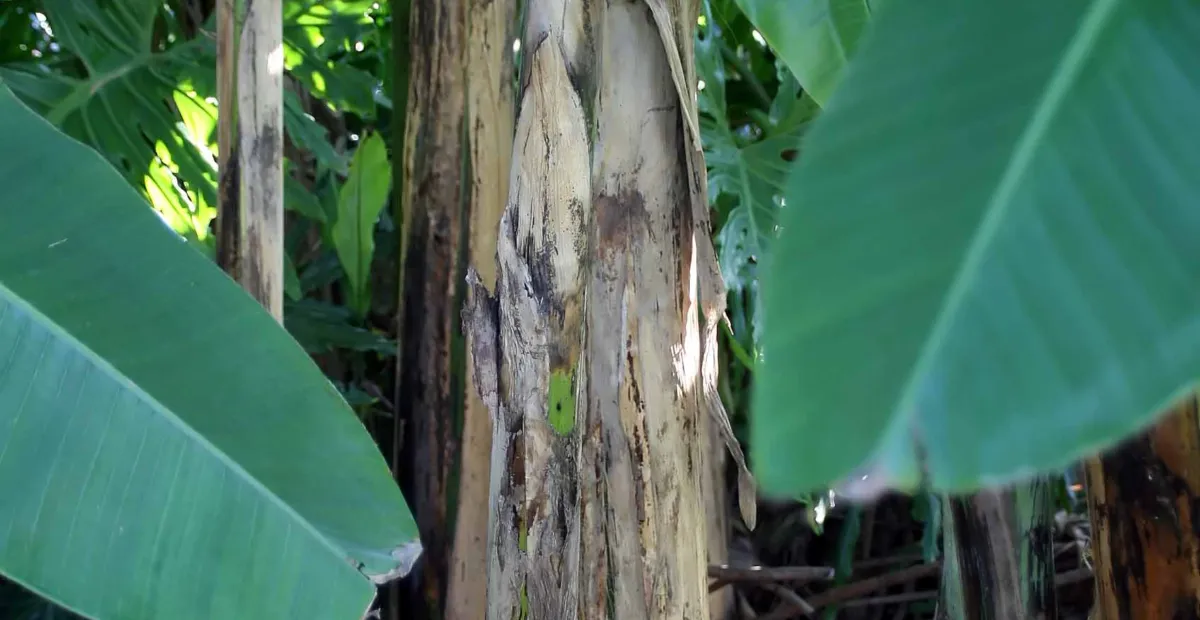
The apparent trunk is a pseudostem made from overlapping leaf sheaths rather than woody tissue. Leaves are broad, green and strongly ribbed, with long blades that can exceed 6 feet in favorable conditions. The upright clump, waxy sheaths and large terminal inflorescence help distinguish this wild banana from ordinary seedless cultivars.
Flowering
The inflorescence is produced terminally on a mature pseudostem. Female flowers occur nearer the base and can develop into seeded fruits; male flowers occur toward the distal portion beneath or around the terminal bud. Flowering is favored by sustained warmth and a long growing season, and the flowering stem declines after fruiting.
Pollination and visitors
Wild Musa flowers require pollination for normal seed and fruit development. Banana inflorescences are visited by insects, but a consistently documented primary visitor species for Musa balbisiana in United States gardens was not established. The species should therefore be treated as an insect-visited banana rather than assigned a specific bee, butterfly or bird pollinator without local evidence.
Musa balbisiana photos
Click any photo for a larger view. Source, author and license are shown separately.
Diseases and pests
Diseases
Prevent problems with clean propagation material, good air movement, sound drainage and avoidance of overhead watering. Watch for leaf-spot symptoms, soft corm or pseudostem tissue, and sudden wilt. Remove badly infected tissue, isolate affected containers and discard plants with advanced rot rather than repeatedly saturating the soil.
Pests
Inspect leaf undersides and new growth for spider mites, thrips, aphids, scale and mealybugs, especially indoors. Rinse foliage, improve humidity for mite-prone plants without keeping leaves constantly wet, and use insecticidal soap or horticultural oil according to the label. Remove heavily infested leaves and quarantine new plants.
Related diseases and pests
Only Plant Doctor profiles whose host data indicate this plant may be affected are shown here.
 PestCitrus mealybugPlanococcus citri
 DiseaseFusarium wiltFusarium oxysporum species complex
 PestBrown Soft ScaleCoccus hesperidum
 PestCalifornia red scaleAonidiella aurantii
 Environmental stressChilling injury
 DiseaseRhizopus soft rotRhizopus stolonifer
 DiseaseBacterial soft rotPectobacterium carotovorum
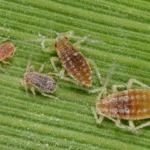 PestMealy Plum AphidHyalopterus pruni (Geoffroy, 1762)
Toxicity and pollen
Authoritative species-specific human and pet toxicity assessments were not located. The fruit and other parts have documented food or traditional uses in the native range, but the wild fruit is highly seedy and should not be treated as an ordinary dessert banana. Avoid ingestion of unfamiliar plant material, supervise children and pets, and seek medical or veterinary advice after significant exposure.
- Typical season
- During flowering in warm summer conditions
- Pollination / pollen
- Heavy floral pollen associated mainly with flower visitors rather than long-distance airborne dispersal
This flowering species produces pollen, but banana pollen is generally associated with the inflorescence and animal-mediated flower transfer rather than broad, windborne dispersal. Species-specific allergy studies for Musa balbisiana are limited, so a low rating reflects limited evidence of airborne exposure, not proof of zero allergy risk. Sensitive people should avoid handling flowers and seek medical guidance for symptoms.
Native habitat
In its native range, this banana occurs in tropical and subtropical Asian environments, especially warm forest margins, disturbed ground and other moist sites with a long growing season. It favors fertile soils and abundant moisture but is not adapted to prolonged freezing. Its wild populations are important reservoirs of traits such as hardiness, drought response and disease resistance used in banana breeding.
Interesting fact
Musa balbisiana is one of the principal wild ancestors of cultivated plantains and contributes the B genome to many banana hybrids. Unlike most commercial bananas, the wild fruit contains numerous large seeds. The plant is a giant herb, not a tree: its apparent trunk is a pseudostem, and the flowering shoot dies after fruiting while new suckers continue the clump.
Frequently asked questions (FAQ)
The most relevant questions about this plant, with short and direct answers.
🌱Quick care
How do you care for sweet wild banana (Musa balbisiana)?⌄
Grow sweet wild banana in full sun to partial shade, fertile well-drained soil, and consistently moist conditions. Protect it from frost, strong winds, and prolonged cold.
Is Musa balbisiana a tree or a herbaceous perennial?⌄
Musa balbisiana is a large herbaceous perennial, not a true tree. Its apparent trunk is a pseudostem made from overlapping leaf bases.
How big does sweet wild banana get?⌄
Sweet wild banana commonly reaches about 15 feet tall and wide in favorable conditions, although size varies with climate, soil, and growing season length.
🌤️Environment and placement
What light does Musa balbisiana need?⌄
Musa balbisiana grows best in full sun, but it tolerates partial shade. Provide at least 6 hours of direct sunlight when possible for stronger growth and better flowering potential.
What USDA hardiness zones can grow sweet wild banana?⌄
Sweet wild banana is generally listed for USDA Zones 8a through 11b, but frost can still damage the foliage and pseudostems. In cooler parts of Zone 8, protect the rhizomes with deep mulch or grow it in a container.
Can Musa balbisiana survive winter outdoors?⌄
Musa balbisiana is frost tender and may die back after freezing weather. In marginal climates, cut back frost-damaged growth, mulch the base heavily, and protect the underground rhizome from prolonged freezes.
Can sweet wild banana grow indoors?⌄
Sweet wild banana can be overwintered indoors in a large container if it receives strong sunlight and adequate humidity. Its mature size makes it difficult to maintain as a long-term houseplant in ordinary rooms.
Where should I plant Musa balbisiana outdoors?⌄
Choose a warm, sheltered location with full sun to partial shade, fertile soil, reliable moisture, and excellent drainage. Avoid exposed sites because the very large leaves tear easily in strong wind.
💧Care and problems
How often should I water sweet wild banana?⌄
Water sweet wild banana whenever the soil surface begins to dry, keeping the root zone consistently moist but not waterlogged. Increase watering during hot, dry weather and reduce it during cool winter dormancy.
What soil is best for Musa balbisiana?⌄
Use fertile, loamy, humus-rich soil that drains freely while retaining moisture. Incorporating compost or other organic matter can improve both fertility and moisture consistency.
Does Musa balbisiana need fertilizer?⌄
Yes, Musa balbisiana benefits from regular feeding during active growth because it produces substantial foliage. Apply a balanced fertilizer according to the product label, and avoid fertilizing heavily when the plant is dormant or cold-stressed.
Why are the leaves of my sweet wild banana tearing?⌄
Torn leaves are usually caused by wind, heavy rain, handling, or normal aging rather than a serious disease. Planting in a sheltered location helps, but some leaf tearing is unavoidable because the blades are very large.
What pests affect Musa balbisiana?⌄
Outdoor Musa balbisiana may be attacked by grasshoppers, borers, and root nematodes, while indoor plants can develop aphids, spider mites, mealybugs, or scale. Inspect leaves and pseudostems regularly and treat infestations promptly with a suitable labeled product.
What diseases can affect sweet wild banana?⌄
Sweet wild banana can be susceptible to anthracnose, wilt, and mosaic virus. Good drainage, clean tools, adequate spacing, and removal of severely diseased tissue can reduce problems, but virus-infected plants may need removal.
🪴Planting and repotting
When is the best time to plant Musa balbisiana?⌄
Plant Musa balbisiana outdoors in spring after the threat of frost has passed and the soil has warmed. This gives the rhizome and young plant a full growing season to establish before cold weather.
Can sweet wild banana grow in a container?⌄
Yes, sweet wild banana grows in a large container filled with fertile, well-drained potting mix. Choose a heavy pot with drainage holes, allow room for clumping, and move it indoors before the first frost.
How much space does Musa balbisiana need?⌄
Allow roughly 12 to 24 feet of horizontal space for a mature Musa balbisiana clump. Give it additional clearance from buildings, walkways, and overhead structures because the leaves and suckers spread widely.
Should I repot sweet wild banana every year?⌄
Repot sweet wild banana when roots fill the container or growth becomes crowded, usually every one to two years in vigorous plants. Move it into only the next larger pot to reduce the risk of persistently wet soil.
✂️Propagation and pruning
How do you propagate Musa balbisiana?⌄
Musa balbisiana is most reliably propagated by separating rooted suckers from the parent clump. Seed propagation is also possible for true wild, seeded plants, but germination and seedling development can be slower and less uniform.
Can you grow sweet wild banana from seed?⌄
Yes, true Musa balbisiana can be grown from its numerous hard seeds, although germination may be slow and irregular. Use fresh, viable seed, warm conditions, and a consistently moist but well-drained medium.
Should I cut back Musa balbisiana after frost?⌄
Cut frost-killed leaves and pseudostem tissue back to healthy material after a freeze. In climates where the rhizome can survive, leave a short protected stump, mulch the base, and remove damaged growth in spring as new shoots emerge.
Does Musa balbisiana need pruning?⌄
Routine pruning is limited to removing dead, damaged, or overcrowded leaves and pseudostems. Remove spent pseudostems after fruiting because an individual banana pseudostem flowers and fruits only once before dying.
⚠️Toxicity and safety
Is Musa balbisiana toxic to people or pets?⌄
Species-specific toxicity information for Musa balbisiana is insufficient to confirm that every plant part is safe for people or pets. Do not allow children or animals to ingest unidentified plant material, and use extra caution with raw, seeded fruit.
Can you eat Musa balbisiana fruit?⌄
Musa balbisiana fruit may be edible when fully ripe and cooked, but wild forms typically contain many hard seeds and may have little usable pulp. Do not assume a plant sold under a banana name is seedless or suitable for raw eating.
Are sweet wild banana leaves edible or useful?⌄
The leaves are commonly used as food wrappers or serving material, but they should be clean and free from pesticide residues. Their culinary use does not establish that every plant part is safe to eat.
🌸Flowering and special interest
When does Musa balbisiana flower?⌄
Musa balbisiana can flower after it reaches sufficient maturity and receives enough warmth and active-season growth. Flowering may occur seasonally, but timing varies substantially by climate, plant age, and growing conditions.
What do sweet wild banana flowers look like?⌄
Sweet wild banana produces cream to white flowers surrounded by reddish-purple bracts on a long, hanging inflorescence. Female flowers develop above the male flowers and can be followed by clusters of seeded fruit.
Does Musa balbisiana produce edible bananas?⌄
Musa balbisiana can produce yellow fruit, but wild fruit is usually seedy, fibrous, and less convenient to eat than cultivated dessert bananas. Its greater value may be ornamental, culinary, or genetic rather than as a source of seedless table fruit.
Does Musa balbisiana need pollination to produce fruit?⌄
True wild Musa balbisiana generally forms seeded fruit through sexual reproduction and may involve pollination, unlike many seedless cultivated bananas that develop fruit without fertilization. Fruit set can therefore vary with flowering conditions and pollinator access.
Similar plants
 Azure Monkshood (Aconitum carmichaelii) care guideAconitum carmichaelii
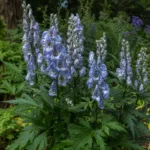 Monkshood (Aconitum ‘Stainless Steel’)Aconitum 'Stainless Steel'
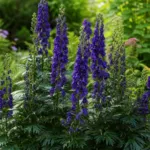 Monkshood (Aconitum ‘Bressingham Spire’)Aconitum 'Bressingham Spire'
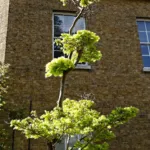 Golden full moon maple (Acer shirasawanum ‘Aureum’)Acer shirasawanum 'Aureum'
 Globosum (Acer platanoides ‘Globosum’)Acer platanoides 'Globosum'
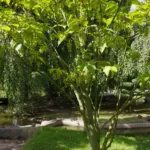 Striped maple (Acer pensylvanicum) care guideAcer pensylvanicum