
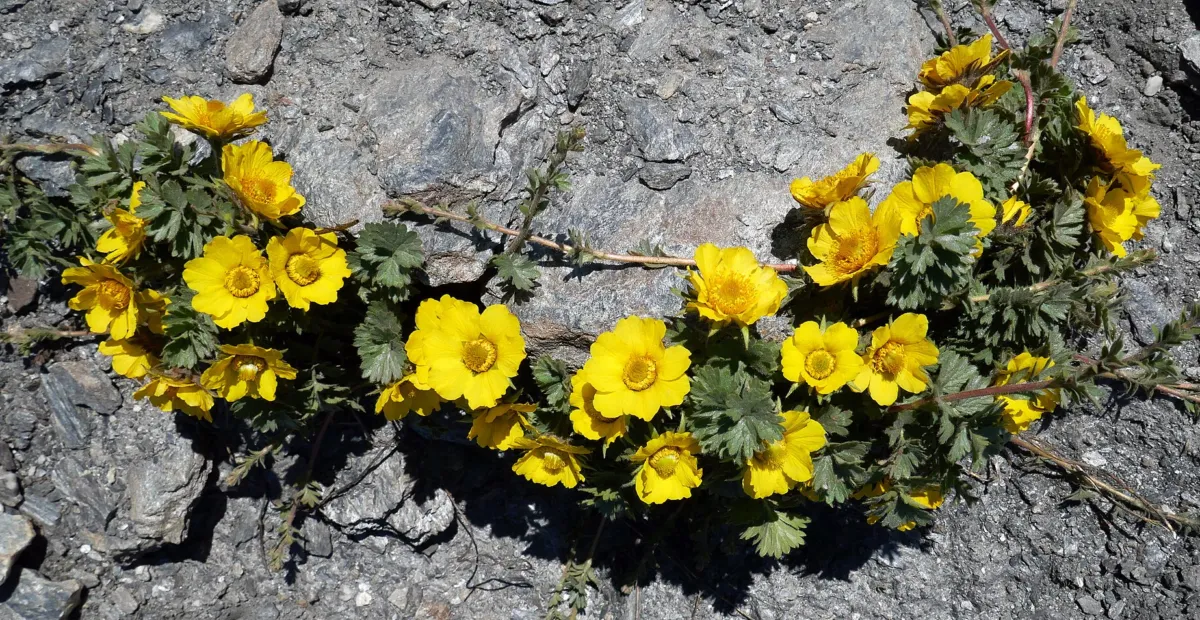
 Source:
 Creeping avens (Geum reptans) short overview
Creeping avens is a compact alpine perennial from the mountains of Central and Southeastern Europe. It forms low rosettes of divided, toothed leaves and spreads by slender reddish stolons, making a gently mat-forming plant for cool rock gardens and alpine troughs. In early summer, bright yellow, saucer-shaped flowers rise above the foliage and later develop into distinctive tufted, pinkish seed heads. It needs excellent drainage, steady moisture, and abundant sun.
Taxonomic classification
Creeping avens (Geum reptans) care guide
Light and placement
Plant in an open, sunny position with good air movement; an east-, south-, or west-facing alpine bed is suitable. Light shade is tolerated, especially in hot climates, but flowering may be reduced and growth can become less compact. Pale, stretched foliage or sparse flowering suggests insufficient light, while scorched leaves and rapid wilting indicate excessive heat or reflected afternoon sun.
Watering and humidity
Water deeply when the upper layer begins to dry, then allow excess water to drain completely. Keep plants more consistently moist while establishing and during active spring and summer growth, but reduce irrigation during cool, wet weather. The roots should not sit in water over winter. In containers, check moisture more often because alpine mixes dry quickly.
Soil and growing medium
Use a gritty, porous alpine mix based on loam or sandy mineral soil with added grit, pumice, or fine gravel. Drainage is essential because the plant naturally grows in scree, moraines, rock cracks, and other unstable mountain substrates. A moderately fertile soil is suitable; available references indicate tolerance of acidic, neutral, and alkaline conditions, so pH should be adjusted only when a site test shows a problem.
Feeding
Work a small amount of mature compost or a restrained, balanced slow-release fertilizer into the planting area in spring. Avoid rich, heavily nitrogenous feeding, which can produce soft foliage and weaken the compact alpine habit. Do not fertilize drought-stressed, newly divided, or waterlogged plants; resume only after active growth and healthy root function are evident.
Growth and habit
This perennial forms basal rosettes and expands laterally through slender above-ground stolons. The stolons can root at points along their length, gradually creating a loose mat rather than a dense, aggressive groundcover. Give it space to spread across stones or a raised alpine pocket, and remove poorly rooted or overcrowded sections when necessary to maintain airflow.
Planting and repotting
Plant after the danger of severe spring frost has passed, or divide and replant in early fall where winters are reliably cold but soil remains workable. Set the crown at the same depth as in the container and spread stolons across the soil surface rather than burying them deeply. Water thoroughly after planting and keep evenly moist until rooted, while maintaining excellent drainage.
Repot container plants in spring or immediately after flowering using a free-draining alpine mix with substantial grit or pumice. Move the plant only when the root mass is well established or the medium has degraded. Handle stolons carefully, keep the crown at its original level, and water sparingly until active root growth resumes.
Propagation and pruning
Propagation
Propagate from seed or by division. Sow fresh seed in a gritty medium and provide the cool, seasonal conditions often needed for alpine species; germination can be uneven. Divide established clumps in spring or early fall, ensuring each section has healthy roots and a viable crown. Rooted stolon sections may also establish, but this method is less consistently documented.
Pruning
Deadhead spent flowers if a tidier display or modestly extended flowering is desired. Leave attractive seed heads in place for seasonal interest, then remove old foliage and stolons in late winter or early spring as new growth begins. Cut only damaged or diseased material; severe routine pruning is unnecessary.
Overwintering
Outdoor plants are generally suited to cold winters when drainage is excellent. Protect containers from repeated freeze-thaw cycles by placing them under cover or insulating the pot, while keeping the medium only lightly moist. Avoid warm indoor overwintering, which can disrupt the plant’s cool-season rhythm and encourage weak growth.
Uses
Best suited to alpine beds, rock gardens, scree gardens, raised troughs, and cool containers with a gritty substrate. Its spreading stolons can soften stone edges and provide low seasonal cover. It is also appropriate for wildlife-oriented plantings when grown without unnecessary pesticides. Culinary or medicinal use is not sufficiently documented here and should not be assumed from the wider Geum genus.
Appearance
Identification features include a low basal rosette of pinnately divided, toothed leaves, greatly reduced stem leaves, reddish slender stolons, and solitary terminal flowers. After bloom, the aggregated fruits develop long feathery styles, producing pinkish or silvery tufted seed heads that remain conspicuous above the foliage.
Flowering
The flowers are typically solitary and terminal, with five bright yellow petals, a calyx and epicalyx, numerous stamens, and many carpels. Flowering is generally reported from early summer, although alpine populations may bloom later in colder or higher-elevation settings. The flowers are followed by conspicuous aggregated fruits with elongated feathery styles.
Pollination and visitors
The open, yellow flowers contain numerous stamens and are consistent with insect visitation, but a species-specific pollinator study or dependable visitor list was not located. The record is therefore limited to an insect-pollination classification rather than a claim about bees, bumblebees, butterflies, or another named visitor group.
Geum reptans photos
Click any photo for a larger view. Source, author and license are shown separately.
Diseases and pests
Diseases
Downy mildew may occur where foliage stays wet, air movement is poor, or plants are crowded. Improve spacing, water at the soil surface, remove affected leaves, and avoid overhead irrigation late in the day. Root and crown problems are more likely in waterlogged winter soil, so correct drainage before using any treatment.
Pests
Geum sawfly is reported as a possible pest and may cause ragged chewing damage or expose pale larvae on the foliage. Inspect plants regularly, remove small infestations by hand, and encourage natural enemies. Keep plants vigorous through proper drainage and avoid broad-spectrum insecticides unless damage is substantial.
Related diseases and pests
Only Plant Doctor profiles whose host data indicate this plant may be affected are shown here.
 DiseaseRed Stele of StrawberryPhytophthora fragariae
 Environmental stressPoor drainage stress (waterlogging)
 DiseaseCucurbit Downy MildewPseudoperonospora cubensis (Berk. & M.A. Curtis) Rostovzev
 DiseaseGrape Downy MildewPlasmopara viticola
 DiseaseOnion downy mildewPeronospora destructor
 Environmental stressWaterlogging
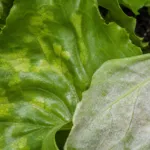 DiseaseLettuce Downy MildewBremia lactucae Regel
Toxicity and pollen
A dependable, species-specific toxicity assessment for humans or companion animals was not located in the reviewed sources. Do not infer edibility or safety from the absence of a warning, and avoid ingestion. Wash hands after handling soil or plant material, and seek professional advice if a child or animal consumes an unidentified quantity.
- Typical season
- Typically during flowering in early to mid-summer
- Pollination / pollen
- Insect-dispersed pollen from open flowers
The flowers produce pollen, but no reliable species-specific evidence was found to quantify airborne release or allergy risk in the United States. Because the flowers are insect-pollinated, pollen is likely to be transferred mainly within or near flowers rather than dispersed broadly by wind; this does not prove zero allergy risk. People with serious pollen sensitivity should avoid deliberate contact with flowering plants.
Native habitat
Geum reptans is associated with European mountain habitats such as rocky crevices, moraines, moist scree, talus, and alpine summit environments. It is generally found in cool climates at high elevations, often on unstable, mineral-rich substrates where drainage is rapid but moisture is periodically available. These conditions explain its preference for gritty soil, cool roots, and strong air circulation in cultivation.
Interesting fact
The species spreads clonally by slender stolons as well as reproducing by seed. Its long, feathery fruit styles create pinkish or silvery seed heads after flowering. Populations occur across several major European mountain systems, and the plant’s compact alpine habit contrasts with the much taller garden geums commonly sold for borders.
Frequently asked questions (FAQ)
The most relevant questions about this plant, with short and direct answers.
🌱Quick care
What is creeping avens (Geum reptans)?⌄
Creeping avens is a low-growing, spreading alpine perennial in the rose family, Rosaceae. It forms leafy rosettes, spreads by slender stolons, and produces yellow flowers followed by feathery pinkish seed heads.
How large does creeping avens get?⌄
Creeping avens typically remains about 6 inches tall and can spread roughly 18 inches wide under garden conditions. Its stolons may extend farther when the plant is growing vigorously.
Is creeping avens native to the United States?⌄
Creeping avens is native to mountainous regions of Europe, including the Alps and Carpathians, rather than the United States. It is mainly grown as an ornamental alpine or rock-garden plant in North America.
🌤️Environment and placement
How much sun does creeping avens need?⌄
Creeping avens grows best in full sun, although it tolerates light shade. Flowering is usually strongest where the plant receives several hours of direct sunlight.
Can creeping avens grow in partial shade?⌄
Yes, creeping avens can tolerate light or partial shade, especially in hot climates. Too much shade may produce fewer flowers and weaker, less compact growth.
What USDA hardiness zones are suitable for Geum reptans?⌄
Creeping avens is generally considered suitable for USDA Zones 4–8, although hardiness reports vary by source and local conditions. Excellent drainage is especially important where winters are wet or severe.
What type of soil does creeping avens prefer?⌄
Creeping avens prefers fertile, sharply drained rocky, sandy, or loamy soil. A gritty mix that does not stay saturated is more suitable than heavy, poorly drained soil.
Does creeping avens need acidic or alkaline soil?⌄
Creeping avens can grow in acidic, neutral, or alkaline soil if drainage is good. Soil structure and winter drainage are generally more important than achieving a narrowly defined pH.
Is creeping avens a good rock-garden plant?⌄
Yes, creeping avens is well suited to rock gardens because it naturally grows in rocky alpine habitats and tolerates sharply drained soil. Position it where its spreading stolons can trail between stones without becoming waterlogged.
💧Care and problems
How often should I water creeping avens?⌄
Water creeping avens moderately, keeping the soil evenly moist while allowing excess water to drain away. Water during hot, dry periods, but avoid continually wet soil around the crown and roots.
Is creeping avens drought tolerant?⌄
Established creeping avens can tolerate short periods of dryness, particularly in rocky soil. It performs better with consistent moisture during active growth and flowering, especially during prolonged heat.
Can creeping avens survive wet winters?⌄
Creeping avens is very cold hardy but may decline in waterlogged winter soil. Plant it in a raised, gritty, or sloping site where rain and melting snow drain quickly.
Does creeping avens spread aggressively?⌄
Creeping avens spreads by slender stolons that form rooted daughter rosettes, so it can expand steadily in favorable conditions. Remove unwanted runners or plant it where gradual ground cover is welcome.
How do I control creeping avens runners?⌄
Pull or cut runners that move beyond the intended planting area, preferably before the daughter rosettes become strongly rooted. Regularly checking the edges of a rock garden makes control straightforward.
What pests affect creeping avens?⌄
Creeping avens may be affected by geum sawfly larvae and other common garden pests. Inspect leaves for chewing damage and remove visible larvae by hand when practical.
What diseases affect creeping avens?⌄
Creeping avens may develop downy mildew, particularly where foliage stays damp and air circulation is poor. Improve spacing, avoid wetting the leaves, and correct drainage problems.
🪴Planting and repotting
Where should I plant creeping avens?⌄
Plant creeping avens in a sunny rock garden, alpine bed, gravel garden, raised bed, or another site with excellent drainage. Give it room to spread because its stolons produce new rosettes beyond the parent plant.
Can creeping avens be grown in a container?⌄
Yes, creeping avens can be grown in a container if the pot has generous drainage holes and a gritty, well-drained mix. Choose a broad container that accommodates its spreading runners and protect the roots from extreme temperature swings.
When should I plant creeping avens?⌄
Plant creeping avens in spring or early fall when temperatures are moderate and the soil can be worked. Avoid planting into saturated ground, and water it in thoroughly after planting.
How do I transplant creeping avens?⌄
Transplant creeping avens by lifting the plant or a rooted daughter rosette with as much intact root material as practical. Replant it at the original depth in well-drained soil, then keep it evenly moist while it establishes.
✂️Propagation and pruning
How do I propagate creeping avens from runners?⌄
Propagate creeping avens by separating a rooted rosette formed at the end of a stolon from the parent plant. Replant the rosette promptly in gritty, moist soil and protect it from severe drying until new growth begins.
Can creeping avens be grown from seed?⌄
Yes, creeping avens can be propagated from seed, although seedlings may develop slowly. Sow the seed shallowly or press it onto the surface because light may aid germination, and keep the medium consistently moist.
How long do creeping avens seeds take to germinate?⌄
Creeping avens seeds may germinate in roughly two to four weeks under suitable conditions, but germination can be slower or uneven. Do not let the seed-starting medium dry out while waiting.
Can I divide creeping avens?⌄
Yes, mature creeping avens can be divided in spring or fall. Division is useful when the center of a clump becomes thin or flowering declines, but handle the roots carefully because the plant can be slow to reestablish.
Should creeping avens be cut back after flowering?⌄
Cut creeping avens back after flowering if the foliage becomes untidy or the plant needs refreshing. Leave some flower stems intact if you want the ornamental seed heads to develop.
⚠️Toxicity and safety
Is creeping avens toxic to people or pets?⌄
The toxicity of creeping avens has not been firmly established. Keep it away from children and pets that chew plants, and contact a medical professional or veterinarian if any part is eaten and symptoms occur.
🌸Flowering and special interest
When does creeping avens bloom?⌄
Creeping avens usually blooms in late spring or early summer, depending on climate and elevation. The flowers are bright yellow and can reach about 1.5 inches across.
Why is my creeping avens not flowering?⌄
The most common causes are insufficient sunlight, excessive shade, overly wet soil, or stress from heat and poor drainage. Move or thin surrounding plants if necessary, and maintain moisture without waterlogging.
What do creeping avens seed heads look like?⌄
After flowering, creeping avens develops distinctive fluffy, pinkish seed heads made up of elongated, feathery styles. They provide ornamental interest even after the yellow petals have faded.
Should I deadhead creeping avens?⌄
Deadhead creeping avens to encourage additional flowering and keep the plant tidy. Leave some spent flowers if you want to enjoy its distinctive feathery seed heads or collect seed.
Similar plants
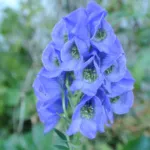 Azure Monkshood (Aconitum carmichaelii) care guideAconitum carmichaelii
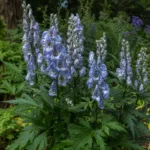 Monkshood (Aconitum ‘Stainless Steel’)Aconitum 'Stainless Steel'
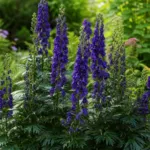 Monkshood (Aconitum ‘Bressingham Spire’)Aconitum 'Bressingham Spire'
 Golden full moon maple (Acer shirasawanum ‘Aureum’)Acer shirasawanum 'Aureum'
 Globosum (Acer platanoides ‘Globosum’)Acer platanoides 'Globosum'
 Striped maple (Acer pensylvanicum) care guideAcer pensylvanicum