
 Source:
 Firewheel (Gaillardia pulchella) short overview
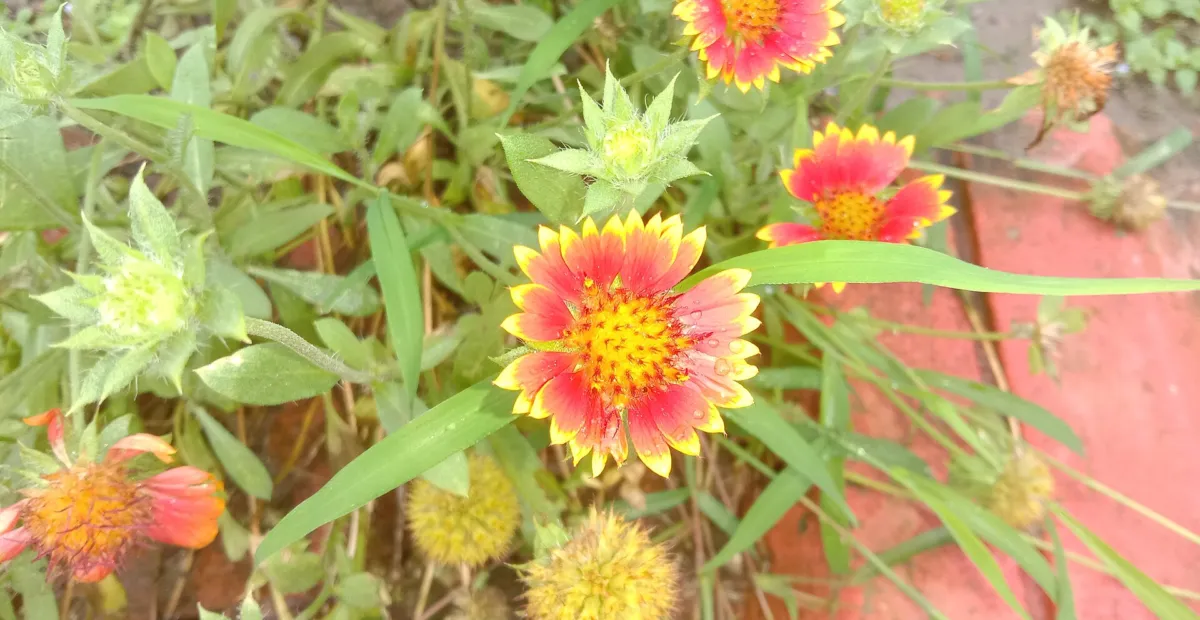
Gaillardia pulchella, called firewheel in the United States, is a vivid warm-season wildflower native to much of the southern and central United States and northern Mexico. Its upright, hairy stems carry red-to-orange ray florets tipped in yellow around dark disks. Give it full sun, lean well-drained soil, and restrained watering; it performs especially well in prairie plantings, dry borders, roadside-style gardens, and pollinator beds.
Taxonomic classification
Firewheel (Gaillardia pulchella) care guide
Light and placement
Give firewheel an unobstructed full-sun position, ideally with southern or western exposure and at least 6 hours of direct light. Inadequate light produces stretched stems, fewer flower heads, and weaker color. Excessive heat is usually tolerated if drainage is sharp; pale, scorched foliage more often signals drought or root stress than excessive sun alone.
Watering and humidity
Water deeply when the upper several inches of soil have dried, then allow the root zone to dry moderately between irrigations. Keep newly sown seed evenly moist until emergence and water young transplants more regularly during establishment. Once established, reduce frequency and avoid repeated shallow watering or wet winter soil.
Soil and growing medium
Use sandy, gravelly, or lean loam with excellent drainage. Avoid heavy, persistently wet soil, which encourages weak growth and root problems. It tolerates a broad soil range, from slightly acidic through slightly alkaline, but performs best where water drains freely and fertility is moderate rather than rich.
Feeding
Work a small amount of compost into poor soil before planting, but avoid high-nitrogen fertilizer. If growth is weak in a container, apply a balanced liquid fertilizer at half strength once in early growth and again during active blooming. Do not feed drought-stressed plants or heavily fertilize lush, floppy growth.
Growth and habit
This is a freely branching, upright warm-season forb that may be annual, biennial, or short-lived perennial depending on climate. Plants often self-seed in open soil, so leaving a few seed heads encourages renewal. Lean conditions help maintain sturdier stems and reduce excessive vegetative growth.
Planting and repotting
Plant after the danger of hard frost has passed, or sow seed directly when soil has warmed. Press seed onto the soil surface or cover only lightly; light can aid germination. Space plants about 12–18 inches apart. Keep the seedbed evenly moist until emergence, then reduce watering as plants establish.
For containers, transplant young plants before roots become pot-bound. Use a standard potting mix amended with coarse perlite or grit, and choose a container with drainage holes. Repot only when necessary; excessive root disturbance or an oversized, moisture-retentive pot can reduce performance.
Propagation and pruning
Propagation
Sow fresh or properly stored seed directly in fall or early spring, pressing it onto prepared soil and covering only lightly. Seedlings establish readily in open ground. Allowing some mature seed heads to remain can produce volunteer plants the following season.
Pruning
Deadhead spent flower heads to extend the display and reduce unwanted reseeding. Leave selected seed heads standing for natural regeneration and wildlife value. Cut plants back after flowering or once frost has ended the season; avoid pruning during active establishment.
Overwintering
In cold climates, treat it as an annual or allow it to reseed naturally. In mild climates, plants may persist through winter. Leave a few stems and seed heads in place until late winter, then cut back. Containers are more vulnerable to root freezing; move them to a sheltered, cool location rather than keeping them warm indoors.
Uses
Useful for sunny borders, native plant gardens, prairie-style plantings, dry landscapes, roadside-inspired beds, containers, and informal cut flowers. It provides floral resources for native bees and other flower visitors. Use regional ecotypes where ecological restoration or conservation planting is the goal.
Appearance
Leaves are simple, alternate, and hairy, with upper blades usually narrow and entire and lower leaves often broader, oblong, or lobed. Stems are softly hairy and branch freely. The most distinctive feature is the solitary flower head with strongly bicolored, three-lobed rays and a dark reddish-purple central disk.
Flowering
Solitary flower heads are borne on long stalks above the foliage. Each head usually has 8–14 three-lobed ray florets, reddish to purplish near the base and yellow to orange toward the tips, surrounding numerous disk florets. Bloom commonly begins in late spring and can continue through summer and into fall where heat and moisture permit.
Pollination and visitors
Documented studies and extension resources identify Gaillardia pulchella as especially valuable to native bees; flowers are also visited by butterflies and other insect pollinators. The open flower heads provide accessible floral resources during a long warm-season bloom period.
Gaillardia pulchella photos
Click any photo for a larger view. Source, author and license are shown separately.
Diseases and pests
Diseases
Usually trouble-free in dry, airy sites. Watch for powdery mildew in crowded or poorly ventilated plantings and root or crown rot in wet soil. Improve drainage, water at the base, remove badly affected material, and avoid unnecessary overhead irrigation or dense spacing.
Pests
Occasional aphids, leafhoppers, caterpillars, or thrips may occur, but serious infestations are uncommon. Inspect new growth and flower buds, wash small populations away with water, and conserve beneficial insects. Use targeted treatment only when damage is substantial.
Related diseases and pests
Only Plant Doctor profiles whose host data indicate this plant may be affected are shown here.
 DiseaseImpatiens necrotic spot virus diseaseImpatiens necrotic spot orthotospovirus
 DiseaseBlack Root RotBerkeleyomyces basicola
 DiseaseMaple powdery mildewSawadaea bicornis
 DiseaseCucurbit Powdery MildewPodosphaera xanthii (Castagne) U. Braun & Shishkoff
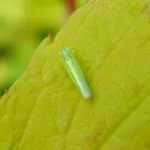 PestSmaller green leafhopperEmpoasca vitis
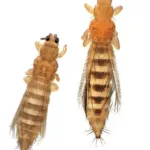 PestOnion thripsThrips tabaci Lindeman
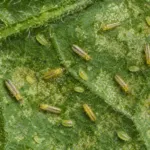 PestMelon thripsThrips palmi Karny
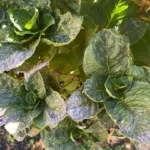 PestChilli thripsScirtothrips dorsalis Hood
Toxicity and pollen
No reliable species-specific evidence located here establishes significant toxicity to people or pets. As with any ornamental plant, prevent ingestion of large quantities and avoid contact with sap or plant material if irritation occurs. Do not treat lack of reported toxicity as proof of edibility.
- Typical season
- Late spring through fall
- Pollination / pollen
- Insect-dispersed pollen
Firewheel is insect-pollinated, so its pollen is not typically dispersed in large airborne clouds like wind-pollinated plants. However, individual flowers still produce pollen, and sensitive people may react to direct contact or heavy exposure around flowering plants. Species-specific aeroallergen data are limited.
Native habitat
Firewheel occurs in open, sunny habitats such as prairies, dry grasslands, sandy plains, roadsides, disturbed ground, coastal uplands, dunes, and vacant lots. It is adapted to heat, periodic drought, and soils that drain quickly, including sandy or gravelly substrates.
Interesting fact
The species name pulchella comes from Latin for beautiful. Its ray florets are typically three-lobed and strongly bicolored, a useful identification feature. Firewheel is Oklahoma’s state wildflower and is widely used in native seed mixes. Plants may behave as annuals in cold regions but persist longer in mild climates.
Frequently asked questions (FAQ)
The most relevant questions about this plant, with short and direct answers.
🌱Quick care
What is firewheel (Gaillardia pulchella)?⌄
Firewheel is a North American native wildflower in the daisy family, Asteraceae. It is commonly grown as a colorful annual, biennial, or short-lived perennial with red-and-yellow flowers.
How much sun does firewheel need?⌄
Firewheel grows best in full sun, ideally with at least 6 hours of direct sunlight daily. It can tolerate light shade, but flowering and stem strength may be reduced.
How often should I water firewheel?⌄
Water firewheel when the soil has dried several inches below the surface, then water deeply. Established plants are drought tolerant, while newly planted seedlings need more consistent moisture.
What soil is best for firewheel?⌄
Firewheel prefers sandy, lean, sharply drained soil. Avoid heavy or continually wet soil, because excess moisture can cause root problems and poor growth.
🌤️Environment and placement
Can firewheel grow in containers?⌄
Yes, firewheel grows well in containers with drainage holes and a gritty, well-drained potting mix. Choose a container large enough for its roots and avoid water-retentive soil.
Is firewheel drought tolerant?⌄
Firewheel is highly drought tolerant once established, especially in sandy or coarse soil. Prolonged drought can still reduce flowering, particularly for plants grown in containers.
Can firewheel tolerate heat?⌄
Firewheel tolerates high heat and performs well in hot, sunny gardens. Good drainage is especially important during hot, humid weather.
Is firewheel native to the United States?⌄
Yes, firewheel is native to parts of the central and southern United States and extends into Mexico. Its exact native status can vary by state, so local native-plant references are useful.
Is firewheel suitable for a pollinator garden?⌄
Yes, firewheel is a useful nectar plant for butterflies and other pollinators. Leaving some mature seed heads can also provide food for seed-eating birds.
💧Care and problems
Why is my firewheel not flowering?⌄
Insufficient sunlight, excessive fertilizer, overwatering, or poor drainage are common reasons firewheel fails to bloom. Move it to a sunnier, leaner, better-drained site and avoid high-nitrogen feeding.
Should I fertilize firewheel?⌄
Firewheel usually needs little or no fertilizer when grown in reasonably fertile soil. Excess fertilizer can produce leafy growth at the expense of flowers.
Why is my firewheel wilting in wet soil?⌄
Firewheel may wilt in wet soil because its roots are stressed by poor drainage or developing root rot. Allow the soil to dry and improve drainage before watering again.
What pests affect firewheel?⌄
Firewheel generally has few serious pest problems. Inspect plants for aphids, leaf-chewing insects, or mites, and use the least-disruptive control needed.
What diseases affect firewheel?⌄
Downy mildew and root rot can affect firewheel, especially in humid conditions or wet soil. Improve air circulation, water at the base, and avoid consistently saturated ground.
How much space does firewheel need?⌄
Allow roughly 1 to 2 feet of height and about 2 to 3 feet of spread, depending on growing conditions. In mass plantings, spacing plants about 2 to 3 feet apart improves air circulation.
🪴Planting and repotting
When should I plant firewheel seeds?⌄
Sow firewheel seeds in late fall or spring, depending on local climate and planting goals. In colder regions, spring sowing after the main danger of hard frost has passed is usually simplest.
How deep should firewheel seeds be planted?⌄
Plant firewheel seeds about 1/8 to 1/4 inch deep. Shallow planting is preferable because the seeds need good contact with the soil surface and should not be buried deeply.
Can I transplant firewheel seedlings?⌄
Yes, firewheel seedlings can be transplanted while they are young, but they establish best when their roots are disturbed as little as possible. Harden indoor-grown seedlings before planting them outside.
✂️Propagation and pruning
How do I grow firewheel from seed?⌄
Sow the seeds on prepared, weed-free soil, press them lightly into place, and keep the surface slightly moist until germination. Once established, thin crowded seedlings to improve airflow and flowering.
Can firewheel reseed itself?⌄
Yes, firewheel can reseed itself when mature seed heads are left in place. Seedlings may appear in nearby open soil, although reseeding is influenced by weather, soil disturbance, and local climate.
Can firewheel be propagated by division?⌄
Firewheel can be propagated by root division, preferably in early spring. Division is generally less important than seed propagation because the plant often reseeds naturally.
Should I deadhead firewheel?⌄
Deadhead firewheel to encourage additional flowering and maintain a tidier appearance. Leave some spent flower heads if you want the plant to reseed or support birds.
When should I collect firewheel seeds?⌄
Collect firewheel seeds when the flower heads are dry and the seeds separate easily. Store fully dry seeds in a cool, dry place until sowing.
⚠️Toxicity and safety
Is firewheel poisonous to people or pets?⌄
The toxicity of Gaillardia pulchella is not well established, and no significant species-specific toxicity evidence was located. Do not eat the plant, and prevent pets or children from chewing unidentified plant material.
Is firewheel safe for a garden with dogs and cats?⌄
Firewheel does not have well-documented species-specific toxicity information for dogs or cats. Keep pets from consuming it and contact a veterinarian or poison-control service if ingestion causes symptoms.
🌸Flowering and special interest
When does firewheel bloom?⌄
Firewheel can bloom from spring through fall, with a longer season in warm climates. In favorable regions, flowering may continue for much of the year.
What do firewheel flowers look like?⌄
Firewheel produces daisy-like flower heads commonly marked with red or burgundy centers and yellow-tipped rays. Some plants may have mostly red, mostly yellow, or intermediate coloration.
How can I make firewheel bloom longer?⌄
Give firewheel full sun, avoid excessive water and fertilizer, and deadhead regularly. Leaving some flowers to mature is worthwhile if natural reseeding is a priority.
Similar plants
 Azure Monkshood (Aconitum carmichaelii) care guideAconitum carmichaelii
 Monkshood (Aconitum ‘Stainless Steel’)Aconitum 'Stainless Steel'
 Monkshood (Aconitum ‘Bressingham Spire’)Aconitum 'Bressingham Spire'
 Golden full moon maple (Acer shirasawanum ‘Aureum’)Acer shirasawanum 'Aureum'
 Globosum (Acer platanoides ‘Globosum’)Acer platanoides 'Globosum'
 Striped maple (Acer pensylvanicum) care guideAcer pensylvanicum