
 Source:
 Blanket flower (Gaillardia ‘Goblin’) short overview
Gaillardia 'Goblin' is a compact blanket flower prized for flat red flower rays edged in yellow and a long season of summer color. This bushy, short-lived herbaceous perennial thrives in full sun, lean well-drained soil, and dry conditions once established. Its modest size suits borders, gravel gardens, containers, and pollinator plantings, while regular deadheading can extend flowering and help maintain a tidy display.
Taxonomic classification
Blanket flower (Gaillardia ‘Goblin’) care guide
Light and placement
Give ‘Goblin’ at least 6 hours of direct sun, ideally in an open south- or west-facing bed. Strong light keeps stems compact and supports abundant flowering. Too little light causes fewer blooms and weaker, leggier growth. In extremely hot climates, afternoon shade may be tolerated, but deep or persistent shade is unsuitable.
Watering and humidity
Water deeply when the upper few inches of soil dry during the first growing season, then taper as roots establish. Established plants prefer a dry-to-moderately dry rhythm and usually need irrigation only during prolonged heat or drought. Water at the base, avoid wetting the crown, and reduce watering in cool autumn weather and winter.
Soil and growing medium
Use a sandy or loamy soil that drains freely and does not remain wet in winter. Gaillardia tolerates lean, rocky, and moderately poor ground better than rich soil. A slightly acidic to slightly alkaline reaction is acceptable; avoid heavy clay or improve it substantially with drainage materials and raised planting.
Feeding
Do not overfertilize. In average garden soil, apply a thin layer of compost in spring or use a balanced slow-release fertilizer at label strength when growth begins. Avoid high-nitrogen feeding and repeated liquid fertilization, which can create soft, leafy growth and reduce flowering. Do not feed drought-stressed or newly transplanted plants until they recover.
Growth and habit
This compact, bushy perennial forms a basal clump and sends up numerous upright flowering stems. It is typically short-lived, often declining after several seasons, so division, reseeding, or replacement may be useful for continuity. Lean soil and restrained watering help prevent floppy growth and winter losses.
Planting and repotting
Plant after the danger of hard frost has passed, or in fall where plants can establish before winter. Set the crown at soil level rather than burying it. Space plants about 12–18 inches apart for air circulation and a full clump. Water regularly during the first growing season; established plants need much less supplemental irrigation.
Move container plants into fresh, sharply drained mix in spring only when roots have filled the pot or drainage has declined. Choose a container with drainage holes and avoid oversized pots, which retain excess moisture. Handle the root ball gently and water once after transplanting, then allow the mix to dry moderately between waterings.
Propagation and pruning
Propagation
‘Goblin’ is commonly propagated by seed and can also be divided in spring. Sow seed on the surface or press it lightly into the medium because light supports germination; keep it evenly moist at about 70–75°F. Division is useful for rejuvenating older clumps, but short-lived plants may vary in vigor and flower form from seed.
Pruning
Deadhead spent flower heads throughout summer to encourage additional blooms and reduce energy spent on seed production. After flowering, cut back the stems when they decline. Leave some seed heads standing if winter structure or bird interest is desired, then remove old debris in late winter or early spring.
Overwintering
Leave the crown in the ground in suitable USDA zones, but prioritize winter drainage. Avoid heavy mulch that holds moisture against the crown; a light, airy mulch can help in exposed cold regions. Container plants are more vulnerable to root freezing and should be placed in a sheltered, unheated location or protected with insulation.
Uses
Use ‘Goblin’ in sunny borders, cottage gardens, gravel gardens, rock gardens, containers, and low-water landscapes. Its long-lasting flower heads can be cut for informal arrangements, and the blooms provide nectar and pollen for bees and other flower visitors. It is ornamental only; no culinary or medicinal use is established here.
Appearance
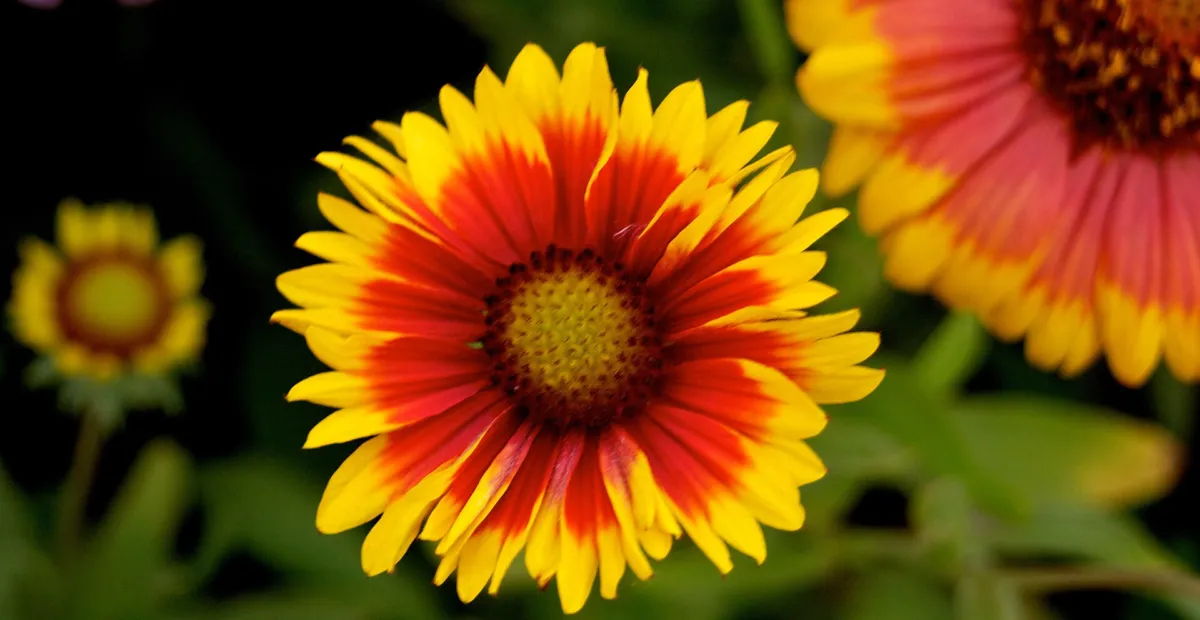
The plant forms a basal rosette of narrow, lance-shaped green leaves with flowering stems rising above it. Flat red ray florets are sharply tipped with yellow, creating a clear bicolor pattern around a darker central disc. The overall appearance is compact, open, and daisy-like rather than densely double.
Flowering
The flower heads are composed of flat red ray florets with yellow tips surrounding a contrasting central disc. Blooming normally begins in early summer and can continue into early fall, especially when faded heads are removed. Flowering is strongest in full sun; excessive fertility can produce foliage at the expense of flowers.
Pollination and visitors
Blanket flower blossoms are documented as attractive to bees and butterflies; broader Gaillardia research also records diverse bee visitation. The exact visitor list for ‘Goblin’ is not well documented, so no single pollinator species is assigned.
Gaillardia 'Goblin' photos
Click any photo for a larger view. Source, author and license are shown separately.
Diseases and pests
Diseases
Downy mildew and root or crown rots are the main concerns, especially in humid conditions or poorly drained soil. Prevent problems with full sun, good spacing, clean-up of declining foliage, and watering at the soil surface rather than over the plant. Remove badly affected tissue and correct drainage before considering a labeled fungicide.
Pests
Aphids, leafhoppers, thrips, and slugs may occur. Inspect new growth and flower stems regularly, wash off minor infestations with water, and encourage beneficial insects. Use slug barriers or hand removal where needed. Avoid routine broad-spectrum insecticides during bloom because the flowers attract visiting insects.
Related diseases and pests
Only Plant Doctor profiles whose host data indicate this plant may be affected are shown here.
 DiseaseImpatiens necrotic spot virus diseaseImpatiens necrotic spot orthotospovirus
 DiseaseBlack Root RotBerkeleyomyces basicola
 DiseaseCucurbit Downy MildewPseudoperonospora cubensis (Berk. & M.A. Curtis) Rostovzev
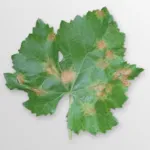 DiseaseGrape Downy MildewPlasmopara viticola
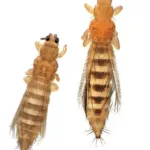 PestOnion thripsThrips tabaci Lindeman
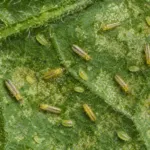 PestMelon thripsThrips palmi Karny
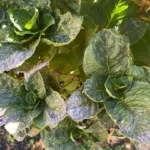 PestChilli thripsScirtothrips dorsalis Hood
 PestDracaena ThripsParthenothrips dracaenae
Toxicity and pollen
Reliable, cultivar-specific toxicity information is limited. Broader horticultural references report no known toxicity for blanket flower, but absence of a listing is not proof of safety. Avoid deliberate ingestion, wear gloves if skin is sensitive, and contact a medical or veterinary professional if plant material causes symptoms.
- Typical season
- June through September in much of the United States
- Pollination / pollen
- Insect-dispersed pollen; limited airborne exposure expected
As an insect-pollinated composite flower, ‘Goblin’ is not generally considered a major wind-pollen source. However, exact cultivar-specific airborne pollen and allergy data are scarce, and sensitive people may still react to flowers or plant handling. Keep pollen exposure separate from ingestion or skin-contact concerns.
Native habitat
The cultivar is a garden selection associated with Gaillardia × grandiflora, a hybrid of North American Gaillardia species. Its parentage contributes adaptation to sunny, hot, dry conditions and freely drained soils. In cultivation it performs best in prairie-like, gravelly, open habitats rather than cool, wet, shaded sites.
Interesting fact
‘Goblin’ is an older seed-propagated cultivar also sold under the name ‘Kobold’. Its compact 12–14 inch stature distinguishes it from taller blanket flower selections. The hybrid background combines the perennial habit of Gaillardia aristata with the long flowering tendency of Gaillardia pulchella.
Frequently asked questions (FAQ)
The most relevant questions about this plant, with short and direct answers.
🌱Quick care
What is Gaillardia 'Goblin'?⌄
Gaillardia 'Goblin' is a compact blanket flower cultivar with red flowers tipped in yellow and a typical height of about 10–14 inches. It is commonly grown as a short-lived perennial in sunny, dry garden settings.
How much sun does Gaillardia 'Goblin' need?⌄
Gaillardia 'Goblin' needs full sun, meaning at least 6 hours of direct sunlight daily. More sun generally supports stronger stems and heavier flowering.
Is Gaillardia 'Goblin' drought tolerant?⌄
Yes, Gaillardia 'Goblin' is drought tolerant once established. Water it regularly during its first growing season, then allow the soil to dry between deep waterings.
How often should I water Gaillardia 'Goblin'?⌄
Water Gaillardia 'Goblin' when the soil has dried several inches below the surface rather than on a fixed schedule. Established plants usually need supplemental water only during prolonged heat or drought.
How tall does Gaillardia 'Goblin' get?⌄
Gaillardia 'Goblin' typically grows about 10–14 inches tall and forms a compact mound. Exact size varies with soil, sunlight, moisture, and growing conditions.
🌤️Environment and placement
What is the best place to plant Gaillardia 'Goblin'?⌄
Plant Gaillardia 'Goblin' in a hot, open location with full sun and fast-draining soil. It works well in front-of-border plantings, rock gardens, pollinator gardens, and containers.
What type of soil does Gaillardia 'Goblin' prefer?⌄
Gaillardia 'Goblin' prefers sandy or loamy soil that drains quickly and is not overly rich. Heavy, wet soil is a major cause of poor growth and winter loss.
Can Gaillardia 'Goblin' grow in clay soil?⌄
Gaillardia 'Goblin' can grow in clay only if drainage is substantially improved. Amend the planting area, use a raised bed or berm, or choose a container if water remains trapped around the roots.
Can Gaillardia 'Goblin' grow in a container?⌄
Yes, Gaillardia 'Goblin' grows well in a container with drainage holes and a porous potting mix. Avoid oversized pots and keep the mix from staying consistently wet.
What USDA hardiness zones can grow Gaillardia 'Goblin'?⌄
Gaillardia 'Goblin' is commonly listed as hardy across approximately USDA Zones 3–10, although survival depends heavily on winter drainage and local conditions. In cold or wet climates, raised planting improves its chances.
💧Care and problems
Does Gaillardia 'Goblin' need fertilizer?⌄
Gaillardia 'Goblin' usually needs little or no fertilizer when grown in reasonably fertile soil. Excess fertilizer can produce weak, leafy growth and fewer flowers.
Why is my Gaillardia 'Goblin' dying?⌄
The most common cause of Gaillardia 'Goblin' decline is soil that stays too wet, especially through winter. Poor light, root rot, severe overcrowding, and aster yellows are additional possibilities.
Why are the leaves on my Gaillardia 'Goblin' turning yellow?⌄
Yellow leaves on Gaillardia 'Goblin' often indicate overwatering or poor drainage. Yellow, distorted growth with greenish flowers may indicate aster yellows, in which case the plant should be removed.
What diseases affect Gaillardia 'Goblin'?⌄
Gaillardia 'Goblin' can be affected by powdery mildew, leaf spot, and aster yellows. Good air circulation, full sun, careful watering, and removal of infected plants help reduce problems.
Do deer or rabbits eat Gaillardia 'Goblin'?⌄
Deer and rabbits generally avoid Gaillardia 'Goblin', although browsing can still occur when food is scarce. No plant is completely resistant in every garden.
How long does Gaillardia 'Goblin' live?⌄
Gaillardia 'Goblin' is often a short-lived perennial, commonly lasting only a few years even with good care. Excellent drainage, restrained watering, and occasional self-seeding can help maintain a planting.
🪴Planting and repotting
When should I plant Gaillardia 'Goblin' outdoors?⌄
Plant Gaillardia 'Goblin' outdoors after the danger of hard spring freezes has passed and the soil can be worked. In mild regions, fall planting is also possible when the soil is well drained.
How far apart should Gaillardia 'Goblin' plants be spaced?⌄
Space Gaillardia 'Goblin' plants about 12–18 inches apart, depending on the desired density and the local listing for mature spread. Adequate spacing improves air circulation and reduces crowding.
Can I plant Gaillardia 'Goblin' from seed?⌄
Yes, Gaillardia 'Goblin' is a seed-propagated cultivar and can be grown from seed. Start seeds indoors about 6–8 weeks before the average last frost or sow outdoors after frost when the soil is workable.
How long does Gaillardia 'Goblin' take to bloom from seed?⌄
Gaillardia 'Goblin' may bloom during its first year when started early, but flowering time varies with temperature, light, and sowing date. Plants generally flower sooner from nursery-grown starts than from late-sown seed.
✂️Propagation and pruning
How do you propagate Gaillardia 'Goblin'?⌄
Propagate Gaillardia 'Goblin' primarily by seed, because it is an older seed-propagated cultivar. Division is also possible for established plants, but seedlings may not reproduce every characteristic exactly.
Can Gaillardia 'Goblin' be divided?⌄
Yes, divide established Gaillardia 'Goblin' in spring or early fall when temperatures are moderate. Division every few years can renew an aging clump, but plants may still be relatively short lived.
Does Gaillardia 'Goblin' self-seed?⌄
Yes, Gaillardia 'Goblin' can self-seed when spent flowers are left to mature. Remove seed heads if you want a tidier planting or more control over where seedlings appear.
Should I deadhead Gaillardia 'Goblin'?⌄
Deadheading Gaillardia 'Goblin' is optional but helps keep the plant tidy and can encourage additional flowers. Leave some spent heads in place if you want self-sown seedlings or seeds for wildlife.
When should Gaillardia 'Goblin' be cut back?⌄
Cut Gaillardia 'Goblin' back after flowering or in late fall, depending on your preference for winter appearance and wildlife value. In cold climates, leaving some stems until late winter can provide modest protection and habitat.
⚠️Toxicity and safety
Is Gaillardia 'Goblin' toxic to dogs or cats?⌄
No documented toxicity was found for Gaillardia 'Goblin', but available evidence is limited and plant identification can be uncertain. Prevent pets and children from eating garden plants, and contact a veterinarian or poison-control service if ingestion causes symptoms.
🌸Flowering and special interest
When does Gaillardia 'Goblin' bloom?⌄
Gaillardia 'Goblin' usually begins blooming in early summer and can continue through much of the summer, sometimes until the first fall frost. Regular deadheading can extend the display.
What do Gaillardia 'Goblin' flowers look like?⌄
Gaillardia 'Goblin' produces daisy-like flowers with predominantly red rays and yellow tips surrounding a darker central disk. The flat, strongly bicolored blooms are a key feature of this cultivar.
Why is my Gaillardia 'Goblin' not blooming?⌄
The most likely causes of poor flowering are insufficient sun, excessive fertilizer, overwatering, or a plant that is stressed by poor drainage. Move or improve the site if it receives less than 6 hours of direct sun.
Does Gaillardia 'Goblin' attract pollinators?⌄
Yes, Gaillardia 'Goblin' flowers can attract bees, butterflies, and other flower-visiting insects. Leaving some flower heads to mature may also provide seeds for birds.
Similar plants
 Azure Monkshood (Aconitum carmichaelii) care guideAconitum carmichaelii
 Monkshood (Aconitum ‘Stainless Steel’)Aconitum 'Stainless Steel'
 Monkshood (Aconitum ‘Bressingham Spire’)Aconitum 'Bressingham Spire'
 Golden full moon maple (Acer shirasawanum ‘Aureum’)Acer shirasawanum 'Aureum'
 Globosum (Acer platanoides ‘Globosum’)Acer platanoides 'Globosum'
 Striped maple (Acer pensylvanicum) care guideAcer pensylvanicum