
 Source:
 Common blanketflower (Gaillardia aristata) short overview
Common blanketflower (Gaillardia aristata) is a North American herbaceous perennial valued for its long summer display of daisy-like flower heads in yellow, orange, red, and purple tones. It thrives in full sun, sharply drained soil, and lean conditions, tolerates drought once established, and suits native borders, rock gardens, containers, and pollinator plantings. Its hairy foliage and persistent seed heads add distinctive texture after flowering.
Taxonomic classification
Common blanketflower (Gaillardia aristata) care guide
Light and placement
Give at least 6 hours of direct sun, preferably in an open south- or west-facing position. Inadequate light produces fewer flowers and weaker stems. Excessive heat is usually tolerated when drainage is good, but reflected heat from paving may increase watering needs during establishment. Avoid shaded, humid corners.
Watering and humidity
Water deeply and infrequently, allowing the soil to dry between waterings once established. Irrigate regularly during the first growing season and during prolonged drought, but never keep the crown saturated. Reduce watering in cool weather and stop routine irrigation during wet periods. Good drainage matters more than high humidity.
Soil and growing medium
Use sandy, gravelly, loamy, or shallow rocky soil with excellent drainage. Avoid heavy, persistently wet ground, especially in winter. The species tolerates mildly acidic through mildly alkaline conditions; moderate fertility is preferable to rich soil, which can produce lankier growth.
Feeding
In average garden soil, apply a thin layer of compost in spring or use a balanced, low-rate fertilizer only if growth is weak. Avoid frequent high-nitrogen feeding, which can encourage soft, leafy growth and reduce drought performance. Do not fertilize drought-stressed or waterlogged plants.
Growth and habit
This taprooted perennial forms a clumping, mounded plant and often flowers profusely. It performs best when not crowded and is more durable in lean, sharply drained soil than in rich, wet beds. Self-sowing can occur if flower heads are allowed to mature, so remove seed heads where spread is unwanted.
Planting and repotting
Plant nursery divisions or plugs in spring after severe frost has passed, or in early fall where roots can establish before winter. Set the crown level with the surrounding soil. Water deeply during the first several weeks, then reduce irrigation as roots establish. Allow good air circulation around each plant.
Repot container-grown plants only when roots fill the container or drainage declines. Move them in spring, preserving the taproot as much as possible, and use a fast-draining potting mix amended with coarse material. Choose a container with drainage holes and avoid oversized pots that stay wet.
Propagation and pruning
Propagation
Sow seed in containers or prepared soil; press seed onto the surface or cover only lightly because light can aid germination. Start perennial seedlings indoors about 6–8 weeks before the average last frost, or direct-sow in spring. Established clumps can be divided in spring or early fall. Seed-grown plants may vary from named cultivars.
Pruning
Deadhead regularly to prolong flowering and reduce self-sowing. Leave some seed heads for autumn structure and wildlife, or cut stems back after flowering for a tidier appearance. Remove diseased foliage promptly and cut remaining growth near the base in late winter or early spring.
Overwintering
The species is cold hardy when planted in well-drained soil. Avoid heavy winter mulch over the crown because it can retain moisture and promote rot. In very cold or exposed locations, use a light, airy mulch after the ground freezes. Container plants need protection from repeated freeze-thaw cycles or can be sunk into the ground.
Uses
Use common blanketflower in native borders, prairie plantings, dry meadows, rock gardens, and wildlife gardens. The long-lasting flower heads are suitable for cutting, and mature seed heads can provide seasonal structure and food opportunities for birds. It is ornamental rather than a documented food crop; avoid unsupported medicinal use.
Appearance
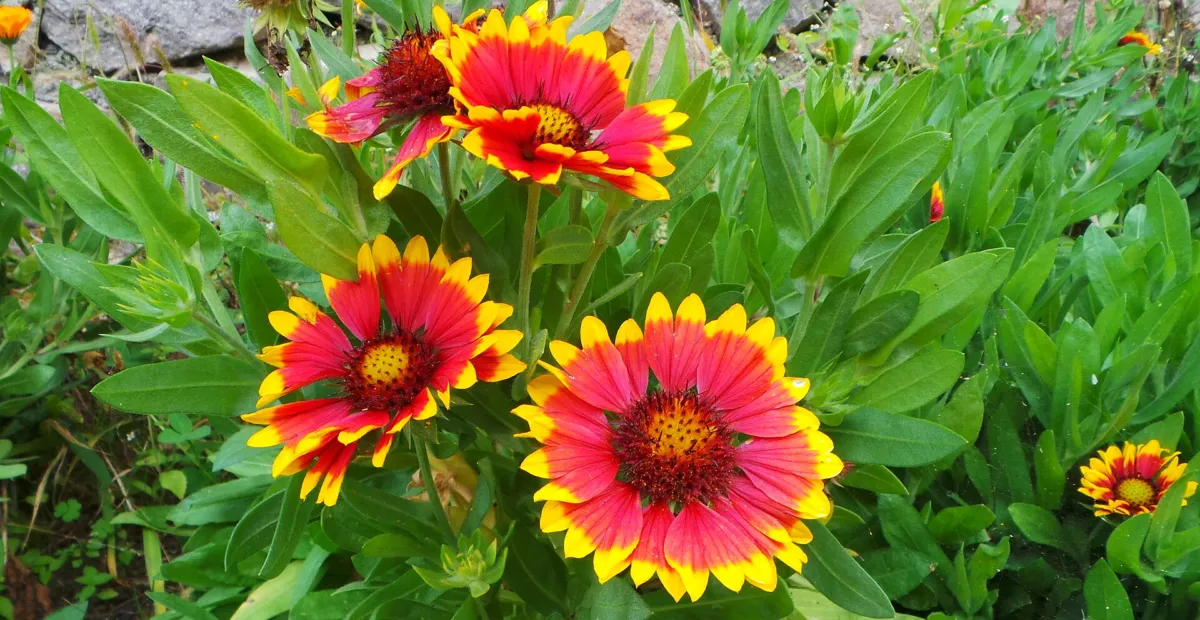
Leaves occur both near the base and along the stems. They are lance-shaped to oblanceolate, green, and noticeably rough or hairy, with margins that may be toothed, lobed, or nearly entire. Upright flower stalks rise above the foliage, and the mature fruits retain a distinctive bristly crown.
Flowering
Solitary flower heads appear at the ends of upright stems, usually from May through September in much of the United States. Each head combines yellow to orange-red, often bicolored ray florets with a reddish-purple central disk. Deadheading can extend the display, while leaving some heads provides autumn and winter interest.
Pollination and visitors
The conspicuous flower heads are documented as attracting bees and butterflies; beetle visitors are also reported for blanketflower. The plant contributes nectar and pollen resources during the summer flowering period, while its persistent seed heads can support birds after bloom.
Gaillardia aristata photos
Click any photo for a larger view. Source, author and license are shown separately.
Diseases and pests
Diseases
Improve drainage and air circulation to reduce powdery mildew and leaf spot. Avoid overhead watering late in the day. Remove badly affected foliage and discard diseased debris. Aster yellows causes distorted, abnormal flower growth and is spread by leafhoppers; remove infected plants promptly because curative treatment is unavailable.
Pests
Generally low pest pressure. Watch for leafhoppers, which can transmit aster yellows, and inspect for aphids or chewing insects if growth is distorted. Encourage airflow, avoid excessive nitrogen, and use hand removal or targeted low-impact controls before considering insecticides.
Related diseases and pests
Only Plant Doctor profiles whose host data indicate this plant may be affected are shown here.
 DiseaseImpatiens necrotic spot virus diseaseImpatiens necrotic spot orthotospovirus
 DiseaseBlack Root RotBerkeleyomyces basicola
 DiseaseAster yellows‘Candidatus Phytoplasma asteris’
 DiseasePowdery mildew caused by Golovinomyces cichoracearumGolovinomyces cichoracearum
 DiseaseMaple powdery mildewSawadaea bicornis
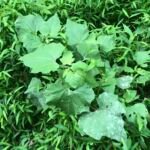 DiseaseCucurbit Powdery MildewPodosphaera xanthii (Castagne) U. Braun & Shishkoff
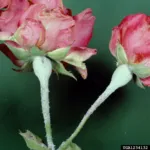 DiseaseRose powdery mildewPodosphaera pannosa
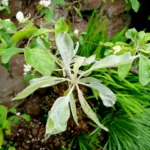 DiseaseApple Powdery MildewPodosphaera leucotricha
Toxicity and pollen
No well-established serious toxicity is documented for Gaillardia aristata in the reviewed horticultural and plant-safety references. The fuzzy hairs on stems and leaves may irritate sensitive skin, so gloves are sensible when handling the plant. Do not use traditional or medicinal claims as a substitute for medical guidance.
- Typical season
- May–September during flowering
- Pollination / pollen
- Insect-carried pollen; limited airborne dispersal
This is an insect-pollinated composite, so its pollen is not typically dispersed in large windborne clouds. Nevertheless, flowering plants can still bother highly sensitive individuals through direct contact or localized exposure. Avoid rubbing the face after handling and remove spent material carefully if symptoms occur.
Native habitat
Native populations occur in open, sunny habitats including dry prairies, plains, mountain meadows, sagebrush communities, and open woodland edges. It commonly occupies sandy, gravelly, or otherwise well-drained soils from low elevations to roughly 9,500 feet. Moisture-retentive winter soils are a major cause of failure.
Interesting fact
The epithet aristata means bristly and refers to the plant’s hairy surfaces. Its fruits carry a conspicuous crown of stiff aristate scales. The species is a true perennial, unlike some annual blanketflowers commonly sold under similar names. It is native to open habitats across the Great Plains and Rocky Mountain region.
Frequently asked questions (FAQ)
The most relevant questions about this plant, with short and direct answers.
🌱Quick care
What is common blanketflower (Gaillardia aristata)?⌄
Common blanketflower is a cold-hardy, short-lived perennial wildflower in the Asteraceae family. It produces bright daisy-like flowers and is valued for drought tolerance, pollinator support, and low-maintenance landscapes.
How much sun does Gaillardia aristata need?⌄
Gaillardia aristata grows best in full sun, meaning at least 6 hours of direct sunlight daily. Less light can reduce flowering and cause stems to become weak or floppy.
Is common blanketflower a perennial or an annual?⌄
Common blanketflower is a cold-hardy perennial, although individual plants may be relatively short-lived. It can persist through self-seeding when flowers are allowed to form seed heads.
How often should I water Gaillardia aristata?⌄
Water Gaillardia aristata regularly during its first growing season, then reduce watering once the roots are established. Mature plants generally need supplemental water only during extended heat or drought.
🌤️Environment and placement
What USDA hardiness zones can grow common blanketflower?⌄
Common blanketflower is generally hardy across much of the United States, commonly listed for USDA Zones 3 through 8, with some sources and cultivars extending beyond that range. Local performance can vary with drainage, humidity, and cultivar.
What type of soil is best for Gaillardia aristata?⌄
Gaillardia aristata prefers sandy, loamy, rocky, or otherwise loose soil that drains quickly. It tolerates poor soil better than rich soil, but heavy, wet clay can cause root problems.
Can common blanketflower grow in clay soil?⌄
Common blanketflower can tolerate some clay if drainage is adequate, but it performs poorly in dense, persistently wet clay. Plant it in a raised or amended location where excess water can escape.
Can Gaillardia aristata grow in containers?⌄
Gaillardia aristata can grow in containers if the pot has drainage holes and the soil is loose and fast-draining. Choose a container large enough for the root system and avoid keeping the mix constantly wet.
Is common blanketflower drought tolerant?⌄
Common blanketflower is drought tolerant once established because it handles dry soil and hot conditions well. Water it during prolonged drought to support flowering, especially in the first year.
Is Gaillardia aristata native to the United States?⌄
Gaillardia aristata is native to parts of North America, including much of the western and north-central United States and Canada. Its native range varies by state, so check local plant records before using it in restoration projects.
Does common blanketflower attract bees and butterflies?⌄
Yes, common blanketflower flowers attract bees, butterflies, and other pollinators. Mature seed heads may also provide food for birds.
💧Care and problems
Why is my Gaillardia aristata not blooming?⌄
The most common causes of poor flowering are insufficient sunlight, excessive nitrogen, overcrowding, or overly wet soil. Move or thin the plant if necessary and avoid heavy fertilization.
Should I fertilize common blanketflower?⌄
Usually, common blanketflower does not need fertilizer when grown in reasonably suitable soil. Excess fertility can produce weak, leafy growth and fewer flowers, so fertilize only if the plant shows clear signs of poor vigor.
Why is my blanketflower turning brown or dying?⌄
Brown or declining blanketflower may be responding to drought, natural dormancy, root rot, or disease. Check soil moisture and drainage first, because persistently wet roots are a frequent cause of serious decline.
What diseases affect Gaillardia aristata?⌄
Gaillardia aristata can be affected by powdery mildew, leaf spot, aster yellows, and root rot. Improve air circulation, avoid overhead watering, remove badly affected foliage, and correct poor drainage.
How do I overwinter common blanketflower?⌄
Common blanketflower generally overwinters outdoors without special protection in suitable USDA zones. Leave some stems for winter interest or cut old growth back in late fall or early spring, while avoiding heavy mulch that holds moisture around the crown.
🪴Planting and repotting
When should I plant Gaillardia aristata?⌄
Plant nursery-grown Gaillardia aristata in spring or early fall, avoiding periods of extreme heat or frozen ground. Direct-sow seeds in spring after the soil can be worked, or use fall sowing where local conditions support natural germination.
How deep should I plant common blanketflower seeds?⌄
Sow common blanketflower seeds about 1/4 inch deep or press them onto the soil surface and cover them very lightly. Keep the seedbed evenly moist until germination, then gradually reduce watering as seedlings establish.
Does Gaillardia aristata need cold stratification?⌄
Gaillardia aristata seed generally does not require cold stratification or scarification to germinate. Fresh, viable seed and consistent moisture are usually more important than pretreatment.
How far apart should I plant common blanketflower?⌄
Space common blanketflower plants about 12 to 24 inches apart, depending on the mature size of the selection and the desired density. Wider spacing improves air circulation and reduces disease pressure in humid areas.
✂️Propagation and pruning
How do I grow Gaillardia aristata from seed?⌄
Sow the seeds shallowly in a well-drained seed-starting mix or prepared garden bed and keep them lightly moist until they emerge. Transplant seedlings once they have several true leaves, handling the roots carefully.
Can I collect seeds from common blanketflower?⌄
Yes, collect common blanketflower seeds after the flower heads dry and turn brown. Store the cleaned seeds in a cool, dry, dark place and sow them the following season.
Can Gaillardia aristata be divided?⌄
Gaillardia aristata can be divided in early spring or fall while the plant is dormant or growing slowly. Division is possible, but seed propagation is often simpler because the species is readily grown from seed.
Should I deadhead common blanketflower?⌄
Deadheading is optional but can improve appearance and encourage additional flowers. Leave some spent heads in place if you want natural reseeding or winter seed for birds.
When should I cut back Gaillardia aristata?⌄
Cut back old stems and foliage in late fall or early spring before new growth begins. Removing dead growth in spring can protect overwintering wildlife and makes it easier to identify new shoots.
⚠️Toxicity and safety
Is Gaillardia aristata toxic to dogs, cats, or people?⌄
No established serious toxicity is documented for Gaillardia aristata, but definitive safety data are limited. The hairy stems and leaves may irritate skin, so wear gloves when handling the plant and prevent pets or children from chewing large amounts.
Can common blanketflower irritate skin?⌄
Yes, the hairy surfaces of common blanketflower may cause skin irritation in sensitive people. Wear gloves and long sleeves when pruning, dividing, or pulling the plant.
🌸Flowering and special interest
When does common blanketflower bloom?⌄
Common blanketflower typically blooms from early or midsummer into late summer, with timing varying by climate and growing conditions. Full sun and occasional water during severe drought can help extend flowering.
How can I make Gaillardia aristata bloom longer?⌄
Remove faded flowers regularly to encourage continued blooming. Adequate sunlight, moderate moisture during prolonged dry spells, and avoiding excess fertilizer also support a longer flowering display.
Why did my blanketflower stop blooming in midsummer?⌄
Blanketflower may pause during intense summer heat, drought, or stress from poor drainage. Cutting back tired flowering stems and providing deep, occasional water during severe dryness may encourage a later flush.
Does common blanketflower reseed itself?⌄
Common blanketflower can reseed itself when mature flower heads are left on the plant. Seedling numbers vary with weather, soil exposure, moisture, and whether nearby competition is removed.
Similar plants
 Azure Monkshood (Aconitum carmichaelii) care guideAconitum carmichaelii
 Monkshood (Aconitum ‘Stainless Steel’)Aconitum 'Stainless Steel'
 Monkshood (Aconitum ‘Bressingham Spire’)Aconitum 'Bressingham Spire'
 Golden full moon maple (Acer shirasawanum ‘Aureum’)Acer shirasawanum 'Aureum'
 Globosum (Acer platanoides ‘Globosum’)Acer platanoides 'Globosum'
 Striped maple (Acer pensylvanicum) care guideAcer pensylvanicum