
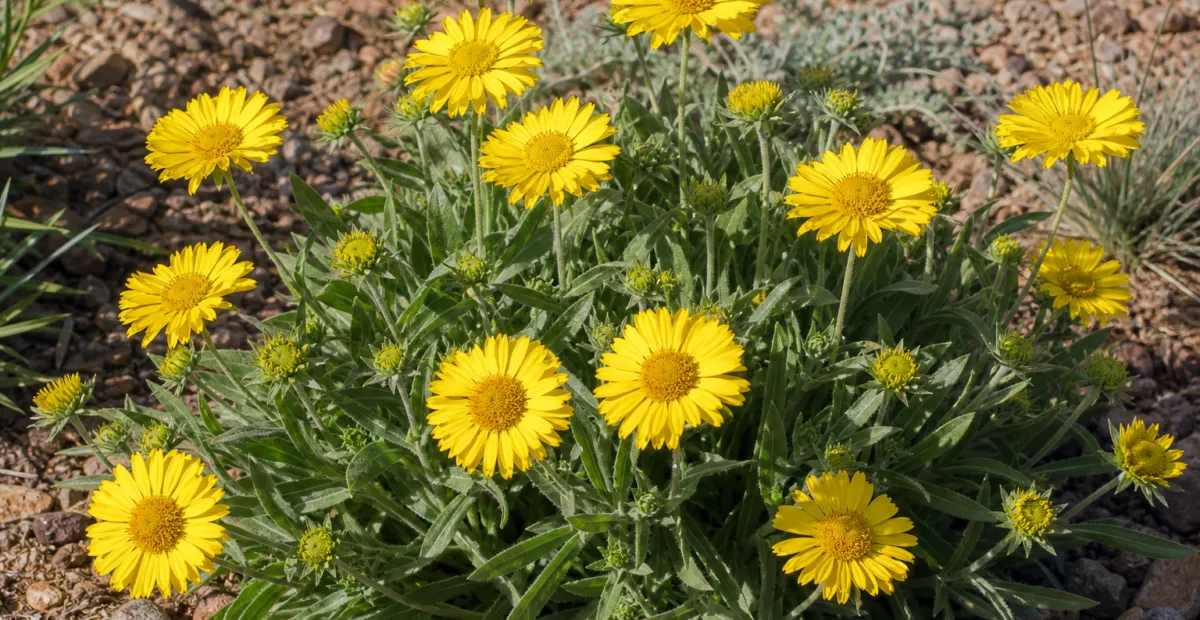
 AI-generated illustration
Mesa Yellow (Gaillardia aristata ‘Mesa Yellow’) short overview
Gaillardia aristata 'Mesa Yellow' is a compact, seed-grown perennial selected for its uniform habit and clear yellow, daisy-like flower heads. It blooms for much of the summer in full sun and tolerates heat, drought, lean soil, and dry garden conditions once established. Plant it in sharply drained soil, avoid persistent winter wet, and use it in borders, containers, cutting gardens, or pollinator-friendly plantings.
Taxonomic classification
Mesa Yellow (Gaillardia aristata ‘Mesa Yellow’) care guide
Light and placement
Give the plant at least 6 hours of direct sun, ideally in a south- or west-facing bed with open airflow. Morning sun with light afternoon shade may work in very hot climates, but too much shade causes fewer flowers, weaker stems, and a looser habit. Scorched leaf margins or rapid wilting despite moist soil can indicate excessive reflected heat or root problems rather than a simple need for more water.
Watering and humidity
Water deeply when the upper several inches of soil have dried, rather than giving frequent shallow sprinkles. Provide regular moisture during the first season and during prolonged heat, then taper to low irrigation once established. Let the soil dry between waterings and never leave containers standing in water. Humidity is not a major requirement; airflow and drainage matter more.
Soil and growing medium
Use sandy, loamy, or gritty soil that drains quickly after rain. Average garden soil is acceptable if it is not compacted or persistently wet. A neutral to slightly alkaline reaction is suitable; the plant tolerates some calcareous or salty conditions. Avoid rich, moisture-retentive beds, which can shorten plant life and increase root-rot risk.
Feeding
Feed sparingly. Work a small amount of compost into poor soil before planting, or apply a balanced slow-release perennial fertilizer in spring at the label rate. Avoid repeated high-nitrogen feeding, which encourages soft foliage and can reduce flowering or increase disease susceptibility. Do not fertilize drought-stressed, newly transplanted, or waterlogged plants until they recover.
Growth and habit
Plants form a uniform, compact, well-branched clump with upright flowering stems. The cultivar is valued for strong branching, early flowering, heat tolerance, and drought performance after establishment. Avoid overwatering and excessive nitrogen, which can make growth softer and increase the likelihood of decline in wet soils.
Planting and repotting
Plant after the final hard freeze in spring, or in early fall with enough time for roots to establish. Set the crown at soil level rather than burying it. Space plants about 14–22 inches apart, using the wider spacing where airflow is limited. Water regularly during the first growing season, then reduce irrigation as the root system becomes established.
Container-grown plants can be shifted in spring or early fall. Use a container with drainage holes and a porous perennial mix amended with coarse material. Move only one root-ball size larger, because excess unused soil stays wet. Replant at the original depth and water thoroughly once, then allow the surface to dry between waterings.
Propagation and pruning
Propagation
Primarily propagated by seed; the Mesa series is known for uniform, first-year flowering from seed. Sow shallowly or cover only lightly, keep the medium evenly moist during germination, and provide cooler conditions after emergence. Division is possible for established clumps in spring, but seed is the more characteristic commercial method.
Pruning
Deadhead spent flower heads to extend the display and maintain a tidy appearance. In late fall or early spring, cut back old stems after they have provided winter structure and any desired seed resource. Remove diseased foliage promptly and sanitize pruners between affected plants.
Overwintering
Leave healthy stems standing through winter where seedheads and structure are desired, then cut them back before new spring growth. In cold regions, drainage is more important than heavy mulch. Use only a thin, breathable mulch layer and keep it away from the crown. Container plants are more exposed to freezing and should be placed in a sheltered location outdoors.
Uses
Use in sunny perennial borders, low-maintenance landscapes, xeric or rock gardens, containers, balcony plantings, and cut-flower gardens. Its bright yellow flower heads are useful in pollinator plantings and complement grasses and other drought-tolerant perennials. It is not documented here as a culinary or medicinal plant.
Appearance
The plant has narrow, lance-shaped leaves that are green to gray-green and softly to stiffly hairy. Leaves are concentrated near the base and lower stems, while erect, branched stems carry solitary daisy-like heads. The cultivar is recognized by its compact, evenly branched habit and consistently clear-yellow rays rather than the red-centered pattern common in many blanketflowers.
Flowering
The cultivar produces numerous single flower heads with flat, solid-yellow ray florets surrounding a yellow to golden central disk. It is noted for early, abundant, long-lasting bloom and can flower in its first year from seed. Removing faded heads may encourage continued production, although leaving some seedheads provides winter structure and wildlife value.
Pollination and visitors
The open flower heads provide accessible nectar and pollen for bees, bumblebees, butterflies, and other flower-visiting insects. Blanketflower is widely documented as a pollinator and wildlife plant, but a specific pollinator species could not be confirmed for this exact cultivar.
Diseases and pests
Diseases
The main concerns are root or crown rot in poorly drained soil, powdery mildew during humid weather, aster yellows, and fungal leaf spots. Prevent problems with full sun, good spacing, clean watering practices, and fast drainage. Remove badly affected foliage or plants. Aster-yellows-infected plants should be removed promptly because the disease is phytoplasma-related and spread by leafhoppers.
Pests
Aphids, leafhoppers, thrips, and spider mites may occur, especially on stressed plants. Inspect new growth and the undersides of leaves. Improve watering consistency and airflow first; use a strong water spray for minor aphid infestations and reserve insecticidal soap for persistent problems. Leafhoppers are important because they can spread aster yellows, so remove infected plants rather than trying to cure them.
Related diseases and pests
Only Plant Doctor profiles whose host data indicate this plant may be affected are shown here.
 DiseaseImpatiens necrotic spot virus diseaseImpatiens necrotic spot orthotospovirus
 DiseaseBlack Root RotBerkeleyomyces basicola
 DiseaseAster yellows‘Candidatus Phytoplasma asteris’
 DiseasePhytophthora root and crown rotPhytophthora nicotianae
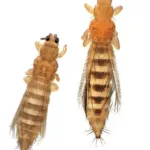 PestOnion thripsThrips tabaci Lindeman
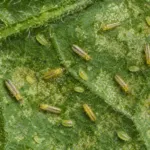 PestMelon thripsThrips palmi Karny
 PestChilli thripsScirtothrips dorsalis Hood
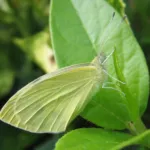 PestImported cabbagewormPieris rapae
Toxicity and pollen
No reliable authoritative evidence was found establishing this exact cultivar as toxic to people, dogs, cats, or children. Do not treat that absence as proof of edibility. Normal gardening precautions apply: avoid ingesting ornamental plant material, wash hands after handling, and contact a medical or veterinary professional after a significant ingestion or unusual reaction.
- Typical season
- June–September
- Pollination / pollen
- Heavy, insect-transferred pollen
This is an insect-pollinated daisy relative, so its pollen is generally transferred locally by flower visitors rather than released in large quantities like wind-pollinated grasses or trees. Airborne exposure is therefore expected to be low, but sensitive people can still react to pollen or plant contact.
Native habitat
The parent species occurs in open prairies, meadows, grasslands, dry hillsides, sagebrush communities, and montane sites across western North America and the northern Great Plains. It favors sunny, coarse or well-drained soils and can occur from low elevations to roughly 9,000 feet. The named cultivar is a horticultural selection rather than a wild population.
Interesting fact
‘Mesa Yellow’ was an All-America Selections winner in 2010 and also received a Fleuroselect Gold Medal. The Mesa series was developed for uniform, compact growth and first-year flowering from seed. The species name aristata refers to the bristly hairs on the stems, leaves, and flower bracts.
Frequently asked questions (FAQ)
The most relevant questions about this plant, with short and direct answers.
🌱Quick care
How much sun does Gaillardia aristata 'Mesa Yellow' need?⌄
Gaillardia aristata 'Mesa Yellow' needs full sun, ideally at least 6 hours of direct sunlight daily. More light generally produces sturdier growth and heavier flowering.
Is Gaillardia aristata 'Mesa Yellow' a perennial?⌄
Yes, Gaillardia aristata 'Mesa Yellow' is grown as a hardy perennial blanket flower. Its longevity is best in sunny, sharply drained soil, although individual plants may be relatively short-lived.
How tall does Gaillardia aristata 'Mesa Yellow' get?⌄
Gaillardia aristata 'Mesa Yellow' typically grows about 14–18 inches tall. Its compact, mounded habit is useful in borders, containers, and smaller sunny garden spaces.
How wide does Gaillardia aristata 'Mesa Yellow' spread?⌄
Gaillardia aristata 'Mesa Yellow' usually spreads about 20–22 inches wide. Space plants roughly 14 inches apart when establishing a dense planting, allowing for mature airflow.
Is Gaillardia aristata 'Mesa Yellow' drought tolerant?⌄
Yes, Gaillardia aristata 'Mesa Yellow' is drought tolerant once established. Water it regularly during its first growing season, then allow the soil to dry somewhat between deep waterings.
🌤️Environment and placement
What soil is best for Gaillardia aristata 'Mesa Yellow'?⌄
Use sandy, gritty, loamy, or otherwise well-drained soil for Gaillardia aristata 'Mesa Yellow'. It can perform well in lean soil, while heavy or constantly wet soil increases the risk of root and crown problems.
Can Gaillardia aristata 'Mesa Yellow' grow in clay soil?⌄
Gaillardia aristata 'Mesa Yellow' can grow in clay only when drainage is improved substantially. Amend the planting area with organic matter and coarse material, or grow the plant in a raised bed if water remains trapped.
Can Gaillardia aristata 'Mesa Yellow' grow in a container?⌄
Yes, Gaillardia aristata 'Mesa Yellow' grows well in containers with drainage holes and a porous potting mix. Choose a container at least 12 inches wide and avoid using a saucer that keeps the roots wet.
What USDA hardiness zones are suitable for Gaillardia aristata 'Mesa Yellow'?⌄
Gaillardia aristata 'Mesa Yellow' is commonly listed for approximately USDA Zones 5–10, with some seed sources reporting broader hardiness. Local winter drainage and moisture can matter as much as minimum temperature.
💧Care and problems
How often should I water Gaillardia aristata 'Mesa Yellow'?⌄
Water Gaillardia aristata 'Mesa Yellow' deeply when the soil has dried several inches below the surface. Established plants usually need supplemental water only during prolonged heat or drought.
Does Gaillardia aristata 'Mesa Yellow' need fertilizer?⌄
Gaillardia aristata 'Mesa Yellow' usually needs little or no fertilizer. Excessively rich soil or heavy feeding can encourage foliage at the expense of flowers and may reduce performance in poorly drained beds.
Why is my Gaillardia aristata 'Mesa Yellow' not flowering?⌄
Insufficient sunlight, excessive nitrogen, overwatering, or immature growth are common reasons Gaillardia aristata 'Mesa Yellow' may flower poorly. Move or thin plants for better light and drainage, and avoid routine high-nitrogen fertilizer.
Why are the leaves of Gaillardia aristata 'Mesa Yellow' turning brown?⌄
Brown leaves on Gaillardia aristata 'Mesa Yellow' may result from drought stress, root damage from wet soil, or normal aging after flowering. Check soil moisture and drainage before increasing irrigation.
Does Gaillardia aristata 'Mesa Yellow' need deadheading?⌄
Deadheading is optional but can help Gaillardia aristata 'Mesa Yellow' maintain a tidy appearance and continue producing flowers. Leave some seed heads if you want winter interest or possible self-sown seedlings.
🪴Planting and repotting
When should I plant Gaillardia aristata 'Mesa Yellow' outdoors?⌄
Plant Gaillardia aristata 'Mesa Yellow' outdoors after the danger of severe frost has passed and the soil is workable. Harden indoor-grown plants for about a week before transplanting them into full sun.
How do I plant Gaillardia aristata 'Mesa Yellow' from seed?⌄
Sow Gaillardia aristata 'Mesa Yellow' seed on the surface or barely cover it, keep the medium evenly moist, and provide about 70–80°F for germination. Seedlings can flower in their first year when started early indoors.
✂️Propagation and pruning
Can Gaillardia aristata 'Mesa Yellow' be grown from seed?⌄
Yes, Gaillardia aristata 'Mesa Yellow' is a seed-propagated F1 hybrid designed to flower relatively quickly from seed. Offspring may not reproduce the parent’s uniform habit and flower color exactly.
Can I propagate Gaillardia aristata 'Mesa Yellow' by cuttings?⌄
Seed is the most practical propagation method for Gaillardia aristata 'Mesa Yellow'. Cuttings or division may be possible with Gaillardia plants generally, but they are less commonly used for this seed-propagated hybrid.
Should I cut back Gaillardia aristata 'Mesa Yellow' in fall?⌄
You can cut Gaillardia aristata 'Mesa Yellow' back after flowering or leave the stems through winter. Leaving seed heads provides structure and food for birds, while cutting back reduces debris and self-seeding.
⚠️Toxicity and safety
Is Gaillardia aristata 'Mesa Yellow' toxic to dogs or cats?⌄
Gaillardia aristata 'Mesa Yellow' has no established toxicity classification in the supplied plant records. Prevent pets and children from eating it, because plant ingestion can still cause digestive upset or an unexpected reaction.
Is Gaillardia aristata 'Mesa Yellow' safe to eat?⌄
No, Gaillardia aristata 'Mesa Yellow' should not be eaten. Its flowers and foliage are ornamental, and there is insufficient reliable evidence to treat this cultivar as edible.
🌸Flowering and special interest
What color flowers does Gaillardia aristata 'Mesa Yellow' produce?⌄
Gaillardia aristata 'Mesa Yellow' produces bright, solid-yellow, daisy-like flowers with yellow central discs. The blooms are typically about 3 inches across.
When does Gaillardia aristata 'Mesa Yellow' bloom?⌄
Gaillardia aristata 'Mesa Yellow' generally blooms from early summer into late summer or fall, depending on climate and planting date. Early indoor sowing can produce flowers during the first growing season.
Does Gaillardia aristata 'Mesa Yellow' attract pollinators?⌄
Yes, the nectar-rich flowers of Gaillardia aristata 'Mesa Yellow' attract butterflies, bees, and other flower-visiting insects. Plant it in an open, sunny location for the best pollinator activity.
Is Gaillardia aristata 'Mesa Yellow' good for a cut-flower garden?⌄
Yes, Gaillardia aristata 'Mesa Yellow' can be used as a cut flower because its strong stems and bright blooms hold visual color well. Harvest stems when the flowers are freshly open and remove lower foliage before placing them in water.
Similar plants
 Azure Monkshood (Aconitum carmichaelii) care guideAconitum carmichaelii
 Monkshood (Aconitum ‘Stainless Steel’)Aconitum 'Stainless Steel'
 Monkshood (Aconitum ‘Bressingham Spire’)Aconitum 'Bressingham Spire'
 Golden full moon maple (Acer shirasawanum ‘Aureum’)Acer shirasawanum 'Aureum'
 Globosum (Acer platanoides ‘Globosum’)Acer platanoides 'Globosum'
 Striped maple (Acer pensylvanicum) care guideAcer pensylvanicum