
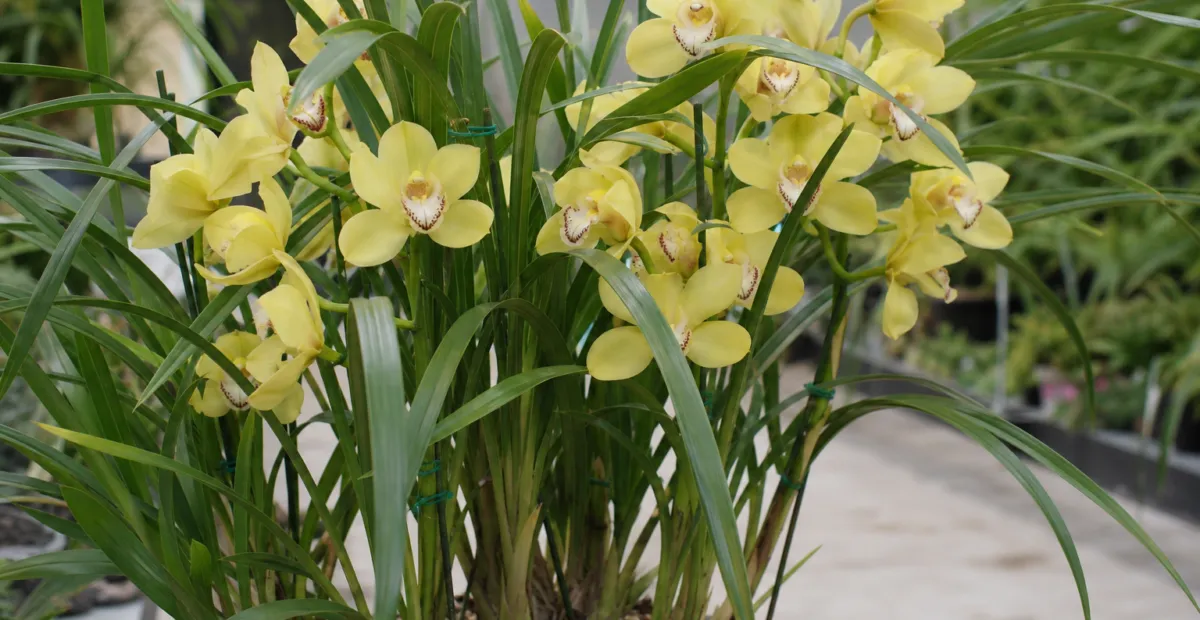
 AI-generated illustration
Cymbidium ‘Yellow Moon’ short overview
Cymbidium 'Yellow Moon' is the supplied name of an orchid cultivar or horticultural selection, but authoritative sources reviewed did not confirm a stable registration, parentage, award record, or cultivar description for this exact name. It should therefore be treated as an identity requiring label or breeder verification. General care can follow cool-growing Cymbidium guidance: bright filtered light, evenly moist but well-drained orchid media, seasonal feeding, and cool autumn nights to encourage flowering.
Taxonomic classification
Cymbidium ‘Yellow Moon’ care guide
Light and placement
Provide bright filtered light, such as an east-facing window or a bright south or west exposure shaded during strong midday summer sun. Outdoor plants can receive substantial morning light with light afternoon shade. Dark green, floppy growth and poor flowering suggest insufficient light; pale yellow leaves, dry black scorch marks, or bleached foliage indicate excessive light or heat.
Watering and humidity
During spring and summer, water thoroughly whenever the upper surface begins to lose moisture, allowing excess water to drain freely. Cymbidiums prefer a consistently moist medium rather than repeated complete drying, but roots should not sit in water. Reduce frequency after pseudobulbs finish growing and keep the mix only lightly moist in winter. Use room-temperature water and avoid persistent water in the crown.
Soil and growing medium
Use a medium-textured Cymbidium or terrestrial orchid mix that retains moisture while remaining open around the roots; fir bark with peat or coir and perlite is suitable. Ordinary dense potting soil can suffocate roots unless specially adapted for orchid culture. A slightly acidic to near-neutral medium is appropriate. Drainage holes are essential, and compacted or decomposed mix should be replaced.
Feeding
Feed during active spring and summer growth with a balanced, water-soluble orchid fertilizer at about half strength, adjusting to the product label and potting medium. A higher-nitrogen formula may be used early in growth, followed by balanced feeding later in the season. Do not fertilize dry roots, newly divided plants, or dormant winter plants. Flush the pot thoroughly with plain water periodically to limit salt accumulation.
Growth and habit
Cymbidiums form clumps of leafy pseudobulbs, with new growth emerging from the base of mature bulbs. Allowing several healthy pseudobulbs to remain together generally supports stronger flowering than frequent division. The exact vigor, mature size, and flowering performance of 'Yellow Moon' are unverified because the cultivar identity and parentage were not confirmed.
Planting and repotting
For container culture, select a pot with generous drainage and use a fresh, moisture-retentive Cymbidium mix. Position active new growth toward the open side of the pot so it has room to expand. Keep the pseudobulb bases close to the surface rather than burying them. Establish newly potted plants in bright filtered light and avoid heavy feeding until new roots and growth are active.
Repot after flowering when the medium has decomposed or the plant has outgrown its container, commonly every two to three years. Remove loose old mix, trim only dead or damaged roots, and use a fresh moisture-retentive orchid medium. Keep divisions substantial rather than repeatedly splitting the clump.
Propagation and pruning
Propagation
The practical method for a named Cymbidium is division during spring repotting. Each division should retain several healthy pseudobulbs and at least one active or developing growth; very small divisions may skip a flowering season. Seed propagation is specialized and does not preserve a named cultivar reliably.
Pruning
Remove spent flower spikes after flowering by cutting them near the base with a sterile tool. Remove only fully dead or diseased leaves and pseudobulbs. Avoid cutting healthy green foliage, since it continues to support the clump and future growth.
Overwintering
In most of the United States, grow in a bright, cool room, greenhouse, enclosed porch, or protected patio during cold weather. Move plants under cover before temperatures approach 40°F, especially while in bud. Maintain modest humidity, avoid stagnant air, and reduce watering without allowing the pseudobulbs to shrivel.
Uses
Primarily a specimen orchid for bright homes, cool greenhouses, sheltered patios, and frost-free containers. Cymbidium flower spikes are also used as long-lasting cut flowers, but use of this exact cultivar for cutting has not been documented. No culinary or medicinal use should be assumed.
Appearance
Typical Cymbidiums have strap-like, arching leaves arising from swollen pseudobulbs and form dense clumps over time. The supplied cultivar name does not provide reliable evidence for a distinctive flower or foliage color, shape, or marking, so those identification features should not be inferred. Confirm the plant against a breeder or accession record before using photographs as a cultivar reference.
Flowering
Cymbidium hybrids commonly initiate spikes after a period of cooler autumn nights, with flowering often occurring from late fall through spring under suitable conditions. The exact season, flower count, color, form, fragrance, and spike habit of 'Yellow Moon' were not verified. Avoid moving a plant abruptly once buds are developing, because temperature stress can contribute to bud loss.
Pollination and visitors
No reliable source reviewed documented the pollinator or regular animal visitors of the exact cultivar 'Yellow Moon'. General Cymbidium flowers may be adapted to insect pollination, but cultivar-specific visitor claims should not be inferred from genus-level floral biology alone.
Diseases and pests
Diseases
Excess moisture, poor drainage, and stagnant air can contribute to root rot and flower-spotting Botrytis. Use clean pots and tools, remove affected tissue, keep foliage and flowers dry overnight, and provide ventilation. Isolate symptomatic plants and correct watering or medium problems before considering a labeled fungicide.
Pests
Watch for scale, aphids, mealybugs, spider mites, thrips, and occasional snails or slugs outdoors. Inspect leaf bases, pseudobulbs, and new growth regularly. Remove light infestations manually or with an appropriate horticultural soap or oil when the label permits; avoid spraying stressed plants or flowers and repeat only as directed.
Related diseases and pests
Only Plant Doctor profiles whose host data indicate this plant may be affected are shown here.
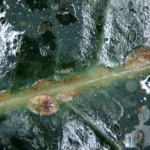 PestBrown Soft ScaleCoccus hesperidum
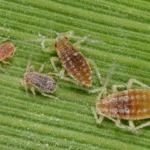 PestMealy Plum AphidHyalopterus pruni (Geoffroy, 1762)
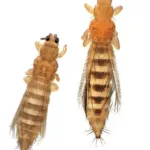 PestOnion thripsThrips tabaci Lindeman
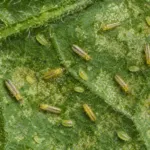 PestMelon thripsThrips palmi Karny
 DiseaseFava Bean Chocolate SpotBotrytis fabae
 DiseaseGray MoldBotrytis cinerea
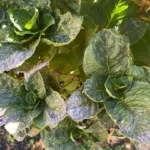 PestChilli thripsScirtothrips dorsalis Hood
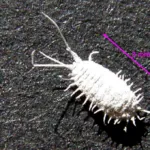 PestObscure mealybugPseudococcus viburni
Toxicity and pollen
Independent confirmation of toxicity for Cymbidium 'Yellow Moon' was not found. Absence of a listing is not proof of safety, and the exact plant identity is itself unverified. Keep plants and potting materials away from children and pets, discourage chewing, and seek professional advice if plant material is swallowed or causes irritation.
- Typical season
- Typically during flowering; exact season unverified.
- Pollination / pollen
- Pollen is released from orchid pollinia rather than as abundant loose airborne pollen.
Orchid pollen is packaged in pollinia and is generally not dispersed as large quantities of loose airborne grains. That structure may reduce ordinary airborne exposure, but it does not establish zero allergy risk. Sensitive people should avoid handling flowers if symptoms occur and improve ventilation indoors.
Native habitat
Cymbidium as a genus occupies varied habitats from tropical and subtropical Asia to Australia, including terrestrial, lithophytic, and epiphytic settings. Many cultivated hybrids descend from species associated with seasonal moisture, bright light, and cooler elevations. These broad ecological facts do not establish the parentage or exact environmental preferences of 'Yellow Moon'.
Interesting fact
The name 'Yellow Moon' appears in orchid records for other genera and hybrids, creating a substantial risk of cross-genus misidentification. The reviewed evidence did not establish this exact name as a published Cymbidium cultivar. Cymbidiums are among the orchids with a long history of cultivation in China. Cool autumn nights are often important for spike initiation in standard hybrids.
Similar plants
 Azure Monkshood (Aconitum carmichaelii) care guideAconitum carmichaelii
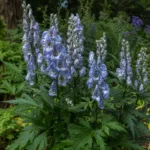 Monkshood (Aconitum ‘Stainless Steel’)Aconitum 'Stainless Steel'
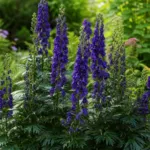 Monkshood (Aconitum ‘Bressingham Spire’)Aconitum 'Bressingham Spire'
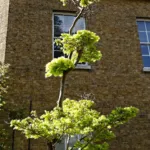 Golden full moon maple (Acer shirasawanum ‘Aureum’)Acer shirasawanum 'Aureum'
 Globosum (Acer platanoides ‘Globosum’)Acer platanoides 'Globosum'
 Striped maple (Acer pensylvanicum) care guideAcer pensylvanicum