
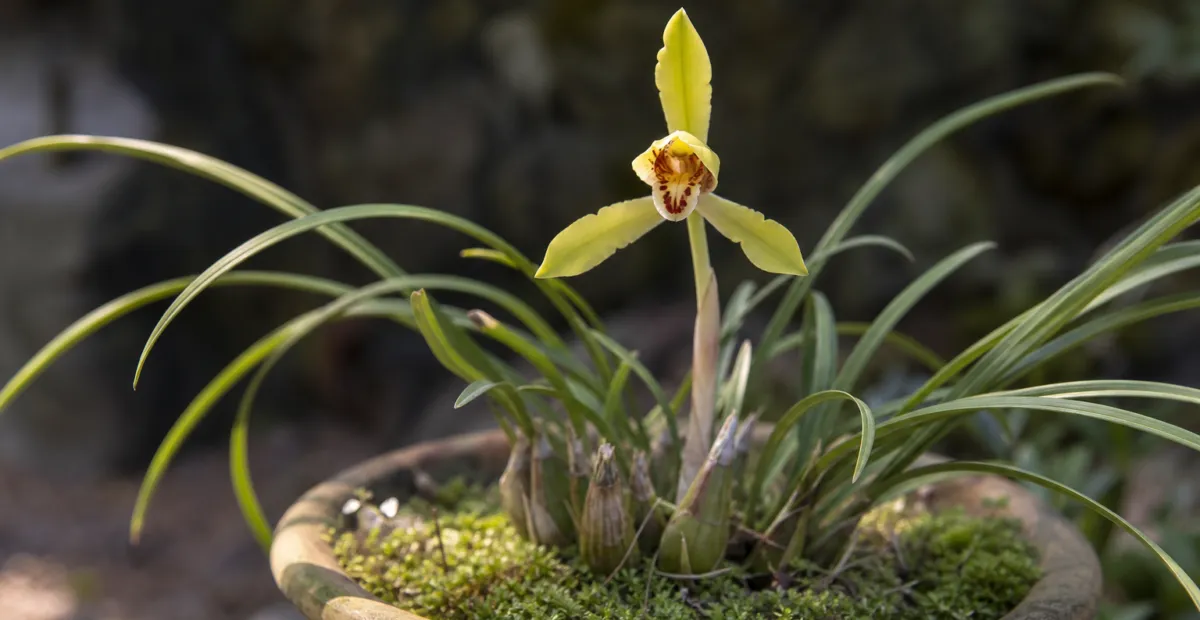
 AI-generated illustration
Noble Orchid (Cymbidium goeringii) short overview
Noble Orchid is a cool-growing, terrestrial Asian orchid valued for its elegant evergreen foliage and intensely fragrant, usually yellowish-green flowers marked with reddish-brown. Cymbidium goeringii grows from compact pseudobulbs and typically produces one flower spike per mature growth. In the United States, it is best grown in a well-drained orchid medium with bright filtered light, steady moisture during active growth, cooler autumn nights, and protection from hard frost.
Taxonomic classification
Noble Orchid (Cymbidium goeringii) care guide
Light and placement
Provide bright filtered light or light partial shade. An east-facing window, bright north-facing exposure, or a shaded outdoor position is suitable; stronger winter light is helpful, while hot direct afternoon sun can scorch leaves. Pale yellow-green foliage and dry, reddish patches suggest excessive light. Very dark, soft-looking foliage and weak flowering usually indicate insufficient light.
Watering and humidity
Water thoroughly with lukewarm water when the upper portion of the medium begins to dry, then let excess drain completely. Keep the mix more consistently moist during spring and summer growth, but reduce frequency in fall and winter without allowing pseudobulbs to shrivel. Avoid water standing around the roots, and water early enough for leaves to dry before night. Humidity near 50% or higher is useful, but ventilation is equally important.
Soil and growing medium
Use a coarse, open orchid medium based on fine to medium fir bark with perlite, charcoal or another mineral aeration component. The roots need oxygen and rapid drainage, yet the mix should retain modest moisture between waterings. Avoid dense garden soil and fine peat-heavy media. A slightly acidic to neutral root environment is suitable; decomposed or compacted mix should be replaced promptly.
Feeding
Feed during active growth with a balanced orchid fertilizer diluted to quarter- or half-strength after watering. A practical indoor schedule is every two to three weeks from spring through early fall, with less frequent feeding in late fall and winter. Flush the pot periodically to reduce salt buildup. Do not fertilize a severely dry, recently divided, diseased or dormant plant.
Growth and habit
This species grows sympodially: new leafy shoots develop from the leading edge of a clump while older pseudobulbs remain as storage organs. Each mature growth can produce a single flowering scape, so flowering may be reduced after division or prolonged stress. Keep enough space in the container for forward growth, and avoid burying pseudobulbs deeply.
Planting and repotting
Use a container with generous drainage and plant into fresh, coarse orchid medium. Position the oldest pseudobulbs near the pot edge so the newest growths have room to advance. Keep the rhizome and pseudobulbs above or just at the medium surface. Water lightly at first after division, then resume a normal rhythm once new roots or shoots begin active growth.
Repot after flowering in spring or early summer, usually every two to three years or when the medium decomposes. Use a clean pot only slightly larger than the root mass. Remove dead roots with sterilized tools, keep the oldest pseudobulbs near the edge, and leave room for forward growth. Avoid overpotting, which can keep the medium wet too long.
Propagation and pruning
Propagation
The practical method is division of a large clump after flowering, ideally retaining at least three mature pseudobulbs and one active lead per division. Seed propagation requires specialized sterile orchid culture and mycorrhizal or laboratory support, so it is not a routine home method. Disinfect tools between plants to reduce virus transmission.
Pruning
Remove spent flower spikes at their base with sterilized pruners once flowering is finished. Remove only fully dead, yellow or diseased leaves; green leaves continue supporting pseudobulbs. Do not cut healthy roots or trim foliage merely to reshape the plant.
Overwintering
In colder parts of the United States, move container plants under cover before hard frost. Provide a bright, cool location with good air circulation, reduced watering and a distinct day–night temperature difference. Avoid warm, dim winter rooms, which can weaken growth and interfere with flowering. Outdoor plants need a protected microclimate and excellent drainage.
Uses
Primarily grown as a specimen orchid, fragrant container plant, conservatory subject and exhibition plant. Its evergreen foliage and seasonal flowers suit cool sunrooms, sheltered patios and protected woodland-style displays. It is also valued in East Asian horticultural traditions for leaf form, flower shape and fragrance. Do not treat ornamental use as evidence of medicinal or culinary safety.
Appearance
Cymbidium goeringii has small ovoid pseudobulbs partly enclosed by leaf bases and narrow, linear, evergreen leaves that arch outward from the clump. The foliage is often a major ornamental feature. Flower spikes are relatively short compared with those of many florist Cymbidium hybrids and commonly carry one, occasionally two, flowers.
Flowering
Flowering is seasonal and generally follows maturation of a pseudobulb and exposure to cooler autumn conditions. The species commonly produces one scape per mature growth, with a single fragrant, nectarless flower and occasional reports of two. Flowers may remain open for several weeks. Exact timing varies with latitude, cultivar, winter temperatures and cultural conditions.
Pollination and visitors
Field research in China documented visits by the Asian honey bee Apis cerana cerana and another solitary bee, Anthophora melanognatha; only the honey bee was observed functioning as a pollinator. Visits were infrequent, and the flowers offered no obvious nectar reward. Bees entered between the column and labellum and removed or deposited the pollinaria during their exit.
Cymbidium goeringii photos
Click any photo for a larger view. Source, author and license are shown separately.
Diseases and pests
Diseases
Overwatering and poor ventilation can cause root rot and fungal spotting. Water in the morning, keep leaves from remaining wet overnight, and discard badly damaged tissue with sterilized tools. Isolate new plants and watch for mosaic or ringspot symptoms, because orchid viruses are difficult to cure and can spread through shared cutting tools.
Pests
Inspect leaf bases, new growth and roots for scale, aphids, mealybugs, spider mites and thrips. Improve air circulation and remove small infestations manually or with a suitable horticultural treatment labeled for orchids. Repeat treatments as directed, isolate affected plants and avoid applying products to heat-stressed or drought-stressed foliage.
Related diseases and pests
Only Plant Doctor profiles whose host data indicate this plant may be affected are shown here.
 PestBrown Soft ScaleCoccus hesperidum
 Environmental stressOverwatering
 DiseaseTomato mosaic virusTobamovirus tomatotessellati
 DiseaseTobacco mosaic virusTobamovirus tabaci
 DiseasePepino mosaic virusPepino mosaic virus (PepMV)
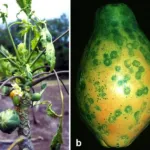 DiseasePapaya ringspot virusPapaya ringspot virus
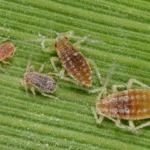 PestMealy Plum AphidHyalopterus pruni (Geoffroy, 1762)
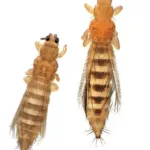 PestOnion thripsThrips tabaci Lindeman
Toxicity and pollen
ASPCA lists orchids as non-toxic to dogs and cats, but a species-specific toxicology dataset for Cymbidium goeringii is limited. Normal ornamental contact is not expected to pose a poisoning risk. Chewing any plant can still cause mild gastrointestinal upset, and commercial pesticides, fertilizers or treated potting media may be hazardous independently of the plant.
- Typical season
- During flowering, typically late winter to spring
- Pollination / pollen
- Pollinia enclosed in orchid pollinaria; not freely wind-dispersed
Cymbidium goeringii produces orchid pollinia rather than loose, wind-borne pollen. The pollen is packaged for insect transfer, so routine airborne exposure is expected to be low, not necessarily zero. Fragrance sensitivity and contact irritation are separate issues from pollen allergy. People with significant allergies should avoid handling flowers if they notice symptoms.
Native habitat
The species is a temperate terrestrial orchid of forest margins, open woodland and other lightly shaded sites, generally in humus-bearing, well-drained soils or among rocky ground. Its broad native range spans the Himalaya, China, Korea, Japan and northern Indochina, with populations occurring across varied elevations and seasonal climates.
Interesting fact
Cymbidium goeringii is the accepted species name in current major taxonomic backbones. Each mature growth commonly bears only one flower, making a well-established clump important for a strong display. The flowers are nectarless yet strongly fragrant, an unusual combination associated with deceptive pollination. The species has been cultivated and selectively valued in East Asia for centuries, especially for foliage and fragrance.
Frequently asked questions (FAQ)
The most relevant questions about this plant, with short and direct answers.
🌱Quick care
What is Cymbidium goeringii, and is it the Noble Orchid?⌄
Yes. Cymbidium goeringii is an evergreen, cool-growing terrestrial orchid in the Orchidaceae family, commonly documented in English as the Noble Orchid.
🌤️Environment and placement
How much light does Cymbidium goeringii need?⌄
Give it bright filtered light to partial shade, with stronger light in cooler weather and protection from intense midday heat. Acclimate it gradually before increasing sun exposure.
Can Cymbidium goeringii grow outdoors in the United States?⌄
Yes, it can grow outdoors in mild, cool-temperate parts of the United States if its roots are protected from prolonged freezing. In colder areas, move it to a bright, cool shelter before hard frost.
What temperature is best for Cymbidium goeringii?⌄
Provide cool conditions with a noticeable day-night temperature difference, especially in fall and winter. Cool nights help establish flower spikes, while prolonged heat can prevent flowering.
Can Cymbidium goeringii tolerate frost?⌄
It can tolerate brief light frost once well established, but protect it from hard frost and prolonged temperatures below freezing. Avoid sudden temperature changes when flower buds are developing.
Can Cymbidium goeringii be grown indoors?⌄
Yes, if you can provide a very bright, cool location with ventilation and seasonal temperature changes. A bright window, cool sunroom, or protected indoor growing area is usually more suitable than a warm room.
💧Care and problems
How often should I water Cymbidium goeringii?⌄
Keep the medium evenly moist while the plant is actively growing, but never waterlogged. Water thoroughly when the mix begins to dry and reduce watering during its cool winter rest.
Should Cymbidium goeringii dry out between waterings?⌄
It should not remain completely dry for long during active growth. Let excess water drain and allow only partial drying between thorough waterings, with less moisture during dormancy.
Why are the roots of my Cymbidium goeringii rotting?⌄
Root rot is usually caused by stagnant, soggy media, poor drainage, or inadequate airflow. Remove damaged roots, repot into fresh open mix, and adjust watering so the plant remains moist rather than saturated.
Does Cymbidium goeringii need good air circulation?⌄
Yes. Gentle, continuous airflow helps the dense root system and foliage dry appropriately and reduces fungal and bacterial disease risk.
Does Cymbidium goeringii need a winter rest?⌄
Yes, it benefits from a cooler, somewhat drier winter period after active growth slows. Keep the medium lightly moist rather than completely dry, and resume more regular watering as new growth begins.
Should I fertilize Cymbidium goeringii during winter?⌄
Usually reduce or pause fertilizing during its cool winter rest, especially when growth has stopped. Resume light feeding during active growth according to the label directions for orchid fertilizer.
Why are Cymbidium goeringii leaves turning yellow?⌄
Older leaves may yellow naturally, but widespread yellowing can indicate excessive light, poor roots, overwatering, or nutrient stress. Check the roots, drainage, watering pattern, and recent light exposure before changing fertilizer.
Why are Cymbidium goeringii leaves dark green and floppy?⌄
Dark green, weak, or floppy foliage often indicates insufficient light or overly soft growth. Move the plant gradually to brighter filtered light while maintaining good airflow and avoiding sudden exposure to intense sun.
🪴Planting and repotting
What potting mix is best for Cymbidium goeringii?⌄
Use a well-drained, moisture-retentive orchid mix with good air space, such as medium bark combined with perlite or another porous amendment. Avoid heavy garden soil and compacted media.
Can I plant Cymbidium goeringii in regular garden soil?⌄
No. Regular garden soil usually holds too much water and restricts oxygen around the roots; use a loose bark-based orchid medium or another porous terrestrial-orchid mix instead.
How should I position Cymbidium goeringii in its pot?⌄
Keep the pseudobulb base near the level of the pot rim rather than burying it deeply. Planting too high or too low can interfere with moisture control and new growth development.
When should I repot Cymbidium goeringii?⌄
Repot every two to three years, or sooner if the medium has broken down, drainage has worsened, or roots are diseased. Repotting is best timed around active growth while avoiding unnecessary disturbance during flowering.
What size pot does Cymbidium goeringii need?⌄
Choose a pot only slightly larger than the root mass, with excellent drainage. Oversized pots retain excess moisture and can delay drying, increasing the risk of root loss.
✂️Propagation and pruning
How do I divide Cymbidium goeringii?⌄
Divide a healthy mature clump by separating connected pseudobulbs while retaining several vigorous growths and living roots in each division. Sterilize cutting tools and repot divisions into fresh, well-drained medium.
Can Cymbidium goeringii be propagated from seed at home?⌄
Usually not. Orchid seeds lack stored food and normally require sterile laboratory culture with a suitable growing medium, so home propagation is generally done by division instead.
Should I cut off the flower spike after Cymbidium goeringii blooms?⌄
Yes, remove the spike after flowering has finished and it has begun to dry, cutting it near the base with sterilized tools. Do not remove healthy green pseudobulbs or leaves.
⚠️Toxicity and safety
Is Cymbidium goeringii toxic to cats and dogs?⌄
Cymbidium orchids are generally regarded as non-toxic to cats and dogs. Even non-toxic plants can cause mild stomach upset if eaten, so contact a veterinarian if your pet shows symptoms.
Is Cymbidium goeringii safe to grow around children?⌄
It is generally considered safe to grow around children, but the narrow leaves can have sharp tips. Keep the plant where children cannot pull it over or chew the foliage or potting material.
🌸Flowering and special interest
Why is my Cymbidium goeringii not flowering?⌄
The most common causes are insufficient light, excessive warmth in fall and winter, immature divisions, or weak roots. Increase suitable light and provide cool nights without allowing the plant to freeze.
When does Cymbidium goeringii usually bloom?⌄
It generally flowers during the cooler part of the year, although timing varies with cultivar, climate, and growing conditions. Flower spikes are typically initiated after adequate light and seasonal cooling.
How can I encourage Cymbidium goeringii to flower?⌄
Give it strong filtered light, healthy root growth, steady summer moisture, and cooler nights in fall and winter. Avoid high temperatures during spike initiation and do not divide an already weak plant.
Are Cymbidium goeringii flowers fragrant?⌄
Many forms are fragrant, but fragrance intensity varies among plants and cultivars. Flowers are typically long-lasting and appear on erect or arching spikes from the pseudobulb bases.
How long do Cymbidium goeringii flowers last?⌄
Individual flowers can remain attractive for several weeks under cool, stable conditions. Heat, low humidity, water stress, and abrupt temperature changes can shorten their display.
Similar plants
 Azure Monkshood (Aconitum carmichaelii) care guideAconitum carmichaelii
 Monkshood (Aconitum ‘Stainless Steel’)Aconitum 'Stainless Steel'
 Monkshood (Aconitum ‘Bressingham Spire’)Aconitum 'Bressingham Spire'
 Golden full moon maple (Acer shirasawanum ‘Aureum’)Acer shirasawanum 'Aureum'
 Globosum (Acer platanoides ‘Globosum’)Acer platanoides 'Globosum'
 Striped maple (Acer pensylvanicum) care guideAcer pensylvanicum