
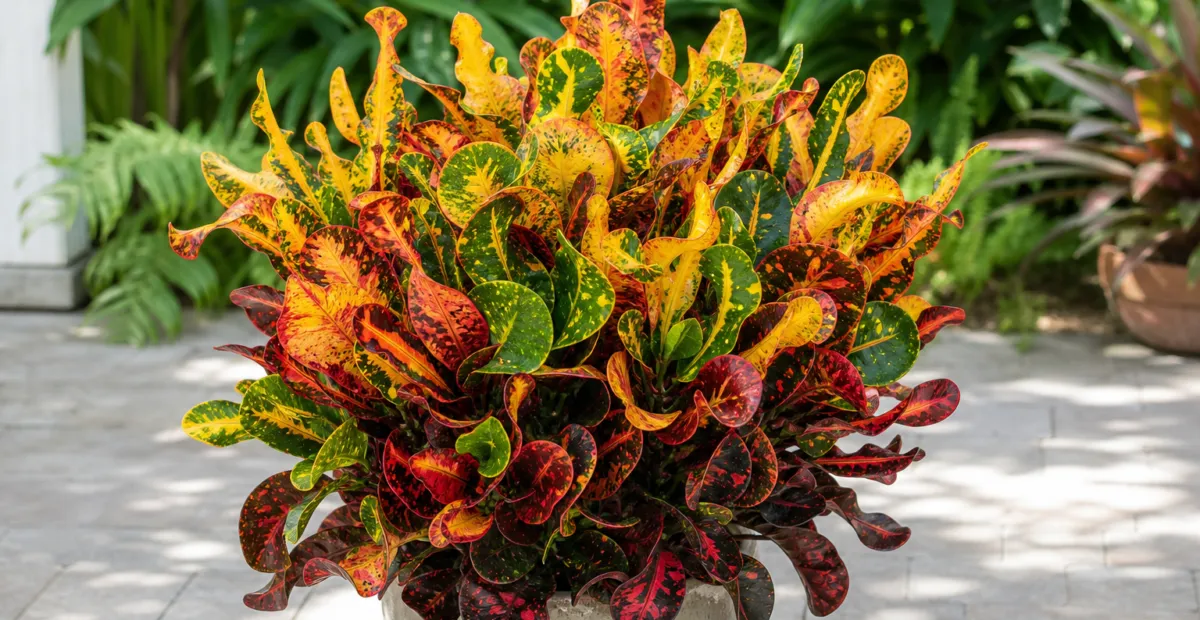
 AI-generated illustration
Revolutions (Codiaeum variegatum ‘Revolutions’) short overview
Codiaeum variegatum 'Revolutions' is an unusual croton cultivar prized for its mix of narrow, curled and rounded leaves rather than for large blooms. Its glossy foliage can develop a progression of green, yellow, orange and red, making it a dramatic indoor specimen or warm-season container plant. Provide bright filtered light, steady moisture without waterlogging, humid air and protection from temperatures below about 55°F.
Taxonomic classification
Revolutions (Codiaeum variegatum ‘Revolutions’) care guide
Light and placement
Give bright filtered light, such as an east window or a bright south- or west-facing window behind a sheer curtain. Some gentle morning or late-afternoon sun can improve coloration, but sudden intense midday sun may scorch leaves. Too little light causes stretched growth, weaker color and leaf drop; excessive direct sun can bleach or brown the foliage.
Watering and humidity
Water thoroughly when the top 1 inch of mix feels dry, allowing excess water to drain fully. Do not let the root ball become bone-dry, but never leave the pot standing in water. Water less often in winter when growth and light decline. Maintain humidity with a humidifier or grouped plants; avoid relying on frequent leaf misting alone.
Soil and growing medium
Use a porous, well-drained potting mix with organic matter, such as quality indoor potting soil amended with perlite or fine bark. A slightly acidic to neutral reaction is suitable. The mix should retain some moisture but never remain saturated; compacted or poorly drained soil increases root-rot risk.
Feeding
Feed during active growth in spring and summer with a balanced liquid houseplant fertilizer diluted to half strength about every 4–6 weeks. Water first if the potting mix is dry. Reduce or stop feeding in dim winter conditions or after repotting until new growth resumes; excess fertilizer can damage roots and dull the foliage.
Growth and habit
A strongly branching, evergreen tropical shrub cultivar that responds to warmth, adequate light and regular feeding with active leafy growth. It may become leggy after prolonged low light, while abrupt movement or cold stress can trigger leaf drop. Pinching growing tips encourages branching and helps maintain a fuller display.
Planting and repotting
Plant outdoors only after nights remain consistently warm, using a container or frost-free tropical bed. Set the root ball at the same depth it was growing and leave the crown uncovered. Establish with regular watering, shelter from drying wind and gradual exposure to brighter light.
Repot in spring or early summer when roots fill the container, moving up only one pot size. Handle the root ball gently because crotons can react to major root disturbance. Ensure the new container has drainage holes and water thoroughly after repotting, then keep the plant warm and out of harsh direct sun while it re-establishes.
Propagation and pruning
Propagation
Stem cuttings are the practical method for preserving this cultivar. Take healthy tip or semi-hardwood cuttings during active warm growth, remove lower leaves, root in a clean, lightly moist medium and maintain warmth and high humidity. Seed can produce variable offspring and will not reliably reproduce the cultivar.
Pruning
Prune in spring or during active warm growth to remove weak, bare or damaged stems and to encourage branching. Use clean tools and wear gloves because the cut surfaces release irritating sap. Avoid severe pruning during cold or low-light periods, when recovery is slower.
Overwintering
Bring containers indoors before temperatures approach 55°F, and certainly before frost. Place the plant in bright light away from drafts and heating vents, inspect for pests before moving it inside and reduce watering as light levels fall without allowing severe dryness. Acclimate gradually when returning it outdoors in spring.
Uses
Used primarily as a dramatic ornamental foliage plant indoors, in conservatories and in warm-season patio containers. It can serve as a colorful tropical accent in frost-free landscapes, but is not reliably hardy in most of the United States. Do not use it as food or medicine, and keep it away from pets and children because of its toxic sap and foliage.
Appearance
The defining feature is a mixed display of narrow, twisted or curled leaves and rounded, circular leaves. Glossy blades can pass through green, yellow, orange and red tones as they mature, with color intensity influenced by light. Stems are woody with a milky latex-like sap when cut.
Flowering
The species produces inconspicuous, usually separate male and female flowers on the same plant, arranged in slender axillary or terminal racemes. Flowers may appear in summer, but indoor specimens often flower irregularly and are grown primarily for their foliage. The flowers are small and lack ornamental importance.
Pollination and visitors
The species has small flowers and may receive occasional visits from nonspecific small insects, but strong cultivar-specific pollinator attraction is not documented. The plant is cultivated mainly for foliage rather than as a pollinator resource.
Diseases and pests
Diseases
The main disease risk is root or stem rot caused by persistently wet media, poor drainage or cool conditions. Use a draining mix, avoid standing water and remove badly affected tissue with sterile tools. Leaf-spot problems are reduced by keeping foliage dry during watering, improving air circulation and avoiding crowded, stressed plants.
Pests
Spider mites, mealybugs, scale and thrips may attack stressed plants. Inspect leaf undersides and stem joints regularly, isolate affected plants and remove light infestations with water or a cotton swab dipped in rubbing alcohol. For persistent problems, use a labeled houseplant treatment according to its instructions. Avoid overfertilizing and maintain humidity without leaving foliage constantly wet.
Related diseases and pests
Only Plant Doctor profiles whose host data indicate this plant may be affected are shown here.
 PestCitrus mealybugPlanococcus citri
 PestGreenhouse thripsHeliothrips haemorrhoidalis
 PestCotton mealybugPhenacoccus solenopsis Tinsley
 Environmental stressPoor drainage stress (waterlogging)
 PestCottony Cushion ScaleIcerya purchasi
 DiseaseAlternaria leaf spot and fruit rotAlternaria alternata
 Environmental stressSalt stress
 Environmental stressHeat stress
Toxicity and pollen
Crotons contain irritating latex-like sap, and ingestion of plant material can cause gastrointestinal upset and irritation. Wear gloves when pruning or taking cuttings, wash hands after handling and keep fallen leaves and trimmings away from children and animals. Seek professional medical or veterinary advice after ingestion or significant exposure.
- Typical season
- Usually summer when the plant flowers; indoor exposure is irregular
- Pollination / pollen
- Mostly insect-transferred pollen; not a major wind-dispersed source
This is an insect-pollinated flowering plant with small, localized flowers rather than a major wind-pollen source. Airborne allergy relevance is therefore expected to be low, but absence of abundant airborne pollen should not be treated as proof of zero risk. Sap exposure is a separate concern from pollen.
Native habitat
The species is native from Malesia through the western Pacific, including parts of Southeast Asia, Melanesia and Queensland. It occurs in wet tropical settings including coastal habitats, swamp forest, rainforest understory and other warm humid environments. The cultivar itself is horticultural and should not be treated as a wild native form.
Interesting fact
This cultivar is notable for combining narrow, curly leaves with rounded, circular leaves on the same plant. Specialist croton growers associate 'Revolutions' with the name 'Volutum' and the trade description Ram's Horn. Leaf color commonly develops through green, yellow, orange and red stages. Crotons are monoecious, producing separate male and female flowers on one plant.
Frequently asked questions (FAQ)
The most relevant questions about this plant, with short and direct answers.
🌱Quick care
What is Codiaeum variegatum 'Revolutions'?⌄
Codiaeum variegatum 'Revolutions' is a distinctive croton cultivar grown for its green, unusually curled or revolved leaves. It is a tropical, frost-tender plant commonly grown as a houseplant or warm-climate outdoor accent.
Is Codiaeum variegatum 'Revolutions' easy to grow indoors?⌄
Yes, Codiaeum variegatum 'Revolutions' is considered one of the more manageable croton cultivars for indoor growing. It still needs bright filtered light, warmth, steady moisture, and protection from sudden environmental changes.
How often should I water Codiaeum variegatum 'Revolutions'?⌄
Water Codiaeum variegatum 'Revolutions' when the top inch of potting mix begins to dry, then drain excess water thoroughly. Keep the soil moderately and evenly moist, but never leave the pot sitting in water.
What soil is best for Codiaeum variegatum 'Revolutions'?⌄
Use a porous, organic, well-drained potting mix for Codiaeum variegatum 'Revolutions'. A quality houseplant mix amended with orchid bark, perlite, or another aerating material helps prevent waterlogged roots.
🌤️Environment and placement
How much light does Codiaeum variegatum 'Revolutions' need?⌄
Codiaeum variegatum 'Revolutions' grows best in bright filtered light, such as near an unobstructed east- or west-facing window. Protect it from harsh, prolonged midday sun, especially after moving it from a lower-light location.
Can Codiaeum variegatum 'Revolutions' tolerate low light?⌄
Codiaeum variegatum 'Revolutions' can survive temporarily in moderate indoor light, but low light often causes slower growth, sparse foliage, and leaf loss. Move it gradually toward brighter filtered light rather than making a sudden exposure change.
Can Codiaeum variegatum 'Revolutions' grow outside?⌄
Codiaeum variegatum 'Revolutions' can grow outdoors year-round only in warm, frost-free areas, generally comparable to USDA Zones 11–12. In colder parts of the United States, grow it in a container and bring it indoors before temperatures approach 55°F.
What temperature is too cold for Codiaeum variegatum 'Revolutions'?⌄
Protect Codiaeum variegatum 'Revolutions' when temperatures fall below 55°F, because it is frost tender and can react badly to cold drafts. Never expose it to frost or freezing temperatures.
Does Codiaeum variegatum 'Revolutions' need humidity?⌄
Codiaeum variegatum 'Revolutions' benefits from moderate to high humidity, particularly in heated or air-conditioned homes. Grouping plants, using a humidifier, or placing the pot near—but not in—water can help reduce dry-air stress.
Where should I place Codiaeum variegatum 'Revolutions' indoors?⌄
Place Codiaeum variegatum 'Revolutions' near bright filtered light in a warm room away from forced-air vents, cold windows, and frequently opened doors. Keep its location stable because sudden changes in light or temperature can trigger leaf drop.
💧Care and problems
Why is Codiaeum variegatum 'Revolutions' dropping leaves?⌄
Leaf drop in Codiaeum variegatum 'Revolutions' is commonly caused by sudden changes in light, temperature, watering, humidity, or placement. Check for cold exposure and root moisture first, then provide stable warmth, bright filtered light, and even watering.
Why are the leaves of Codiaeum variegatum 'Revolutions' turning brown?⌄
Brown leaf edges or patches on Codiaeum variegatum 'Revolutions' usually indicate dry soil, low humidity, root stress, or excessive direct sun. Keep watering consistent, improve humidity, and shield the plant from intense hot light.
Why are the leaves of Codiaeum variegatum 'Revolutions' curling?⌄
The naturally curled foliage is a defining feature of Codiaeum variegatum 'Revolutions', but excessive curling can signal drought stress, cold, low humidity, or pest activity. Inspect leaf undersides and confirm that the root zone is neither bone-dry nor saturated.
How do I treat spider mites on Codiaeum variegatum 'Revolutions'?⌄
Isolate Codiaeum variegatum 'Revolutions', rinse the foliage, and treat the plant with a labeled insecticidal soap or horticultural oil if spider mites are present. Repeat treatments as directed because mites and their eggs can survive a single application.
How do I treat mealybugs on Codiaeum variegatum 'Revolutions'?⌄
Remove visible mealybugs from Codiaeum variegatum 'Revolutions' with a cotton swab dipped in rubbing alcohol, avoiding saturated soil and sensitive new growth. Follow with repeated inspections and a labeled houseplant treatment if the infestation persists.
Should I fertilize Codiaeum variegatum 'Revolutions'?⌄
Fertilize Codiaeum variegatum 'Revolutions' during active growth with a balanced houseplant fertilizer diluted according to the product label. Do not fertilize dry, recently repotted, cold-stressed, or declining plants until they recover.
🪴Planting and repotting
When should I repot Codiaeum variegatum 'Revolutions'?⌄
Repot Codiaeum variegatum 'Revolutions' in spring or early summer when roots are circling the pot, emerging from drainage holes, or drying out unusually quickly. Move it only one pot size larger to reduce the risk of overwatering.
What type of pot does Codiaeum variegatum 'Revolutions' need?⌄
Use a pot with drainage holes for Codiaeum variegatum 'Revolutions' and choose a size only slightly larger than its root ball. A stable container is useful because the plant can become top-heavy as it grows.
Can I plant Codiaeum variegatum 'Revolutions' in the ground?⌄
Plant Codiaeum variegatum 'Revolutions' in the ground only where frost is not expected and the soil drains freely. In most of the United States, container growing is safer because the plant must be moved indoors for winter.
✂️Propagation and pruning
How do I propagate Codiaeum variegatum 'Revolutions'?⌄
Propagate Codiaeum variegatum 'Revolutions' from a healthy stem cutting about 3–4 inches long with several leaves. Root the cutting in a warm, humid propagation medium, and wear gloves because the milky sap can irritate skin.
Can I propagate Codiaeum variegatum 'Revolutions' from a leaf?⌄
A single leaf generally cannot produce a complete new Codiaeum variegatum 'Revolutions' plant because it lacks a stem node and growing point. Use a stem cutting that includes at least one viable node instead.
How should I prune Codiaeum variegatum 'Revolutions'?⌄
Prune Codiaeum variegatum 'Revolutions' during active growth to remove damaged stems, encourage branching, or control legginess. Make clean cuts above a node, wear gloves, and wash away sap because it can irritate skin and stain surfaces.
Can I make Codiaeum variegatum 'Revolutions' bushier?⌄
Yes, pinch or prune the growing tips of Codiaeum variegatum 'Revolutions' to encourage branching below the cut. Give the plant bright filtered light afterward so new growth remains compact and strong.
⚠️Toxicity and safety
Is Codiaeum variegatum 'Revolutions' toxic to cats and dogs?⌄
Codiaeum variegatum 'Revolutions' should be treated as toxic to cats, dogs, and other pets if chewed. Keep it out of reach and contact a veterinarian or pet poison service promptly if an animal eats part of the plant.
Is Codiaeum variegatum 'Revolutions' poisonous to people?⌄
Yes, Codiaeum variegatum 'Revolutions' is poisonous if ingested and its sap can irritate skin, eyes, and soft tissue. Keep it away from children, wear gloves when pruning or repotting, and wash hands after handling it.
Does Codiaeum variegatum 'Revolutions' stain clothing?⌄
Yes, the sap of Codiaeum variegatum 'Revolutions' can stain clothing and other materials. Handle cut or damaged stems over a protected surface and clean sap promptly while wearing gloves.
🌸Flowering and special interest
Does Codiaeum variegatum 'Revolutions' flower?⌄
Codiaeum variegatum 'Revolutions' can produce small, inconspicuous cream, white, or yellowish flowers, usually when mature and growing under favorable conditions. The foliage is its main ornamental feature, so flowering is not essential to plant health.
Should I remove flowers from Codiaeum variegatum 'Revolutions'?⌄
You may remove the small flower clusters from Codiaeum variegatum 'Revolutions' if you prefer to direct energy toward foliage or maintain a tidier appearance. Leaving them in place is also harmless if the plant is healthy.
Similar plants
 Azure Monkshood (Aconitum carmichaelii) care guideAconitum carmichaelii
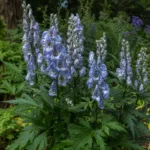 Monkshood (Aconitum ‘Stainless Steel’)Aconitum 'Stainless Steel'
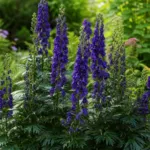 Monkshood (Aconitum ‘Bressingham Spire’)Aconitum 'Bressingham Spire'
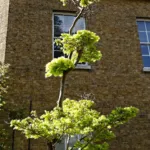 Golden full moon maple (Acer shirasawanum ‘Aureum’)Acer shirasawanum 'Aureum'
 Globosum (Acer platanoides ‘Globosum’)Acer platanoides 'Globosum'
 Striped maple (Acer pensylvanicum) care guideAcer pensylvanicum