
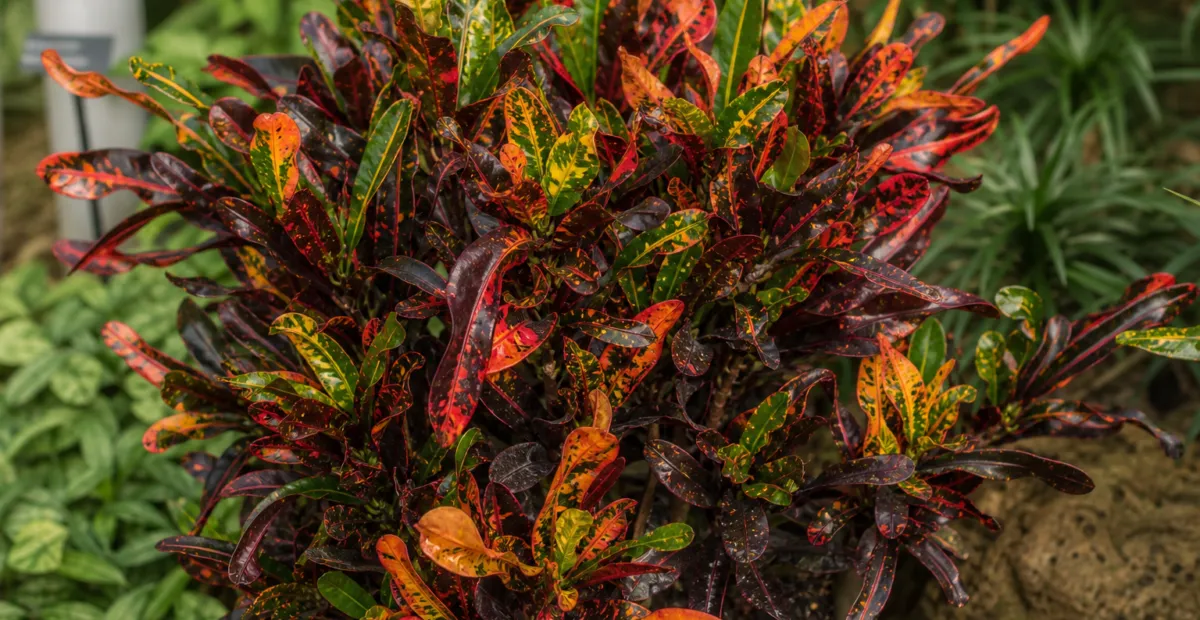
 AI-generated illustration
Croton Mammy (Codiaeum variegatum ‘Mammy’) short overview
Codiaeum variegatum 'Mammy' is a compact, colorful croton cultivar prized for its glossy, twisted leaves in shades of green, yellow, orange, red, and burgundy. In the United States it is most often grown indoors or as a seasonal patio container plant. Give it bright filtered light, warm temperatures, moderate to high humidity, and evenly moist but well-drained soil. Cold drafts, abrupt changes, and overwatering can cause leaf drop.
Taxonomic classification
Croton Mammy (Codiaeum variegatum ‘Mammy’) care guide
Light and placement
Place in bright filtered light near an east-, south-, or west-facing window. Gentle morning or late-afternoon sun helps preserve strong coloration, while intense unfiltered midday sun can scorch leaves after acclimation. Too little light produces duller color, longer gaps between leaves, and weak, sparse growth; too much harsh sun may bleach or crisp the foliage.
Watering and humidity
Water thoroughly when the top inch of mix feels dry, allowing excess to drain completely. Keep the root zone lightly and consistently moist during active growth, but do not leave the pot standing in water. Water less often in winter when light and growth decline. Humidity supports appearance, but it does not compensate for poor drainage.
Soil and growing medium
Use a porous, peat- or coco-based potting mix amended with perlite or fine bark. The container must drain freely, because waterlogged roots are prone to decline. A slightly acidic medium is suitable; a practical target is about pH 4.5–6.5. Avoid dense garden soil in containers.
Feeding
Feed during active spring and summer growth with a balanced liquid houseplant fertilizer at half strength every 3–4 weeks, or follow the product label for a controlled-release formula. Water first if the mix is dry. Reduce or stop feeding in low-light winter conditions and flush accumulated salts periodically.
Growth and habit
This cultivar forms a branching, upright-to-bushy evergreen shrub. Growth is usually moderate in bright warmth but can become sparse when light is poor. Relocation, cold exposure, drought, and sudden changes in humidity may trigger leaf drop, so stable conditions and occasional tip pruning help maintain fullness.
Planting and repotting
Plant outdoors only after nights remain reliably warm, preferably above 60°F, and acclimate gradually to stronger light. Set the root ball level with the surrounding soil or slightly high in heavy soil. Allow enough room for air circulation and avoid exposed windy sites.
Repot in spring only when roots have filled the container or drainage has slowed. Move up one pot size, disturb the root ball as little as practical, and use fresh, well-drained mix. A heavy container can help stabilize the top-heavy plant.
Propagation and pruning
Propagation
Propagate from stem cuttings in warm conditions. Take a healthy 3–4 inch cutting with several leaves, remove lower foliage, and root it in a clean, airy medium under bright indirect light. Rooting is generally easiest during active spring or summer growth.
Pruning
Prune in spring or during active growth to shape the plant, shorten leggy stems, or encourage branching. Make cuts just above a leaf node and remove damaged foliage. Wear gloves because the milky sap can irritate skin; clean tools afterward.
Overwintering
Bring containers indoors before temperatures fall below about 60°F, and certainly before frost. Check carefully for pests, provide the brightest available window, reduce watering as growth slows, and keep the plant away from cold glass, drafts, and heating vents. Expect some acclimation leaf drop after a major location change.
Uses
Use as an indoor foliage specimen, bright-room accent, greenhouse plant, or seasonal patio container in frost-free weather. In warm climates it can serve as a colorful shrub, hedge accent, or foundation planting. The foliage is also useful in floral arrangements. Do not use as food or medicine.
Appearance
‘Mammy’ has glossy, leathery, alternate leaves that are notably narrow, twisted, curled, and wavy. Foliage may display irregular bands or patches of green, yellow, orange, red, burgundy, and bronze. Young stems are green and older stems become woody, giving mature plants a small-shrub appearance.
Flowering
Mature crotons may produce slender axillary racemes, usually in warm summer conditions. Male flowers are small and white with stamens; female flowers are yellowish and lack petals. Flowering is secondary to the ornamental foliage and may be uncommon on indoor plants.
Pollination and visitors
The species produces small, inconspicuous male and female flowers, but reliable cultivar-specific documentation of animal pollinators or visitor groups was not found. Pollinator attraction is therefore marked unknown rather than inferred from general flowering.
Diseases and pests
Diseases
Prevent root and crown problems with drainage, careful watering, clean tools, and good air circulation. Watch for leaf spots, stem or root rot, and crown gall-like swellings. Remove badly affected tissue, isolate declining plants, and replace persistently contaminated potting media.
Pests
Inspect regularly for scale, mealybugs, thrips, spider mites, and whiteflies, especially during dry indoor conditions. Isolate infested plants, wash foliage, and use horticultural soap or another labeled treatment as needed. Correcting low light, drought stress, or overwatering helps reduce recurring infestations.
Related diseases and pests
Only Plant Doctor profiles whose host data indicate this plant may be affected are shown here.
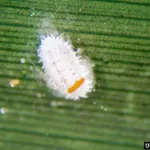 PestCitrus mealybugPlanococcus citri
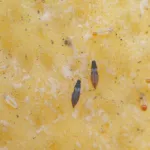 PestGreenhouse thripsHeliothrips haemorrhoidalis
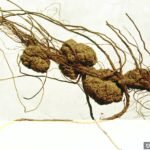 DiseaseCrown gallAgrobacterium tumefaciens (現在 commonly classified as Rhizobium radiobacter)
 DiseaseAlternaria leaf spot and fruit rotAlternaria alternata
 DiseasePhytophthora root and crown rotPhytophthora nicotianae
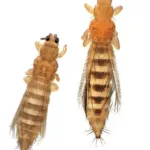 PestOnion thripsThrips tabaci Lindeman
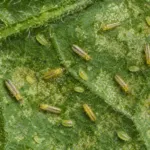 PestMelon thripsThrips palmi Karny
 DiseasePear Decline‘Candidatus Phytoplasma pyri’
Toxicity and pollen
The species is documented as having low-severity poisonous characteristics, with diterpene esters associated with irritation and gastrointestinal symptoms if plant material is eaten. Sap may irritate skin, and repeated contact can cause dermatitis. Keep the plant away from children and pets and wear gloves when pruning.
- Pollination / pollen
- Pollen relevance not documented
No reliable cultivar-specific airborne-pollen or allergy profile was found. The plant's small flowers and usual indoor cultivation do not establish a zero-allergy claim. Remove spent inflorescences if desired and avoid handling sap with bare skin.
Native habitat
The species is native from Malesia through the southwestern Pacific and occurs in warm, wet tropical environments. It is associated with frost-free climates and generally benefits from organic, moisture-retentive but well-drained soils. ‘Mammy’ is a cultivated selection rather than a wild habitat form.
Interesting fact
‘Mammy’ is selected primarily for foliage rather than flowers.
Croton leaves can change color intensity with light and maturity.
The cultivar is commonly grown indoors outside frost-free climates.
Croton leaves are also used as decorative cut foliage.
Frequently asked questions (FAQ)
The most relevant questions about this plant, with short and direct answers.
🌱Quick care
How do I care for a Croton Mammy indoors?⌄
Give Croton Mammy bright filtered light, evenly moist well-drained soil, warm temperatures, and moderate to high humidity. Let excess water drain fully, and avoid frequent changes in location.
How much light does Codiaeum variegatum 'Mammy' need?⌄
Codiaeum variegatum 'Mammy' needs bright filtered light to partial sun for strong growth and vivid leaf color. It can tolerate some direct morning or late-afternoon sun, but acclimate it gradually to prevent scorch.
How often should I water Croton Mammy?⌄
Water Croton Mammy when the top ½ to 1 inch of soil feels dry, then soak the soil until water drains from the pot. Do not let the plant remain in standing water or become completely dry for long periods.
Why is my Croton Mammy losing leaves?⌄
Croton Mammy commonly drops leaves after changes in light, temperature, watering, humidity, or location. Keep it warm and stable in bright filtered light, check the soil moisture and roots, and avoid repeated moves.
🌤️Environment and placement
Can Croton Mammy grow outside?⌄
Croton Mammy can grow outdoors in warm, frost-free conditions or as a seasonal container plant. Move it indoors before nighttime temperatures approach 50°F and before any risk of frost.
What temperature is best for Croton Mammy?⌄
Croton Mammy grows best in consistently warm rooms, roughly 60–85°F. Protect it from cold drafts, air-conditioning vents, heaters, and sudden temperature changes because these can trigger leaf drop.
Does Croton Mammy need high humidity?⌄
Croton Mammy grows better with moderate to high humidity, especially in homes with dry winter heat. A humidifier or grouping plants can help, but good light, stable warmth, and correct watering remain essential.
Can Croton Mammy tolerate direct sun?⌄
Croton Mammy can tolerate some direct sun when gradually acclimated, particularly gentle morning sun. Strong unfiltered midday or afternoon sun may cause faded, gray, or scorched leaves.
Where should I place a Croton Mammy in my house?⌄
Place Croton Mammy near a bright east- or west-facing window, or near a bright south-facing window with filtered light. Keep it away from drafts, heating vents, and frequently disturbed areas.
💧Care and problems
Why are my Croton Mammy leaves turning yellow?⌄
Yellow leaves on Croton Mammy are often caused by consistently wet soil, poor drainage, low light, or prolonged dryness. Check the roots and soil before watering again, and correct the underlying condition rather than treating the color alone.
Why are Croton Mammy leaves turning brown and crispy?⌄
Brown, crispy edges usually indicate dry soil, low humidity, hot drafts, salt buildup, or excessive direct sun. Check moisture and roots, move the plant away from vents, and provide bright filtered light.
Why are my Croton Mammy leaves curling?⌄
Curling leaves can result from dry soil, low humidity, heat stress, cold drafts, or pests. Inspect both sides of the leaves and stabilize watering, humidity, temperature, and light.
Why is my Croton Mammy drooping?⌄
Croton Mammy may droop when the soil is too dry, roots are staying too wet, or the plant has experienced temperature or location stress. Check the soil and drainage first, then water appropriately without keeping the mix soggy.
Why is my Croton Mammy losing its color?⌄
Croton Mammy usually loses vibrancy when it does not receive enough light. Move it gradually to a brighter filtered location, because abrupt changes can cause additional leaf drop.
What pests attack Croton Mammy?⌄
Croton Mammy may attract spider mites, mealybugs, scale, and other common houseplant pests. Inspect leaf undersides and stems regularly, isolate affected plants, and remove pests promptly with an appropriate labeled treatment.
How often should I fertilize Croton Mammy?⌄
Fertilize Croton Mammy lightly during active spring and summer growth according to the product label. Reduce or stop feeding during slow winter growth, and avoid fertilizing a severely stressed or recently repotted plant.
Can I mist Croton Mammy leaves?⌄
Misting may provide only brief humidity and is not a reliable substitute for a humidifier or other humidity increase. Avoid keeping the foliage constantly wet, especially when air circulation is poor.
🪴Planting and repotting
What soil is best for Codiaeum variegatum 'Mammy'?⌄
Use an organic, well-drained, slightly acidic potting mix for Codiaeum variegatum 'Mammy'. A quality houseplant mix amended with material such as perlite can improve drainage while retaining moderate moisture.
When should I repot Croton Mammy?⌄
Repot Croton Mammy in spring or early summer when roots fill the container, circle densely, or emerge from drainage holes. Avoid repotting unnecessarily because root disturbance can temporarily trigger leaf drop.
What size pot should I use when repotting Croton Mammy?⌄
Choose a container only 1–2 inches wider than the current pot and make sure it has drainage holes. An oversized pot can hold excess moisture and increase the risk of root problems.
Can Croton Mammy recover from root rot?⌄
Croton Mammy may recover from early root rot if you remove damaged roots and repot it into fresh, well-drained mix. Keep the plant in bright filtered light and correct the watering or drainage problem that caused the rot.
✂️Propagation and pruning
How do I propagate Croton Mammy?⌄
Propagate Croton Mammy most reliably from healthy stem cuttings taken during active growth. Use a 4–6-inch cutting, remove the lower leaves, place it in a moist, well-drained rooting medium, and maintain warmth and humidity.
Can I propagate Croton Mammy in water?⌄
Croton Mammy cuttings can sometimes root in water, although rooting them directly in a suitable propagation medium may produce a smoother transition. Move a water-rooted cutting into potting mix once it has developed several roots.
Can I prune Croton Mammy to make it bushier?⌄
Yes, pruning Croton Mammy in spring can encourage branching and create a fuller shape. Wear gloves because the cut stems release irritating sap, and make cuts just above healthy leaves or nodes.
What should I do with a leggy Croton Mammy?⌄
Prune a leggy Croton Mammy back in spring and move it to brighter filtered light to support compact new growth. Do not remove too much foliage at once from a weak or severely stressed plant.
⚠️Toxicity and safety
Is Croton Mammy poisonous to cats and dogs?⌄
Croton Mammy should be kept away from cats and dogs because chewing the plant or its sap can cause gastrointestinal and mouth irritation. Contact a veterinarian or animal poison service if a pet has ingested it or develops symptoms.
Is Croton Mammy poisonous to humans?⌄
Croton Mammy has low-severity poisonous properties, and its sap can irritate skin, eyes, and the digestive system if ingested. Wear gloves when pruning, wash hands afterward, and seek medical advice if significant exposure occurs.
How should I handle Croton Mammy sap?⌄
Handle Croton Mammy with gloves and avoid touching your eyes or face after cutting the plant. Wash exposed skin promptly with soap and water because the sap can cause irritation and may stain fabrics.
🌸Flowering and special interest
Does Croton Mammy produce flowers?⌄
Croton Mammy can produce small, inconspicuous flowers, although it is primarily grown for its colorful foliage. Flowering is not required for a healthy plant, and the blooms are usually less ornamental than the leaves.
Similar plants
 Azure Monkshood (Aconitum carmichaelii) care guideAconitum carmichaelii
 Monkshood (Aconitum ‘Stainless Steel’)Aconitum 'Stainless Steel'
 Monkshood (Aconitum ‘Bressingham Spire’)Aconitum 'Bressingham Spire'
 Golden full moon maple (Acer shirasawanum ‘Aureum’)Acer shirasawanum 'Aureum'
 Globosum (Acer platanoides ‘Globosum’)Acer platanoides 'Globosum'
 Striped maple (Acer pensylvanicum) care guideAcer pensylvanicum