
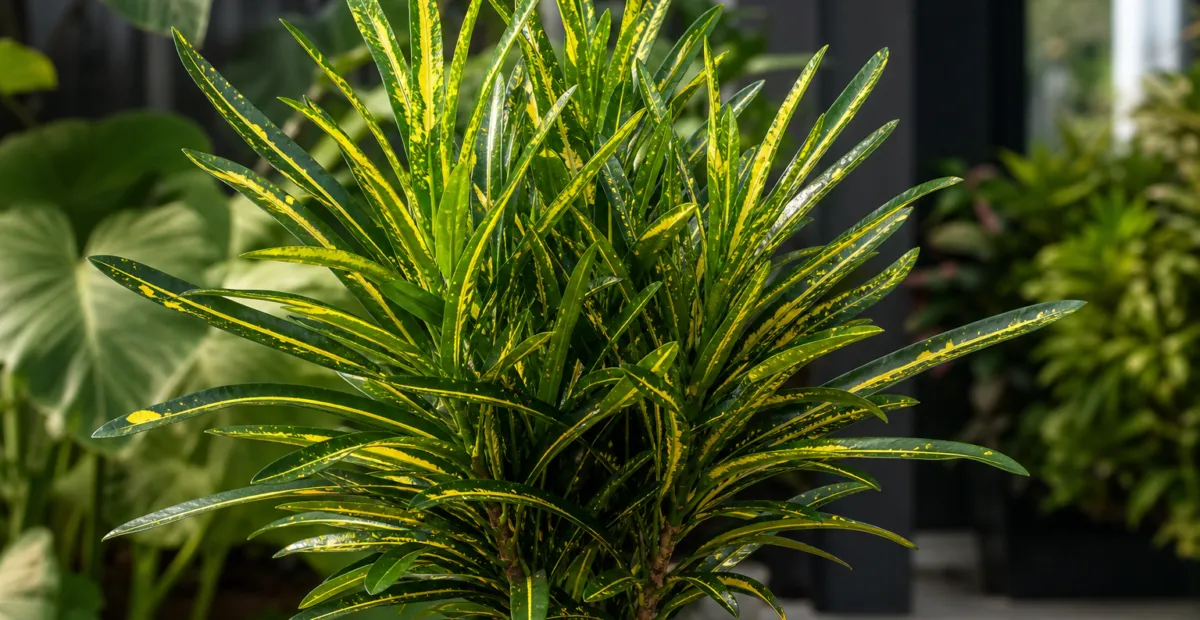
 AI-generated illustration
Gold Finger (Codiaeum variegatum ‘Gold Finger’) short overview
Codiaeum variegatum 'Gold Finger' is a frost-tender croton cultivar grown for its narrow, strap-like leaves. Glossy green foliage carries irregular golden-yellow markings, often forming a strong central stripe with scattered streaks. It performs best in warm, bright conditions with protection from cold drafts, sudden temperature changes, and harsh afternoon sun. As with other crotons, its milky sap may irritate skin and the plant should not be eaten.
Taxonomic classification
Gold Finger (Codiaeum variegatum ‘Gold Finger’) care guide
Light and placement
Give 'Gold Finger' bright filtered light or gentle direct morning sun, such as an east- or bright south-facing window with sheer protection during intense afternoon exposure. Too little light can produce weak, stretched growth, duller variegation, and lower-leaf loss. Sudden exposure to strong sun may scorch leaves, so acclimate gradually.
Watering and humidity
Water thoroughly when the top inch of mix begins to dry, then let excess drain completely. Keep the root ball from becoming bone-dry, but do not leave it standing in water. Water less often during cool, low-light winter conditions. Use room-temperature water and avoid abrupt shifts in moisture, which can contribute to leaf drop.
Soil and growing medium
Use a loose, fertile potting mix amended for reliable drainage. A peat- or coco-based mix with added perlite or fine bark works well in containers. Keep the substrate moisture-retentive but never stagnant. Slightly acidic to neutral conditions are suitable; avoid compacted, waterlogged soil and containers without drainage holes.
Feeding
Feed during active spring and summer growth with a balanced liquid houseplant fertilizer diluted to half strength about every 4–6 weeks, or use a controlled-release product according to its label. Do not fertilize dry or newly repotted plants, and reduce or stop feeding during slow winter growth.
Growth and habit
This is an upright, branching, evergreen shrub cultivar that is usually more compact in containers than in a frost-free landscape. Strong light helps maintain dense growth and vivid markings. Sudden relocation, cold exposure, or low light can trigger leaf drop, so keep conditions stable and rotate containers periodically for balanced development.
Planting and repotting
In the United States, plant outdoors only after nighttime temperatures remain reliably above 60°F. Set the root ball level with the surrounding soil or potting mix, never burying the stem. Allow enough room for the plant to develop its upright, branching form, and establish it gradually in stronger light.
Repot in spring when roots have filled the container or growth has slowed from congestion. Move up only one pot size, disturb the root ball as little as practical, and use a fresh, well-drained mix. Repotting is also appropriate after purchase if the nursery substrate stays saturated for too long.
Propagation and pruning
Propagation
Propagate primarily from stem cuttings in spring or summer. Take a healthy tip cutting, remove lower leaves, and root it in a sterile, lightly moist medium under warm, humid conditions. Wear gloves because the cut surface releases milky sap. Seed is not a reliable way to preserve this named cultivar.
Pruning
Prune in spring or during active growth to control height, encourage branching, or remove damaged stems. Make cuts just above a leaf node and wear gloves because the sap can irritate skin and stain surfaces. Remove yellowing leaves at their base, but avoid heavy pruning when the plant is cold or drought-stressed.
Overwintering
Bring outdoor containers indoors before temperatures fall below 50°F, ideally before cold nights begin. Place the plant in the brightest available room, reduce watering as growth slows, and keep it away from drafts, radiators, and cold glass. Check carefully for mites and scale before bringing it inside.
Uses
Primarily used as an ornamental foliage plant in containers, interiorscapes, patios, frost-free gardens, foundation plantings, and tropical-style displays. Its narrow leaves provide contrast among broad-leaved houseplants. It is not an edible or medicinal plant, and sap exposure and ingestion should be avoided.
Appearance
The defining feature is a narrow, elongated, strap-like leaf blade with a glossy green surface and uneven golden-yellow markings, often concentrated along the midrib with short lateral streaks. Young plants may form a dense rosette-like cluster before developing taller woody stems. Older stems become brown and lightly fissured.
Flowering
Small, inconspicuous flowers may appear on slender axillary racemes, usually during warm-season growth. Male and female flowers occur on the same plant, and the flowers are not the cultivar’s main ornamental feature. Indoor plants may flower irregularly when kept warm and brightly lit.
Pollination and visitors
Species-level references describe small flowers but do not provide sufficiently reliable documentation of a characteristic animal pollinator for this named cultivar. Pollinator attraction is therefore left unclassified rather than inferred.
Diseases and pests
Diseases
Prevent root and stem problems by avoiding saturated soil, poor drainage, and cold wet conditions. Watch for root rot, leaf-spot symptoms, and sooty mold associated with sap-feeding insects. Remove badly affected tissue, improve air circulation, correct watering, and use a labeled treatment only when diagnosis is clear.
Pests
Spider mites, scale, mealybugs, and thrips may attack stressed plants. Inspect leaf undersides and stem joints regularly. Isolate affected houseplants, wash foliage with water, and use horticultural soap or another labeled control when needed. Avoid drought stress and very dry air, which favor spider mites.
Related diseases and pests
Only Plant Doctor profiles whose host data indicate this plant may be affected are shown here.
 PestCitrus mealybugPlanococcus citri
 PestGreenhouse thripsHeliothrips haemorrhoidalis
 DiseaseAlternaria leaf spot and fruit rotAlternaria alternata
 PestOnion thripsThrips tabaci Lindeman
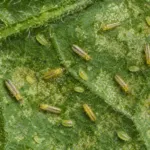 PestMelon thripsThrips palmi Karny
 PestChilli thripsScirtothrips dorsalis Hood
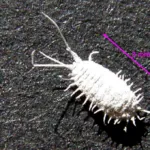 PestObscure mealybugPseudococcus viburni
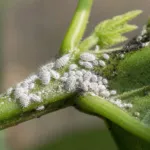 PestCotton mealybugPhenacoccus solenopsis Tinsley
Toxicity and pollen
Crotons contain irritant diterpene compounds and have milky sap. Chewing or swallowing plant material can cause mouth and gastrointestinal irritation, including nausea, vomiting, or diarrhea; repeated sap contact may cause dermatitis. Keep plant debris away from children and pets, wash skin after handling, and seek medical or veterinary advice after significant ingestion.
- Pollination / pollen
- Not well documented for this cultivar
Reliable evidence for airborne pollen quantity and allergy relevance of this named cultivar was not located. The small flowers are not generally the plant’s ornamental feature, but absence of allergy data should not be interpreted as proof of zero risk.
Native habitat
Codiaeum variegatum is a tropical woody shrub associated with warm, humid regions from the Malay Archipelago through parts of the Pacific and northern Australia. It favors frost-free conditions, bright light, fertile soils, and dependable drainage. 'Gold Finger' is a cultivated ornamental form rather than a naturally occurring wild population.
Interesting fact
The cultivar name refers to its elongated, finger-like leaves and golden markings. Croton cultivars can change color and pattern intensity with age and light. The species name variegatum refers to its multicolored foliage. Broken stems and leaves exude a milky sap.
Frequently asked questions (FAQ)
The most relevant questions about this plant, with short and direct answers.
🌱Quick care
How do you care for Codiaeum variegatum 'Gold Finger' indoors?⌄
Give it bright filtered light to partial sun, moderate watering, warmth, and a fertile, well-drained potting mix. Keep the soil lightly and evenly moist, but do not leave the pot standing in water.
Is Codiaeum variegatum 'Gold Finger' easy to grow?⌄
Codiaeum variegatum 'Gold Finger' is manageable when given strong light, steady warmth, and consistent moisture. It can react poorly to sudden changes in light, temperature, watering, or location.
How much light does Codiaeum variegatum 'Gold Finger' need?⌄
It grows best in bright filtered light to partial sun. Strong morning sun or gentle indoor sun is suitable, while harsh afternoon sun through glass can scorch the leaves.
How often should you water Codiaeum variegatum 'Gold Finger'?⌄
Water when the surface of the potting mix begins to dry, then let excess water drain fully. Adjust the frequency for light, temperature, pot size, and season rather than following a fixed calendar.
🌤️Environment and placement
Can Codiaeum variegatum 'Gold Finger' grow in low light?⌄
It may survive in lower light, but its yellow variegation and growth are usually better in bright light. Low light can also make the plant leggy and increase the risk of overwatering.
Can Codiaeum variegatum 'Gold Finger' grow outdoors in the United States?⌄
It can grow outdoors year-round only in warm, frost-free areas, generally comparable to USDA Zones 10–11. In cooler parts of the United States, grow it in a container and bring it indoors before temperatures approach 50°F.
What temperature is too cold for Codiaeum variegatum 'Gold Finger'?⌄
Protect Codiaeum variegatum 'Gold Finger' below 50°F because it is frost-tender. Cold drafts, sudden temperature drops, and exposure to frost can cause leaf drop or serious damage.
Does Codiaeum variegatum 'Gold Finger' need high humidity?⌄
Moderate to higher humidity can help maintain healthy foliage, especially indoors during dry winter conditions. Increase humidity with a humidifier or by grouping plants, while keeping leaves and soil from staying constantly wet.
Where is the best place to put Codiaeum variegatum 'Gold Finger' indoors?⌄
Place it near a bright east- or south-facing window with filtered light, or near another bright window protected from intense afternoon rays. Keep it away from heating vents, air-conditioner drafts, and frequently opened cold doors.
💧Care and problems
Why is Codiaeum variegatum 'Gold Finger' losing leaves?⌄
Leaf drop is commonly caused by sudden changes in light or temperature, cold exposure, inconsistent watering, or root problems from soggy soil. Move it gradually, keep it warm, and check the roots and drainage before watering again.
Why are the leaves of Codiaeum variegatum 'Gold Finger' turning brown?⌄
Brown edges or tips can result from dry soil, low humidity, salt buildup, or excessive direct sun. Correct the underlying condition and avoid allowing the root ball to alternate between very dry and saturated.
Why is Codiaeum variegatum 'Gold Finger' not showing much yellow color?⌄
Insufficient light can reduce the intensity of its yellow markings and produce greener foliage. Move it gradually to a brighter location, avoiding a sudden transition to strong midday or afternoon sun.
What pests attack Codiaeum variegatum 'Gold Finger'?⌄
Common indoor pests include spider mites, scale, mealybugs, and whiteflies. Inspect leaf undersides and stems regularly, isolate affected plants, and treat early with water washing or a labeled houseplant pest control product.
Can Codiaeum variegatum 'Gold Finger' get leaf spot disease?⌄
Yes, crotons can develop leaf spot, particularly when foliage remains wet and air circulation is poor. Remove severely affected leaves, keep water off the foliage, improve spacing and airflow, and avoid propagating from diseased tissue.
Should you mist Codiaeum variegatum 'Gold Finger'?⌄
Misting is not necessary and may encourage leaf-spot problems if foliage stays wet for long periods. A humidifier or grouping plants is generally a more reliable way to raise indoor humidity.
What fertilizer does Codiaeum variegatum 'Gold Finger' need?⌄
Feed during active growth with a balanced houseplant fertilizer diluted according to the product label. Do not fertilize drought-stressed, recently repotted, or dormant plants, and flush the pot occasionally if mineral salts accumulate.
🪴Planting and repotting
What soil is best for Codiaeum variegatum 'Gold Finger'?⌄
Use a fertile, loose, well-drained potting mix that retains slight moisture without becoming soggy. A quality indoor mix amended with perlite or fine bark can improve drainage and root aeration.
What size pot does Codiaeum variegatum 'Gold Finger' need?⌄
Choose a pot only slightly larger than the root ball and make sure it has drainage holes. An oversized pot holds excess moisture and can increase the risk of root rot.
When should you repot Codiaeum variegatum 'Gold Finger'?⌄
Repot in spring or early summer when roots circle the pot, emerge from drainage holes, or the mix drains poorly. Move it into a modestly larger container and minimize root disturbance to reduce transplant stress.
Can Codiaeum variegatum 'Gold Finger' be planted in the ground?⌄
It can be planted in the ground only where frost is not expected and the soil drains well. In most U.S. locations, container culture is safer because the plant must be protected indoors during cold weather.
✂️Propagation and pruning
How do you propagate Codiaeum variegatum 'Gold Finger'?⌄
Propagate it primarily from stem cuttings taken during warm, active growth. Root healthy cuttings in a moist, well-drained medium under bright indirect light and high humidity, although rooting can be slow or inconsistent.
Can you propagate Codiaeum variegatum 'Gold Finger' from a leaf?⌄
A single leaf usually cannot produce a new Codiaeum variegatum 'Gold Finger' plant because it lacks a stem node. Use a stem section that includes at least one viable node instead.
Can you prune Codiaeum variegatum 'Gold Finger' to make it bushier?⌄
Yes, pinch or prune growing tips to encourage branching and a fuller shape. Wear gloves, use clean tools, and avoid heavy pruning when the plant is cold-stressed or already dropping leaves.
How do you prune a leggy Codiaeum variegatum 'Gold Finger'?⌄
Cut leggy stems back just above a leaf node, then provide brighter filtered light and steady care. Prune gradually rather than removing most of the foliage at once, because severe cuts can add stress.
⚠️Toxicity and safety
Is Codiaeum variegatum 'Gold Finger' toxic to cats and dogs?⌄
Yes, Codiaeum variegatum 'Gold Finger' should be treated as toxic to pets if chewed or swallowed. Keep it out of reach and contact a veterinarian or animal poison service if ingestion causes symptoms.
Is Codiaeum variegatum 'Gold Finger' poisonous to people?⌄
Its milky sap can irritate skin, eyes, and the mouth, and ingesting plant material may cause gastrointestinal upset. Wear gloves when pruning, wash exposed skin, and keep the plant away from children.
What should you do if Codiaeum variegatum 'Gold Finger' sap gets on your skin?⌄
Wash the area promptly with soap and plenty of water, and avoid touching your eyes or mouth. Seek medical advice if irritation is severe, persistent, or involves the eyes.
🌸Flowering and special interest
Does Codiaeum variegatum 'Gold Finger' flower?⌄
Yes, it can produce small, inconspicuous flowers, usually when mature and growing strongly. The foliage is the main ornamental feature, so flowering is not required to indicate good health.
Why is Codiaeum variegatum 'Gold Finger' flowering indoors?⌄
Indoor plants may flower when they receive sufficient light, warmth, and active-season care. The small flowers are not usually showy, and flowering does not normally require special treatment.
Similar plants
 Azure Monkshood (Aconitum carmichaelii) care guideAconitum carmichaelii
 Monkshood (Aconitum ‘Stainless Steel’)Aconitum 'Stainless Steel'
 Monkshood (Aconitum ‘Bressingham Spire’)Aconitum 'Bressingham Spire'
 Golden full moon maple (Acer shirasawanum ‘Aureum’)Acer shirasawanum 'Aureum'
 Globosum (Acer platanoides ‘Globosum’)Acer platanoides 'Globosum'
 Striped maple (Acer pensylvanicum) care guideAcer pensylvanicum