
 Source:
 Carnegiea ‘Gigantea’ short overview
Carnegiea 'Gigantea' is the editor-supplied horticultural identity associated with Carnegiea gigantea, the iconic columnar cactus of the Sonoran Desert. It forms a ribbed, water-storing stem that may eventually branch into a candelabra-like silhouette. In the United States it is best treated as a full-sun desert specimen: outdoor culture is realistic only in warm, frost-limited regions, while colder areas require container growing and winter protection.
Taxonomic classification
Carnegiea ‘Gigantea’ care guide
Light and placement
Give full sun with strong afternoon exposure and excellent air movement. In containers, acclimate gradually after indoor wintering to prevent sunburn. Too little light produces weak, elongated growth and may reduce flowering; too much abrupt light can bleach or scorch tissue, especially after winter indoors. In very hot inland sites, young seedlings benefit from light nurse-plant shade while establishing.
Watering and humidity
Water thoroughly only after the substrate has dried well, then let excess drain completely. During warm growth, the interval may shorten modestly; in cool weather or winter, water sparingly or not at all, especially indoors. Never leave the pot standing in water. Low humidity is preferred, and misting is unnecessary.
Soil and growing medium
Use a mineral-heavy cactus substrate with rapid drainage, such as coarse sand, pumice, gravel, and a modest amount of loam or organic material. Avoid compacted clay and containers that stay wet. Native soils are commonly coarse, gravelly, and calcareous; a neutral to slightly alkaline reaction is suitable, but excellent drainage matters more than exact pH.
Feeding
Feed only during warm active growth, using a diluted, low-nitrogen cactus fertilizer once in spring and possibly once in early summer. Avoid heavy nitrogen, frequent feeding, and fertilizing newly repotted, stressed, dormant, or cold-exposed plants. A mature plant in lean mineral soil generally needs little fertilizer.
Growth and habit
This is a very slow-growing, long-lived columnar cactus. Young plants remain largely unbranched; branching usually develops after substantial maturity and favorable conditions. Growth is faster with warmth, strong light, and seasonal moisture, but pushing growth with excess water or nitrogen can weaken the plant and increase rot risk.
Planting and repotting
Plant outdoors only after the soil has warmed and freezing weather has passed, selecting a raised, exposed site with excellent drainage. Set the root collar at the original soil level rather than burying the stem. Establish young plants with occasional deep watering, then lengthen the interval as roots develop.
Repot only when the container is clearly crowded or the medium has degraded. Work during warm, active growth, use a pot with a drainage hole, and allow any damaged roots to dry before watering. Handle with thick gloves and secure the plant against tipping.
Propagation and pruning
Propagation
Propagate primarily from seed. Sow fresh, cleaned seed on a sterile, mineral, well-drained medium and keep it lightly moist, warm, and bright until germination. Seedlings are extremely vulnerable to drying, damping-off, and cold; gradual exposure to stronger light and careful watering are essential. Vegetative propagation is not a routine method for this species.
Pruning
Do not routinely prune. Remove only dead, damaged, diseased, or dangerously unstable material with clean tools, and let wounds dry fully. Large specimens are difficult and hazardous to cut; professional arboricultural or cactus specialists are preferable for major work.
Overwintering
Keep completely protected from freezing temperatures, cold rain, and damp soil. In cold parts of the United States, overwinter container plants in a bright, cool, dry space and water very sparingly. Move plants gradually back into direct sun in spring. Young seedlings need substantially more frost protection than established plants.
Uses
Primarily an architectural specimen for desert landscapes, public collections, conservatories, and containers in cold climates. Its flowers and fruit support Sonoran Desert wildlife, while mature stems provide nesting cavities for some birds. Wild collection and movement may be regulated; use legally propagated material.
Appearance
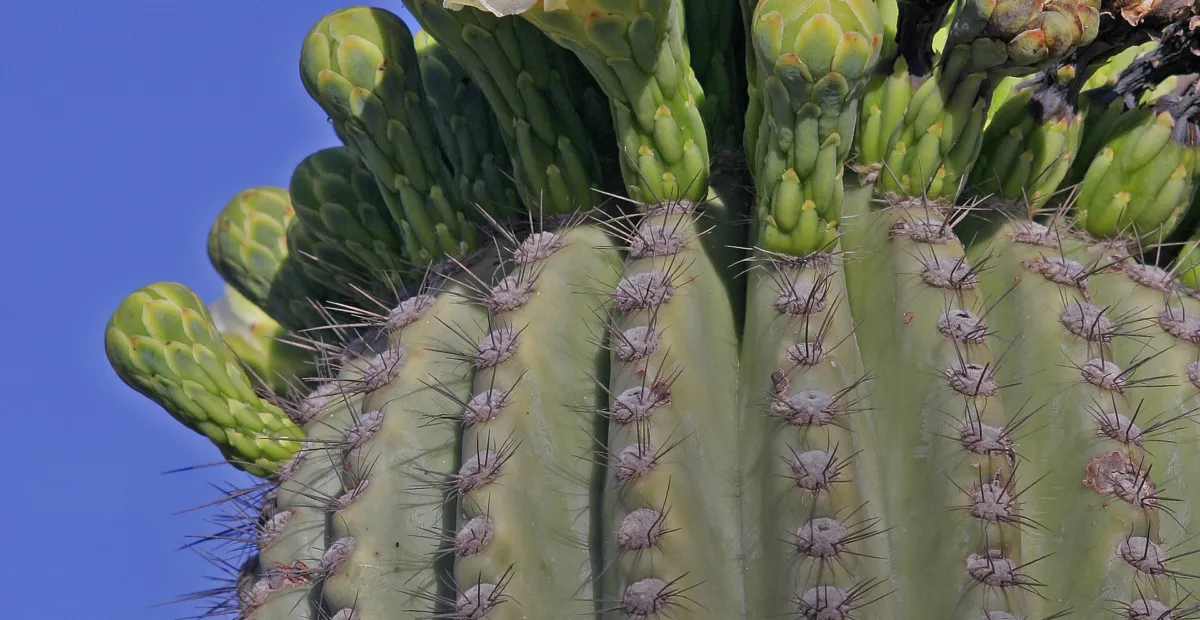
A tree-like cactus with tall, pleated green stems, prominent vertical ribs, regularly spaced areoles, and clusters of spines. True leaves are absent and replaced by spines. Mature plants may develop upward-curving arms, producing the familiar candelabra silhouette. The ribbed stem expands and contracts as water reserves change.
Flowering
Large creamy-white flowers arise near the tops of mature stems and arms. They open at night, are strongly scented, and commonly close by the following afternoon. Flowering is associated with mature plants and warm Sonoran Desert conditions; young container specimens may not bloom.
Pollination and visitors
Flowers are visited and pollinated by nectar-feeding bats, birds such as white-winged doves, bees, and other insects. The lesser long-nosed bat is a documented important pollinator, but a single primary pollinator species is not assigned here to avoid overstating evidence for this exact identity.
Carnegiea 'Gigantea' photos
Click any photo for a larger view. Source, author and license are shown separately.
Diseases and pests
Diseases
The main prevention is fast drainage, careful watering, and good air movement. Soft, dark, collapsing tissue suggests rot; remove affected material only when the damage is localized, keep the wound dry, and correct the irrigation or soil problem. Severe internal rot is usually not recoverable.
Pests
Inspect for scale insects, mealybugs, and cottony deposits in areoles or stem creases. Remove isolated pests with a swab or targeted treatment suitable for cacti, and avoid repeated broad-spectrum spraying that can harm beneficial visitors. Persistent soft spots are more often moisture-related rot than an insect infestation.
Related diseases and pests
Only Plant Doctor profiles whose host data indicate this plant may be affected are shown here.
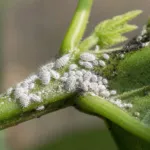 PestCotton mealybugPhenacoccus solenopsis Tinsley
 DiseaseRhizopus soft rotRhizopus stolonifer
 DiseaseBacterial soft rotPectobacterium carotovorum
 PestCottony Cushion ScaleIcerya purchasi
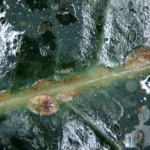 PestBrown Soft ScaleCoccus hesperidum
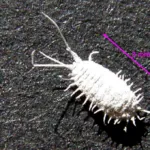 PestObscure mealybugPseudococcus viburni
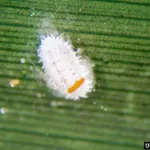 PestCitrus mealybugPlanococcus citri
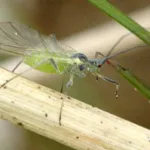 PestGreen Peach AphidMyzus persicae
Toxicity and pollen
Authoritative sources do not establish Carnegiea 'Gigantea' as a strongly poisonous plant. The principal practical hazards are sharp spines, glochids or spine fragments, and injury from handling. Do not ingest unidentified cactus material; fruit use belongs to documented cultural and species-level contexts, not automatically to this editor-supplied identity.
- Typical season
- Late spring to early summer during flowering
- Pollination / pollen
- Animal-carried floral pollen
The flowers produce pollen, but this cactus is primarily animal-pollinated and does not appear to be a major airborne-pollen source in ordinary garden settings. Sensitive people should still avoid direct contact with flowers and pollen and should manage the plant according to personal allergy needs.
Native habitat
Native to the Sonoran Desert of southeastern California, southern Arizona, and northwestern Mexico. It occurs mainly in warm desert uplands and dry shrublands on coarse, gravelly, well-drained soils. Young seedlings commonly establish beneath nurse plants or beside rocks that moderate heat, drought, herbivory, and occasional frost.
Interesting fact
Carnegiea is a monotypic genus. Mature saguaros can reach about 33 feet in the wild, but growth is exceptionally slow. Seedlings often need nurse plants or rocks for protection from heat, drought, and frost. The cactus uses internal water-storage tissue and CAM photosynthesis.
Frequently asked questions (FAQ)
The most relevant questions about this plant, with short and direct answers.
🌱Quick care
What is Carnegiea 'Gigantea'?⌄
Carnegiea 'Gigantea' is a cultivated identity referring to the saguaro cactus, whose accepted species name is Carnegiea gigantea. It is a very slow-growing, tree-forming cactus native to the Sonoran Desert.
How much light does Carnegiea 'Gigantea' need?⌄
Carnegiea 'Gigantea' needs full sun, ideally with at least 6 hours of direct light daily. Acclimate greenhouse-grown plants gradually to intense summer sun to reduce sunscald.
How often should I water Carnegiea 'Gigantea'?⌄
Water Carnegiea 'Gigantea' thoroughly, then allow the soil to dry completely before watering again. Reduce watering substantially in winter and keep the plant nearly dry during prolonged cold or cloudy periods.
Is Carnegiea 'Gigantea' easy to grow indoors?⌄
Carnegiea 'Gigantea' can be grown indoors when given very bright direct light and excellent drainage, but it is usually difficult to maintain long term. A sunny greenhouse, sunroom, or protected outdoor position is more suitable.
🌤️Environment and placement
What USDA hardiness zones are suitable for Carnegiea 'Gigantea'?⌄
Carnegiea 'Gigantea' is best suited to warm desert climates, approximately USDA Zones 9b–11b, with protection from freezing temperatures. Local exposure, soil drainage, and winter moisture are as important as the zone number.
Can Carnegiea 'Gigantea' tolerate frost?⌄
Carnegiea 'Gigantea' is frost tender and should be protected from freezing temperatures, especially when young or wet. Brief near-freezing exposure may be less damaging than a hard freeze, but prolonged cold can cause severe injury.
Where should I place Carnegiea 'Gigantea' outdoors?⌄
Place Carnegiea 'Gigantea' in the brightest, warmest, most open location available, preferably against a south- or west-facing wall in marginal climates. Avoid low spots where cold air or irrigation water collects.
How large can Carnegiea 'Gigantea' become?⌄
In its native habitat, Carnegiea 'Gigantea' can eventually become a large, tree-like cactus more than 40 feet tall, although cultivated plants usually grow much more slowly and remain smaller for many years. Allow substantial vertical and lateral space.
How fast does Carnegiea 'Gigantea' grow?⌄
Carnegiea 'Gigantea' grows extremely slowly, particularly during its early years. Strong light, warmth, adequate summer water, and a healthy root system improve growth, but it will not develop at typical houseplant speed.
💧Care and problems
What soil is best for Carnegiea 'Gigantea'?⌄
Use a coarse, mineral-rich cactus mix that drains sharply and contains little moisture-retentive organic material. The soil should dry quickly after watering and should never remain soggy around the roots.
Why is my Carnegiea 'Gigantea' turning yellow or soft?⌄
Yellowing or soft tissue usually indicates excess moisture, poor drainage, root damage, or cold injury rather than thirst. Stop watering, inspect the roots and base, and improve drainage before resuming a reduced watering schedule.
Why is Carnegiea 'Gigantea' becoming pale or stretched?⌄
Pale, thin, or elongated growth usually means Carnegiea 'Gigantea' is not receiving enough direct light. Move it gradually to a brighter location rather than exposing a shade-grown plant suddenly to intense sun.
Should I fertilize Carnegiea 'Gigantea'?⌄
Fertilize Carnegiea 'Gigantea' sparingly during active warm-season growth with a diluted, low-nitrogen cactus fertilizer. Do not fertilize a dormant, cold-stressed, recently repotted, or unhealthy plant.
What pests affect Carnegiea 'Gigantea'?⌄
Common problems include scale insects, mealybugs, and occasional spider mites, especially on stressed or indoor plants. Inspect the ribs, areoles, and base regularly and treat infestations promptly with a cactus-safe method.
🪴Planting and repotting
How do I plant Carnegiea 'Gigantea' in the ground?⌄
Plant Carnegiea 'Gigantea' in warm weather in a raised or naturally rocky site with sharply draining soil and full sun. Set it at the same depth it was growing, stabilize it if necessary, and keep the root zone relatively dry while it establishes.
Can Carnegiea 'Gigantea' grow in a container?⌄
Yes, young Carnegiea 'Gigantea' can grow in a container with a drainage hole and a coarse mineral cactus mix. Choose a stable pot only modestly larger than the root system and repot infrequently because growth is slow.
When should I repot Carnegiea 'Gigantea'?⌄
Repot Carnegiea 'Gigantea' in spring or early summer when the plant is actively growing and temperatures are warm. Repot only when the roots have filled the container, the soil has degraded, or drainage has declined.
How should I handle Carnegiea 'Gigantea' when repotting?⌄
Handle Carnegiea 'Gigantea' with thick gloves, folded cardboard, or specialized cactus tongs because its spines can cause serious puncture injuries. Let damaged roots dry briefly before planting into dry mix, then delay watering until recovery begins.
✂️Propagation and pruning
How do you propagate Carnegiea 'Gigantea'?⌄
Carnegiea 'Gigantea' is propagated primarily from seed because stem cuttings are generally unsuitable for its upright growth habit. Sow fresh, viable seed on a sterile, well-drained medium and provide warmth, light, and careful moisture.
How long does Carnegiea 'Gigantea' take to grow from seed?⌄
Carnegiea 'Gigantea' seedlings grow very slowly and may remain tiny for years. Consistent warmth, bright filtered light, controlled moisture, and protection from drying or damping-off are more important than heavy feeding.
Can I grow Carnegiea 'Gigantea' from an arm cutting?⌄
An arm cutting may sometimes root, but it is not the usual or most reliable propagation method for Carnegiea 'Gigantea'. Use legally sourced seed-grown material whenever possible, since large wild-collected saguaros may be protected by local regulations.
Should I prune Carnegiea 'Gigantea'?⌄
Routine pruning is not recommended for Carnegiea 'Gigantea'; remove only dead, damaged, diseased, or hazardous tissue when necessary. Cutting healthy arms changes the plant’s natural structure and creates wounds that may rot.
⚠️Toxicity and safety
Are Carnegiea 'Gigantea' spines dangerous?⌄
Yes, Carnegiea 'Gigantea' has dense, rigid spines that can puncture skin and injure children, pets, or wildlife. Position it away from walkways and wear heavy protective gloves and eye protection when handling it.
Is Carnegiea 'Gigantea' poisonous to dogs or cats?⌄
Carnegiea 'Gigantea' has limited evidence of significant systemic toxicity, but ingestion can still cause irritation, gastrointestinal upset, or injury from spines. Prevent pets from chewing the plant and contact a veterinarian if ingestion or puncture wounds occur.
Can you legally dig up or move a Carnegiea 'Gigantea' in Arizona?⌄
Do not dig up or move a Carnegiea 'Gigantea' without checking applicable Arizona and local regulations and obtaining required authorization. Saguaros are protected native plants, and nursery-grown or properly documented specimens are the safer legal choice.
🌸Flowering and special interest
When does Carnegiea 'Gigantea' flower?⌄
Carnegiea 'Gigantea' typically flowers in late spring to early summer, with white blooms opening near the stem tips. Flowering is most likely on mature plants growing in warm, bright conditions.
How old must Carnegiea 'Gigantea' be before it flowers?⌄
Carnegiea 'Gigantea' commonly begins flowering after several decades, often when it is roughly 30 to 35 years old and around 6 to 7 feet tall. Container plants or plants grown outside the Sonoran Desert may take longer or may not flower.
Are Carnegiea 'Gigantea' flowers open at night?⌄
Yes, Carnegiea 'Gigantea' flowers open primarily at night and may remain open into the following day. Bats, birds, and insects can contribute to pollination depending on the location and timing.
Does Carnegiea 'Gigantea' produce edible fruit?⌄
Mature Carnegiea 'Gigantea' can produce red, fleshy fruit containing many small black seeds. Do not harvest fruit from protected plants or public land, and confirm the plant’s identity and legal status before consuming any part.
Similar plants
 Azure Monkshood (Aconitum carmichaelii) care guideAconitum carmichaelii
 Monkshood (Aconitum ‘Stainless Steel’)Aconitum 'Stainless Steel'
 Monkshood (Aconitum ‘Bressingham Spire’)Aconitum 'Bressingham Spire'
 Golden full moon maple (Acer shirasawanum ‘Aureum’)Acer shirasawanum 'Aureum'
 Globosum (Acer platanoides ‘Globosum’)Acer platanoides 'Globosum'
 Striped maple (Acer pensylvanicum) care guideAcer pensylvanicum