 Source:
 Firebird canna lily (Canna ‘Firebird’) short overview
Canna 'Firebird' is a compact, clump-forming canna valued for its lush forest-green leaves and vivid crimson-red flowers. Upright stems carry successive blooms from early summer into fall, creating a strong vertical accent in sunny borders, patio containers, and seasonal displays. Keep the soil consistently moist but well drained, feed during active growth, and protect the rhizomes from freezing in colder parts of the United States.
Taxonomic classification
Firebird canna lily (Canna ‘Firebird’) care guide
Light and placement
Give full sun, ideally six or more hours of direct light with a south- or west-facing exposure. A sheltered position protects the tall stems and broad leaves from wind. Too little light produces weaker stems, fewer flowers, and stretched growth; harsh reflected heat may scorch leaves if the plant is also drought-stressed.
Watering and humidity
Water deeply when the upper surface begins to dry, keeping the root zone consistently moist during active growth. Containers may need water daily in hot weather, while established border plants usually need less frequent but thorough irrigation. Reduce watering after dormancy and keep stored rhizomes only barely moist to prevent shriveling without encouraging rot.
Soil and growing medium
Use fertile, moisture-retentive soil that still drains freely. Loam or sandy loam enriched with compost is suitable. Canna tolerates a broad pH range, but avoid stagnant wet soil, especially in containers. In heavy clay, improve drainage with organic matter and raise the planting area if water remains after rain.
Feeding
Feed after active growth begins, then continue every 2–3 weeks during the growing season with a balanced fertilizer or a bloom-oriented, higher-potassium product. Compost can improve soil structure before planting. Do not fertilize dormant stored rhizomes, newly divided pieces before roots establish, or plants sitting in cold saturated soil.
Growth and habit
This is a vigorous rhizomatous perennial that forms a dense clump of upright shoots. Growth accelerates with warmth, moisture, and feeding. Remove damaged leaves and spent flower heads to maintain appearance, and divide crowded rhizomes in spring when the clump becomes congested or flowering weakens.
Planting and repotting
Plant outdoors after the danger of frost has passed and the soil has warmed. Set rhizomes horizontally with the growing eyes facing upward, about 2–4 inches deep. Space plants about 12–24 inches apart depending on the desired density. Water thoroughly after planting and maintain even moisture while shoots establish.
Repot container-grown rhizomes in spring when new growth is beginning, using a large, stable container with drainage holes. Refresh exhausted potting mix and divide congested clumps only when necessary. Cannas grow vigorously, so allow room for several shoots rather than using a small decorative pot.
Propagation and pruning
Propagation
Divide rhizomes in spring as growth resumes. Each division should retain at least one healthy eye and a firm section of rhizome. Allow cut surfaces to dry briefly if needed, then plant shallowly in warm, lightly moist medium. Seed propagation is not recommended for maintaining this named cultivar because seedlings may not reproduce its exact traits.
Pruning
No structural pruning is normally needed. Remove faded flower clusters and yellowing leaves during the season. After frost blackens the foliage, cut stems back to the crown before lifting or storing the rhizomes. Disinfect tools between plants when virus symptoms are suspected.
Overwintering
In Zones 8–11, rhizomes may remain outdoors in well-drained soil with a protective mulch, although severe or prolonged freezes can still damage them. In colder regions, cut back after frost, lift rhizomes, let them dry briefly, and store them in barely moist peat-free medium or packing material in a dark, frost-free place. Replant in spring.
Uses
Use 'Firebird' for sunny bedding, bold seasonal borders, patio containers, courtyard displays, and cut flowers. Its upright form and intense red color make it effective in masses or as a focal accent. It is not recommended as a food crop simply because some Canna species have edible rhizomes; cultivar identity and growing conditions should be verified before any culinary use.
Appearance
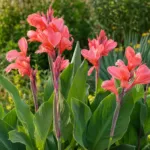
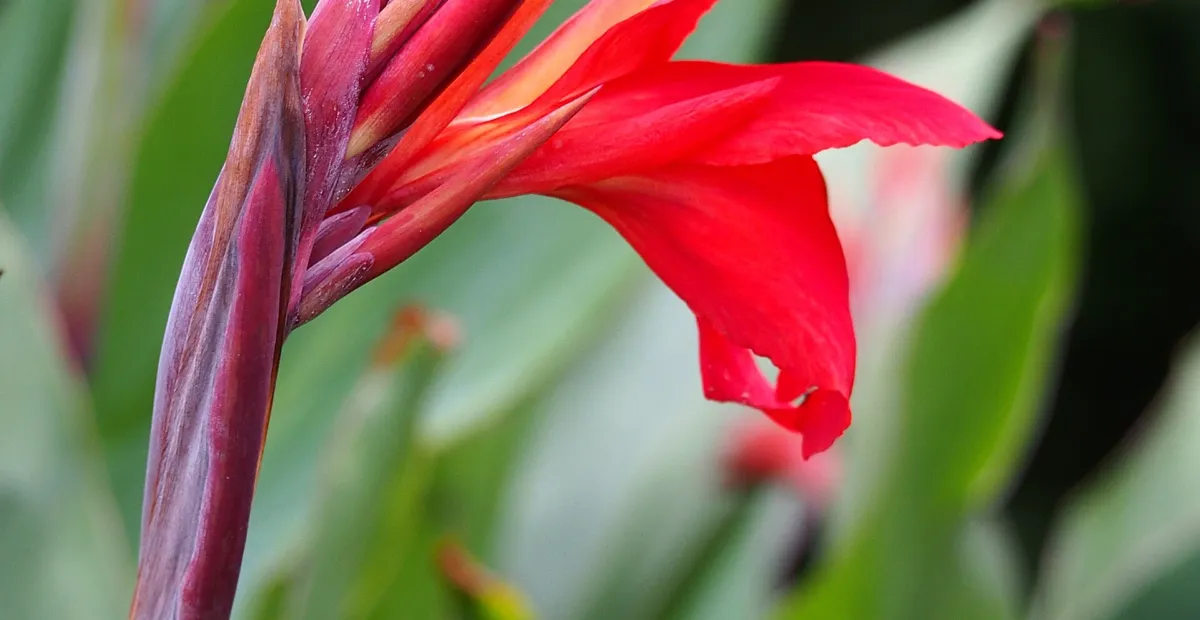
Large, paddle-shaped leaves emerge from overlapping sheaths that create a false stem. The foliage is a solid, rich forest green rather than strongly striped or bronze. Upright flowering stems rise above the leaves and carry vivid crimson-red blooms, giving the plant a bold tropical appearance even when grown as a summer seasonal.
Flowering
The cultivar produces upright terminal clusters of vivid crimson-red flowers, with individual blooms opening successively along the flowering stems. In the United States, flowering is generally concentrated from early or midsummer through fall, continuing longer where warmth and moisture remain available. Deadheading spent flowers can keep the display neater and may encourage further bloom.
Pollination and visitors
Cannas produce nectar and their showy flowers can be visited by hummingbirds, bees, and other insects. Red-flowered cannas are commonly included in hummingbird-oriented plantings, but direct visitor records for 'Firebird' itself are sparse. Visitor activity is most likely during warm daylight hours while flowers are open.
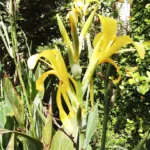
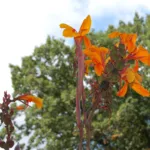
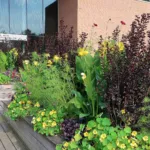
Canna 'Firebird' photos
Click any photo for a larger view. Source, author and license are shown separately.
Diseases and pests
Diseases
Canna viruses can cause mottled, streaked, or distorted foliage and weak growth. Remove and discard badly affected plants rather than propagating from them. Good air circulation, clean tools, healthy planting stock, and avoidance of overhead watering help reduce disease pressure. Rhizome rot is more likely in cold, saturated soil.
Pests
Watch for aphids, slugs, snails, spider mites, thrips, Japanese beetles, and canna leafrollers. Inspect young leaves and leaf undersides regularly, remove pests by hand or with a strong water spray where practical, and use targeted controls only when damage is significant. Avoid overwatering and reduce dense debris around the crown.
Related diseases and pests
Only Plant Doctor profiles whose host data indicate this plant may be affected are shown here.
 PestCitrus mealybugPlanococcus citri
 PestJapanese beetlePopillia japonica
 DiseaseRhizopus soft rotRhizopus stolonifer
 DiseaseRhizoctonia DiseasesRhizoctonia solani Kühn
 PestOnion thripsThrips tabaci Lindeman
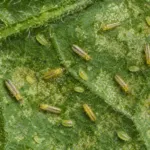 PestMelon thripsThrips palmi Karny
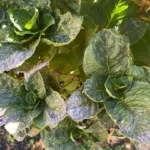 PestChilli thripsScirtothrips dorsalis Hood
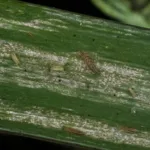 PestDracaena ThripsParthenothrips dracaenae
Toxicity and pollen
ASPCA lists common garden canna and related Canna entries as non-toxic to dogs and cats. That evidence is not a cultivar-specific feeding trial, and ordinary plant material can still cause mild stomach upset if eaten in quantity. Avoid deliberately eating ornamental plant parts, and contact a medical or veterinary professional if symptoms follow ingestion.
- Typical season
- Summer through early fall
- Pollination / pollen
- Primarily animal-mediated pollen transfer; not a noted wind-pollen plant
Canna flowers are not generally regarded as major airborne-pollen sources, and the large pollen-bearing structures are associated primarily with animal-mediated flower visits. Published cultivar-specific aeroallergen measurements for 'Firebird' were not located, so the low rating is a cautious horticultural assessment rather than a clinical guarantee.
Native habitat
The cultivar is a garden selection rather than a wild population. Its Canna background belongs to tropical and subtropical American lineages adapted to warm conditions, bright light, fertile soils, and dependable moisture. In the United States it performs as a summer perennial in warm regions and as a seasonal container or lifted-rhizome plant elsewhere.
Interesting fact
The cultivar is described as dwarf or compact compared with many large cannas. Its crimson flowers contrast strongly with forest-green foliage. Cannas are rhizomatous plants with leaves whose overlapping bases form apparent stems. The same cultivar name is recorded in U.S. nursery and agricultural plant listings.
Frequently asked questions (FAQ)
The most relevant questions about this plant, with short and direct answers.
🌱Quick care
What is Canna ‘Firebird’?⌄
Canna ‘Firebird’ is a dwarf garden canna grown for its forest-green foliage and crimson-red flowers. It is a warm-season perennial commonly grown in borders, containers, and mass plantings.
How much sun does Canna ‘Firebird’ need?⌄
Give Canna ‘Firebird’ full sun, ideally at least 6 hours of direct sunlight daily. It may tolerate some light afternoon shade, but insufficient light can reduce flowering and cause weaker growth.
How often should I water Canna ‘Firebird’?⌄
Keep the soil evenly moist throughout the growing season, especially during hot or dry weather. Avoid letting the rhizomes sit in stagnant water because poorly drained conditions can cause rot.
How tall does Canna ‘Firebird’ get?⌄
Canna ‘Firebird’ typically grows about 3 to 4 feet tall. Exact height varies with climate, soil fertility, moisture, and whether it is grown in the ground or in a container.
What color are the flowers on Canna ‘Firebird’?⌄
Canna ‘Firebird’ produces vivid crimson-red flowers above green foliage. The flowers generally appear during the warm summer growing season and may continue into fall in long, frost-free seasons.
🌤️Environment and placement
What USDA hardiness zones can grow Canna ‘Firebird’?⌄
Canna ‘Firebird’ can be grown as a perennial in warm USDA zones, commonly listed around Zones 8–11. In colder zones, grow it as an annual or lift the rhizomes before freezing weather.
Can Canna ‘Firebird’ survive winter outdoors?⌄
Canna ‘Firebird’ can usually remain outdoors year-round only where the ground does not freeze deeply. In colder parts of the United States, freezing temperatures can damage or kill the rhizomes, so winter storage is safer.
Where should I plant Canna ‘Firebird’ in the landscape?⌄
Plant Canna ‘Firebird’ in a sunny, sheltered bed, along a border, near a pool or pond, or in a large patio container. Its upright form works well as a colorful accent or mass planting.
Can Canna ‘Firebird’ grow in wet soil?⌄
Canna ‘Firebird’ prefers fertile, moist soil and can tolerate consistently damp conditions when drainage is adequate. Avoid cold, waterlogged soil because dormant or stressed rhizomes are more likely to rot.
Can Canna ‘Firebird’ grow in a container?⌄
Yes, Canna ‘Firebird’ grows well in a large container with drainage holes and fertile potting mix. Choose a heavy pot to reduce tipping and expect to water more often than plants grown in the ground.
💧Care and problems
What type of soil does Canna ‘Firebird’ need?⌄
Use fertile, moist but well-drained loam or sandy loam enriched with organic matter. The soil should hold moisture without remaining saturated around the rhizomes.
Does Canna ‘Firebird’ need fertilizer?⌄
Canna ‘Firebird’ benefits from regular feeding during active growth because it produces substantial foliage and flowers. Apply a balanced slow-release fertilizer at planting and follow the product label for additional applications.
Why is my Canna ‘Firebird’ not flowering?⌄
The most common causes are insufficient sun, late planting, drought stress, poor fertility, or cool temperatures. Move container plants into brighter light, maintain even moisture, and allow the plant a full warm growing season.
Should I deadhead Canna ‘Firebird’?⌄
Deadhead spent flowers on Canna ‘Firebird’ to improve its appearance and encourage continued flowering. Cut the fading flower stalk back to its base once the bloom display has finished.
Does Canna ‘Firebird’ need staking?⌄
Canna ‘Firebird’ usually has a strong, upright habit and does not need staking. Staking may be helpful if plants are exposed to strong wind, grown in unusually rich soil, or become top-heavy after heavy rain.
What pests affect Canna ‘Firebird’?⌄
Canna ‘Firebird’ may be damaged by canna leafrollers, Japanese beetles, caterpillars, slugs, and snails. Inspect rolled or shredded leaves regularly and remove pests or damaged foliage promptly.
Why are the leaves on my Canna ‘Firebird’ turning brown?⌄
Brown leaves may result from drought, scorching sun after severe stress, wind damage, pests, disease, or natural seasonal decline. Check soil moisture and foliage for chewing damage, and remove leaves that are badly damaged or diseased.
Can Canna ‘Firebird’ get canna virus?⌄
Yes, Canna ‘Firebird’ can be affected by canna viruses that cause mottled, streaked, or distorted foliage and reduced vigor. Remove and discard clearly infected plants rather than propagating them, and obtain replacement rhizomes from reputable sources.
🪴Planting and repotting
When should I plant Canna ‘Firebird’ rhizomes?⌄
Plant Canna ‘Firebird’ rhizomes outdoors in spring after the danger of frost has passed and the soil has warmed. In colder climates, start rhizomes indoors several weeks early and transplant them after hardening off.
How deep should I plant Canna ‘Firebird’ rhizomes?⌄
Plant the rhizomes about 2 to 4 inches deep with the growing eyes facing upward. Space them roughly 12 to 18 inches apart, allowing room for the clump to expand.
Can I plant Canna ‘Firebird’ from a nursery container?⌄
Yes, transplant a container-grown Canna ‘Firebird’ at the same depth it was growing in its pot. Water it thoroughly after planting and protect it from frost until established.
How do I overwinter Canna ‘Firebird’ rhizomes?⌄
After frost blackens the foliage, cut the stems back, dig the rhizome clump, and let it dry briefly before storing it in a cool, dark, frost-free place. Pack it loosely in slightly dry peat moss, vermiculite, or a similar medium and check periodically for rot.
Can I leave Canna ‘Firebird’ in a pot over winter?⌄
Yes, you can overwinter a potted Canna ‘Firebird’ in a cool, frost-free location after cutting back the stems. Keep the rhizome barely moist or nearly dry while dormant, and resume stronger light and watering as spring growth begins.
✂️Propagation and pruning
How do I propagate Canna ‘Firebird’?⌄
Divide healthy rhizomes in spring, making sure each section has at least one or two viable growing eyes. Division is the most reliable way to preserve the characteristics of this named cultivar.
Can Canna ‘Firebird’ be grown from seed?⌄
Canna ‘Firebird’ can produce seeds, but seedlings may not resemble the parent plant. Use rhizome division when you want new plants that remain true to the ‘Firebird’ cultivar.
When should I divide Canna ‘Firebird’?⌄
Divide Canna ‘Firebird’ rhizomes in early spring, just before planting or when new shoots begin to emerge. This timing helps each division establish quickly during the active growing season.
Should I cut Canna ‘Firebird’ back in fall?⌄
Cut Canna ‘Firebird’ stems to a few inches above the ground after the first killing frost or when the foliage has naturally collapsed. In frost-free climates, remove old stems as needed to make room for new growth.
⚠️Toxicity and safety
Is Canna ‘Firebird’ toxic to dogs and cats?⌄
Canna ‘Firebird’ is generally listed as non-toxic to dogs and cats by common garden plant references. Pets can still develop stomach upset from eating large amounts of plant material, so contact a veterinarian if concerning symptoms occur.
🌸Flowering and special interest
When does Canna ‘Firebird’ bloom?⌄
Canna ‘Firebird’ usually blooms in summer and may continue flowering into early fall. Earlier planting, full sun, warm soil, adequate moisture, and regular deadheading can support a longer display.
How can I make Canna ‘Firebird’ bloom more?⌄
Provide full sun, steady moisture, fertile soil, and adequate nutrition to encourage abundant flowering. Remove spent blooms regularly and avoid cutting healthy foliage during the active growing season.