
 Source:
 Bishop’s-cap (Astrophytum myriostigma) short overview
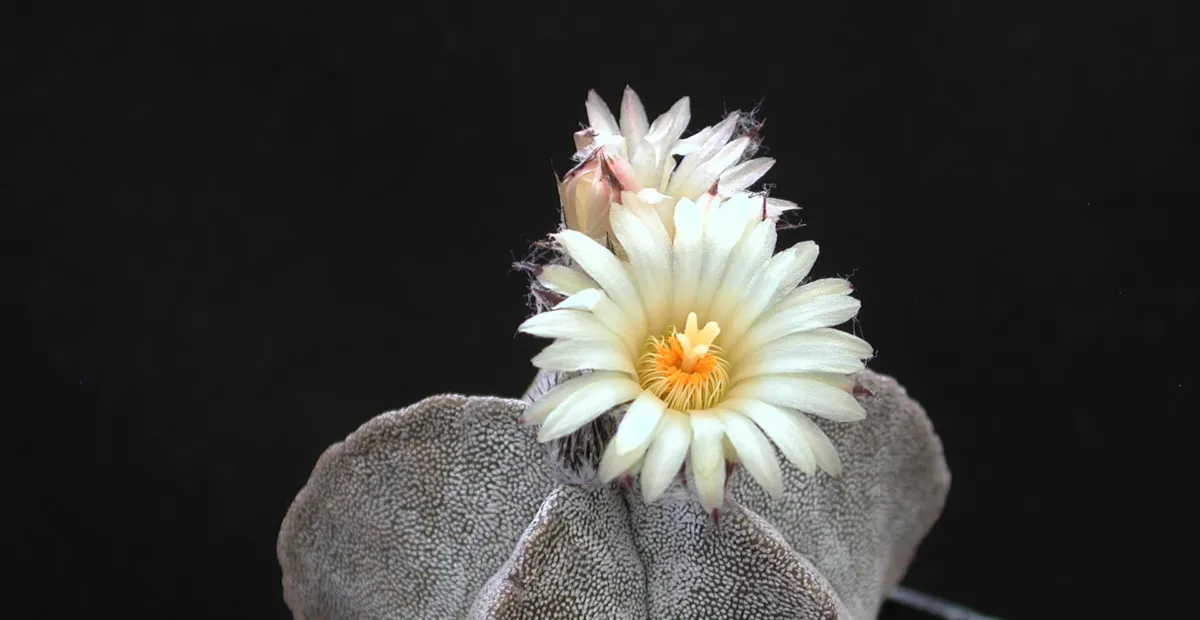
Bishop's-cap is a distinctive, spineless cactus from the uplands of northeastern and central Mexico. Its rounded green stem is usually divided into five pronounced ribs and dusted with pale woolly flecks, giving the plant a finely speckled appearance. With strong light, very fast drainage, careful watering, and a cool, dry winter rest, it can eventually produce bright yellow flowers with warm reddish centers.
Taxonomic classification
Bishop’s-cap (Astrophytum myriostigma) care guide
Light and placement
Provide several hours of direct sun through a south- or west-facing window, greenhouse, or sheltered outdoor location. Bright filtered light is safer immediately after purchase or during acclimation. Stretching, pale color, and weakly spaced ribs indicate insufficient light; bleached patches, corking, or sudden tan scars suggest sun stress or overheating. Increase exposure gradually and protect a hot container from reflected afternoon heat.
Watering and humidity
Water thoroughly only after the substrate has dried completely, allowing excess water to drain away. During active growth, the interval may range from about 10 days to several weeks depending on pot size, temperature, and light. Reduce watering sharply in fall and keep the plant nearly dry through cool winter conditions. Never water a cold, dormant plant or leave the pot standing in water.
Soil and growing medium
Use a predominantly mineral cactus substrate with excellent drainage, such as coarse pumice, lava rock, grit, and a modest amount of low-organic potting mix. Calcareous or mildly alkaline conditions suit its native geology, but the essential requirement is rapid drainage and no persistently wet root zone. Avoid heavy peat-rich mixes that stay damp.
Feeding
Feed only during active growth, typically from late spring through summer. Use a balanced or low-nitrogen cactus fertilizer at half strength every four to six weeks, or follow a slow-release product label. Do not fertilize a stressed, recently repotted, dormant, or cold plant, and avoid rich compost that encourages weak growth.
Growth and habit
This is generally a solitary cactus that slowly develops from a rounded body into a taller, short-columnar form. Strong light helps maintain compact ribs and an even shape; insufficient light can cause stretching and a weaker silhouette. Rotate containers periodically for balanced growth, but avoid abrupt changes from shade to intense sun.
Planting and repotting
Plant outdoors only after cold, wet weather has passed and the soil is reliably fast draining. Set the root ball at its original depth; do not bury the stem. Space specimens so air can circulate and the rounded body is not shaded by vigorous neighbors. In most of the United States, container culture is safer than open-ground planting.
Repot in spring or early summer only when the mix is dry and the container is clearly crowded. Use a pot with a drainage hole, move up only one size, and allow any disturbed roots to dry before watering. Handle the stem gently because the skin and woolly areoles can be damaged by abrasion.
Propagation and pruning
Propagation
Propagate primarily from seed. Sow fresh seed in spring or when warm, bright conditions can be maintained. Use a sterile, gritty medium, keep it lightly and evenly moist during germination, then gradually increase drying between waterings as seedlings develop. Grafting may be used by specialists, but ordinary cuttings are not a dependable method.
Pruning
Routine pruning is not required. Remove only dead, rotting, or severely damaged tissue with a sterile blade. Let wounds dry fully before replanting, and do not cut healthy ribs merely to alter the plant's form.
Overwintering
Keep overwintering plants bright, cool, and nearly dry, ideally above about 40°F. Protect from frost, prolonged temperatures below the mid-40s, and cold rain. In colder parts of the United States, move containers indoors before the first freeze and resume watering gradually only when temperatures and light increase in spring.
Uses
Primarily grown as an ornamental specimen cactus in containers, rock gardens, conservatories, and dry greenhouse collections. Its spineless, geometric body makes it useful for close viewing, but it should still be placed where children and pets will not chew or knock it over. No culinary or medicinal use is established here.
Appearance
The plant has a smooth, rounded to short-columnar green stem divided by prominent vertical ribs, most often five but sometimes fewer or more. Dense pale flecks or woolly scales cover the epidermis, producing a speckled, gray-green appearance. True spines are absent in the typical form, while woolly areoles sit along the rib edges and cluster near the apex.
Flowering
Mature plants produce diurnal, funnel-shaped yellow flowers, often with orange to reddish coloring near the center. Flowers arise from the woolly areoles near the apex and may remain open for roughly one day, occasionally longer. Seed production generally depends on pollen transfer between plants rather than reliable self-pollination.
Pollination and visitors
Field studies recorded several insect visitors, including Diadasia and other bees, beetles, flies, and orthopterans. Bees were among the documented potential pollinators, while some visitors fed on pollen or floral tissues without necessarily pollinating. Flower visits were concentrated around the middle of the day.
Astrophytum myriostigma photos
Click any photo for a larger view. Source, author and license are shown separately.
Diseases and pests
Diseases
The principal risk is root or stem rot caused by wet soil, poor drainage, or watering during cool conditions. Remove damaged tissue, let cuts dry, and repot into fresh mineral mix if rot is localized. Good airflow, clean tools, and a dry winter rest reduce problems. Severe rot may be fatal.
Pests
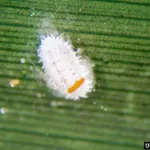
Watch for mealybugs, scale, and root-feeding insects, especially on plants kept warm with poor airflow. Inspect areoles and roots during repotting. Remove small infestations with a targeted cotton swab or appropriate labeled treatment; isolate affected plants and avoid repeated unnecessary pesticide use.
Related diseases and pests
Only Plant Doctor profiles whose host data indicate this plant may be affected are shown here.
Toxicity and pollen
No authoritative source located in the reviewed material documents significant toxic compounds in Astrophytum myriostigma. The plant is spineless but still has firm ribs and woolly areoles that can irritate skin mechanically. Do not allow children or pets to chew ornamental plants, and seek professional advice after ingestion or an unusual reaction.
- Typical season
- During flowering, generally late spring through summer in the United States
- Pollination / pollen
- Insect-carried floral pollen
The flowers produce pollen for insect-mediated reproduction, but this cactus is not broadly documented as a major airborne pollen source in the United States. Keep the low rating provisional: individual sensitivity is possible, especially when handling open flowers or dry pollen indoors.
Native habitat
Native populations occur in northeastern and central Mexico, especially dry upland and Chihuahuan Desert-region landscapes. Plants grow among shrubs, grasses, rocks, and other succulents on mineral, often limestone-influenced soils. Natural sites are sunny, seasonally dry, and subject to substantial day–night temperature changes.
Interesting fact
The species usually begins with five ribs, but rib number can vary among individuals and forms. Pale flecks are composed of tiny hair-like scales rather than ordinary leaf spots. Its flowers open during daylight and reproductive studies indicate a strong dependence on cross-pollination. The species is associated with rocky, often calcareous upland habitats in Mexico.
Frequently asked questions (FAQ)
The most relevant questions about this plant, with short and direct answers.
🌱Quick care
How do you care for Bishop's-cap cactus?⌄
Give Bishop's-cap cactus bright light, very fast-draining mineral soil, and thorough watering only after the mix dries completely. Keep it warm, provide airflow, and protect it from freezing temperatures.
Is Astrophytum myriostigma easy to grow indoors?⌄
Yes, Astrophytum myriostigma is generally easy to grow indoors when it receives strong light and is not overwatered. A sunny window or suitable grow light and a pot with drainage are essential.
🌤️Environment and placement
How much light does Bishop's-cap cactus need?⌄
Bishop's-cap cactus grows best in full sun to bright filtered light. Acclimate it gradually to intense direct sunlight, especially after purchasing it or moving it outdoors, to reduce the risk of sunburn.
Can Astrophytum myriostigma grow in a south-facing window?⌄
Yes, a south-facing window can provide excellent light for Astrophytum myriostigma. Filter the strongest afternoon sun or move the plant slightly back if its skin becomes bleached, tan, or scorched.
What temperature is best for Bishop's-cap cactus?⌄
Bishop's-cap cactus prefers warm growing conditions and must be protected from freezing temperatures. Keep the soil especially dry during cool weather because cold, wet roots can quickly lead to rot.
Can Astrophytum myriostigma grow outside in the United States?⌄
Astrophytum myriostigma can grow outdoors year-round only in frost-free parts of the United States, generally comparable to USDA Zones 10–11. In colder areas, grow it in a container and bring it indoors before freezes.
Does Bishop's-cap cactus need high humidity?⌄
No, Bishop's-cap cactus does not need high humidity and usually prefers good airflow with a dry-down period between waterings. In humid homes or greenhouses, use a grittier mix and avoid crowding plants.
💧Care and problems
How often should you water Astrophytum myriostigma?⌄
Water Astrophytum myriostigma only when the potting mix is completely dry, then soak the mix thoroughly and let excess water drain away. The interval may range from weekly in hot, bright summer conditions to several weeks in cool or dim conditions.
Should Bishop's-cap cactus be watered in winter?⌄
Bishop's-cap cactus needs much less water during winter and may remain dry for extended periods. Water only if it is visibly dehydrating and the plant is kept warm and bright; never water cold, dormant plants routinely.
Why is my Astrophytum myriostigma turning brown or yellow?⌄
Brown or yellow areas can result from sunburn, cold damage, watering stress, pests, or rot. Check whether the area is dry and firm or soft and spreading, then adjust light and watering while inspecting the roots and plant surface.
How can you tell if Bishop's-cap cactus is overwatered?⌄
Overwatering is likely when Bishop's-cap cactus develops soft, dark, yellowing, or rapidly spreading tissue, especially near the base. Remove it from wet soil, inspect for root rot, and replant damaged but firm tissue in dry, mineral soil.
Why is my Astrophytum myriostigma becoming pale?⌄
Astrophytum myriostigma may become pale from insufficient light, sudden intense sunlight, or stress from poor roots. Increase light gradually and check that the roots are healthy and the mix dries promptly.
What pests attack Bishop's-cap cactus?⌄
Scale insects and mealybugs are the main pests reported on Bishop's-cap cactus, and they can hide among its white flecks. Inspect the ribs and crown regularly and isolate affected plants before treating them with a cactus-safe method.
🪴Planting and repotting
What is the best soil for Astrophytum myriostigma?⌄
The best soil for Astrophytum myriostigma is a very fast-draining, mostly mineral cactus mix containing materials such as pumice, perlite, lava rock, or coarse grit. Avoid heavy potting soil that remains wet around the roots.
What type of pot does Bishop's-cap cactus need?⌄
Bishop's-cap cactus needs a pot with a drainage hole that is only slightly larger than its root system. Unglazed clay can help the mix dry faster, while shallow or oversized pots should be avoided if they retain moisture.
When should you repot Astrophytum myriostigma?⌄
Repot Astrophytum myriostigma in spring or early summer when it is actively growing, or when the mix has broken down or the roots have filled the container. Move it up only one pot size and use fresh, dry, fast-draining soil.
How soon can you water Bishop's-cap cactus after repotting?⌄
Wait several days to about a week before watering Bishop's-cap cactus after repotting so disturbed roots can dry and heal. Wait longer if roots were cut, damaged, or removed from wet soil.
Can Astrophytum myriostigma be planted in the ground?⌄
Astrophytum myriostigma can be planted in the ground only where freezing is not a concern and the soil drains exceptionally well. In areas with wet winters, heavy soil, or frost, container culture is safer.
✂️Propagation and pruning
How do you propagate Bishop's-cap cactus?⌄
Propagate Bishop's-cap cactus primarily from seed because Astrophytum myriostigma is normally solitary and does not produce reliable offsets. Sow fresh seed in a sterile, gritty medium and maintain warmth, light, and careful moisture until seedlings establish.
Can you grow Astrophytum myriostigma from cuttings?⌄
Astrophytum myriostigma is not usually propagated from ordinary cuttings because it rarely branches and cut surfaces are vulnerable to rot. Seed is the standard method, while grafting is mainly used by specialist growers for difficult seedlings.
⚠️Toxicity and safety
Is Bishop's-cap cactus toxic to cats or dogs?⌄
No specific toxicity is documented for Bishop's-cap cactus, but pets should not chew it. Plant tissue, soil, and damaged areas can still cause irritation or stomach upset, so keep the cactus out of reach.
Is Astrophytum myriostigma safe to touch?⌄
Astrophytum myriostigma is generally safe to touch carefully because it is typically spineless, but avoid rubbing or squeezing the plant. Wash your hands after handling damaged tissue or contaminated soil, and keep it away from children and pets.
🌸Flowering and special interest
When does Bishop's-cap cactus bloom?⌄
Bishop's-cap cactus typically blooms in spring or summer with fragrant, creamy white to pale yellow flowers. Mature plants may flower more than once during the growing season when they receive strong light and appropriate seasonal rest.
How old does Astrophytum myriostigma have to be before it flowers?⌄
Astrophytum myriostigma may take several years to flower from seed, commonly around five or six years under ordinary cultivation. Adequate light, mature size, and a dry winter rest can support blooming, but timing varies.
Why is my Bishop's-cap cactus not flowering?⌄
A Bishop's-cap cactus may not flower because it is still immature, receives too little light, lacks a cool dry rest, or is stressed by poor roots. Improve light and seasonal conditions, but do not force flowering by keeping the plant constantly wet.
What do Astrophytum myriostigma flowers look like?⌄
Astrophytum myriostigma produces funnel-shaped, fragrant flowers that are usually creamy white to pale yellow and about 2 inches across. They emerge from the crown of mature plants during the warmer growing season.
Similar plants
 Azure Monkshood (Aconitum carmichaelii) care guideAconitum carmichaelii
 Monkshood (Aconitum ‘Stainless Steel’)Aconitum 'Stainless Steel'
 Monkshood (Aconitum ‘Bressingham Spire’)Aconitum 'Bressingham Spire'
 Golden full moon maple (Acer shirasawanum ‘Aureum’)Acer shirasawanum 'Aureum'
 Globosum (Acer platanoides ‘Globosum’)Acer platanoides 'Globosum'
 Striped maple (Acer pensylvanicum) care guideAcer pensylvanicum