
 Source:
 Anemone alba Goaty & Pons (Anemone coronaria) short overview
Anemone alba Goaty & Pons is the verified localized name supplied for Anemone coronaria, a tuberous Mediterranean anemone cultivated for its vivid, poppy-like spring flowers. In U.S. gardens it performs best in full sun, lean well-drained soil, and cool seasonal conditions. Plant the dormant tubers in fall where winters are moderate, or in late winter in colder areas, lifting or protecting them after flowering when drainage and frost are concerns.
Taxonomic classification
Anemone alba Goaty & Pons (Anemone coronaria) care guide
Light and placement
Give full sun, ideally with a southern or western exposure and unobstructed morning-to-afternoon light. In hot climates, light afternoon shade can extend bloom, but deep shade produces weak stems and fewer flowers. Too much wet heat combined with intense exposure can stress foliage; too little light causes stretching and poor flowering.
Watering and humidity
Water thoroughly after planting and whenever the upper soil begins to dry during active growth, then let excess water drain completely. Maintain moderate moisture while leaves and buds are developing, reduce watering as foliage yellows, and keep dormant tubers comparatively dry. Humidity is usually not a limiting factor; stagnant wetness is.
Soil and growing medium
Use sandy or loamy soil with excellent drainage; raised beds and gritty containers are helpful where winter or spring moisture lingers. The species is associated with Mediterranean, often calcareous soils, so avoid heavy, waterlogged clay. A near-neutral to slightly alkaline reaction is generally suitable, although well-drained structure matters more than precise pH.
Feeding
In fertile soil, apply a small amount of balanced slow-release fertilizer or finished compost at planting, then feed lightly as shoots emerge if growth is weak. Avoid high-nitrogen fertilizer, which can produce soft foliage and fewer flowers. Stop feeding as flowering ends and foliage begins to decline.
Growth and habit
Growth begins from a dormant tuber during cool weather. Plants form a compact basal clump, flower on slender stems, and commonly retreat toward dormancy after flowering as temperatures rise. Good drainage and seasonal dryness during dormancy reduce tuber losses.
Planting and repotting
Soak dry tubers for several hours before planting. Set them about 2–3 inches deep with the pointed or slightly concave side oriented according to the supplier’s guidance; spacing of 4–6 inches allows a useful display without crowding. In USDA Zones 7–10, fall planting can produce spring flowers; in colder regions, plant in late winter or start under protection.
Repot only when necessary, preferably while dormant. Handle the brittle tubers carefully, use a gritty, free-draining mix, and choose a container with drainage holes. Avoid disturbing plants during active growth unless transplanting is unavoidable.
Propagation and pruning
Propagation
Propagate by seed or dormant tuber division. Sow fresh seed when available, or give stored seed a cool moist period before spring sowing. Divide or separate tubers while dormant, allowing cut surfaces to dry briefly before planting. Seed-grown plants may vary in flower color and form.
Pruning
Do not cut healthy foliage while it remains green; it replenishes the dormant tuber. Remove spent flowers if seed production is not wanted, then allow leaves to yellow naturally. Cut the plant back only after the foliage has fully declined.
Overwintering
In Zones 7–10, leave tubers in the ground only in sharply drained sites and mulch lightly after foliage dies back. In colder or very wet regions, grow in containers or lift dormant tubers after the foliage has declined; store them dry, cool, and frost-free, then replant at the appropriate season.
Uses
Use for spring borders, rock gardens, containers, balconies, and cut flowers. Plantings can provide early floral resources for generalist insects, but this species should not be treated as a major native-pollinator plant in the United States. All parts should be regarded as unsafe to eat.
Appearance
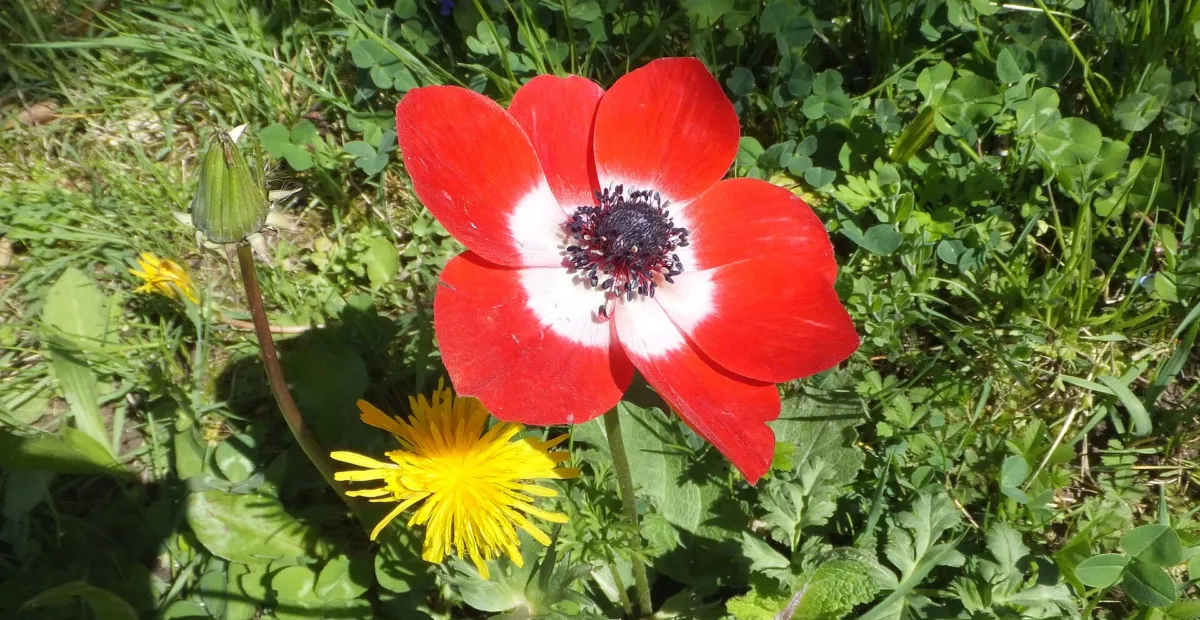
The plant produces a low rosette-like clump of deeply divided, parsley-textured leaves. Slender, mostly unbranched stems rise above the foliage and terminate in single, symmetrical flowers. The central dark staminal area contrasts strongly with the surrounding tepals and is especially useful for identification.
Flowering
Each flowering stem usually carries one conspicuous, saucer-shaped flower above divided foliage. The showy parts are petal-like tepals surrounding a dark central cluster of stamens and carpels. Bloom is commonly concentrated in spring in the United States, with timing shifting earlier in warm climates and later after protected or late-winter planting.
Pollination and visitors
The open flowers expose abundant central reproductive structures and may be visited by small bees, beetles, and other flower-visiting insects. Documentation is stronger for general insect visitation than for a single species-specific pollinator, so no primary Latin name is assigned.
Anemone coronaria photos
Click any photo for a larger view. Source, author and license are shown separately.
Diseases and pests
Diseases
Prevent problems by using clean tubers, excellent drainage, and good air circulation. Excess moisture can encourage tuber rot, damping-off, and fungal leaf or stem problems. Remove affected material, avoid overhead watering, and do not replant damaged tubers in the same wet soil.
Pests
Watch for aphids, thrips, slugs, snails, and bulb or tuber-feeding pests. Inspect new growth, remove weeds and debris, and use physical controls first. Avoid persistently wet soil, which increases losses often mistaken for pest damage. Use only products labeled for the crop and follow U.S. directions.
Related diseases and pests
Only Plant Doctor profiles whose host data indicate this plant may be affected are shown here.
 DiseaseAster yellows‘Candidatus Phytoplasma asteris’
 PestStrawberry foliar nematodeAphelenchoides fragariae
 DiseasePythium ultimum Damping-Off and Root RotPythium ultimum Trow
 DiseasePythium damping-off and root rotPythium debaryanum R. Hesse; often treated taxonomically as Globisporangium debaryanum
 DiseasePythium damping-off, root rot and blightPythium aphanidermatum
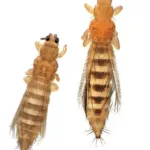 PestOnion thripsThrips tabaci Lindeman
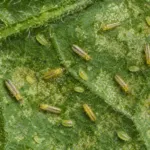 PestMelon thripsThrips palmi Karny
 PestChilli thripsScirtothrips dorsalis Hood
Toxicity and pollen
Anemone coronaria belongs to Ranunculaceae, a family containing irritating protoanemonin-related compounds in several genera. Fresh plant sap may irritate skin and mucous membranes, and ingestion can cause gastrointestinal discomfort or more serious signs. Wear gloves when handling damaged tissue and keep tubers away from children and pets; do not eat any part.
- Typical season
- Spring flowering period
- Pollination / pollen
- Insect-presented pollen
The flowers are insect-pollinated, so pollen is primarily presented locally to visiting insects rather than released as a large airborne cloud. This supports a low airborne-pollen classification, not a claim of zero allergy risk; sensitive people should avoid rubbing the eyes or handling flowers if symptoms occur.
Native habitat
Native populations occur across Mediterranean to western and southwestern Iranian regions, in seasonally wet and seasonally dry climates. It grows in open grasslands, cultivated or disturbed ground, scrub margins, and other sunny habitats, often where soils are relatively light or calcareous and winter moisture drains away.
Interesting fact
The species is a tuberous geophyte adapted to a Mediterranean seasonal rhythm, growing during cooler wet periods and becoming dormant during hotter, drier conditions. Its flowers show substantial natural and horticultural variation in color and form. The dark central boss of stamens is a prominent identification feature. It is widely cultivated as a cut flower and garden bulb substitute, although botanically it grows from tubers.
Frequently asked questions (FAQ)
The most relevant questions about this plant, with short and direct answers.
🌱Quick care
What is Anemone alba Goaty & Pons?⌄
Anemone alba Goaty & Pons is the verified local common name provided for Anemone coronaria, a tuberous Mediterranean anemone in the buttercup family, Ranunculaceae. It is grown for colorful, poppy-like flowers on upright stems.
Is Anemone coronaria easy to grow?⌄
Anemone coronaria is moderately easy to grow when planted in full sun and sharply drained soil. The main challenges are preventing soggy conditions and protecting dormant tubers from severe cold and excess winter moisture.
🌤️Environment and placement
How much sun does Anemone coronaria need?⌄
Anemone coronaria grows best in full sun, meaning at least 6 hours of direct sunlight daily. Light afternoon shade can help in very hot climates, but heavy shade usually reduces flowering.
What soil is best for Anemone coronaria?⌄
Use sandy or loamy soil that drains quickly and does not stay wet after rain. Improve heavy clay with coarse organic matter and grit, or grow the plant in a raised bed or container.
Can Anemone coronaria survive winter outdoors?⌄
Anemone coronaria can overwinter outdoors in mild parts of the United States, but it needs protection in colder climates. In areas with hard freezes or wet winters, grow it in containers or lift and store the dormant tubers.
What USDA zones are suitable for Anemone coronaria?⌄
Anemone coronaria is generally best treated as a tender perennial in colder parts of the United States and is most dependable outdoors in mild climates. Exact survival depends on cultivar, winter drainage, temperature, and protection, so a fixed zone boundary is not reliable for every garden.
Can Anemone coronaria tolerate drought?⌄
Established Anemone coronaria can tolerate brief dry periods, especially in well-drained soil, but it needs moderate water during active growth. Do not allow young plants or newly planted tubers to remain completely dry for long periods.
💧Care and problems
How often should I water Anemone coronaria?⌄
Water Anemone coronaria moderately while it is actively growing, allowing the soil surface to dry slightly between waterings. Reduce watering after the foliage dies back because the dormant tubers are vulnerable to rot.
What should I do with Anemone coronaria after it blooms?⌄
Let the foliage remain after flowering until it naturally yellows and dies back, because the leaves replenish the tuber. Once the foliage is fully dormant, reduce watering and keep the tubers dry rather than cutting healthy leaves early.
Does Anemone coronaria need pruning?⌄
Anemone coronaria generally does not need pruning. Remove spent flowers and damaged growth for appearance, but leave healthy foliage in place until it dies back naturally.
What pests affect Anemone coronaria?⌄
Slugs, snails, caterpillars, and leaf eelworms can damage Anemone coronaria. Good drainage, adequate spacing, sanitation, and regular inspection help reduce pest problems.
What diseases affect Anemone coronaria?⌄
Anemone coronaria may develop powdery mildew, leaf spot, or smut, particularly when plants are overcrowded or conditions are excessively wet. Improve air circulation, avoid overhead watering, and remove badly affected foliage.
Why are my Anemone coronaria leaves turning yellow?⌄
Leaves naturally turn yellow as Anemone coronaria finishes flowering and enters summer dormancy. Yellowing earlier in the season can also indicate overwatering, poor drainage, root damage, or disease.
Is Anemone coronaria deer resistant?⌄
Anemone coronaria is often considered relatively resistant to deer and rabbits, but no plant is completely browse-proof. Protection may still be needed where wildlife pressure is high.
🪴Planting and repotting
Can Anemone coronaria grow in containers?⌄
Yes, Anemone coronaria grows well in containers filled with a loose, sharply drained potting mix. Choose a pot with drainage holes and avoid letting the container sit in a saucer of water.
Should I soak Anemone coronaria tubers before planting?⌄
Soak dry Anemone coronaria tubers for several hours, or overnight, before planting to help rehydrate them. Do not leave them submerged for extended periods, and plant them promptly in well-drained soil.
Which way up should Anemone coronaria tubers be planted?⌄
Plant Anemone coronaria tubers with the flatter side down and the pointed or slightly raised side up when it is identifiable. Because tubers can be irregular, they may still sprout if planted incorrectly, although emergence can be slower.
How deep should I plant Anemone coronaria tubers?⌄
Plant Anemone coronaria tubers about 2 to 3 inches deep and roughly 4 to 6 inches apart. In heavy or wet soil, shallower planting in a raised bed is safer than burying them deeply.
When should I plant Anemone coronaria in the United States?⌄
In much of the United States, plant Anemone coronaria tubers in fall where winters are mild and drainage is excellent, or in late winter to spring in colder areas. Local timing should be adjusted to avoid prolonged freezing or wet soil.
✂️Propagation and pruning
How do I propagate Anemone coronaria?⌄
Propagate Anemone coronaria from seed or by dividing mature dormant tubers. Division is usually more predictable for preserving a selected flower type, while seedlings may vary in color and form.
Can I divide Anemone coronaria tubers?⌄
Yes, mature Anemone coronaria tubers can be divided while dormant if each section includes a viable bud or growing point. Allow cut surfaces to dry briefly before replanting, and keep the divisions from becoming waterlogged.
Can Anemone coronaria be grown from seed?⌄
Yes, Anemone coronaria can be grown from seed, although seedlings may take longer to flower and may not match the parent plant. Sow fresh seed in containers and provide cool conditions suitable for germination.
⚠️Toxicity and safety
Is Anemone coronaria poisonous to people?⌄
Yes, Anemone coronaria is potentially toxic if eaten and may cause mouth irritation, stomach upset, vomiting, or diarrhea. Fresh sap can also cause painful skin irritation or blistering, so handle the plant with gloves.
Is Anemone coronaria safe for pets?⌄
Anemone coronaria should be treated as unsafe for pets if chewed or eaten because its plant compounds can irritate the mouth and digestive system. Keep tubers, foliage, flowers, and seeds away from curious animals.
Can Anemone coronaria cause a skin rash?⌄
Yes, contact with fresh Anemone coronaria sap can irritate the skin and may cause dermatitis or blistering. Wear gloves when planting, dividing, cutting, or handling damaged plant tissue, and wash exposed skin promptly.
🌸Flowering and special interest
Why is my Anemone coronaria not flowering?⌄
Poor flowering is commonly caused by insufficient sunlight, excessive moisture, immature tubers, or planting at an unsuitable time. Give the plants full sun, sharply drained soil, and an active growing season before expecting their best bloom.
When does Anemone coronaria bloom?⌄
Anemone coronaria usually blooms in spring and may continue into early summer under favorable conditions. Flowering time varies with planting date, climate, temperature, and whether the plant was grown from a tuber or an established container plant.
How long do Anemone coronaria flowers last?⌄
Individual Anemone coronaria flowers can last several days, while a healthy planting may bloom over multiple weeks. Regularly harvesting or removing finished flowers can keep the display looking tidy, but it will not prevent the plant’s natural seasonal dormancy.
Can Anemone coronaria be used as a cut flower?⌄
Yes, Anemone coronaria is widely grown as a cut flower because its flowers have long, upright stems and distinctive central disks. Cut stems when the buds are beginning to open, and wear gloves because the sap may irritate skin.
Similar plants
 Azure Monkshood (Aconitum carmichaelii) care guideAconitum carmichaelii
 Monkshood (Aconitum ‘Stainless Steel’)Aconitum 'Stainless Steel'
 Monkshood (Aconitum ‘Bressingham Spire’)Aconitum 'Bressingham Spire'
 Golden full moon maple (Acer shirasawanum ‘Aureum’)Acer shirasawanum 'Aureum'
 Globosum (Acer platanoides ‘Globosum’)Acer platanoides 'Globosum'
 Striped maple (Acer pensylvanicum) care guideAcer pensylvanicum