
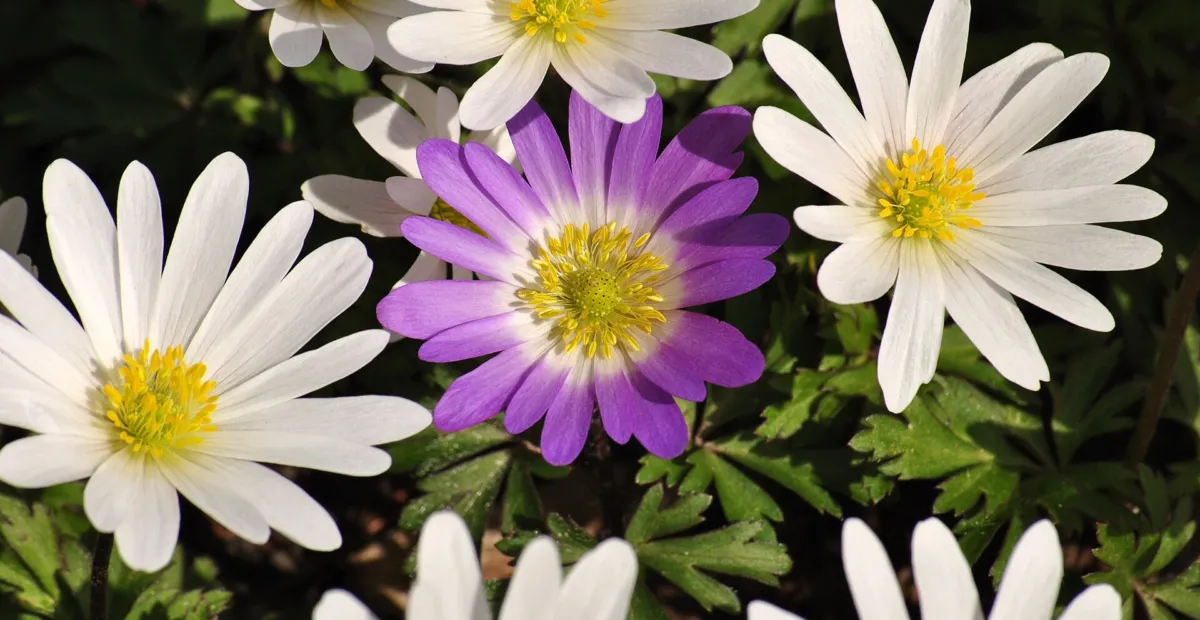
 Source:
 Winter windflower (Anemone blanda) short overview
Winter windflower (Anemone blanda) is a low-growing, tuberous perennial that carpets rock gardens, woodland edges, and spring borders with blue, pink, purple, or white, daisy-like blooms. Native from southeastern Europe through the Caucasus and western Syria, it emerges early, flowers for several weeks, and then retreats into summer dormancy. Plant the tubers in fall in well-drained soil, where the clumps can gradually naturalize.
Taxonomic classification
Winter windflower (Anemone blanda) care guide
Light and placement
Grow winter windflower in full sun to partial shade. In northern U.S. gardens, morning sun or open full sun supports the strongest flowering; in hot-summer areas, filtered light or afternoon shade helps protect foliage and keeps the root zone cooler. Sparse, weak flowering can indicate insufficient light, while scorched or rapidly yellowing foliage may signal excessive heat, drought, or reflected afternoon sun.
Watering and humidity
Water after planting and keep the soil evenly, moderately moist while roots establish and during active spring growth. Allow excess water to drain rather than leaving tubers in saturated soil. Reduce watering as the foliage naturally yellows and the plant enters summer dormancy; resume only when new growth appears. Normal outdoor humidity is sufficient.
Soil and growing medium
Use loose, organically enriched soil that drains freely after rain. Sandy loam or loam is ideal, but the plant can tolerate other textures when amended with compost and protected from standing water. Good drainage is especially important during summer dormancy because persistently wet conditions can encourage tuber or rhizome rot. A mildly acidic to mildly alkaline soil reaction is acceptable.
Feeding
Incorporate a modest amount of finished compost when preparing the planting area, or apply a low-strength balanced bulb fertilizer as shoots emerge in late winter or early spring. Avoid heavy nitrogen feeding, which can produce soft foliage without improving the short flowering display. Do not fertilize once the leaves begin yellowing or after dormancy has started.
Growth and habit
This spring ephemeral emerges early, flowers close to the ground, and gradually spreads into colonies through underground tuberous structures and occasional self-seeding. The foliage fades after flowering, leaving the plant dormant through summer. Mark the planting area so dormant tubers are not disturbed, and combine it with later-emerging perennials that can occupy the space after the anemone retreats.
Planting and repotting
Soak the dry, knobbly tubers overnight before planting. Set them 2–3 inches deep with the pointed or budded side oriented upward when distinguishable, although the irregular tubers can be forgiving. Space 3–5 inches apart, water thoroughly, and maintain moderate moisture until established. Choose a sheltered site with excellent drainage; fall planting allows winter chilling and strong spring emergence.
Container-grown plants should be moved into a permanent outdoor position in fall when practical. If repotting is necessary, work during dormancy and use a free-draining potting mix with added grit or coarse material. Choose a pot with drainage holes, avoid excessive container moisture during summer dormancy, and do not disturb the roots unnecessarily.
Propagation and pruning
Propagation
Propagate by separating established tuberous clumps during dormancy or by sowing fresh seed. Division is generally the more predictable method for garden plants. Seed-grown plants may require more than one season before flowering, and seedlings may vary in flower color. Handle dormant material carefully and replant promptly at the usual depth.
Pruning
No routine pruning is needed. Allow the foliage to yellow naturally after flowering so nutrients can return to the tuber. Remove only damaged or diseased leaves, and cut back the remaining foliage once it has fully withered. Avoid tying, mowing, or cutting healthy leaves while they are still green.
Overwintering
Established garden plants are generally winter hardy in USDA Zones 5–8 when planted in well-drained soil. A light mulch can moderate temperature swings, but avoid heavy, water-retentive mulch directly over the tubers. Containers are more vulnerable to freezing and repeated thawing; sink them in the ground or overwinter them in a cold, sheltered location rather than a warm indoor room.
Uses
Use winter windflower in rock gardens, spring borders, under deciduous trees, woodland-edge plantings, naturalized drifts, and containers. It forms a temporary spring groundcover and can provide an early floral resource for insects. It is also suitable for small cut-flower arrangements, although its short stems and brief seasonal availability limit its value as a commercial cut flower.
Appearance
The plant has deeply divided, fern-like leaves carried on short stems and solitary, open, daisy-like blooms held just above the foliage. Flowers typically have 9–14 conspicuous petal-like sepals surrounding a central cluster of stamens and pistils; botanically, true petals are absent. The spreading, low habit and early blue flowers are useful identification features.
Flowering
Flowering begins soon after the foliage emerges and usually lasts several weeks. The open blooms may close somewhat in dull or cold weather and open more fully in sunlight. Colors range from intense blue and violet to pink and white. After flowering, small fruits develop while the foliage continues briefly before naturally yellowing and disappearing.
Pollination and visitors
The open flowers expose pollen and reproductive structures to visiting insects during a season when relatively few garden plants are blooming. Bees and bumblebees are documented or characteristic visitors, and other small insects may also forage on the flowers. Evidence for a single consistently dominant pollinator species is insufficient, so no species-level Latin name is assigned.
Anemone blanda photos
Click any photo for a larger view. Source, author and license are shown separately.
Diseases and pests
Diseases
Leaf spot and rhizome or tuber rot are the principal reported problems, though serious disease is uncommon. Improve air circulation, avoid overhead watering when foliage stays wet, remove affected leaves, and discard badly rotted planting material. The most important prevention is well-drained soil and restrained watering during summer dormancy.
Pests
Major pest problems are uncommon. Slugs and snails may damage emerging foliage in damp gardens, while rodents can disturb or eat dormant tubers. Reduce hiding places, use physical barriers where appropriate, and avoid leaving beds excessively wet. Inspect stored or newly purchased tubers for soft, discolored, or damaged tissue before planting.
Related diseases and pests
Only Plant Doctor profiles whose host data indicate this plant may be affected are shown here.
 DiseaseAster yellows‘Candidatus Phytoplasma asteris’
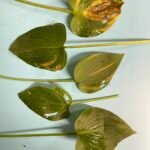 PestStrawberry foliar nematodeAphelenchoides fragariae
 DiseaseRhizopus soft rotRhizopus stolonifer
 DiseaseAlternaria leaf spot and fruit rotAlternaria alternata
 DiseaseRhizoctonia DiseasesRhizoctonia solani Kühn
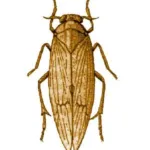 PestBrown planthopperNilaparvata lugens (Stål)
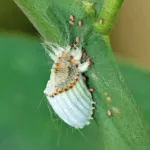 PestCottony Cushion ScaleIcerya purchasi
 PestRosy Apple AphidDysaphis plantaginea
Toxicity and pollen
Extension references classify Anemone blanda as poisonous. Fresh plant tissues contain irritating compounds associated with the buttercup family and may cause burning or irritation of the mouth, digestive upset, or skin irritation after contact or ingestion. Keep tubers and foliage away from children and pets, wear gloves when handling damaged plants, and seek medical or veterinary advice after significant ingestion.
- Typical season
- Spring flowering season, typically March–May in the United States
- Pollination / pollen
- Exposed pollen in open spring flowers; primarily moved by visiting insects
The flowers produce pollen, but the species is insect-pollinated and its open, relatively small spring display is not generally recognized as a major airborne allergen in U.S. gardening references. Individual sensitivity is still possible, especially during direct handling or close contact with flowers. Gardeners with known pollen sensitivity should use gloves and avoid rubbing the eyes after touching the plant.
Native habitat
In its native range, Anemone blanda occurs in temperate regions from southeastern Europe to the Caucasus and western Syria. It is associated with seasonal growth conditions, including spring moisture followed by a drier summer rest. In cultivation it performs best in well-drained soils beneath or near deciduous trees, in open woodland margins, and in sunny beds where summer dormancy is not waterlogged.
Interesting fact
The specific epithet blanda means mild, pleasing, or charming. The showy structures are sepals rather than true petals, making the blooms botanically apetalous. Plants often flower before deciduous trees develop a dense canopy, then disappear underground for summer. Their knobbly tubers can naturalize gradually under favorable conditions.
Frequently asked questions (FAQ)
The most relevant questions about this plant, with short and direct answers.
🌱Quick care
What is winter windflower (Anemone blanda)?⌄
Winter windflower is a low-growing, tuberous perennial that produces daisy-like blue, pink, or white flowers in early spring. It belongs to the buttercup family, Ranunculaceae, and gradually forms spreading clumps in suitable garden conditions.
Is Anemone blanda a bulb or a perennial?⌄
Anemone blanda is a herbaceous perennial that grows from small, irregular tubers or tuberous rhizomes. Although commonly sold with spring bulbs, it returns and spreads underground over multiple years.
🌤️Environment and placement
How much sunlight does winter windflower need?⌄
Winter windflower grows in full sun to partial shade. Full sun is suitable in cooler climates, while afternoon shade helps protect plants from heat and drying in warmer areas.
Can Anemone blanda grow under trees?⌄
Yes, Anemone blanda performs well beneath deciduous trees where it receives spring sunlight before the canopy fills in. Choose a site with moist, well-drained soil rather than a persistently wet or heavily shaded location.
What soil is best for winter windflower?⌄
The best soil is well-drained loam or sandy loam enriched with organic matter. Avoid compacted or waterlogged soil because excessive winter moisture can cause tuber or rhizome rot.
💧Care and problems
How often should I water Anemone blanda?⌄
Water Anemone blanda when the soil surface begins to dry, keeping it moderately and consistently moist while it is actively growing. Reduce watering after the foliage yellows and the plant enters summer dormancy.
Does winter windflower need fertilizer?⌄
Winter windflower usually needs little fertilizer when planted in organically enriched soil. If growth is weak, apply a balanced, slow-release fertilizer in early spring according to the product label.
Why is my Anemone blanda not blooming?⌄
Anemone blanda may fail to bloom because the tubers were planted too late, the site is excessively shaded, the soil stayed too wet, or the plants are still establishing. Newly planted tubers may need a full growing cycle before flowering well.
Why are the leaves of my winter windflower turning yellow?⌄
Yellowing leaves after flowering are usually normal because winter windflower naturally goes dormant in early summer. If yellowing occurs while the plant should be actively growing, inspect the soil for poor drainage and the foliage for pest or disease damage.
What pests affect Anemone blanda?⌄
Cutworms and some moth larvae can damage Anemone blanda foliage. Remove visible larvae, clear plant debris, and protect young growth if feeding becomes persistent.
Can Anemone blanda get root rot?⌄
Yes, Anemone blanda can develop root or rhizome rot in consistently wet soil. Improve drainage, avoid overwatering, and do not plant tubers in low spots where water collects.
🪴Planting and repotting
When should I plant winter windflower tubers?⌄
Plant winter windflower tubers in fall so they can establish before producing flowers the following spring. In colder areas, plant before the ground freezes; container-grown plants can also be installed while dormant or in early growth.
How deep should I plant Anemone blanda tubers?⌄
Plant Anemone blanda tubers about 2 to 3 inches deep and 3 to 5 inches apart, with the planting distance reduced for a denser carpet. Cover them with soil and water thoroughly after planting.
Should I soak winter windflower tubers before planting?⌄
Yes, soaking dry winter windflower tubers in room-temperature water overnight can help rehydrate them before fall planting. Do not leave them soaking for several days because prolonged saturation can encourage decay.
Can I grow Anemone blanda in containers?⌄
Yes, Anemone blanda grows well in containers filled with a free-draining potting mix. Keep the container moderately moist during active growth, and move established plants into a permanent garden location in fall if desired.
How far apart should I plant winter windflowers?⌄
Space winter windflower tubers about 3 to 5 inches apart for ordinary planting. Plant them closer together when creating a massed display or temporary spring ground cover.
✂️Propagation and pruning
How do you propagate Anemone blanda?⌄
Propagate Anemone blanda by dividing established clumps or by sowing seed. Division is generally the more predictable method, while seedlings may take about two years to flower and may not match named cultivars.
When can I divide winter windflower?⌄
Divide winter windflower after flowering, once the foliage begins to yellow and the plant is entering dormancy. Handle the small tubers carefully, replant them promptly, and allow the soil to drain well.
Should I cut back Anemone blanda after flowering?⌄
Cut back Anemone blanda only after its foliage has naturally yellowed and begun to die back. Leaving green leaves in place allows the plant to replenish energy for next year’s flowers.
Does winter windflower spread?⌄
Yes, winter windflower can spread gradually through its underground tubers or rhizomes and by self-seeding in favorable conditions. It typically forms clumps or low spring carpets rather than becoming an aggressive, year-round ground cover.
⚠️Toxicity and safety
Is winter windflower toxic to dogs, cats, or people?⌄
Yes, Anemone blanda is toxic if eaten and can also irritate skin through contact with fresh sap. Keep children and pets from chewing the plant, and wear gloves when handling damaged foliage or tubers.
Can Anemone blanda cause a skin reaction?⌄
Yes, contact with fresh Anemone blanda sap may cause irritation, inflammation, or blistering in sensitive people. Wash exposed skin promptly and avoid touching the face or eyes while handling the plant.
What happens if someone eats winter windflower?⌄
Eating winter windflower can irritate the mouth and digestive system and may cause vomiting or diarrhea, especially in larger amounts. Contact a medical professional or poison-control service promptly if ingestion occurs.
🌸Flowering and special interest
When does Anemone blanda bloom?⌄
Anemone blanda usually blooms in early spring, commonly around April in many U.S. gardens, with timing varying by climate and weather. Individual flowers may remain attractive for several weeks under favorable conditions.
What colors do winter windflower flowers come in?⌄
Winter windflower flowers are most commonly blue or violet-blue, with pink and white forms also available. The open, cup-shaped blooms are held above finely divided foliage and often appear in clusters.
How long do Anemone blanda flowers last?⌄
Anemone blanda commonly flowers for roughly four weeks, although the display depends on temperature, moisture, and cultivar. Warm weather can shorten the bloom period, while cool spring conditions may extend it.
Do winter windflowers return every year?⌄
Yes, winter windflowers are cold-hardy perennials that can return yearly in USDA Zones 5 through 8 when planted in well-drained soil. They often become more effective as clumps mature and naturalize.
Are Anemone blanda flowers good for pollinators?⌄
Yes, the open flowers of Anemone blanda can provide early-season forage for bees and other insects. Planting groups of the flowers increases their usefulness and creates a stronger spring display.
Similar plants
 Azure Monkshood (Aconitum carmichaelii) care guideAconitum carmichaelii
 Monkshood (Aconitum ‘Stainless Steel’)Aconitum 'Stainless Steel'
 Monkshood (Aconitum ‘Bressingham Spire’)Aconitum 'Bressingham Spire'
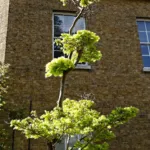 Golden full moon maple (Acer shirasawanum ‘Aureum’)Acer shirasawanum 'Aureum'
 Globosum (Acer platanoides ‘Globosum’)Acer platanoides 'Globosum'
 Striped maple (Acer pensylvanicum) care guideAcer pensylvanicum