
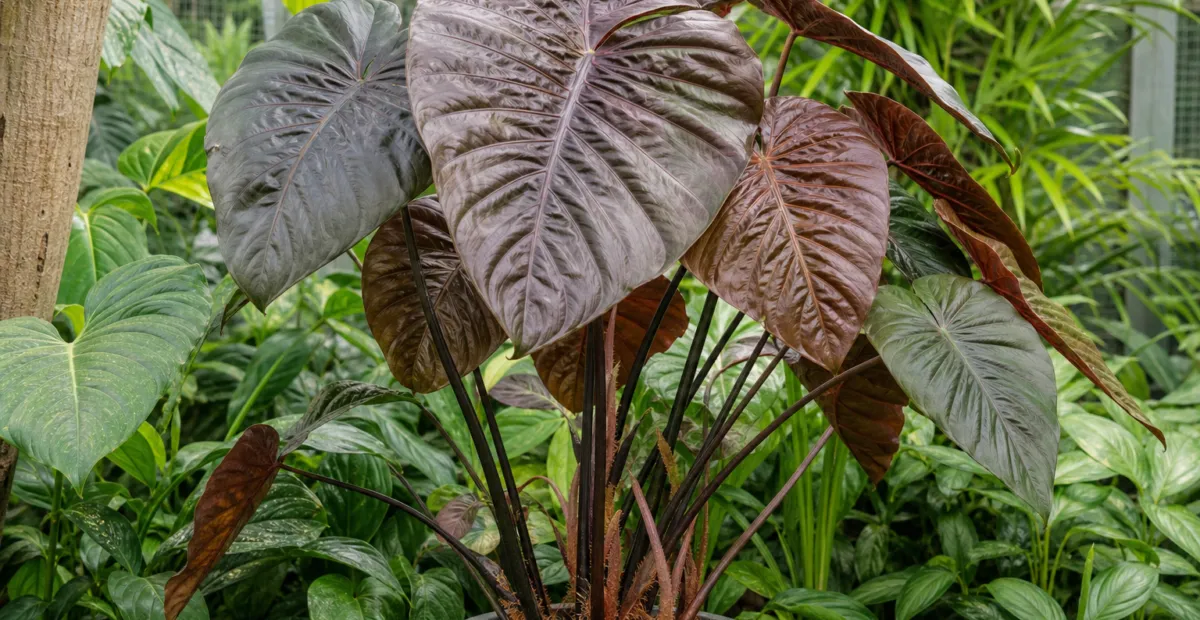
 AI-generated illustration
Alocasia ‘Serendipity’ short overview
Alocasia 'Serendipity' is a distinctive elephant ear cultivar valued for its tall, open habit and large, puckered leaves colored reddish bronze on both surfaces. The undersides and petioles may show deep maroon tones, while fine peach-colored hairs add unusual texture. Its parentage and natural distribution remain undocumented, so grow it as a warm tropical foliage plant: provide bright filtered light, high humidity, steady moisture, excellent drainage, and protection from cold.
Taxonomic classification
Alocasia ‘Serendipity’ care guide
Light and placement
Provide bright filtered light near an east- or north-facing window, or a few feet back from a bright south- or west-facing window behind a sheer curtain. Gentle morning sun may be tolerated, but harsh afternoon rays can scorch the leaves and fade their bronze color. Too little light causes stretched petioles and smaller leaves; too much causes bleaching, crisp patches, or curling.
Watering and humidity
Water thoroughly when the upper 1–2 inches of mix begins to dry, then empty the saucer. Keep the root zone evenly moist during warm active growth, but never let the pot stand in water. Water less often in cool or low-light periods, when evaporation and growth slow. High humidity helps prevent crispy margins, but it does not compensate for poor drainage.
Soil and growing medium
Use a loose, organic-rich mix that holds moderate moisture without staying saturated. A practical blend is quality potting mix with orchid bark and perlite or pumice. Good drainage is essential because the cormous root system is vulnerable to rot. A slightly acidic to neutral reaction is suitable; avoid heavy, compacted soil.
Feeding
Feed only during active growth, typically spring through early fall, with a balanced liquid fertilizer diluted to about half the label strength every 2–4 weeks. Water first if the mix is dry. Reduce or stop feeding during cool, dark winter conditions or whenever growth has paused.
Growth and habit
This is a vigorous, corm-forming tropical perennial with an upright, open crown. New leaves emerge from the central growth point and become more strongly puckered as they mature. Consistent warmth, humidity, and active-season feeding support larger foliage; cold, dry conditions can trigger dormancy or leaf loss.
Planting and repotting
In the United States, plant outdoors only after nights are reliably warm and the danger of frost has passed. Set the rootstock at its previous depth, allow room for the broad leaves, and establish it in sheltered shade. In cooler regions, container culture makes seasonal movement easier.
Repot in spring or early summer when roots or corms fill the container. Move up only one pot size and keep the crown at its previous depth. Use a container with drainage holes, and avoid disturbing healthy roots unnecessarily.
Propagation and pruning
Propagation
Propagate by separating offsets or dividing established corms during active growth. Keep each division with viable roots or a healthy growth point, use a porous moist medium, and provide warmth and high humidity while it re-establishes. Seed propagation is not a dependable method for maintaining this named cultivar.
Pruning
Remove yellowing, damaged, or fully senescent leaves at the base with clean, sharp tools. Do not routinely cut healthy foliage; each leaf contributes energy to the corm. Remove spent inflorescences if desired, especially when seed production is not intended.
Overwintering
Move containers indoors before temperatures fall below about 60°F, especially before frost. Give strong filtered light, warmth, and good humidity, while reducing watering as growth slows. Outdoor plants in Zone 8 may require heavy protection and may still die back; lifting and storing dormant corms is possible, but survival is not guaranteed.
Uses
Primarily an ornamental foliage plant for indoor collections, warm patios, shaded tropical borders, and containers. It is not recommended as a culinary plant because Alocasia tissues contain irritating calcium oxalates unless specially prepared by knowledgeable traditional methods.
Appearance
The plant forms a tall, open crown of long-stalked, broad heart-shaped leaves. Both leaf surfaces are typically reddish bronze, while the lower surface may show deeper maroon tones and fine peach-colored hairs. Mature leaves can develop a noticeably puckered or crinkled texture, a key identification feature of this cultivar.
Flowering
Like other Alocasia, it may produce a pale spathe surrounding a spadix, but flowering is not the main ornamental feature and cultivar-specific flowering records are scarce. Inflorescences are protogynous: the female phase generally precedes pollen release, reducing the likelihood of self-pollination within one inflorescence.
Pollination and visitors
No pollinator has been documented specifically for 'Serendipity'. Research on related Alocasia species identifies specialized flower-breeding fruit flies as important pollinators, but that evidence should not be assigned directly to this cultivar.
Diseases and pests
Diseases
Prevent disease by providing airflow, avoiding chronically wet soil, and watering at the root zone rather than over the foliage. Root or corm rot is the main concern when drainage is poor. Remove severely affected tissue with sterile tools, replace saturated substrate, and isolate symptomatic plants.
Pests
Check regularly for spider mites, thrips, mealybugs, scale, and fungus gnats. Dry air favors mites, while persistently wet media favors fungus gnats and root problems. Isolate affected plants, improve airflow, remove pests mechanically where practical, and use labeled treatments according to directions.
Related diseases and pests
Only Plant Doctor profiles whose host data indicate this plant may be affected are shown here.
 PestOnion thripsThrips tabaci Lindeman
 PestMelon thripsThrips palmi Karny
 PestChilli thripsScirtothrips dorsalis Hood
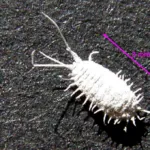 PestObscure mealybugPseudococcus viburni
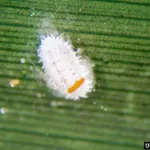 PestCitrus mealybugPlanococcus citri
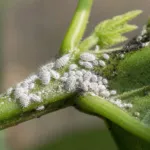 PestCotton mealybugPhenacoccus solenopsis Tinsley
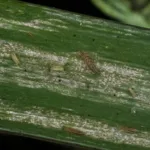 PestDracaena ThripsParthenothrips dracaenae
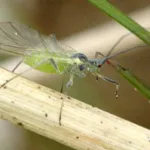 PestGreen Peach AphidMyzus persicae
Toxicity and pollen
Alocasia tissues contain insoluble calcium oxalates. Chewing can cause immediate mouth irritation, pain, swelling, drooling, vomiting, or difficulty swallowing in people and pets. Keep the plant away from children and animals, wear gloves when handling damaged tissue, and seek professional medical or veterinary advice after ingestion.
- Pollination / pollen
- Primarily contained within the inflorescence; insect-associated release
Alocasia pollen is produced inside the spadix and is not generally dispersed as a prominent wind-borne cloud. However, cultivar-specific airborne pollen and allergy studies are unavailable, so sensitive individuals should avoid handling flowers or pollen directly.
Native habitat
The cultivar's native habitat is unknown because it is a horticultural selection rather than a formally described wild species. Its Alocasia background indicates adaptation to warm, humid tropical conditions with filtered light, organic soils, and regular moisture rather than prolonged drought or frost.
Interesting fact
The cultivar was reportedly discovered as an unusual nursery plant and later introduced through tissue culture. Its leaves are distinctive because reddish-bronze coloration continues across both surfaces. Fine peach-colored hairs on the lower leaf surface help distinguish it from smoother-leaved lookalikes. Parentage and native habitat remain unknown.
Frequently asked questions (FAQ)
The most relevant questions about this plant, with short and direct answers.
🌱Quick care
What is Alocasia 'Serendipity'?⌄
Alocasia 'Serendipity' is a distinctive Elephant Ear grown for its large, puckered reddish-bronze leaves, dark undersides, and colorful stems. It is an undescribed horticultural cultivar or hybrid rather than a formally described species.
How much light does Alocasia 'Serendipity' need?⌄
Give Alocasia 'Serendipity' bright filtered light or partial shade. Protect it from harsh afternoon sun, which can scorch the leaves, while overly dim conditions may reduce growth.
How often should I water Alocasia 'Serendipity'?⌄
Water when the upper portion of the potting mix has begun to dry, then soak the mix thoroughly and let excess water drain away. Keep it evenly moist during active growth, but never leave the pot sitting in water.
What potting soil is best for Alocasia 'Serendipity'?⌄
Use a rich, loose, well-drained mix that retains some moisture without becoming compacted. A fertile aroid-style mix amended with materials such as bark, perlite, or coarse pumice is suitable.
Is Alocasia 'Serendipity' easy to grow indoors?⌄
Alocasia 'Serendipity' can grow well indoors when provided with bright filtered light, warmth, humidity, and consistent moisture. It is less forgiving of cold, prolonged dryness, and waterlogged soil than many common houseplants.
🌤️Environment and placement
Where should I place Alocasia 'Serendipity' indoors?⌄
Place it near a bright window with filtered light, such as an east-facing window or a bright spot set back from a south- or west-facing window. Keep it away from drafts, heating vents, and air-conditioning.
What temperature does Alocasia 'Serendipity' prefer?⌄
Keep Alocasia 'Serendipity' warm, ideally around 60–85°F during active growth. Protect it from temperatures below about 50°F, sudden chills, and cold drafts.
Does Alocasia 'Serendipity' need high humidity?⌄
It grows best in medium to high humidity, especially while producing large leaves. A clean humidifier and good air circulation are more reliable than frequent misting.
Can Alocasia 'Serendipity' grow outside?⌄
Yes, it can grow outdoors in warm, frost-free conditions with bright shade or partial shade and consistently moist, well-drained soil. In colder parts of the United States, grow it in a container or bring it indoors before temperatures fall.
What USDA hardiness zones are suitable for Alocasia 'Serendipity'?⌄
Alocasia 'Serendipity' is generally suited to USDA Zones 8–10 as a seasonal or protected outdoor plant, though local winter conditions matter. Outside frost-free climates, overwinter the plant or its underground storage organ indoors.
💧Care and problems
Why are the leaves of my Alocasia 'Serendipity' turning yellow?⌄
Yellow leaves commonly result from overwatering, poor drainage, cold stress, or naturally aging foliage. Check the roots and potting mix before watering again, and remove only leaves that are fully yellow or damaged.
Why is my Alocasia 'Serendipity' drooping?⌄
Drooping usually indicates underwatering, root stress from soggy soil, cold temperatures, or sudden environmental change. Check soil moisture and roots, then correct the underlying condition rather than watering automatically.
Why does Alocasia 'Serendipity' have brown leaf edges?⌄
Brown edges are often caused by dry soil, low humidity, inconsistent watering, salt buildup, or direct sun. Keep the mix evenly moist, improve humidity and airflow, and flush accumulated fertilizer salts from the pot.
Why is my Alocasia 'Serendipity' not growing?⌄
Slow growth can result from insufficient light, cool temperatures, low humidity, depleted soil, or dormancy. Move it to a warmer bright-filtered location and maintain steady moisture without keeping the roots saturated.
How should I fertilize Alocasia 'Serendipity'?⌄
Feed it with a balanced, diluted houseplant fertilizer during active growth, following the product label. Reduce or stop feeding during winter dormancy or whenever the plant is stressed, recently repotted, or not producing new growth.
Does Alocasia 'Serendipity' go dormant?⌄
It may slow down or lose leaves during cooler, darker periods, particularly when grown indoors or moved outside seasonally. During dormancy, water less often and keep the plant warm while avoiding completely dry soil for extended periods.
How can I prevent spider mites on Alocasia 'Serendipity'?⌄
Reduce spider-mite risk by providing adequate humidity, inspecting leaf undersides regularly, and avoiding severe drought stress. Isolate affected plants and treat promptly with thorough washing and an appropriate labeled houseplant pest treatment.
🪴Planting and repotting
When should I repot Alocasia 'Serendipity'?⌄
Repot when roots have substantially filled the current container or water runs through unusually quickly. Move it into a pot only one size larger, because an oversized pot stays wet longer and increases the risk of root problems.
Does Alocasia 'Serendipity' need a drainage hole?⌄
Yes, use a container with drainage holes. Drainage allows excess water to escape and is essential because the plant prefers consistent moisture but can develop root rot in stagnant, waterlogged soil.
Can Alocasia 'Serendipity' be planted in the ground?⌄
It can be planted in the ground in warm, frost-free areas with rich, moisture-retentive but well-drained soil. Choose a sheltered location protected from drying winds and intense afternoon sunlight.
✂️Propagation and pruning
How do you propagate Alocasia 'Serendipity'?⌄
The practical method is to separate offsets or small corms from a mature plant during repotting, keeping roots attached whenever possible. Pot each division in a small, well-drained container and keep it warm and lightly moist while it establishes.
Can Alocasia 'Serendipity' be propagated from a leaf cutting?⌄
No, a detached leaf or leaf section normally cannot produce a new Alocasia plant because new growth develops from the corm or underground stem. Propagate from viable offsets, corms, or divisions instead.
Should I cut off damaged Alocasia 'Serendipity' leaves?⌄
Remove leaves that are fully dead, badly damaged, or diseased by cutting the petiole near its base with clean, sharp tools. Keep partially green leaves because they still contribute energy to the plant.
⚠️Toxicity and safety
Is Alocasia 'Serendipity' toxic to cats and dogs?⌄
Yes, Alocasia 'Serendipity' is moderately toxic if chewed because it contains irritating calcium oxalate crystals. Keep it away from pets and children, and contact a veterinarian or Poison Control if plant material is swallowed.
What happens if a person chews Alocasia 'Serendipity'?⌄
Chewing it may cause immediate burning or irritation of the mouth, tongue, lips, or throat, along with drooling or difficulty swallowing. Remove plant material from the mouth, do not induce vomiting, and contact Poison Control or seek urgent medical help if symptoms are severe.
🌸Flowering and special interest
Does Alocasia 'Serendipity' bloom?⌄
Yes, mature plants can produce the typical Alocasia inflorescence, consisting of a spathe and spadix, although flowering is less common indoors than outdoors. Warmth, strong filtered light, adequate nutrition, and maturity encourage blooming.
What do Alocasia 'Serendipity' flowers look like?⌄
The flowers are typical of the Araceae family: a pale spathe surrounds a central spadix rather than forming a showy, petaled bloom. The foliage is usually the main ornamental feature.
Should I cut off an Alocasia 'Serendipity' flower?⌄
You may remove the inflorescence if you prefer the plant to direct more energy toward foliage, especially if the plant is small or stressed. Otherwise, leave it in place until it fades, then cut it off cleanly at the base.
Similar plants
 Azure Monkshood (Aconitum carmichaelii) care guideAconitum carmichaelii
 Monkshood (Aconitum ‘Stainless Steel’)Aconitum 'Stainless Steel'
 Monkshood (Aconitum ‘Bressingham Spire’)Aconitum 'Bressingham Spire'
 Golden full moon maple (Acer shirasawanum ‘Aureum’)Acer shirasawanum 'Aureum'
 Globosum (Acer platanoides ‘Globosum’)Acer platanoides 'Globosum'
 Striped maple (Acer pensylvanicum) care guideAcer pensylvanicum